
Inside the Battle for the AI PC: How Next‑Gen Consumer Hardware Is Rewriting Computing
The phrase “AI PC” has exploded across launch events, product pages, and YouTube thumbnails. Major OEMs are branding new laptops, tablets, and phones as “AI‑first devices,” driven by dedicated neural processing units (NPUs) and tightly integrated accelerators. These chips promise to run large language models (LLMs), image generation, and real‑time media processing locally, with lower latency and better privacy than cloud‑only solutions.
Coverage from outlets like The Verge, Ars Technica, TechRadar, and Engadget reflects both excitement and skepticism. Benchmarks measure TOPS (tera operations per second), battery impact, and thermal design, while in‑depth reviews ask a tougher question: which AI features are actually useful, and which are just stickers on the palm rest?
“We’re at the start of a shift as big as the move from single‑core to multi‑core CPUs—except this time the new engine is an NPU designed for AI workloads.”
Mission Overview: What Is an “AI PC” Really?
There is no universal standard for the term “AI PC,” but most serious definitions converge on a few technical criteria:
- Presence of a dedicated NPU or similar accelerator integrated into the SoC or platform.
- Support for on‑device inference of reasonably capable models (e.g., LLMs with billions of parameters or image generators) at interactive speeds.
- Hardware‑level optimizations for AI workloads—memory bandwidth, low‑precision math, and power gating.
- An OS and software stack that actively expose AI capabilities in everyday tasks (productivity, creativity, communication, security).
From a systems perspective, the “mission” of the AI PC race is threefold:
- Offload cloud costs by pushing inference to the edge whenever feasible.
- Improve responsiveness and availability of AI features regardless of network connectivity.
- Reframe privacy expectations by keeping sensitive data (voice, video, documents) local while still enabling advanced AI processing.
This mirrors earlier transitions—such as the rise of GPUs for graphics and later for general compute—but with a crucial twist: the workloads are far more data‑sensitive and context‑aware.
Technology: Inside the AI PC Architecture
Under the hood, AI PCs are heterogeneous compute platforms. They orchestrate work across the CPU, GPU, NPU, and sometimes specialized ISPs (image signal processors) and DSPs (digital signal processors).
CPU, GPU, NPU: Division of Labor
Modern AI‑first laptops and devices typically allocate workloads as follows:
- CPU (Central Processing Unit): control logic, OS tasks, light ML workloads, scheduling between accelerators.
- GPU (Graphics Processing Unit): high‑throughput parallel math, large matrix multiplications for training or big inference tasks, rendering.
- NPU (Neural Processing Unit): optimized for low‑precision (INT8, INT4, sometimes FP8) inference with high energy efficiency, ideal for always‑on or frequently used AI tasks.
Tech reviewers often focus on TOPS ratings—tera operations per second—as a shorthand metric. However, real‑world performance also depends on:
- Memory bandwidth and on‑chip cache design.
- Support for sparsity and quantization.
- Driver maturity and OS integration (e.g., Windows Studio Effects, macOS on‑device ML, Android NNAPI).
On‑Device Models and Frameworks
The software ecosystem is converging around model formats and runtimes optimized for edge inference:
- ONNX Runtime and TensorRT for cross‑platform acceleration.
- Quantized variants of models like Llama, Mistral, and Stable Diffusion adapted for 8‑bit or 4‑bit inference.
- Platform APIs like DirectML (Windows), Core ML (Apple), and Neural Engine / Hexagon DSP on mobile SoCs.
“The frontier isn’t only about ever‑larger models in the cloud; it’s also about distilling intelligence into efficient edge models that fit the power and thermal budgets of consumer devices.”
Technology in Action: Real‑World AI PC Workloads
Reviewers across YouTube, TikTok, and professional outlets stress that AI PCs must deliver tangible workflow improvements, not just benchmarks. Common test workloads include:
- Real‑time transcription and captioning for meetings, lectures, and podcasts.
- Background noise removal and voice enhancement powered by local models.
- Smart photo and video editing: object selection, background removal, style transfer, and upscaling.
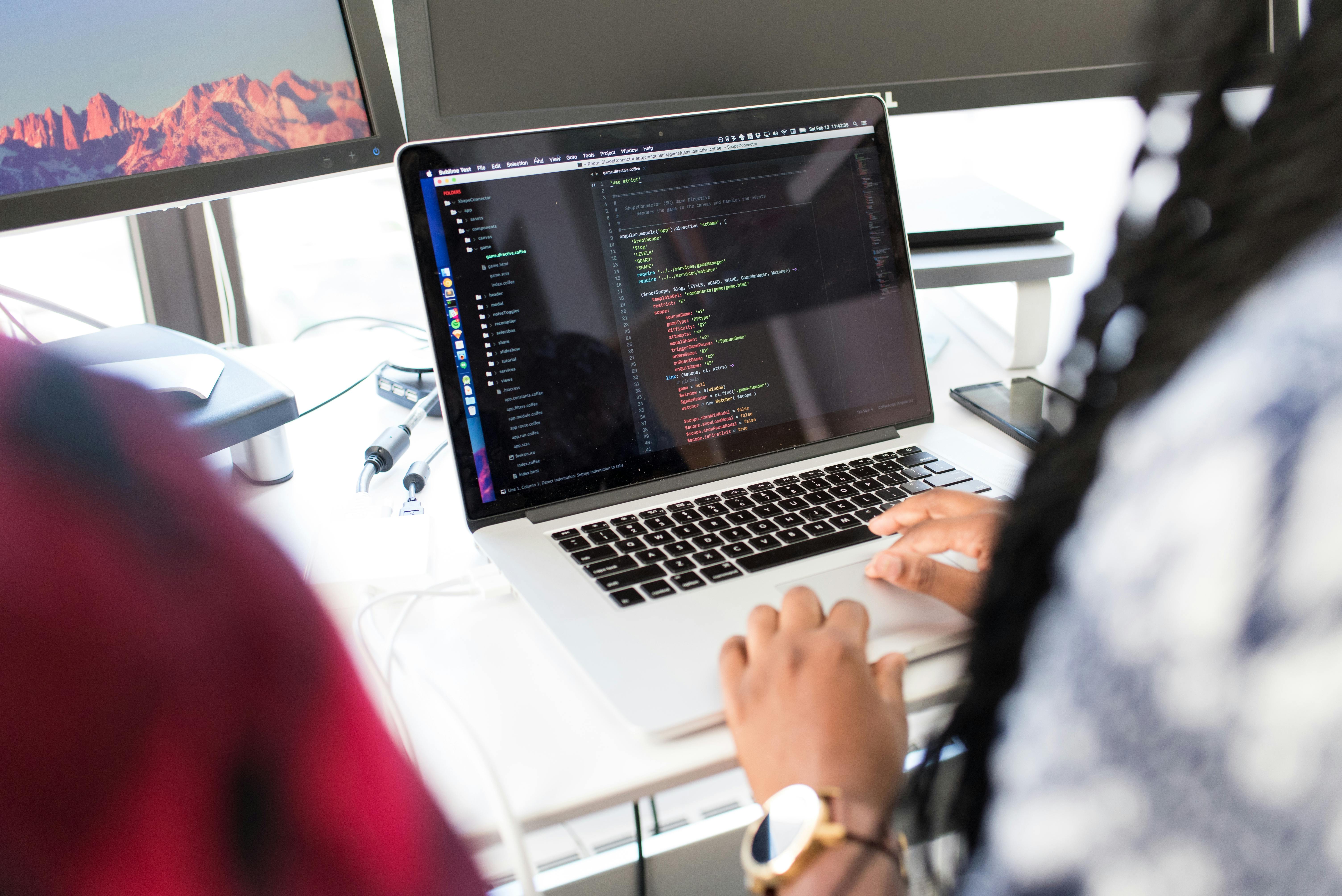
- On‑device code assistants inside IDEs, offering completions without sending every line to the cloud.
- Local LLM chat with personal notes or documents, constrained to the device for privacy.
Channels like YouTube AI PC reviews routinely test whether these features:
- Run smoothly without thermal throttling.
- Preserve battery life under sustained AI load.
- Match or approach cloud‑based quality for many tasks.
Scientific Significance: Edge AI as a Computing Paradigm Shift
For computer scientists and system architects, the AI PC battle is more than a marketing story; it represents a broader realignment of where intelligence lives in the computing stack.
From Centralized to Federated Intelligence
Historically, deep learning concentrated in hyperscale data centers. AI PCs push toward a more federated model:
- Local inference for latency‑sensitive, privacy‑critical operations.
- Cloud backends for large, shared, or highly specialized models.
- Hybrid flows where on‑device models pre‑filter or summarize data before optional cloud calls.
This architecture enables:
- Energy efficiency: less redundant computation in data centers, more localized processing.
- Resilience: AI features still work offline or under flaky connectivity.
- Personalization: models can adapt to a user’s data that never leaves the device.
Privacy and Societal Impact
Outlets like Wired highlight the dual nature of on‑device AI for privacy:
- On one hand, less raw data needs to be streamed to cloud servers.
- On the other hand, always‑on microphones and cameras feeding local models raise concerns about ambient surveillance and profiling.
“Moving AI to the edge reduces some obvious privacy risks, but it also normalizes constant sensing—what matters is not just where the data goes, but what is inferred from it.”

Ecosystem and Business Dynamics
The AI PC race isn’t just about one chip; it’s an ecosystem contest spanning silicon vendors, OEMs, OS providers, and software developers.
Chip Vendors Courting OEMs
Coverage from TechCrunch and others underscores several trends:
- Custom NPUs integrated into client CPUs and SoCs, with aggressive TOPS marketing.
- Reference designs for AI‑first laptops, tablets, and convertibles.
- Co‑marketing budgets for OEMs that push AI branding prominently.
Startups and Software Players
Startups and independent software vendors (ISVs) are racing to:
- Compress and quantize models for low‑power devices.
- Build creative and productivity apps that target NPUs first.
- Offer SDKs and plugins that expose AI capabilities in mainstream tools (Office, Adobe Creative Cloud, IDEs, collaboration platforms).
This ecosystem approach will largely determine whether AI PCs feel like a genuine generational leap, or just a checkbox in spec sheets.
Milestones in the AI PC and Device Race
Although the AI PC term is relatively new, it rides on a decade of incremental milestones in mobile and PC AI acceleration.
Key Milestones and Trends
- Early mobile NPUs: Smartphone SoCs began including dedicated neural engines for photography and voice assistants.
- OS‑level ML frameworks: Platforms like Core ML, Android NNAPI, and Windows ML matured, standardizing access to accelerators.
- Consumer‑visible AI features: Computational photography, live translation, adaptive refresh rates, and smart battery management became default expectations.
- PC‑class NPUs: Laptop and desktop platforms now integrate NPUs with tens or even hundreds of TOPS, advertised as AI‑ready for years to come.
- Local LLMs on consumer hardware: Tools like Ollama and various desktop apps allow users to run chat models locally with acceptable performance.
Reviewers on The Verge and Ars Technica increasingly compare generations not just by CPU or GPU uplift, but by NPU generational gains and how well these map to real software today—not just promised future updates.

Challenges: AI‑Washing, Standards, and User Trust
As with any new buzzword, the AI PC label risks being diluted by over‑marketing. Outlets like Ars Technica and The Verge frequently call out three core challenges.
1. AI‑Washing and Marketing Noise
Not every “AI” feature is new or requires an NPU. Basic filters, rule‑based automation, or server‑side features occasionally get re‑branded as AI to ride the hype cycle. This creates:
- Consumer confusion about what the hardware truly enables.
- Difficulty comparing devices when marketing terms are inconsistent.
- Unmet expectations when promised AI features ship late or never arrive.
2. Lack of Clear Metrics
TOPS alone is a poor proxy for user experience. More meaningful metrics would include:
- Tokens per second for LLM inference at a given power envelope.
- Frames per second for AI‑assisted video filters.
- Battery drain per hour under mixed AI workloads.
3. Privacy, Telemetry, and Opt‑Out
Even with on‑device models, some platforms still collect telemetry or send prompts to the cloud:
- Users may not know when data leaves the device.
- Opt‑out settings can be buried or confusing.
- Enterprises face compliance and governance questions about local vs. cloud AI.
Critical coverage pushes vendors to adopt clearer disclosures and robust privacy controls. Over time, we can expect regulatory pressure to shape what counts as acceptable in consumer and workplace environments.
Practical Guide: What to Look for When Buying an AI PC
For technically minded consumers and professionals, choosing an AI‑ready device means looking beyond slogans. Consider this quick checklist:
- NPU performance and support: Look for documented TOPS and real app integrations (e.g., video conferencing, creative suites, IDEs).
- Memory and storage: At least 16 GB RAM is advisable for serious local models, with fast NVMe storage for model files.
- Thermals and acoustics: Sustained AI workloads should not throttle excessively or make fans intolerably loud.
- Battery life under AI load: Look for independent tests of AI‑heavy scenarios, not just video playback benchmarks.
- Privacy controls: Clear toggles for camera/mic access, local vs. cloud processing, and telemetry.
For example, many creators and power users opt for premium ultrabooks with strong NPUs and GPUs. Devices in the class of the latest AI‑optimized creator laptops on Amazon combine high‑core‑count CPUs, capable GPUs, and NPUs capable of accelerating real‑time media and creative workloads.
If your workflow is heavily AI‑assisted coding, pairing an AI PC with a comfortable, programmable keyboard—such as the Logitech MX Keys Advanced Wireless Keyboard —can significantly improve everyday ergonomics and productivity when using on‑device assistants in your IDE.
Beyond the PC: Next‑Gen Consumer Hardware and Ambient AI
The same trends reshaping PCs are transforming tablets, phones, AR/VR headsets, and even home appliances.
Ambient, Context‑Aware Devices
AI‑first devices increasingly:
- Listen for commands with low‑power, always‑on keyword detection.
- Analyze scenes via cameras for object recognition and gesture control.
- Adapt interfaces in real time based on user behavior and context.
This creates powerful experiences—instant translation glasses, context‑aware note‑taking tablets, and phones that intelligently summarize your day—but also raises questions:
- How transparent are these inferences to the user?
- What safeguards prevent misuse of continuous sensing?
- Can users easily disable or sandbox AI behaviors when needed?

Conclusion: From Hype Cycle to Everyday Infrastructure
The battle for the AI PC and next‑gen consumer hardware is still in its early innings. Hardware vendors are pushing impressive NPUs, software ecosystems are racing to keep up, and reviewers are stress‑testing claims in real workflows.
Over the next few years, several outcomes are likely:
- The term “AI PC” will fade into the background as AI acceleration becomes a standard expectation, like Wi‑Fi or GPU support.
- Performance metrics will mature beyond TOPS into scenario‑based benchmarks.
- Privacy, transparency, and local‑first design will become differentiators, not afterthoughts.
- On‑device AI will increasingly handle personal context and sensitive data, with the cloud reserved for heavy lifting and cross‑user intelligence.
For consumers and professionals, the key is to focus on what you can actually do with an AI device today—and how it aligns with your values and workflows—rather than the volume of AI branding on the box.
Additional Tips and Resources for Staying Ahead
If you want to go deeper into the AI PC and edge‑AI landscape, the following practices and resources can help.
Stay Informed and Hands‑On
- Follow long‑form reviews on channels that publish benchmarks and thermal analysis, not just unboxings.
- Experiment with local‑first tools like desktop LLM clients, on‑device transcription, and open‑source image generators.
- Monitor OS release notes and driver updates—AI acceleration often improves significantly post‑launch.
Recommended Reading and Viewing
- Ars Technica – Gadgets & Hardware for deep dives into architecture and standards.
- The Verge – Reviews for usability‑focused coverage of AI‑equipped laptops and phones.
- YouTube – AI PC Workflow Tests for real‑world editing, coding, and gaming performance.
- Google Scholar – Edge AI Inference Devices for academic and technical papers.
- Professional commentary on LinkedIn from hardware architects, ML engineers, and reviewers who share behind‑the‑scenes insights.
Taking a critical, evidence‑based approach—grounded in benchmarks, reproducible tests, and clear privacy expectations—will help you navigate the AI PC era with confidence rather than hype.
References / Sources
Further reading and sources related to AI PCs, edge AI, and consumer hardware trends:
- https://www.theverge.com/tech
- https://arstechnica.com/gadgets/
- https://www.techradar.com/news/computing
- https://www.engadget.com/tag/ai/
- https://techcrunch.com/tag/artificial-intelligence/
- https://www.wired.com/tag/artificial-intelligence/
- https://ai.meta.com/llama/
- https://onnxruntime.ai
- https://developer.apple.com/machine-learning/
- https://learn.microsoft.com/windows/ai/
- https://scholar.google.com/scholar?q=edge+ai
