
Inside Apple Intelligence: How On‑Device AI Is Redefining Private Computing
Apple’s privacy‑centric AI strategy—now heavily marketed under the umbrella term “Apple Intelligence”—is reshaping how mainstream users encounter generative AI. Rather than pushing a single chatbot, Apple is weaving machine learning and large language models into system features that quietly run on device: smarter notifications, writing tools, audio and meeting summaries, semantic photo search, and a more capable Siri that can act across your apps.
This approach stands in contrast to cloud‑first AI from competitors. While Microsoft, Google, and others often rely on massive server‑side models, Apple leans on its A‑series and M‑series chips with high‑performance Neural Engines to execute models locally whenever possible, only falling back to the cloud through tightly controlled, end‑to‑end‑encrypted pathways.
At the heart of the strategy is a simple promise: your data should stay on your device by default. Apple is betting that this blend of privacy, performance, and subtle UX integration will differentiate its ecosystem in a world where AI risks, from hallucinations to data breaches, are under growing scrutiny.
Mission Overview: Apple’s Privacy‑First Take on AI
Apple’s explicit mission is to deliver helpful, context‑aware AI without requiring users to trade away intimate details of their lives. This is not just a marketing line—it is baked into architectural decisions about where computation happens, how models are trained, and how data flows between device and cloud.
In public keynotes, developer sessions, and technical briefings, Apple emphasizes three mission pillars:
- On‑device by default: Whenever feasible, ML and generative models run directly on your hardware, from the iPhone 15 Pro line and newer to M‑series Macs and iPads.
- Private cloud as a fallback: When workloads exceed local capabilities, tasks are processed via Apple’s “Private Cloud Compute,” which uses end‑to‑end encryption and hardware‑secured data centers.
- Integrated, not intrusive: AI features are meant to disappear into the OS—smarter autocorrect, more fluent dictation, proactive suggestions—rather than feeling like a separate, experimental app.
“We believe AI should know you, not own you. That means powerful intelligence that’s accessible, helpful, and fundamentally private.”
— Adapted from Apple leadership commentary in WWDC‑era briefings
This positioning strongly resonates across tech media—from deep dives in The Verge and Wired to commentary threads on Hacker News. Analysts frame Apple’s strategy as a deliberate alternative to the data‑hungry AI models that dominated earlier hype cycles.
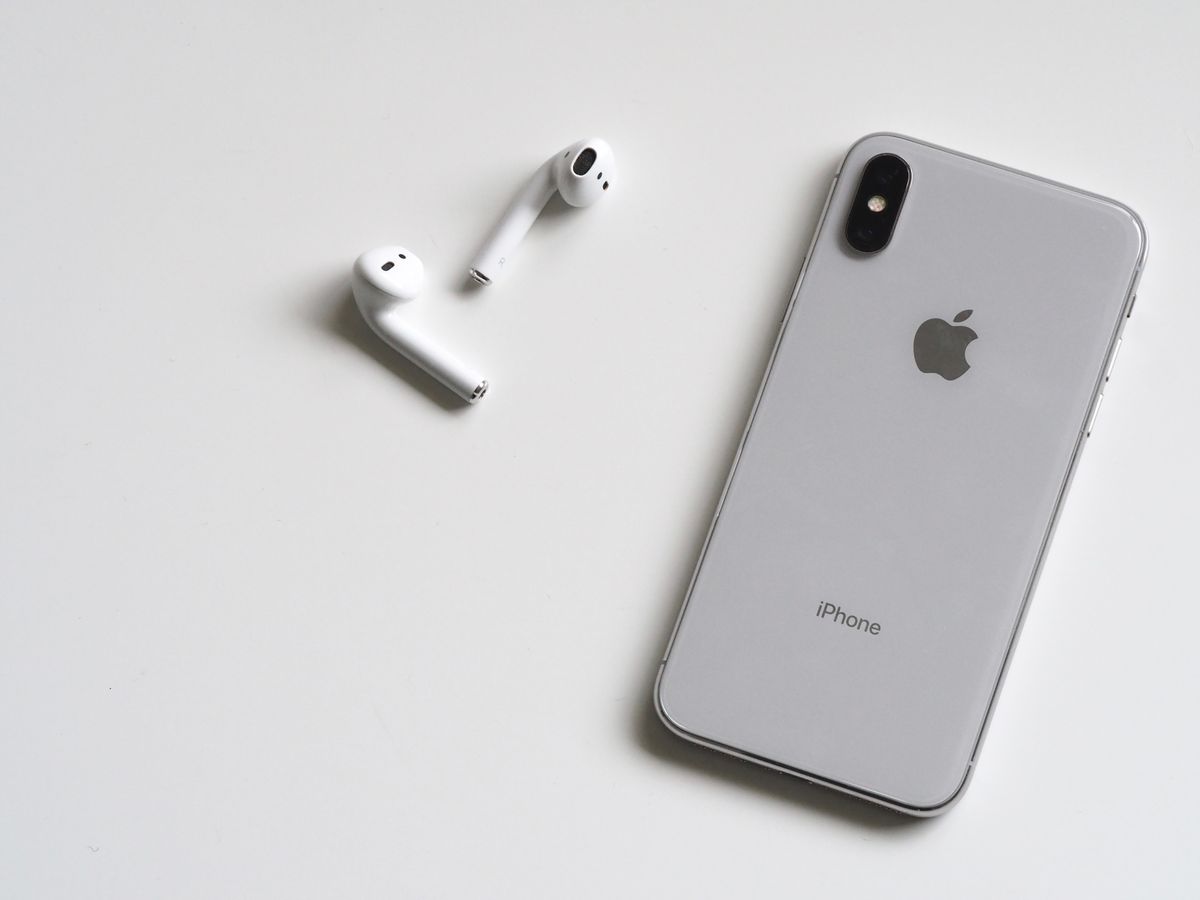
Visualizing Apple’s On‑Device Intelligence Ecosystem



Technology: How Apple Makes Private AI Work
Behind the “Apple Intelligence” branding is a sophisticated stack that bridges large language models, multimodal perception, and traditional machine learning. The emphasis is on efficiency and tight coupling with Apple’s custom hardware.
Custom Silicon and Neural Engines
Apple’s A‑series (for iPhone) and M‑series (for Mac and iPad) chips integrate dedicated Neural Engines optimized for matrix multiplications and tensor operations—core workloads for deep learning. Newer chips can sustain trillions of operations per second (TOPS), enabling:
- Real‑time transcription and improved dictation
- On‑device image and video understanding, such as subject detection and background removal
- Local language modeling for suggestions, rewriting, and summarization
By tuning both hardware and operating systems, Apple can run compact yet capable models with low latency and energy use, a critical requirement for phones and laptops.
Core ML and Model Compression
Developers build on Core ML, Apple’s framework for deploying ML models on device. Key techniques include:
- Quantization: Reducing model precision (e.g., from 32‑bit to 8‑bit) to cut memory and compute costs with minimal accuracy loss.
- Pruning: Removing redundant weights and neurons from networks to shrink size and speed up inference.
- Distillation: Training smaller “student” models to mimic larger, more capable “teacher” models, preserving quality while fitting mobile constraints.
These optimizations allow Apple to run generative models that would traditionally require cloud GPUs directly on consumer hardware.
Private Cloud Compute
Some tasks still exceed what’s practical on device, particularly large‑scale generative reasoning or high‑resolution image synthesis. For that, Apple relies on “Private Cloud Compute” (PCC), a confidential computing architecture built on:
- Custom server‑class Apple silicon with enclaves similar to those on iPhone
- End‑to‑end encryption where only your device holds the keys
- Ephemeral processing with strict guarantees that data is not stored for long‑term profiling
“Apple is effectively turning its data centers into extended limbs of the device, not the other way around.”
— Paraphrased from Ben Thompson’s analysis on Stratechery
From a user’s perspective, this means richer AI features that still align with Apple’s core privacy guarantees—although security researchers continue to scrutinize how fully these promises are met in practice.
Scientific Significance: On‑Device AI as a New Computing Paradigm
Apple’s strategy is not just a product choice; it reflects a broader shift in AI research and system design. On‑device intelligence sits at the intersection of edge computing, privacy‑preserving machine learning, and human‑computer interaction.
Edge AI and Latency‑Sensitive Intelligence
Running models locally dramatically reduces latency—critical for interactions like typing, voice, and camera‑based experiences. Scientific and engineering benefits include:
- Real‑time feedback: Live captioning, translation, or AR overlays without round‑trip delays to the cloud.
- Resilience: Features that continue to work offline or in low‑connectivity environments.
- Energy‑aware computation: Fine‑grained control over when and how models run to preserve battery life.
Privacy‑Preserving ML
By defaulting to on‑device inference and minimizing data upload, Apple sidesteps many of the privacy challenges facing cloud‑AI providers. In parallel, the broader research community is exploring:
- Differential privacy for training models on user data without leaking specifics
- Federated learning, where models learn across devices without centralized raw data
- Secure enclaves and trusted execution environments, like those in Apple silicon
Apple has published several papers and technical reports on these themes in venues tracked by Apple Machine Learning Research.
Human‑Centered Design and Subtle AI
While some platforms foreground AI as a destination—ask the chatbot anything—Apple embeds it as an affordance. Scholars of human‑computer interaction have long argued that assistance should feel:
- Contextual: Appearing where it’s needed (e.g., writing tools in Mail, Pages, or Notes).
- Controllable: Allowing users to accept, reject, or modify AI suggestions easily.
- Accountable: Providing clear indicators when AI is acting and options to revert changes.
“The future of AI isn’t about a single assistant that knows everything—it’s about intelligence that respectfully integrates into the tools we already use.”
— Inspired by commentary from technology ethicists like Meredith Whittaker
Milestones: From Siri to Apple Intelligence
Apple’s current AI push builds on more than a decade of incremental machine‑learning enhancements. Some key milestones include:
Early Siri and On‑Device Speech
- 2011–2016: Early Siri relied heavily on server‑side processing and had limited contextual understanding.
- 2019–2021: Apple shifted much of Siri’s speech recognition on device, boosting responsiveness and privacy.
Neural Engine Era and Photo Intelligence
- iPhone X and later: The Neural Engine enabled Face ID, smarter photo categorization, and real‑time AR.
- Live Text & Visual Look Up: Newer iOS releases added OCR in photos and semantic understanding of scenes, all heavily powered by on‑device models.
Apple Intelligence Rollout
By 2024–2025, Apple began unifying its AI narrative under the “Apple Intelligence” brand:
- Writing tools: System‑level options to rewrite, summarize, or adjust tone in text fields.
- Notification and message summaries: Condensing long threads and alerts into digestible overviews.
- Smarter Siri: Deeper app integration, cross‑app actions, and improved natural language understanding, often with a hybrid on‑device plus PCC architecture.
These features roll out first on the latest hardware, such as:
- iPhone 15 Pro and newer, which include advanced Neural Engines.
- M‑series Macs like the MacBook Pro with M3 Pro , which can host more demanding local models.
Design and UX: Intelligence as a System Feature
A defining feature of Apple’s AI approach is that you often don’t see “AI” explicitly labeled. Instead, you simply notice that the system feels more helpful.
Examples of Subtle AI‑Driven Experiences
- Autocorrect and dictation: Neural models learn from language patterns to reduce embarrassing corrections and provide more natural speech‑to‑text.
- Photo and video tools: One‑tap subject isolation, background removal, and semantic search for “dog at the beach last summer.”
- Context‑aware Siri: Commands like “send this to Alex and say I’ll be late” can reference the document or screen currently in view.
- Smart summaries and triage: Long emails, meeting recordings, or message threads can be summarized into key action items.
On TikTok, YouTube, and X, creators regularly showcase workflows—automatic meeting notes on macOS, streamlined email inboxes, or creative photo edits—that bring these background capabilities into focus.
Balancing Helpfulness and Control
To avoid the backlash faced by some generative AI tools, Apple emphasizes human control:
- Clear labels when content is generated or heavily edited by AI.
- Undo and version history when rewriting or auto‑summarizing text.
- Granular privacy settings that allow opting out of certain personalized features.
This incremental, opt‑in‑friendly approach stands in contrast with more experimental platforms that rapidly deploy new AI features and iterate in public.
Challenges: Trade‑Offs and Open Questions
Apple’s privacy‑centric, on‑device strategy offers clear advantages but also faces serious technical and strategic challenges that are widely discussed across tech press and developer forums.
Model Size vs. Device Constraints
State‑of‑the‑art foundation models can easily exceed tens of billions of parameters, demanding vast GPU resources. Even with quantization and pruning, running such models fully on device can be:
- Too slow for real‑time interaction on older hardware
- Too memory‑intensive for lower‑end devices
- Too power‑hungry for sustained use on battery
Apple must therefore design bespoke, smaller models that trade some raw capability for efficiency and privacy. The question is whether these models will remain competitive with cutting‑edge cloud AI.
Ecosystem Lock‑In and Developer Expectations
Apple’s vertically integrated approach leads to powerful experiences inside its ecosystem—but can deepen lock‑in:
- Developers may need to embrace Apple‑specific frameworks like Core ML.
- Users may feel nudged towards iCloud and proprietary services.
- Cross‑platform parity becomes harder for app creators targeting Android or Windows.
Some developers celebrate the performance and privacy guarantees; others worry about platform dependence and App Store policies around AI services.
Transparency and Evaluation
Another open issue is how transparent Apple will be about:
- Which models run locally vs. in PCC
- How user data, if any, contributes to ongoing model improvement
- How they audit for bias, hallucinations, or misuse
“Trust in AI is not a one‑time feature; it’s a continuous process of measurement, disclosure, and correction.”
— Reflected in commentary by AI safety researchers on LinkedIn and academic panels
Researchers and journalists will continue to test Apple’s systems against these standards, especially as features expand into more sensitive areas like health, finance, or personal analytics.
Practical Implications for Users and Professionals
For everyday users, Apple’s AI strategy is mostly about quiet upgrades to daily workflows. For professionals in fields like software engineering, design, and security, the implications run deeper.
For Everyday Users
- More capable devices over time: New OS releases can unlock richer on‑device AI without requiring constant internet connectivity.
- Privacy by default: Sensitive content (messages, photos, health data) is less likely to be routinely shipped to third‑party servers.
- Incremental learning curve: You don’t need to “learn a chatbot”—existing apps simply get smarter.
For Creators and Knowledge Workers
If you write, design, code, or analyze data, Apple Intelligence features can become invisible co‑pilots. Many professionals pair Apple hardware with external AI services for a hybrid workflow. For instance:
- Using on‑device summarization to preprocess content before sending anonymized snippets to cloud tools.
- Leveraging device‑level photo or audio enhancement before sharing assets to collaborative platforms.
For Developers and ML Engineers
Developers who want to stay aligned with Apple’s direction should:
- Explore Core ML model conversion and optimization pipelines.
- Design features that gracefully degrade on older devices with weaker Neural Engines.
- Consider privacy and offline operation as first‑class feature requirements.
Apple’s engineering talks at WWDC and technical sessions on YouTube provide deep, code‑level guidance on best practices for on‑device ML deployment.
Conclusion: A Different Vision for Everyday AI
Apple’s privacy‑centric, on‑device AI strategy offers a clear alternative to cloud‑heavy AI paradigms. By framing generative and predictive capabilities as “intelligence” that lives primarily on your device, Apple aims to:
- Deliver fast, reliable assistance with minimal latency
- Preserve user trust in an era of data breaches and AI overreach
- Leverage its hardware‑software integration as a strategic moat
The trade‑offs are real—particularly around model size, openness, and developer freedom—but the trajectory is clear: more of what we call “AI” will quietly migrate from distant data centers into the chips in our pockets and on our desks.
For users, the practical takeaway is simple: the next generation of Apple devices will feel more personally intelligent, not because they know everything about the internet, but because they understand just enough about you—and do so, as much as possible, privately and locally.
Additional Resources and How to Go Deeper
To further explore Apple’s AI and on‑device intelligence strategy, consider:
- Apple’s own machine learning blog: https://machinelearning.apple.com
- Technical WWDC sessions on Core ML, Neural Engine optimization, and privacy: https://developer.apple.com/videos/
- Independent analysis from publications like The Verge, TechRadar, and The Wall Street Journal Tech.
- Thoughtful AI commentary from researchers and practitioners on platforms like LinkedIn and YouTube.
If you’re choosing new hardware with an eye toward private AI, prioritize devices with strong Neural Engines and recent chip generations, such as the latest iPhone Pro models and M‑series Macs. They will be the first—and in some cases, the only—devices to receive Apple’s most advanced on‑device intelligence features.
References / Sources
- Apple Machine Learning Research – https://machinelearning.apple.com
- Apple Platform Security – https://support.apple.com/guide/security/welcome/web
- Apple Developer: Machine Learning – https://developer.apple.com/machine-learning/
- The Verge – Apple coverage – https://www.theverge.com/apple
- Wired – Apple and AI – https://www.wired.com/tag/apple/
- TechRadar – Apple news – https://www.techradar.com/news/apple
- Hacker News discussions on Apple AI – https://news.ycombinator.com
