
How Your Gut Talks to Your Brain: The Microbiome, Mood, and Neurodegenerative Disease
The gut–brain axis has rapidly moved from obscure lab research to mainstream conversation, turning into a recurring theme in neuroscience podcasts, wellness blogs, and social media reels. The core idea is deceptively simple: your gut is not just a digestive tube but a dense neuroimmune organ, wired to your brain through nerves, hormones, and immune messengers, and co‑habited by an enormous microbial community that modulates those signals. Understanding this system is reshaping how scientists think about depression, anxiety, autism spectrum disorder, and neurodegenerative diseases like Parkinson’s and Alzheimer’s.
At the center sits the microbiome: an ecosystem of bacteria, archaea, fungi, and viruses that outnumber human cells and collectively encode millions of genes. Over the last decade, advances in DNA sequencing, metabolomics, and computational biology have uncovered that these microbes are biochemical factories, producing metabolites and neurotransmitter precursors that affect inflammation, energy balance, and synaptic function in the brain. Yet disentangling cause from effect is hard, and much of the most eye‑catching work still comes from animal models or small, heterogeneous human studies.
This article offers a clear, critical overview of how the gut–brain axis works, what the microbiome appears to be doing in mental and neurological health, the technologies researchers use to probe these links, and how to interpret the booming market for “psychobiotics” and personalized microbiome testing.
Visualizing the Gut–Brain Axis
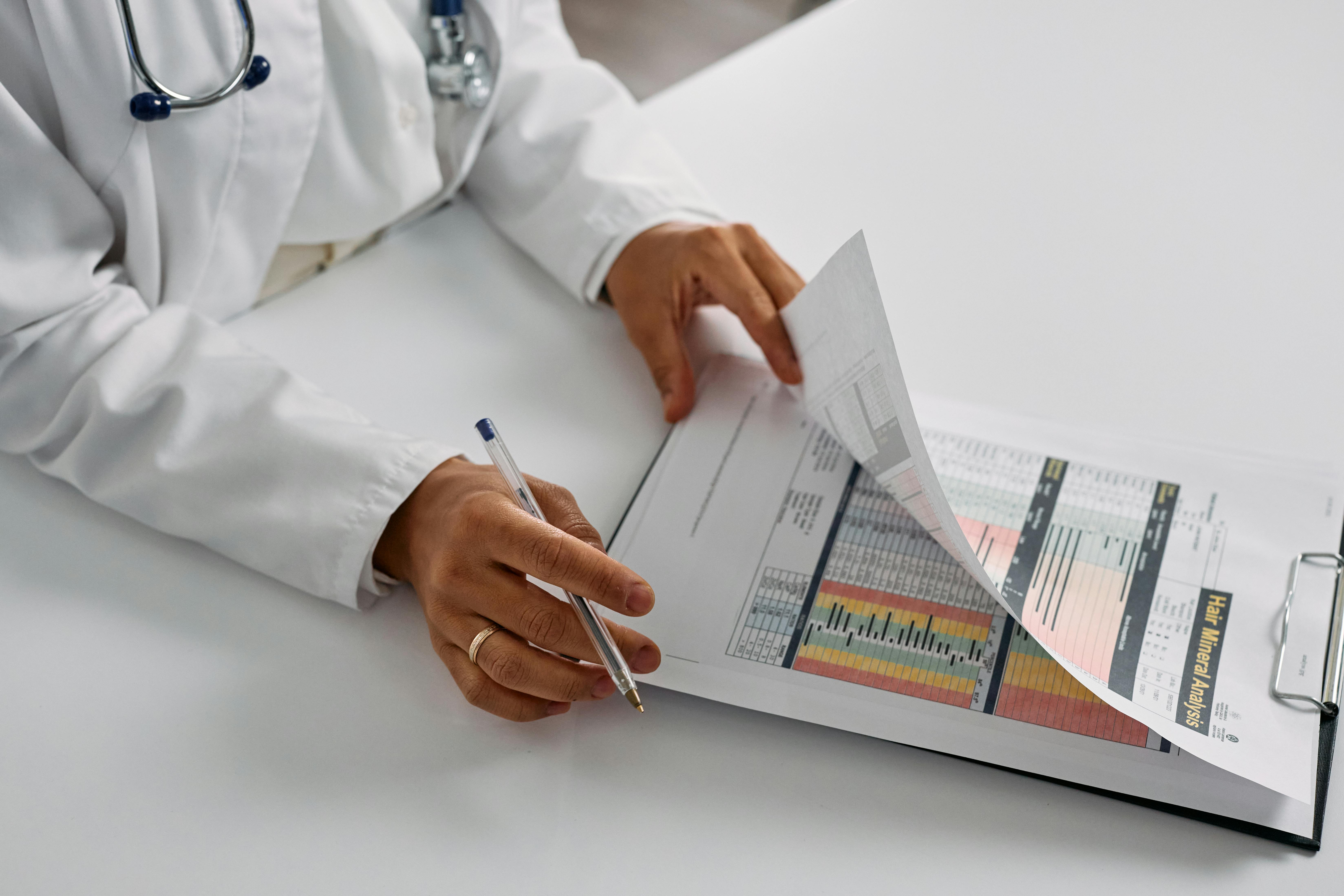
Scientific and clinical teams increasingly model the body as a coupled system of brain, gut, immune organs, and resident microbes, rather than as isolated parts. This systems-biology perspective underpins many of the most exciting discoveries in neurogastroenterology.
Mission Overview: What Is the Gut–Brain Axis?
The “mission” of gut–brain axis research is to map a bidirectional communication network between the central nervous system (CNS) and the gastrointestinal (GI) tract and to determine when, where, and how microbes participate in that network. Conceptually, the gut–brain axis integrates four major components:
- Neural pathways – especially the vagus nerve and enteric nervous system (ENS).
- Endocrine (hormonal) signaling – e.g., cortisol, gut hormones like GLP‑1, PYY, ghrelin.
- Immune signaling – cytokines, chemokines, and microglial activation in the brain.
- Microbial metabolites – such as short‑chain fatty acids (SCFAs), tryptophan metabolites, bile‑acid derivatives, and microbial neurotransmitters.
These channels form feedback loops. Signals from the brain (stress, emotion, circadian rhythms) alter gut motility, secretion, and barrier integrity, which in turn reshape the microbial ecosystem. Microbial products then influence inflammation, neuroendocrine function, and synaptic plasticity.
“The microbiome is not an optional accessory; it is an integral part of the neuroendocrine network that maintains homeostasis.” — Emeran Mayer, MD, neurogastroenterologist
Technology: How We Study the Microbiome–Brain Connection
The modern understanding of the gut–brain axis is driven by multi‑omics technologies, advanced imaging, and computational modeling. Researchers no longer rely solely on culture‑based microbiology; instead, they profile entire communities and their biochemical output.
1. Sequencing and Microbiome Profiling
- 16S rRNA gene sequencing to identify bacterial taxa and estimate diversity.
- Shotgun metagenomic sequencing to capture microbial genes and pathways at high resolution.
- Metatranscriptomics to see which microbial genes are actively expressed under different conditions.
These methods yield compositional data: which species are present and what they are genetically capable of doing. Associations between specific microbial signatures and mental health phenotypes (e.g., depression scores, cognitive tests) are now routinely reported.
2. Metabolomics and Neuroactive Compounds
Metabolomics platforms (liquid chromatography–mass spectrometry, NMR) quantify hundreds to thousands of small molecules in stool, blood, and cerebrospinal fluid:
- Short-chain fatty acids (SCFAs) like butyrate, propionate, acetate, which modulate inflammation, blood–brain barrier integrity, and microglial function.
- Tryptophan metabolites channeled into serotonin, kynurenine, and indole pathways, all of which influence mood and neurotoxicity.
- Secondary bile acids that interact with receptors such as FXR and TGR5, influencing metabolism and neuroinflammation.
When these biochemical fingerprints are paired with brain imaging or electrophysiology, researchers can connect gut-derived molecules to neural outcomes.
3. Gnotobiotic Animals and Causal Tests
Germ‑free mice (raised without microbes) and gnotobiotic mice (colonized with defined microbial communities) are central tools:
- Compare behavior and brain development in germ‑free vs. conventional mice.
- Transplant microbiota from humans with a given condition (e.g., major depression) into germ‑free mice.
- Assess changes in anxiety‑like behavior, stress reactivity, synaptic proteins, and neuroinflammation.
Several landmark studies have shown that transferring microbiota from depressed patients can induce depression‑like phenotypes in rodents, suggesting that microbial communities carry at least part of the risk profile.
4. Human Neuroimaging and Digital Phenotyping
In parallel, human cohort studies combine:
- fMRI and PET to track connectivity and neuroinflammation.
- Continuous digital phenotyping through smartphones and wearables to quantify sleep, activity, and mood.
- Dietary, stool, and blood sampling for integrated microbiome and metabolome analysis.
These rich datasets feed machine‑learning models that attempt to map microbiome states to mental health trajectories.
Scientific Significance: Why the Gut–Brain Axis Matters
The gut–brain axis is scientifically important because it challenges brain‑centric views of psychiatric and neurological disease and embeds the CNS within a larger neuroimmune‑metabolic network.
Mood, Anxiety, and Stress Response
Multiple human studies now link microbiome composition to:
- Depression severity – lower abundance of butyrate‑producing bacteria (e.g., Faecalibacterium) often tracks with higher symptom scores.
- Generalized anxiety – altered gut microbial diversity and SCFA profiles have been observed in anxious vs. non‑anxious individuals.
- Stress resilience – the microbiome influences hypothalamic–pituitary–adrenal (HPA) axis regulation and cortisol dynamics.
“We are moving away from a purely neurotransmitter-centric model of depression toward a model that integrates immune status, metabolism, and microbial ecology.” — John F. Cryan, PhD
Neurodevelopmental Disorders
Autism spectrum disorder (ASD) is strongly influenced by genetics, but GI symptoms and microbiome differences are common in autistic individuals. Studies report:
- Distinct microbial community patterns associated with ASD severity and GI distress.
- Experimental evidence that microbiota from children with ASD can alter social behavior in mice.
Importantly, the field is cautious: microbiome differences may partly reflect restricted diets and sensory preferences rather than being causal.
Neurodegenerative Disease
Parkinson’s disease (PD) and Alzheimer’s disease (AD) are long‑latency disorders with complex etiologies. The gut–brain axis is relevant here because:
- Alpha‑synuclein aggregates may originate in the gut and migrate along the vagus nerve in a subset of PD cases.
- PD patients often show GI dysfunction and altered microbiomes years before motor symptoms.
- Chronic systemic inflammation and metabolic dysregulation—shaped by the gut—are risk factors for cognitive decline and AD.
While no microbiome‑based therapy can yet stop these diseases, the gut may offer novel biomarkers and adjunctive treatment pathways.
Psychobiotics and Emerging Interventions
The term psychobiotics refers to live organisms (probiotics), prebiotics (microbiome‑feeding fibers), or other interventions that, when ingested in adequate amounts, yield mental health benefits. The category also includes diet patterns and, in tightly controlled contexts, fecal microbiota transplantation (FMT).
Dietary Patterns and Whole‑Food Strategies
Large epidemiological and interventional studies converge on a few principles:
- Diverse, fiber‑rich diets (vegetables, fruits, whole grains, legumes, nuts) support microbial diversity and SCFA production.
- Fermented foods (yogurt with live cultures, kefir, kimchi, sauerkraut, tempeh) may introduce beneficial microbes and metabolites.
- Ultra‑processed foods and high added sugar are associated with lower microbial diversity and higher inflammatory markers.
The SMILES trial and similar studies suggest that Mediterranean‑style diets can reduce depressive symptoms in some individuals, possibly via improved microbiome, metabolic, and inflammatory profiles.
Probiotics and Prebiotics
Specific probiotic strains have demonstrated modest but measurable effects on stress, anxiety, and mood in controlled trials. Examples include:
- Lactobacillus rhamnosus strains that modulate GABA receptor expression and stress behavior in animals.
- Bifidobacterium longum strains that have shown anxiolytic effects in small human RCTs.
For educated consumers and clinicians, quality and strain specificity matter more than marketing. Multi‑strain formulations with clinical data behind them are generally preferable to generic “gut health” blends.
If you are exploring probiotic options, look for evidence‑backed formulations. For example, products like Culturelle Daily Probiotic and Align Probiotic Supplement have been evaluated in digestive health contexts; while not psychiatric drugs, they illustrate the type of strain‑specific evidence base to look for.
Fecal Microbiota Transplantation (FMT)
FMT—transferring stool from a screened donor to a patient—is an approved treatment for recurrent Clostridioides difficile infection and is being studied experimentally in:
- Autism (for GI and behavioral symptoms)
- Depression and anxiety disorders
- Parkinson’s disease and multiple sclerosis
Early results are intriguing but mixed; safety, donor selection, and long‑term consequences are active areas of research. FMT for mental or neurological conditions should currently be considered experimental and only undertaken in regulated clinical trials.
Gut–Brain Axis on Social Media: Signal vs. Noise
Podcasts, YouTube channels, and TikTok creators have amplified interest in the microbiome by combining personal narratives with emerging science. Long‑form interviews with scientists like Andrew Huberman, ZOE Science & Nutrition, and mind–body focused channels frequently discuss diet, circadian rhythms, and gut health in the context of mood and cognition.
Short‑form platforms like TikTok and Instagram often compress complex topics into 30‑second clips, which can:
- Increase awareness that mental health is systemic, not purely “in the head.”
- But also oversell claims like “heal your gut, cure your depression in 7 days.”
As a rule of thumb:
- Be skeptical of any claim promising rapid, universal mental health transformations from single supplements.
- Prioritize content that cites peer‑reviewed research and acknowledges uncertainty.
- Cross‑check with reputable sources like NIMH, Nature Microbiome collections, or Neuron.
Inside the Lab: Microbiome and Brain Research
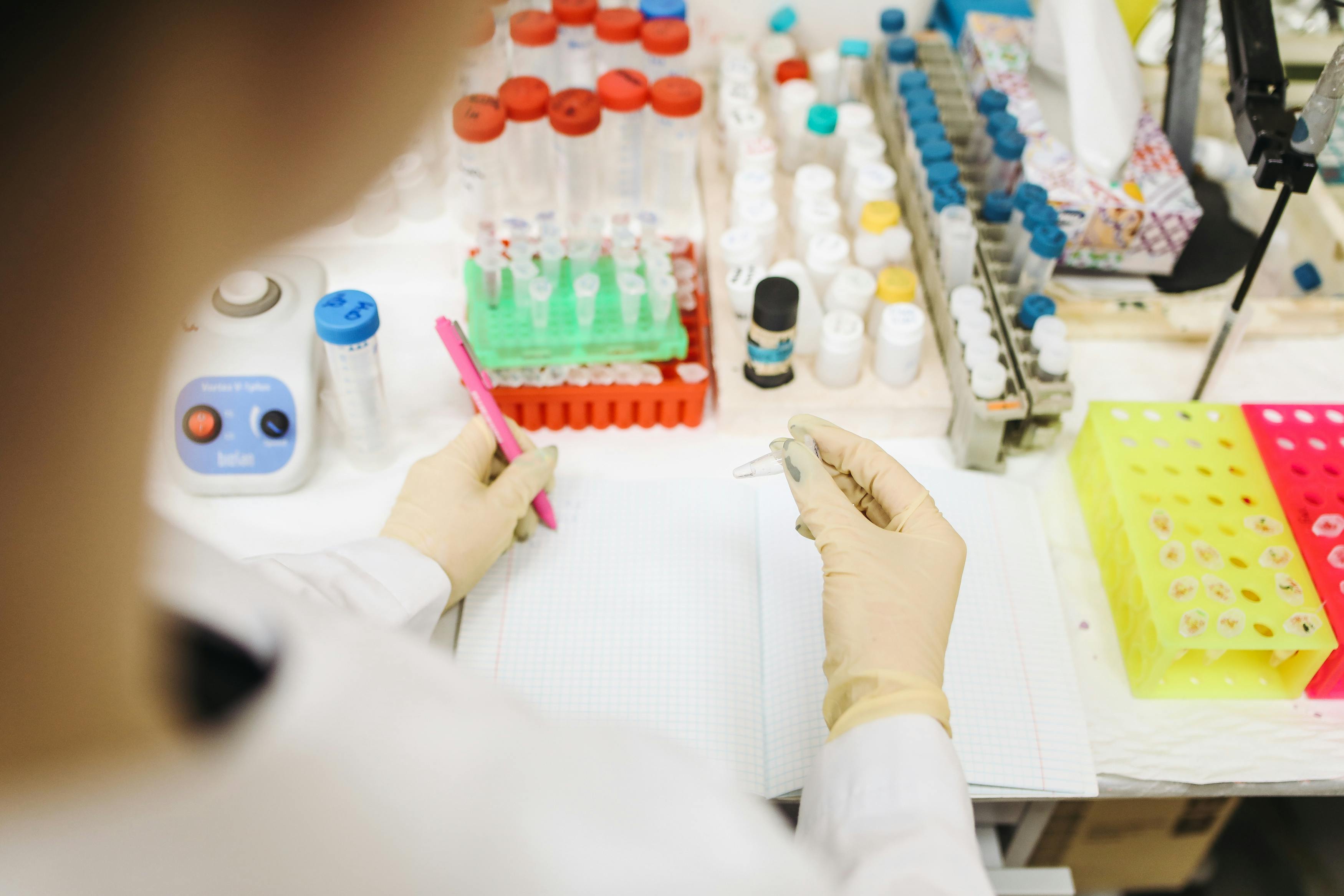
In practice, gut–brain axis research is highly interdisciplinary. Neurobiologists, microbiologists, immunologists, computational scientists, and clinicians collaborate to turn high‑dimensional data into mechanistic insights and potential therapies.
Milestones: Key Discoveries in the Gut–Brain Story
Over roughly two decades, a series of pivotal findings have defined the field:
- Germ‑free mice and altered behavior (early 2000s–2010s)
Germ‑free mice show exaggerated stress responses, altered anxiety‑like behavior, and differences in brain development that can be partly normalized by microbial colonization early in life. - Microbiota from depressed humans induce depressive phenotypes in rodents (2010s)
Transferring gut microbiota from patients with major depressive disorder into germ‑free animals can induce depression‑like behaviors, pointing toward transferable biochemical signals. - Microbiome signatures in neurodegenerative disease (late 2010s–2020s)
Consistent microbial changes have been reported in Parkinson’s and Alzheimer’s cohorts, with some evidence that different taxa track with motor severity or cognitive decline. - Dietary intervention trials for depression (2017 onward)
Randomized controlled trials like SMILES show that structured dietary change can significantly reduce depressive symptoms for a subset of participants. - Multi‑omics and systems models (2020s)
Integrated analyses of microbiome, metabolome, epigenome, and neuroimaging data are now revealing detailed pathways connecting gut ecology to brain endpoints.
Challenges: Where the Evidence Is Still Thin
Despite intense interest, the gut–brain axis is not a solved problem. Several challenges complicate both research and translation to everyday practice.
1. Correlation vs. Causation
Many human studies are observational. People with depression often sleep less, exercise less, and eat differently than non‑depressed controls—all of which can independently alter the microbiome. Untangling these interacting variables requires:
- Randomized, controlled intervention trials.
- Longitudinal designs that track individuals over time.
- Careful control for diet, medications, and comorbidities.
2. Individual Variability
No single “healthy microbiome” profile exists. Two people can have very different microbial communities that both support health. This makes:
- Personalized responses to diet and probiotics the norm, not the exception.
- One‑size‑fits‑all recommendations difficult.
3. Reproducibility and Standardization
Different labs use different sequencing platforms, reference databases, and statistical pipelines. Small sample sizes and batch effects can inflate false positives. The field is moving toward:
- Standardized protocols and quality‑control pipelines.
- Pre‑registered trials and data sharing.
- Consortium‑scale projects that replicate findings across populations.
4. Commercial Overreach
The popularity of the gut–brain axis has fueled a wave of tests and supplements with varying evidence:
- Direct‑to‑consumer microbiome tests can provide interesting snapshots but rarely offer clinically validated, actionable insight for mental health.
- “Brain‑boosting” probiotic blends may not contain strains doses, or trial data needed to support their claims.
Consumers and clinicians should look for peer‑reviewed evidence, transparent labeling, and realistic messaging.
Practical Steps: Supporting Gut and Brain Health Now
Even as research evolves, several evidence‑aligned strategies can help support both gut and brain health. These are not substitutes for medical or psychiatric care, but they can complement standard treatment.
1. Feed a Diverse Microbiome
- Aim for a wide variety of plant foods each week (30+ unique plants is a common target in microbiome research communities).
- Choose minimally processed sources of fiber: beans, lentils, oats, quinoa, barley, nuts, seeds, and colorful vegetables.
- Include fermented foods when tolerated.
For those who struggle to meet fiber needs through diet alone, some clinicians use supplemental fibers such as psyllium or partially hydrolyzed guar gum. Products like Metamucil Psyllium Fiber are widely used for GI health, though mental health benefits are still under investigation.
2. Support Circadian Rhythms
Gut microbes exhibit circadian patterns and respond to feeding schedules, sleep timing, and light exposure. To stabilize gut–brain signaling:
- Keep consistent sleep and wake times.
- Anchor your day with morning daylight exposure.
- Avoid very late, large meals when possible.
3. Manage Stress with Evidence‑Based Tools
Chronic stress can alter gut permeability, immune function, and microbiome composition. Techniques such as:
- Mindfulness‑based stress reduction (MBSR)
- Regular physical activity (even brisk walking)
- Cognitive behavioral therapy (CBT)
have independent benefits for mental health and likely interact with gut physiology.
4. Use Supplements Thoughtfully
For individuals who choose to try psychobiotic‑style supplements:
- Discuss options with a healthcare professional, especially if you have chronic conditions or take medications.
- Look for products that specify strains and doses, with published trial data when possible.
- Monitor mood, sleep, GI symptoms, and any side effects over several weeks.
Brain, Microbes, and Lifestyle in Context
The emerging consensus is that mental and neurological health cannot be reduced to brain tissue alone; it arises from networks spanning the gut, immune system, endocrine system, environment, and behavior.
Conclusion: A Systems View of Mental and Neurological Health
The gut–brain axis is more than a buzzword. It encapsulates a genuine shift toward systems biology, where mood, cognition, and neurodegeneration are seen as emergent properties of brain–body–microbe interactions. The microbiome is a crucial node in this network, influencing inflammation, metabolism, and neurochemistry, but it is not a master switch that can be flipped with a single probiotic capsule or “gut reset.”
For clinicians, the challenge is to integrate microbiome science into holistic treatment plans without overselling what is still emerging. For individuals, the opportunity lies in aligning everyday behaviors—diet, sleep, stress management—with the biology of gut and brain health, while using social media and commercial offerings judiciously and skeptically.
Over the next decade, more rigorous trials, standardized methods, and mechanistic work will clarify which gut‑targeted interventions can reliably improve mental and neurological outcomes, for whom, and under what conditions. Until then, focusing on sustainable, evidence‑aligned lifestyle changes and partnering with qualified health professionals remains the most grounded way to harness the gut–brain connection.
Additional Resources and Further Reading
To explore the gut–brain axis and microbiome science in more depth, these resources offer high‑quality, regularly updated information:
- Cryan & Dinan (2012), “Mind–altering microorganisms: the impact of the gut microbiota on brain and behaviour”
- Mayer et al. (2015), “Gut/brain axis and the microbiota”
- Sampson & Mazmanian (2015), “Control of brain development, function, and behavior by the microbiome”
- Dash et al. (2019), “The gut microbiome and diet in psychiatry”
- Educational YouTube lecture on the microbiome and brain health (university-level overview)
For practitioners and researchers, monitoring preprints on bioRxiv and medRxiv, as well as updates from professional societies like the International Scientific Association for Probiotics and Prebiotics (ISAPP), can help you stay current with rapidly evolving evidence.
References / Sources
Selected references for further verification and in‑depth study:
- https://www.nature.com/articles/nrn3071
- https://www.cell.com/neuron/fulltext/S0896-6273(15)01048-6
- https://www.nature.com/articles/s41380-021-01182-3
- https://www.nature.com/articles/s41582-021-00501-5
- https://www.nimh.nih.gov
- https://www.frontiersin.org/articles/10.3389/fpsyt.2017.00084/full
- https://www.science.org/doi/10.1126/science.aac8463
