
How South Carolina Stopped America’s Worst Measles Outbreak in 35 Years—and What It Means for Your Family
South Carolina’s measles outbreak — the worst the United States has seen in more than 35 years and one that sickened nearly 1,000 people — has officially been declared over by state health officials. For many parents, teachers, and caregivers, the last several months have been a mix of worry, confusion, and difficult decisions about school, work, and vaccination.
In this article, we’ll walk through what happened in South Carolina, how public health teams brought the outbreak under control, and what this means for you and your family going forward. You’ll also find practical, evidence-based steps to reduce your own risk — without panic, blame, or unrealistic promises.
Why This Outbreak Matters to All of Us
Even if you don’t live in South Carolina, this outbreak is a wake-up call. Measles is one of the most contagious viruses we know, and outbreaks tend to spread quickly wherever vaccination coverage dips, even slightly. Understanding how this outbreak started and ended can help communities everywhere prevent the next one.
What Exactly Happened in South Carolina?
According to state health officials and national reporting, South Carolina experienced the largest measles outbreak in the U.S. in more than three decades, with nearly 1,000 confirmed or probable cases reported over the course of the event. While exact timelines and case breakdowns are still being analyzed, a few themes have become clear.
Key Features of the Outbreak
- High total case count: Nearly 1,000 people were sickened, from young children to adults.
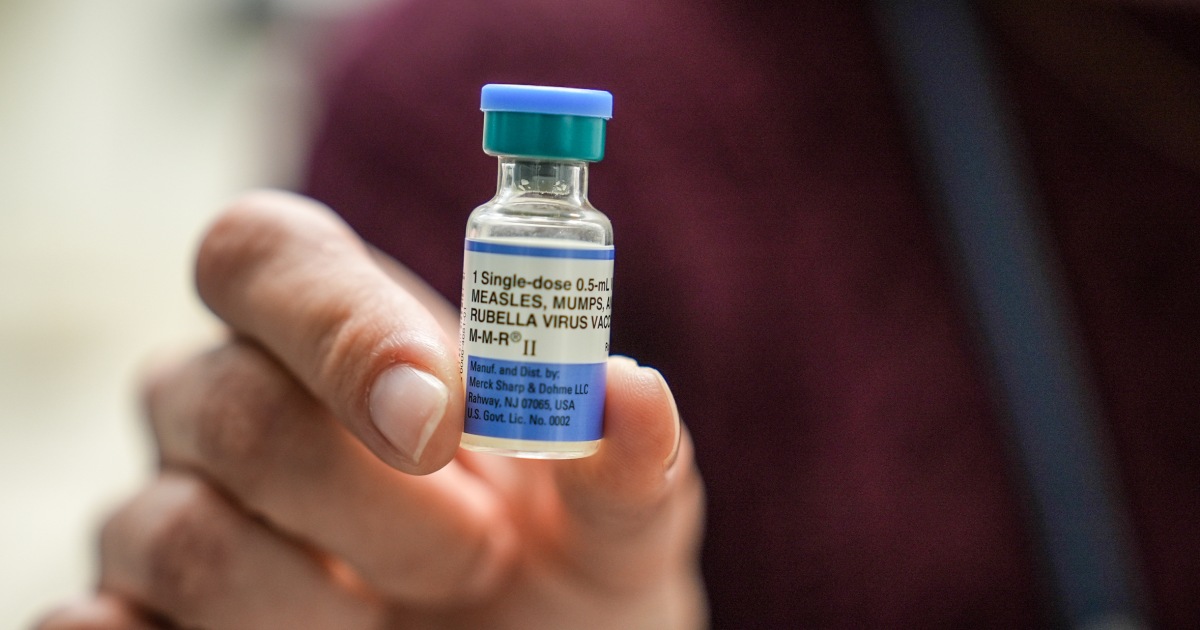
- Clusters in under‑vaccinated communities: Many cases are believed to have occurred where measles-mumps-rubella (MMR) vaccination coverage was below the recommended level.
- Strain on schools and workplaces: Exclusion policies for unvaccinated or exposed individuals led to significant disruptions in education and work.
- Hospitalizations but preventable disease: Measles can cause pneumonia, encephalitis (brain swelling), and, in rare cases, death — most of which are preventable with vaccination.
A Quick Refresher: What Is Measles and Why Is It So Contagious?
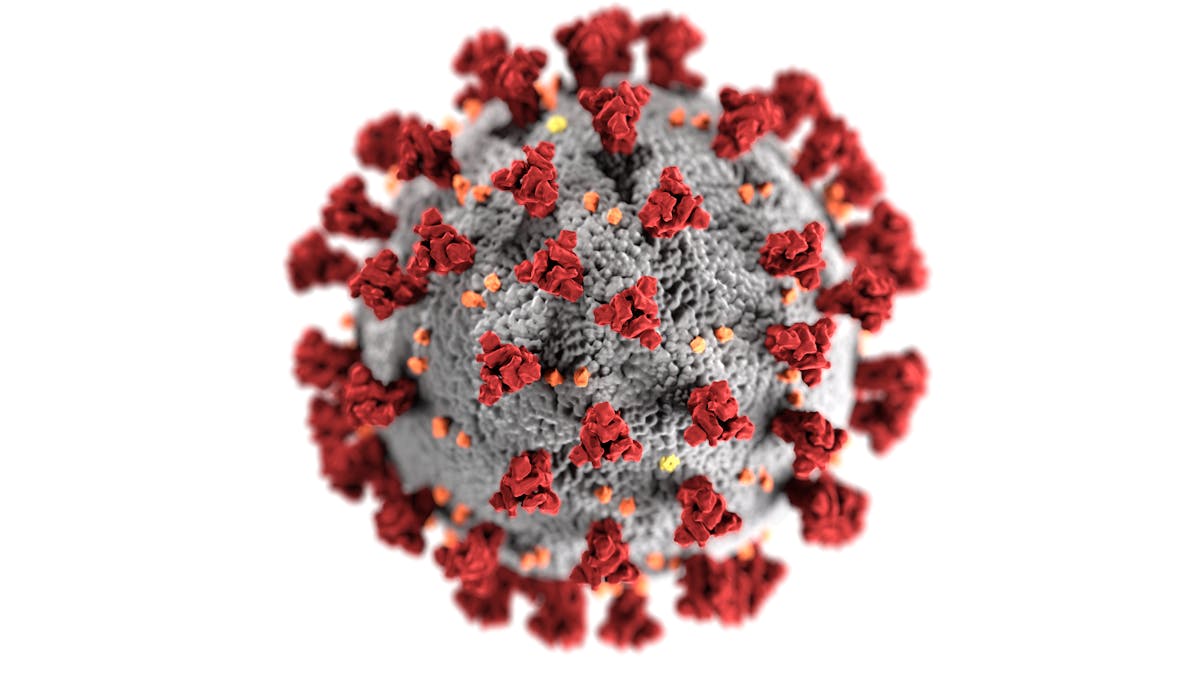
Measles is a highly contagious viral illness spread through the air when someone coughs, sneezes, or even breathes. The virus can linger in the air and on surfaces for up to two hours after an infected person leaves the area.
Common Measles Symptoms
- High fever (often 104°F / 40°C or higher)
- Cough, runny nose, and red, watery eyes
- Small white spots inside the mouth (Koplik spots)
- Red, blotchy rash that usually starts on the face and spreads downward
The virus is so infectious that, in an unvaccinated group, one person with measles can infect up to 9 out of 10 close contacts who are not immune. That’s why even a small pocket of low vaccination coverage can fuel a big outbreak.
“Measles is often dismissed as a childhood rash, but it remains one of the most contagious and potentially severe infections we deal with. Outbreaks like South Carolina’s are a reminder that when vaccination rates slip, measles is ready to return.”
— Infectious disease pediatrician, commenting on recent U.S. outbreaks
How the Outbreak Was Brought Under Control
Ending an outbreak of this size doesn’t happen by accident. It takes coordinated work from state and local health departments, clinics, schools, and community leaders. While details continue to emerge, several standard public health strategies were likely central in South Carolina’s response.
Core Outbreak-Control Strategies
- Rapid case identification: Clinicians were encouraged to recognize measles symptoms quickly, confirm diagnosis with lab testing, and report cases promptly.
- Contact tracing: Health officials worked to identify people who had close contact with each case — at home, school, work, and in healthcare settings.
- Post-exposure measures: Unvaccinated contacts were offered timely MMR vaccination or immune globulin (where indicated) to reduce severity and further spread.
- School and childcare policies: Children and staff lacking proof of immunity were often required to stay home during their risk period after exposure.
- Community vaccination clinics: Extra walk-in and pop-up clinics made it easier for families to catch up on missed doses.
- Clear public communication: Press briefings, local media coverage, and online updates helped residents understand risk and next steps.
A Family’s Perspective: “We Didn’t Think Measles Was Still a Thing”
During a similar regional outbreak a few years ago, I spoke with a mother whose 7-year-old developed measles after exposure at a community event. She wasn’t opposed to vaccines, but life had been hectic: a new job, a new baby, transportation issues. Her son had missed his second MMR dose.
When he became ill, he developed a high fever, coughed until he vomited, and was hospitalized for observation due to breathing difficulty. He recovered fully — but the experience was a shock.
“I honestly thought measles was from my parents’ generation,” she told me later. “We weren’t against the shot; we just kept putting it off. I had no idea it could get this serious so fast.”
Her story mirrors what many families in South Carolina likely felt: not defiance, but a mix of competing priorities, patchy information, and a sense that diseases like measles were “in the past.” Outbreaks expose those quiet gaps.

Herd Immunity: Why High Vaccination Rates Protect Everyone
To stop measles from spreading in a community, public health experts estimate that about 95% of people need to be immune — usually through vaccination. This creates what’s called herd immunity, where even those who can’t be vaccinated (such as some infants or people with certain immune conditions) are protected because the virus has nowhere to go.
Who Depends Most on Community Protection?
- Babies too young to receive their first MMR dose
- People with severe immune compromise (e.g., certain cancers, transplant patients)
- Pregnant people who lack immunity
- Those with valid medical exemptions to vaccination
When vaccination rates dip below that 95% threshold in a school, neighborhood, or county, measles can spread quickly — even if overall state coverage looks “good” on paper. Outbreaks usually reveal these local weak spots.

Practical Steps to Protect Your Family After the Outbreak
With the outbreak officially declared over, it’s tempting to move on and not look back. But this is the best time to quietly shore up your family’s protection — while you’re not in the middle of a crisis.
1. Check Your Vaccination Records
- Look for documentation of two doses of MMR for school-aged children and most adults born in or after 1957.
- If you’re unsure, your clinic or state immunization registry may be able to help reconstruct records.
- If records are unavailable, your clinician may recommend vaccination rather than extra blood tests; an additional MMR dose is generally safe for most people who can receive it.
2. Ask Your Clinician Thoughtful Questions
If you have hesitations or a complex medical history, bring those concerns directly to your healthcare provider. Helpful questions might include:
- “Given my medical conditions, is MMR recommended for me?”
- “What side effects should I realistically watch for after vaccination?”
- “How does my personal risk compare if I get vaccinated versus if I skip it?”
3. Make Catch-Up Plans, Not Perfection Goals
Life is messy. Kids miss appointments; adults change jobs and insurance. Instead of feeling guilty about past delays, focus on what you can do in the next month:
- Identify which vaccines you or your children are missing.
- Schedule one catch-up visit (in person or via telehealth first, if available).
- Set reminders in your calendar for upcoming doses.
Common Obstacles — and Compassionate Ways Through Them
If you’ve struggled with vaccination decisions or logistics, you’re far from alone. Public health surveys consistently show that barriers are often practical and emotional, not just about beliefs.
Time, Transportation, and Cost
- What gets in the way: Long work hours, lack of childcare, limited transportation, or confusion about insurance coverage.
- Possible supports: Ask clinics about walk-in hours, mobile clinics, school-based vaccination days, or sliding-scale / no-cost programs (often funded by state or federal grants).
Misinformation and Conflicting Advice
- What gets in the way: Viral social media posts, friends’ stories, or websites that sound scientific but selectively present data.
- Possible supports: Compare what you read against trusted sources such as:
Fear of Side Effects
It’s human to focus on the immediate, visible risks (a sore arm, rare reactions) and discount the serious but less visible risks of the disease itself. Evidence from decades of research strongly supports the safety and effectiveness of MMR, but that doesn’t mean your fears are “silly” or should be dismissed.
When you talk with a clinician, let them know specifically what you’re worried about. Vague reassurances help less than a clear, balanced discussion tailored to your health history.
What the Science Says About Measles and MMR
Decades of research from around the world support three key points:
- MMR is highly effective. Two doses are about 97% effective at preventing measles infection, according to the U.S. Centers for Disease Control and Prevention (CDC).
- Serious side effects are rare. Most people experience only mild issues like fever or soreness. Severe allergic reactions are very rare, and clinicians are trained to respond quickly.
- No credible evidence links MMR to autism. Large studies in multiple countries, involving hundreds of thousands of children, have consistently found no link between MMR vaccination and autism spectrum disorders.
What Communities Can Learn from South Carolina
While every outbreak has unique features, several broader lessons stand out from South Carolina’s experience that can help other states and communities prepare.
- Early warning systems matter: Strong disease surveillance and rapid reporting help catch outbreaks before they explode.
- Transparent communication builds trust: Sharing what is known, what is uncertain, and what is being done reassures the public more than minimizing the problem.
- Partnerships are crucial: Schools, faith communities, local businesses, and healthcare providers all play a role in sharing accurate information and supporting access to care.
- Support for vulnerable groups is essential: Outbreak plans need to include strategies for uninsured families, rural communities, and those facing language or technology barriers.
Moving Forward: Calm, Informed, and Prepared
South Carolina’s measles outbreak being declared over is genuinely good news. It reflects thousands of hours of behind-the-scenes work by public health teams, clinicians, school staff, and families who adapted quickly in a stressful situation.
At the same time, this outbreak is a reminder that measles is still very much with us — waiting for opportunities when our collective guard is down. Instead of responding with fear or blame, we can respond with preparation:
- Know your family’s vaccination status and fill in any gaps.
- Use trusted, science-based sources when questions arise.
- Support neighbors, friends, and community members who may face practical barriers to getting care.
If this outbreak has stirred up questions for you, consider making one concrete move this week: schedule a check-in with your clinician, look up your records, or share a reliable measles resource with someone you care about. Small, steady actions like these are how communities quietly prevent the next big headline.
