
How Queen Elizabeth II Became Britain’s Unlikely Style Icon
Marking the late Queen Elizabeth II’s centenary, Britain is celebrating her not just as its longest-reigning monarch but as an enduring style icon, with a new Buckingham Palace exhibition unpacking how her bold coats, hats, and even clear plastic raincoats became part of the nation’s visual identity and soft power.
The Queen Who Had to Be Seen: Elizabeth II’s Century of Style
“The Queen’s Style in 100 Years” Centenary Exhibitions & Legacy
As London marks what would have been Queen Elizabeth II’s 100th birthday, her wardrobe is taking center stage. From neon coat dresses to that now-famous transparent raincoat currently on display at Buckingham Palace, Britain is reframing its late monarch as a carefully constructed visual brand — one that blended duty, diplomacy, and a surprisingly sharp sense of fashion strategy.
“To Be Seen to Be Believed”: Visibility as Royal Dress Code
Queen Elizabeth II’s famous maxim — that a monarch must be seen to be believed — wasn’t just a line; it was the thesis statement of her wardrobe. Her clothing functioned like a high‑visibility jacket for the crown: practical, symbolic, and impossible to miss in a crowd of thousands.
The centenary exhibition at Buckingham Palace, drawing on around 300 garments from the Royal Collection, leans into this idea. One of its most-talked-about pieces is a deceptively humble item: a clear plastic raincoat, tailored to fit over her signature coat-and-hat ensembles. It let her stay dry in classic British drizzle without sacrificing the main rule of her public life — never disappear in the rain.
“The Queen believed that if she stepped out of a car and people had waited for hours in the cold or the rain to see her, they deserved more than the back of her umbrella.”
That philosophy explains the electric yellows, sharp fuchsias, and robin’s-egg blues. These weren’t whims of a maximalist dresser; they were tools of crowd management and emotional reassurance. In a stadium, on a balcony, or in a sea of camera phones, you could always locate the monarch — a moving punctuation mark in a national sentence.
Inside the Buckingham Palace Exhibition: 300 Garments, One Narrative
The Buckingham Palace exhibit — part historical archive, part cultural runway — gathers around 300 garments linked to key moments of the Queen’s reign. Visitors trace a visual arc from postwar austerity to digital-age diplomacy, following the evolution of hemlines, hats, and the monarchy’s relationship with the media.
- The meticulously embroidered gowns from early Commonwealth tours.
- Day dresses designed for walkabouts, calibrated to read clearly in press photos and, later, HD broadcast.
- Evening statewear, where jewellery and tiaras carry as much diplomatic messaging as the fabrics.
- Weather-proofed pieces, including the now-iconic clear raincoat that lets the underlying look do the talking.

The curatorial through-line is consistency. While fashion outside veered from punk to power suits to streetwear, the Queen’s silhouette shifted slowly, if at all. The drama came instead from texture and detail: beading that referenced host nations, floral motifs nodding to Commonwealth emblems, and a colour palette chosen to mean something specific in each context.
The Silent Language of Colour, Coats, and Hats
Elizabeth II’s style was less about trends and more about codes. If you read her wardrobe like a script, certain themes keep repeating.
- Colour as signal: Bright hues telegraphed optimism and stability during crises. Pastels softened big political moments. Darker tones underlined solemnity at memorials and Remembrance events.
- The uniform of the coat-dress: A structured coat over a matching dress offered clean lines, warmth, and uninterrupted colour — ideal for everything from church services to public walkabouts.
- Hats as architecture: Bespoke hats framed her face for cameras and ensured she was visible in crowds without blocking views for those standing behind her. They were also a polite nod to traditional British formalwear.
- Handbags as choreography: Not just accessories, her Launer handbags were famously used as subtle signals to staff — a tactical piece of stagecraft in leather form.
“Her style was not fashionable, but it was always right,” one London fashion editor observed, noting that the Queen “treated clothes like part of the national infrastructure.”
From Matronly to Memeable: How the Fashion World Caught Up
For decades, fashion critics were politely dismissive, filing the Queen under “sensible,” “matronly,” or “unchanging.” Yet in her later years, those same traits were reframed as virtues. In a fashion cycle chasing novelty, her consistency and unapologetic colour-blocking suddenly read as modern.
By the 2010s, style writers were calling her the original normcore icon. Luxury brands referenced her in campaigns, streetwear labels channelled her headscarf-and-sunglasses off-duty look, and social media turned her neon outfits into mood boards.
Industry insiders also point out the Queen’s quiet support for British design. She wore local labels, championed heritage textiles, and in 2018 even sat front row at London Fashion Week — a surreal cultural crossover moment between couture and constitutional monarchy.
Fashion Diplomacy: Dressing for the Commonwealth and the Cameras
Many of the exhibition’s most interesting pieces are those worn on state visits and Commonwealth tours. These outfits turn the Queen into a kind of walking infographic: subtle references to host countries blended with the visual grammar of monarchy.
- Embroidered motifs representing national flowers or emblems of the country being visited.
- Colour choices echoing flags — not cosplay, but quiet diplomatic flattery.
- Fabrics sourced from local mills, spotlighting regional industries and artisans.
In an age when every appearance was instantly photographed, clipped, and circulated globally, these details mattered. They were soft-power gestures, delivered in silk and wool instead of speech notes.
As one royal historian put it, “Her clothes spoke when protocol demanded that she didn’t.”
Legacy and Critique: What “Icon” Really Means Here
Calling Queen Elizabeth II a “style icon” can feel a bit misleading if your benchmark is Rihanna at the Met Gala. Her legacy isn’t about disruption or trendsetting. It’s about how clothing can carry the weight of an institution — and how a person can retain some personality inside a uniform of state.
There are fair critiques. The constancy of her image reinforced a certain vision of Britain: ceremonial, hierarchical, and steeped in pageantry. For those questioning the role of monarchy, that visual continuity can feel less like comfort and more like resistance to change.
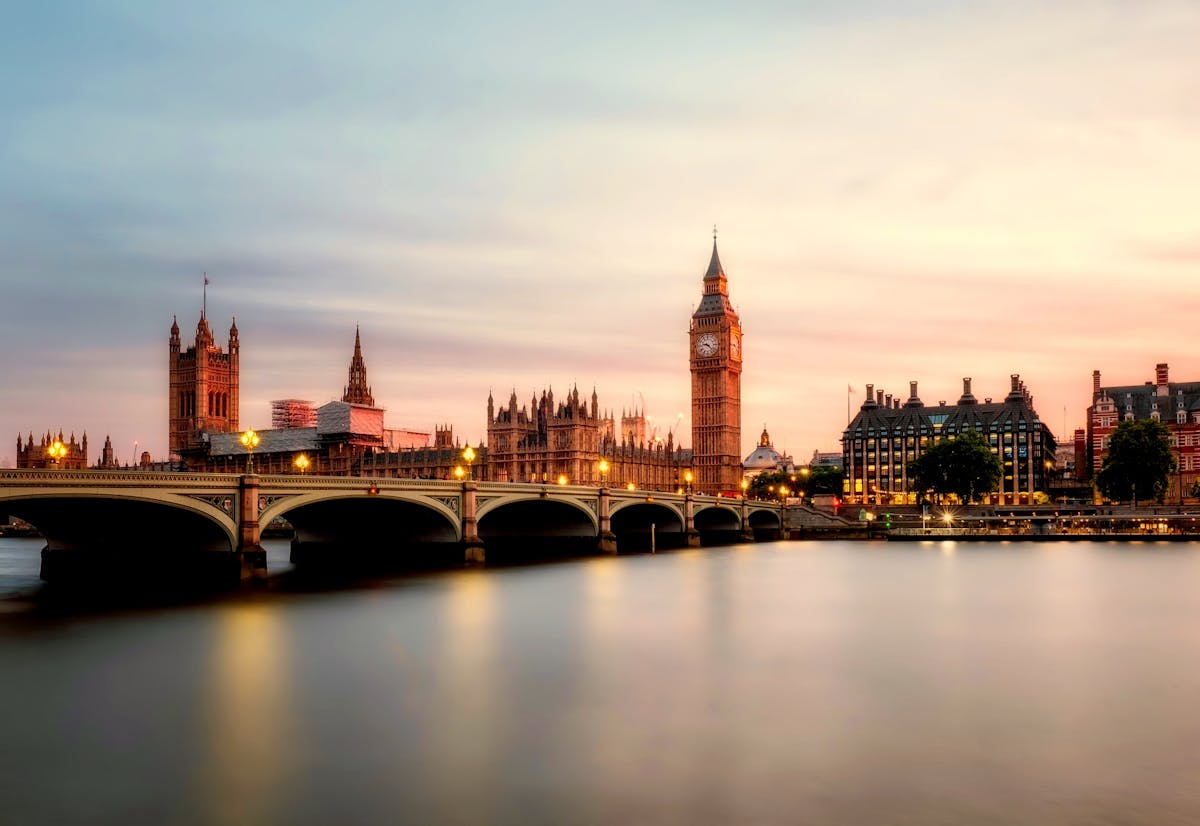
Yet the centenary celebrations underline how deeply her image has seeped into British cultural memory. For many, remembering her means remembering specific looks: the lime-green outfit from her 90th birthday, the black mourning ensembles at key funerals, the headscarves in the Scottish countryside. Clothes become bookmarks in a national story.
After Elizabeth: What Royal Style Looks Like Now
As Britain recalibrates under King Charles III and a new generation of royals, the question isn’t who will copy Elizabeth II’s style — no one can — but which lessons will endure. The emphasis on visibility, respect for local cultures, and a certain visual modesty is likely to stay. The ironclad refusal to chase trends may not.
What the centenary exhibitions make clear is that Elizabeth II treated fashion less as self-expression and more as public service. Whether you admire or critique the institution she represented, the clothes themselves tell a fascinating story about how image, politics, and personality collide.
In that sense, celebrating her as a style icon isn’t about placing her on a best-dressed list. It’s about recognising that for seventy years, one woman’s wardrobe helped hold together the optics of a changing nation — from black-and-white newsreels to TikTok feeds, and now, to glass cases in Buckingham Palace.
Review Snapshot
Staff Writer – Culture & Style
Updated: 11 April 2026
Rating: 4.5/5 – A thoughtful, visually rich tribute that treats the Queen’s wardrobe as both cultural artefact and quiet political tool.
For more background reporting, visit the original coverage on AP News.
