
How a Nutritionist Effortlessly Eats 100g of Protein a Day With One Simple Snacking Formula
Eating enough protein to build and maintain muscle can feel daunting, especially if you're busy and don’t love cooking.
Nutritionist Rob Hobson, who also spent a decade in high-end kitchens, set himself a simple goal: 100 grams of protein a day. Instead of complicated meal plans or giant shakes, he leans on one powerful idea — a high-protein snacking formula that makes hitting his target almost automatic.
Below, we’ll break down Hobson’s approach, the science behind that 100-gram goal, and how to copy his method using everyday foods — even if you’re short on time, on a budget, or just tired of bland “healthy” snacks.
Why 100 Grams of Protein a Day Feels Hard (But Matters)
For many adults, especially those who exercise regularly, protein needs are higher than the bare minimum. Sports nutrition research often suggests:
- 1.2–2.0 grams of protein per kilogram of body weight per day for active people and those trying to build or maintain muscle.
- For a 70 kg (154 lb) person, that’s roughly 85–140 grams of protein daily.
Hitting those numbers through main meals alone can be tough. Work, family, and fatigue often push us toward quick, low-protein options like pastries, chips, or sweets.
“Most people underestimate how much protein they eat — and also how much they actually need, especially if they’re active.” — Typical observation from sports dietitians in clinical practice
Hobson’s solution is to treat snacks as protein opportunities, not just “extras” — turning what you already do (snacking) into a structured, muscle-friendly habit.
A Nutritionist’s Kitchen-First Approach
Hobson’s background in professional kitchens shapes his strategy. He doesn’t chase perfection; he focuses on flavor, simplicity, and repeatable habits. His formula helps him:
- Reach around 100 grams of protein per day consistently.
- Train about five times per week while recovering well.
- Keep snacks enjoyable enough that he actually wants to eat them.
The Simple High-Protein Snacking Formula
Hobson’s method can be summarized as:
Protein base + Flavor booster + Fiber or healthy fat
Each snack is built around a protein-rich base, then upgraded with ingredients that add taste, texture, and nutrients. The goal is usually 15–25 grams of protein per snack.
- Pick a protein base (anchor)
Examples:- Greek yogurt, skyr, or high-protein yogurt
- Cottage cheese or ricotta
- Boiled eggs
- Edamame, hummus, or tofu cubes
- Cooked chicken, turkey, tuna, or salmon
- Protein shakes or fortified plant milks
- Add a flavor booster
Think herbs, spices, sauces, or small amounts of something salty or tangy:- Fresh herbs, lemon juice, chili flakes
- Salsa, pesto, harissa, tahini
- Cinnamon, cocoa powder, vanilla for sweet snacks
- Layer in fiber or healthy fat
This boosts fullness and blood-sugar control:- Fruit, raw veggies, roasted chickpeas
- Nuts, seeds, avocado, olive oil drizzle
- Whole-grain crackers, oats, or wholegrain toast
The formula is flexible. You can tweak portions, swap ingredients, or lean more plant-based — as long as the protein anchor stays front and center.
Real-World Snack Ideas That Add Up to 100g of Protein
Here’s how a day inspired by Hobson’s approach might look, assuming you’re also getting protein from your main meals.
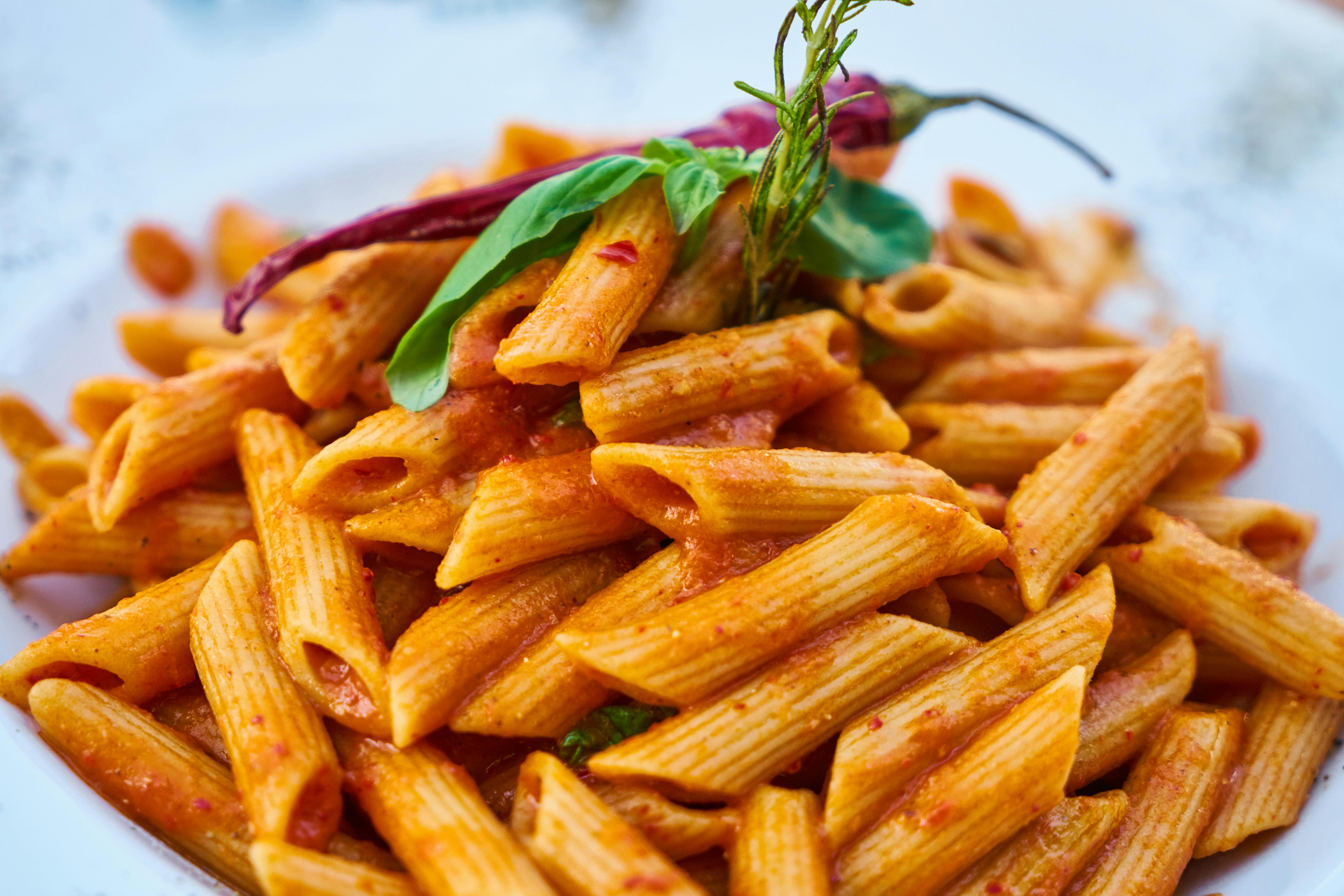
Sample day: hitting ~100g protein
- Breakfast: Scrambled eggs with a side of Greek yogurt
Approx. 25–30g protein - Mid-morning snack: Greek yogurt (200g) + berries + chia seeds
Approx. 18–20g protein - Lunch: Chicken, lentil, or tofu salad bowl
Approx. 25–30g protein - Afternoon snack: Cottage cheese (150g) with cherry tomatoes and wholegrain crackers
Approx. 15–18g protein - Post-workout or evening: Protein shake made with milk or fortified plant drink
Approx. 20–25g protein
Total: roughly 100–120 grams of protein, depending on exact portions.
How a Chef Makes High-Protein Snacks Actually Taste Good
Hobson’s chef background means he doesn’t settle for plain chicken or dry crackers. The key is to borrow simple chef tricks:
- Acid: A squeeze of lemon or splash of vinegar brightens cottage cheese, beans, or fish.
- Heat: Chili flakes or hot sauce add excitement without extra prep.
- Umami: A little Parmesan, miso, or soy sauce makes savory snacks more satisfying.
- Texture: Crunch from nuts, seeds, or crisp veg keeps snacks interesting.
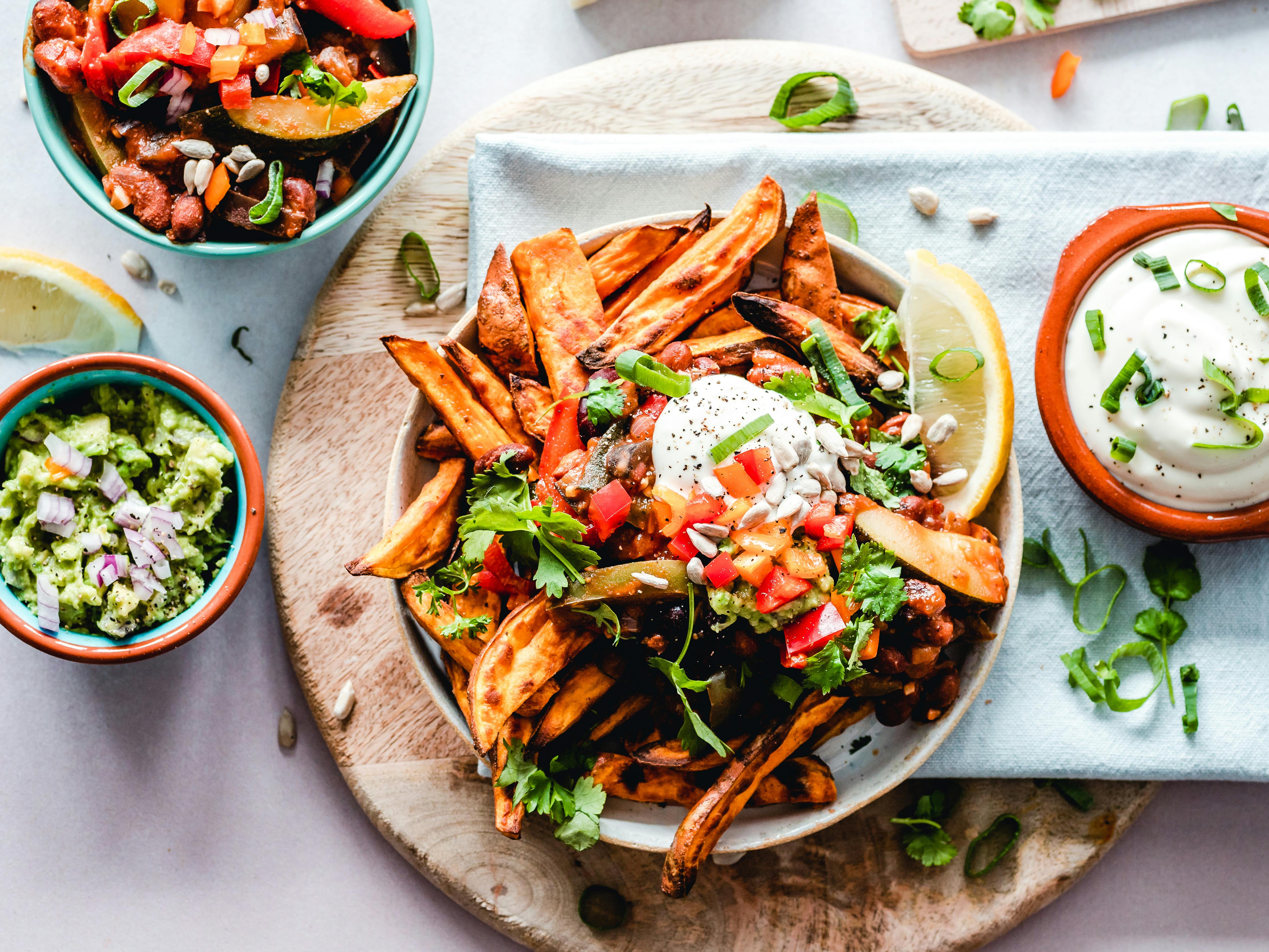
Three chef-inspired snack combos
- Spicy cottage cheese bowl
Cottage cheese + sliced cucumber + cherry tomatoes + chili flakes + olive oil + salt & pepper. - Smoky hummus & egg plate
Boiled eggs + hummus + smoked paprika + carrot sticks and wholegrain crackers. - “Dessert” yogurt
High-protein yogurt + cocoa powder + frozen berries + crushed nuts.
“If you wouldn’t be happy to serve it to a friend, you probably won’t be happy to eat it three times a week either.”
Common Obstacles — And How to Get Around Them
Even with a good formula, real life gets in the way. Here’s how to troubleshoot some frequent barriers.
1. “I don’t have time to cook”
- Choose ready-to-eat proteins: Greek yogurt, cottage cheese, canned fish, precooked lentils, rotisserie chicken, or tofu cubes.
- Use the assemble, don’t cook mindset: pair a ready protein with one or two toppings (herbs, sauce, pre-cut veg).
- Prepare 2–3 snack boxes in advance so you can grab and go.
2. “High-protein foods feel expensive”
- Lean on budget heroes: eggs, canned tuna, beans, lentils, frozen edamame, and store-brand yogurt.
- Buy larger tubs of yogurt or cottage cheese and portion them yourself.
- Use meat as a flavor accent, not the whole snack — pair with beans, grains, or veg.
3. “I get bored of the same foods”
- Keep the protein base the same, but rotate toppings, spices, and sauces.
- Create one “sweet” and one “savory” version of your favorite snack.
- Change the format: dip with veggies one day, spread on toast the next.
Adapting the Formula for Plant-Based or Vegetarian Diets
You don’t need animal products to hit a higher protein target, but you do need to be more intentional. The same formula still works: protein base + flavor + fiber/healthy fat.

Plant-based protein base ideas
- Unsweetened soy yogurt or soy skyr
- Tofu (baked, marinated, or plain cubes)
- Tempeh slices
- Roasted chickpeas or lentils
- Edamame beans
- Protein-enriched plant milks (soy, pea, or blends)
Combine these with nuts, seeds, whole grains, and plenty of vegetables to ensure you’re also getting fiber, iron, and other key nutrients.
How to Build Your Own 100g-Protein Day (Without Overthinking It)
You don’t need to hit 100 grams exactly from day one. Focus on building the habit of protein-centered snacks.
Step-by-step starter plan
- Estimate your protein needs.
A common starting point for active, generally healthy adults is around 1.2–1.6 g/kg/day. If you’re unsure, aim for gradually increasing, not perfection. - Audit your current day.
For one or two days, roughly note how much protein you’re getting at each meal and snack. This doesn’t need to be exact — just enough to see patterns. - Add 1 protein-focused snack.
Choose one daily snack to upgrade using the formula. Keep it simple and repeatable. - Level up to 2–3 snacks a day (if needed).
Once the first snack feels automatic, add another. Spread protein across the day to support muscle maintenance and appetite control. - Adjust for your body and goals.
Notice your energy, hunger, recovery from workouts, and how sustainable the routine feels. Tweak portions and foods as needed.

What the Science Says About Protein and Snacking
Current research (up to mid-2020s) generally supports a few key ideas:
- Spreading protein intake across the day (rather than just at dinner) may better support muscle protein synthesis, especially in older adults.
- Higher-protein snacks can help with fullness and appetite regulation, potentially reducing later overeating.
- For people who strength train, regularly reaching an appropriate daily protein target, combined with progressive resistance exercise, supports muscle maintenance and growth.
For more detail, see resources like:
Bringing It All Together: Make Protein Easy, Not Perfect
Hobson’s 100-gram protein routine isn’t about strict rules. It’s about making the better choice the easy choice by:
- Centering snacks on a protein base.
- Using simple chef tricks to keep them flavorful and satisfying.
- Repeating a few go-to combinations until they’re second nature.
You don’t have to match his exact numbers to benefit. Even a single upgraded snack can move you meaningfully closer to the protein intake that supports your training, muscle health, and day-to-day energy.
Your next small step:
Choose one snack today and rebuild it using the formula — protein base, flavor booster, and fiber or healthy fat. If you can repeat that tomorrow, you’re already on the path Hobson follows every day.
