
How Mixed Reality and Spatial Computing Are Escaping the VR Niche
Mixed reality (MR) and spatial computing are in the midst of a reset. Instead of chasing a “VR revolution” built solely on games, the latest wave of headsets blends augmented reality (AR), virtual reality (VR), and real‑world awareness to support everyday computing, remote collaboration, and immersive media. Tech publications like Engadget, The Verge, and TechRadar report dramatic improvements in optics, passthrough video, hand tracking, and comfort, turning headsets from short‑session gadgets into devices you can realistically use for hours.
At the same time, software ecosystems are maturing. Major productivity suites now offer spatial modes, design tools add mixed‑reality previews, and collaboration platforms experiment with 3D meeting spaces. Startups highlighted by TechCrunch and The Next Web are building specialized MR applications for architecture, training, simulation, and creative workflows. The result is a new question: not whether VR is “dead,” but where spatial computing delivers genuine, repeatable value first.
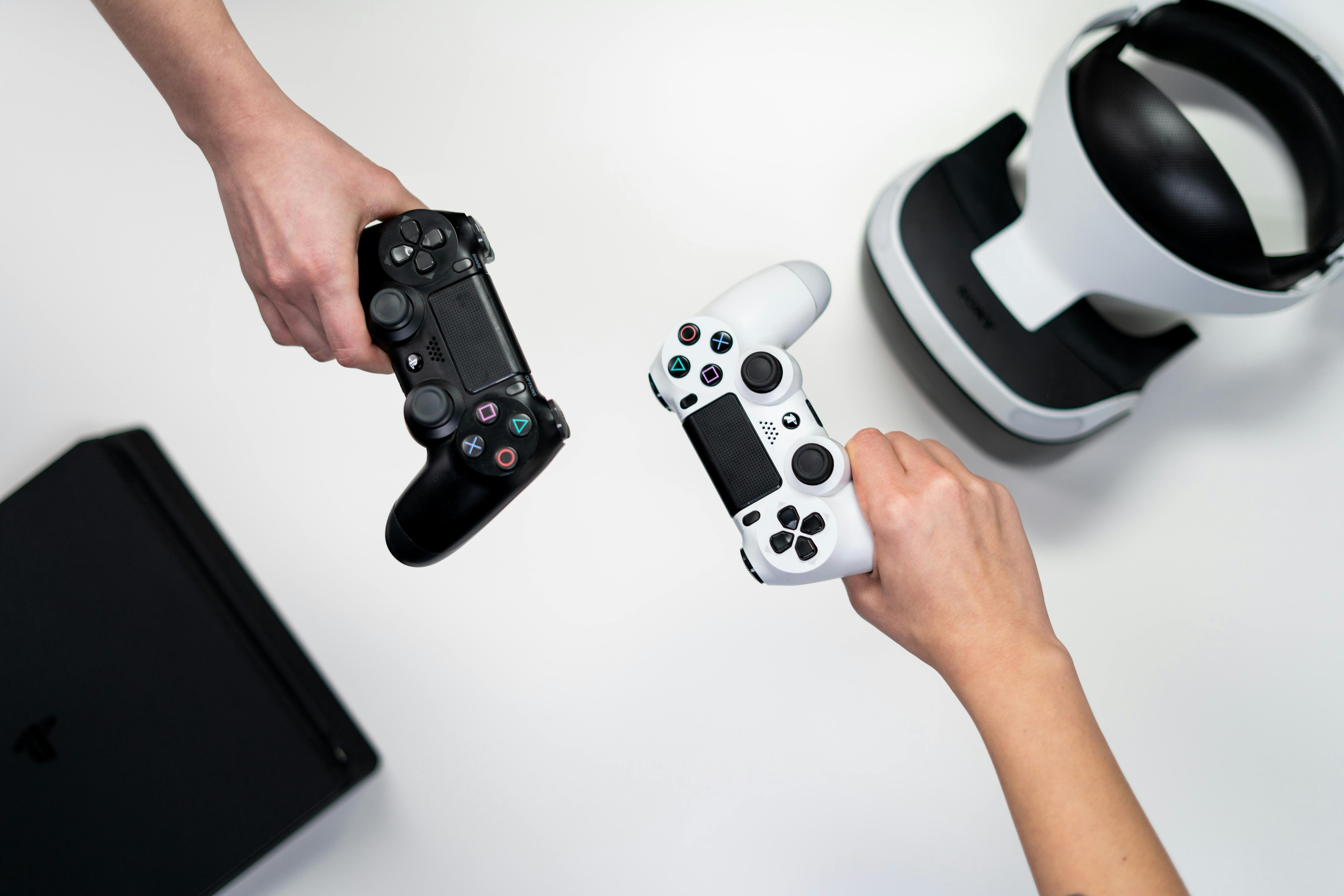
Mission Overview: From VR Niche to Spatial Computing Platform
Spatial computing refers to interacting with digital information that is meaningfully anchored in three‑dimensional physical space. Instead of windows on a 2D monitor, you arrange virtual screens on your walls, manipulate 3D models on your desk, or walk around a life‑size prototype in your living room.
The mission behind today’s MR and spatial platforms is two‑fold:
- Extend general‑purpose computing beyond flat displays into 3D environments tailored to context: home, office, factory, or classroom.
- Make immersive interaction practical for productivity, education, design, medicine, and entertainment—not just for gaming.
“The long‑term promise of spatial computing is to make digital information behave like a real object you can look at, walk around, and collaborate on—without losing the advantages of software.”
— Research perspective inspired by human–computer interaction work at MIT
This mission represents a shift from “escape reality” VR toward “augment and understand reality,” aligning spatial computing with broader trends in hybrid work, digital twins, and data‑driven decision‑making.
Technology: How Modern Mixed‑Reality Systems Work
Mixed‑reality headsets now combine several layers of hardware and software to convincingly merge digital and physical worlds. Reviews from outlets such as The Verge and TechRadar highlight four pillars: optics, sensing, interaction, and integration.
Optics and Displays
Display technology has improved dramatically since early consumer VR:
- High‑resolution micro‑OLED panels with higher pixel density reduce the “screen door” effect.
- Wide color gamuts and higher peak brightness improve readability of text and the realism of virtual objects.
- Advanced lenses (such as pancake optics) shrink headset size and weight while improving clarity across a larger field of view.
Passthrough and Spatial Mapping
Mixed‑reality devices rely on multiple external cameras and depth sensors to capture the user’s surroundings in real time:
- Passthrough video streams your environment into the headset, enabling you to see the real world while rendering digital content on top.
- Simultaneous Localization and Mapping (SLAM) algorithms build a 3D map of your room, enabling virtual objects to stay anchored to real surfaces.
- Scene understanding can classify walls, floors, tables, and even human bodies, making interactions more natural (for example, a virtual ball bouncing off a real table).
Hand Tracking, Eye Tracking, and Input
New systems are increasingly “controller‑optional,” using:
- Hand tracking to recognize pinch, grab, and gesture‑based commands.
- Eye tracking to support foveated rendering (higher resolution where you look) and gaze‑based UI targeting.
- Voice input for launching apps, dictation, and quick commands.
“Great mixed reality feels less like learning a new interface and more like discovering that your hands, eyes, and voice have always been input devices.”
— Paraphrased from discussions among XR interface designers
System Integration and Cloud Connectivity
Renewed momentum also comes from tight integration with existing ecosystems:
- Companion apps on laptops and phones mirror or extend screens into virtual multi‑monitor setups.
- Cloud services sync files, notes, calendars, and messages into 3D workspaces.
- Cross‑platform engines such as Unity and Unreal Engine enable developers to target multiple headsets from one codebase.
For readers who want to explore XR development hands‑on, books like the “Unity AR & VR Development” guide provide practical project‑based tutorials using Unity and popular headsets.

Scientific Significance: A New Interface for Human–Computer Interaction
Spatial computing is more than an entertainment trend; it sits at the intersection of perception science, cognitive psychology, and computer graphics. Research communities in human–computer interaction (HCI), such as those represented at ACM CHI and IEEE VR, have spent decades analyzing how 3D interfaces affect attention, memory, and collaboration.
Several themes stand out:
- Embodied cognition: Manipulating data in 3D—walking around a model or grabbing and rotating an object—can improve understanding of complex structures, from molecular simulations to architectural designs.
- Spatial memory: People naturally remember locations; spatial UIs can leverage “room‑as‑user‑interface” metaphors to help users recall where virtual tools and documents live.
- Presence and empathy: Immersive environments can make training scenarios (for example, emergency response or surgical practice) more realistic, improving learning outcomes.
Across industry, the significance is already visible:
- Architecture, Engineering, and Construction (AEC) use MR to review building information models (BIM) at true scale on‑site.
- Manufacturing and maintenance teams apply spatial instructions and digital twins over machinery to reduce errors and downtime.
- Healthcare and training rely on immersive simulations for medical procedures, anatomy education, and patient rehabilitation.
Influential works like the IEEE report on VR/AR in education and training summarize growing evidence that well‑designed immersive experiences can match or exceed traditional teaching in certain skills.
Milestones: How We Reached the Current Wave
The latest mixed‑reality surge builds on several milestone eras:
Early Head‑Mounted Displays and Research Labs
From Ivan Sutherland’s 1960s “Sword of Damocles” to 1990s military and industrial head‑mounted displays, the concepts behind spatial computing have existed for decades. Academic groups at institutions like UNC Chapel Hill, MIT, and University College London developed foundational tracking and rendering techniques.
Consumer VR 1.0
The 2010s saw consumer VR’s rebirth with products like the Oculus Rift and HTC Vive. These headsets demonstrated:
- Room‑scale tracking for 6DoF (six degrees of freedom) movement.
- Hand controllers for natural pointing and grabbing.
- A thriving indie game ecosystem built on Unity and Unreal Engine.
From AR to Mixed Reality
HoloLens, Magic Leap, and mobile AR (ARKit, ARCore) pushed toward see‑through or video‑through overlays of virtual objects on real spaces. While some early promises were over‑hyped, key technologies matured:
- Inside‑out tracking without external beacons.
- Spatial anchors shared across devices.
- Persistent AR content tied to physical locations.
The Current Generation: Spatial Computing Platforms
The cutting edge now revolves around fully integrated spatial computing platforms from major consumer tech vendors, plus higher‑end industrial devices. Reviews on Engadget, Ars Technica, and Wired note that:
- Headsets are lighter, with better weight distribution and softer straps.
- Passthrough quality is good enough to read text and use laptops.
- Spatial operating systems feel more cohesive, with window management, notifications, and connectivity that mirror laptops and tablets.
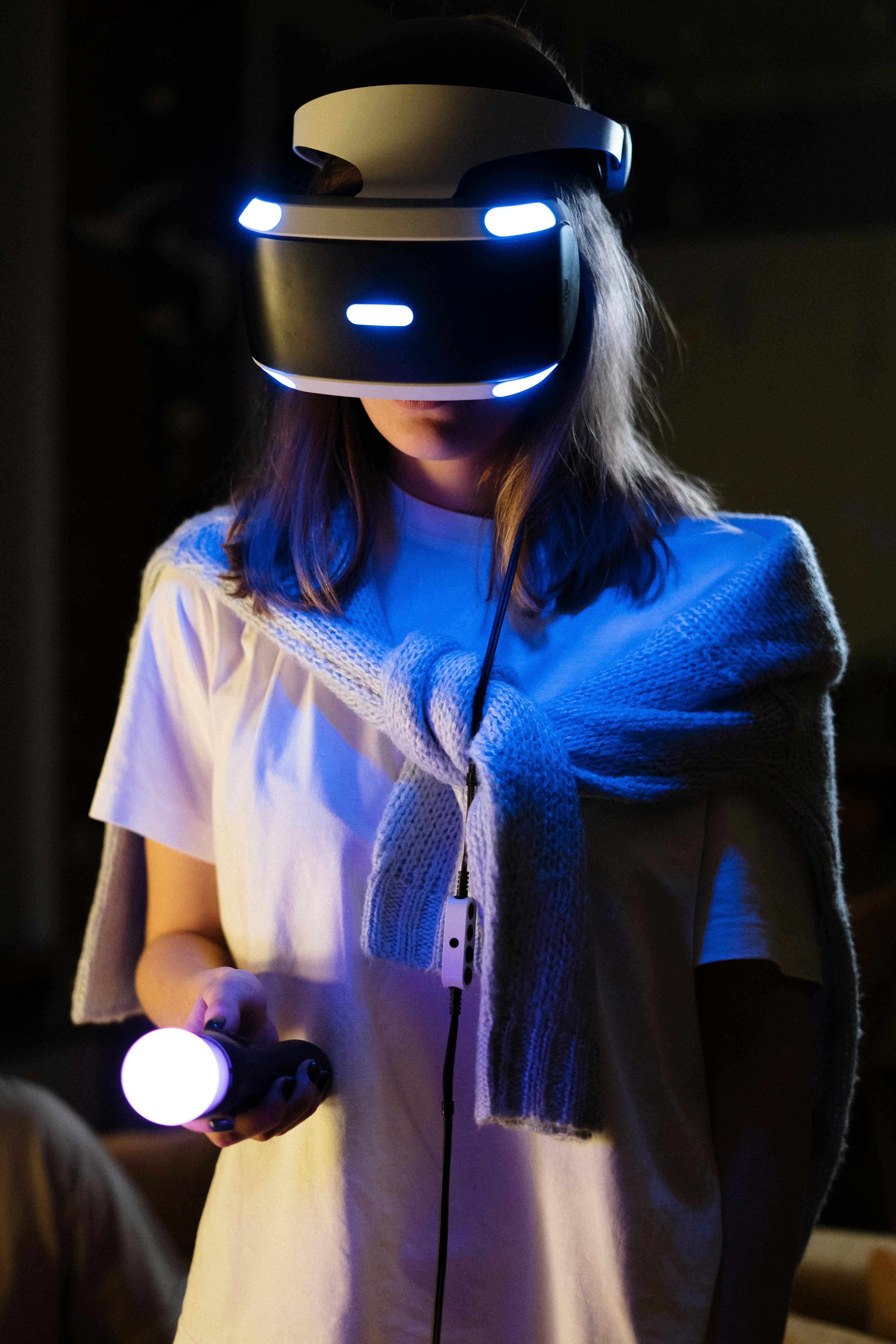
Technology in Practice: Productivity, Design, and Creative Workflows
The most compelling MR demos today are not sci‑fi holodecks but pragmatic workflows that solve concrete problems. Coverage on TechCrunch and The Next Web surfaces several application clusters.
Virtual Desktops and Spatial Workspaces
MR headsets can transform a small desk into an expansive computing canvas:
- Multiple floating monitors without buying physical screens.
- Spatial note‑taking where documents and whiteboards “live” around your room.
- Contextual dashboards that change depending on whether you are coding, writing, or reviewing designs.
Some remote workers already pair a lightweight laptop with a spatial headset to travel with a full multi‑monitor setup. YouTube creators showcase these setups, demonstrating coding environments, video‑editing timelines, and research dashboards arranged in 3D space.
3D Design, Engineering, and Digital Twins
Spatial computing shines whenever 3D is central:
- Product design: Engineers review CAD models at true scale, finding ergonomic or assembly issues earlier.
- Architecture: Teams walk clients through buildings before construction, improving stakeholder alignment.
- Digital twins: Real‑time sensor streams overlay on factory equipment, power plants, or vehicles for monitoring and predictive maintenance.
Immersive Creativity: Music, Art, and Storytelling
Mixed‑reality art tools let creators sculpt in mid‑air, compose spatial music, or stage immersive theater. Popular MR applications support:
- 3D painting and sculpting with pressure‑sensitive brushes.
- Spatial audio composition, where sound sources live in 3D around the listener.
- Immersive media experiences for concerts and sports, blending camera feeds with 3D graphics.
Platforms like Spotify are also experimenting with spatial audio mixes that pair well with headsets and high‑quality headphones. For users interested in audio immersion, studio‑grade options like the Sony WH‑1000XM5 noise‑canceling headphones are widely recommended for spatial audio listening.
Spatial Computing for Gaming and Immersive Media
While productivity is a core growth area, consumer enthusiasm still leans heavily on gaming and entertainment. Spatial versions of popular franchises, mixed‑reality fitness apps, and interactive concerts drive much of the mainstream awareness.
- Mixed‑reality games that incorporate your furniture and walls as part of the level design.
- Fitness apps that turn your living room into a dynamic workout studio with real‑time metrics.
- Immersive sports broadcasting where live stats and multiple camera angles float in your field of view.
TikTok and YouTube are filled with first‑person MR gameplay clips, often shot through official “casting” modes. This content acts as informal marketing for headsets, showcasing what mixed reality feels like without requiring a demo booth.
Many users enhance comfort with premium straps and accessories. For example, headsets such as Meta Quest 3 often pair well with ergonomic add‑ons like the BOBOVR M2 Plus head strap , which redistributes weight for longer sessions.
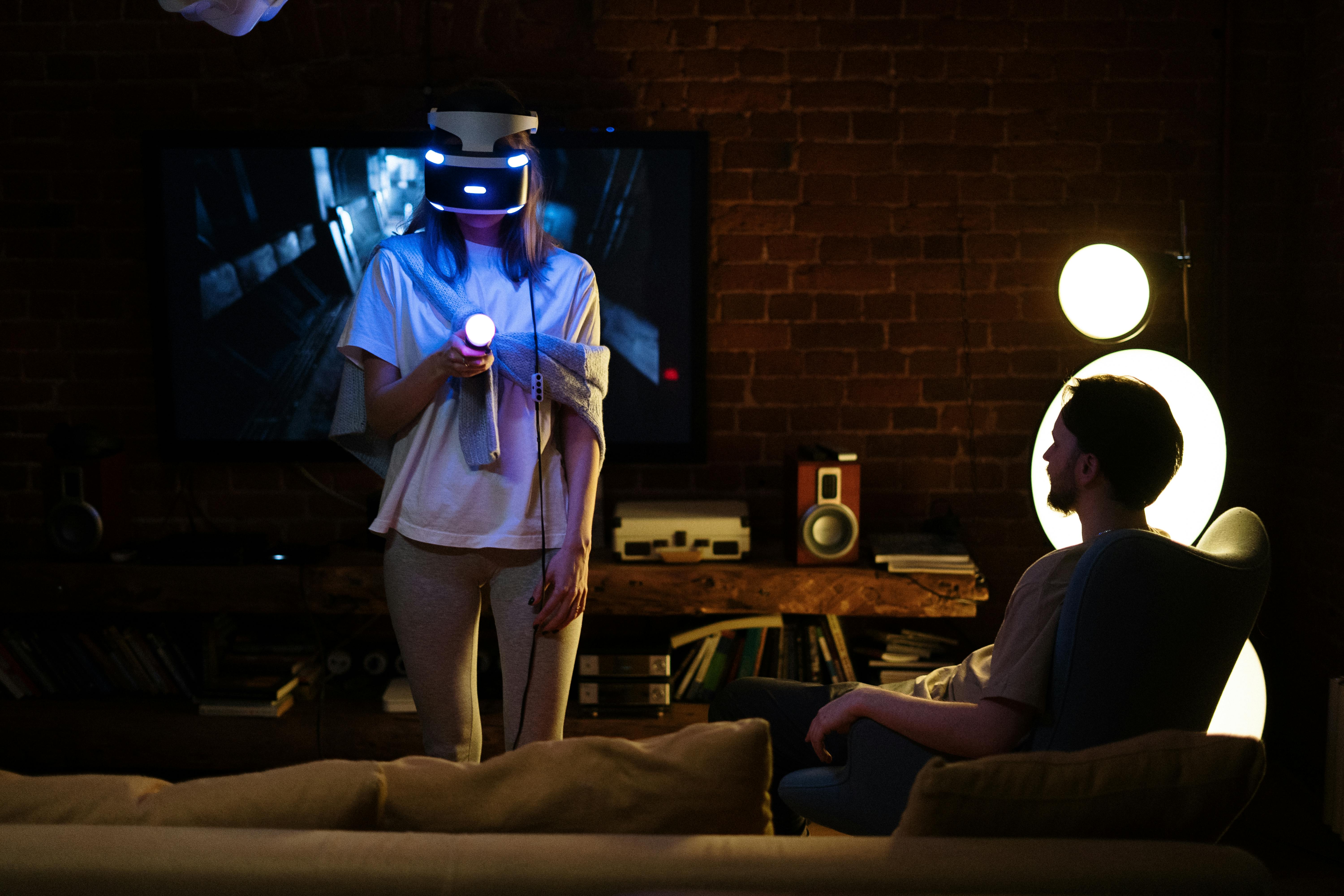
Challenges: Ergonomics, Social Friction, and Privacy Risks
Critical coverage from Ars Technica and Wired emphasizes that the road to mainstream adoption is far from smooth. Several categories of challenge recur across reviews and research papers.
Comfort, Health, and Ergonomics
Despite progress, wearing a display on your face for hours introduces:
- Neck strain and fatigue from weight and balance issues.
- Visual discomfort due to vergence–accommodation conflict and motion‑to‑photon latency.
- Hygiene concerns when sharing devices in offices, labs, or classrooms.
Ergonomic research suggests:
- Limiting continuous use time and scheduling regular breaks.
- Customizing fit, strap tension, and interpupillary distance (IPD).
- Adapting font sizes and contrast ratios for readability and accessibility.
Social Acceptability and Communication
Headsets still obscure facial expressions and eye contact, which are key to human communication. Social norms around wearing such devices in public or during meetings remain unsettled.
“For spatial computing to become a primary interface, it will have to coexist gracefully with other people—not just with apps.”
— Social computing researchers commenting on mixed‑reality adoption
Privacy, Data Governance, and Regulation
MR devices continuously capture:
- Spatial maps of your home or office layout.
- Biometric signals such as gaze direction, pupil dilation, and hand motions.
- Usage patterns that reveal what you look at, for how long, and with whom you interact virtually.
Privacy advocates and regulators are increasingly focused on:
- Whether spatial data is processed locally or uploaded to the cloud.
- How long environment scans and gaze data are retained.
- How targeted advertising or behavioral profiling could exploit these signals.
The Future of Privacy Forum and academic groups in Europe and North America have published position papers urging clear consent mechanisms, on‑device processing by default, and strict limits on secondary data use. As spatial computing intersects with workplace monitoring and public‑space analytics, regulatory frameworks are likely to tighten.
Accessibility: Designing Inclusive Spatial Experiences
To align with WCAG 2.2 and broader accessibility goals, spatial computing platforms must serve users with diverse abilities, not just those who can comfortably wear a headset and gesture freely.
Key inclusive‑design guidelines include:
- Multiple input modes (voice, controllers, eye‑tracking, keyboard) to accommodate mobility or dexterity limitations.
- Adjustable visual settings for contrast, brightness, colorblind‑friendly palettes, and text scaling.
- Audio descriptions and captions for spatial media, including positional audio cues that do not depend solely on vision.
- Comfort‑oriented locomotion options (teleport, vignette effects) for users susceptible to motion sickness.
Developers can refer to resources from the W3C Web Accessibility Initiative as starting points when extending apps into spatial contexts.
Conclusion: Where Spatial Computing Makes Sense First
The tech media narrative has clearly evolved from “Is VR dead?” to “Where does spatial computing make sense?” Across current deployments and pilot projects, a pattern emerges: spatial computing gains traction first where 3D context, collaboration, and high‑value decisions intersect.
Near‑term, the highest‑impact domains are likely to be:
- Design, simulation, and digital twins in engineering, architecture, and manufacturing.
- Training and education for complex, spatially rich skills, from surgery to industrial safety.
- Specialized productivity workflows for knowledge workers who benefit from large virtual workspaces.
- Fitness, gaming, and live events that highlight immersive entertainment value.
Long‑term, if hardware gets lighter, social norms evolve, and privacy frameworks solidify, spatial computing could become as ubiquitous as smartphones—another layer in the continuum from desktop to mobile to ambient computing. In that trajectory, mixed reality is not a replacement for existing devices but a complementary interface that you invoke when depth, presence, and shared spatial context matter most.
Additional Insights: How to Evaluate Mixed‑Reality Solutions Today
For organizations and individuals exploring spatial computing, a structured evaluation can reduce hype‑driven mistakes.
Questions to Ask Before Investing
- Does your use case truly benefit from 3D, or can it be solved with better 2D tools?
- What session lengths do you expect, and can current devices support that comfortably?
- How will you handle privacy, data retention, and compliance for spatial and biometric data?
- Are there accessibility plans for employees or users who cannot or prefer not to wear headsets?
Best Practices for Pilot Projects
- Start with a tight, measurable scenario (for example, a specific training module or design review workflow).
- Include representative users—not just enthusiasts—in testing and feedback cycles.
- Measure outcomes like task completion time, error rates, and user fatigue.
- Iterate on ergonomics and environment setup (lighting, space, cable management) as carefully as on software.
Those who follow a disciplined, human‑centered approach are most likely to discover where mixed reality genuinely augments their capabilities—and where traditional tools remain the better choice.
References / Sources
Selected articles, papers, and resources for further reading:
- Engadget – Coverage of mixed‑reality headsets and hands‑on reviews: https://www.engadget.com/tag/mixed-reality/
- The Verge – VR/AR and spatial computing news: https://www.theverge.com/virtual-reality
- TechRadar – VR and AR buying guides and analyses: https://www.techradar.com/news/wearables/vr
- TechCrunch – Startups and enterprise mixed‑reality coverage: https://techcrunch.com/tag/augmented-reality/
- The Next Web – AR/VR and spatial computing features: https://thenextweb.com/tag/virtual-reality
- Ars Technica – Critical assessments of VR/MR hardware: https://arstechnica.com/gaming/
- Wired – Essays and reports on mixed reality, ergonomics, and social impact: https://www.wired.com/tag/virtual-reality/
- W3C Web Accessibility Initiative (WCAG 2.2): https://www.w3.org/WAI/standards-guidelines/wcag/
- IEEE VR / AR for Learning and Training (white paper): https://immersivelearning.news/wp-content/uploads/2020/10/IEEE_VR_and_AR_Learning.pdf
- Future of Privacy Forum – Privacy in AR/VR: https://fpf.org/issues/virtual-reality/
- ACM CHI Conference on Human Factors in Computing Systems: https://chi2024.acm.org/
- IEEE VR Conference: https://ieeevr.org/
