
How GLP‑1 Drugs Like Ozempic Are Changing Diet Culture (And What to Actually Eat)
GLP‑1 weight‑loss drugs like Ozempic, Wegovy, Mounjaro, and Zepbound are reshaping how we talk about food, diet culture, and long‑term health. In kitchens, clinics, and across social feeds, people are asking a new question: not just “Do these medications work?” but “What should I actually eat on them to feel good, stay strong, and keep results?” This guide dives into the rise of the “Ozempic diet,” separates hype from evidence, and offers a gentle, food‑loving framework you can actually live—and cook—with.
Ozempic, GLP‑1 Drugs, and the New Weight‑Loss Culture
Over the last 18–24 months, GLP‑1 receptor agonists—especially semaglutide (Ozempic, Wegovy) and tirzepatide (Mounjaro, Zepbound)—have moved from specialist clinics into everyday conversation. As of early 2026, search engines, news headlines, and TikTok feeds are packed with “Ozempic transformation” and “What I eat on Ozempic” videos. Some are thoughtful; many are a swirl of rumors, product pitches, and half‑true nutrition claims.
At the heart of it all is a major cultural shift: instead of blaming “willpower,” many people are using pharmacological tools that dampen appetite and change how food feels in the body. That opens up huge possibilities—but also new risks if food quality and muscle health are ignored.
Think of GLP‑1s as turning down the volume on hunger. What you choose to eat in that quieter space is what shapes your energy, strength, and long‑term health.
How GLP‑1 Medications Change Hunger, Taste, and Digestion
Ozempic, Wegovy, Mounjaro, and similar drugs mimic or enhance hormones called incretins, especially GLP‑1. These hormones:
- Slow gastric emptying – food leaves your stomach more slowly, so you feel fuller from smaller portions.
- Reduce appetite signals – many people feel physically less hungry and less driven to snack.
- Influence reward pathways – cravings, especially for ultra‑processed or very sweet foods, often quiet down.
- Improve blood sugar response – originally why they were developed for type 2 diabetes.
Alongside those benefits, GLP‑1 medications commonly bring:
- Nausea or a “sloshy,” overly full feeling after rich or greasy meals
- Early satiety—getting full quickly and staying full for hours
- Changes in taste or food preferences, sometimes away from previously loved sweets and fried foods
- Constipation or, less often, diarrhea
What People Mean by the “Ozempic Diet”
Despite all the hashtags, there is no single, official “Ozempic diet.” What exists instead is a swirl of:
- Personal experiment stories like “I can only eat half a sandwich now” or “All I want is soup.”
- Influencer meal plans that sometimes prioritize aesthetics over nutrition.
- Evidence‑based guidance from dietitians trying to protect muscle, micronutrients, and digestion.
The emerging consensus among science‑minded practitioners is refreshingly moderate: GLP‑1s should be treated as tools, not magic cures. Long‑term success looks far more likely when medication is paired with:
- A high‑protein, nutrient‑dense diet centered around whole foods
- Resistance training to help maintain or build lean muscle during weight loss
- Behavior change skills (mindful eating, stress management, sleep hygiene) that still matter if the drug is stopped
In other words, the “Ozempic diet” that actually serves your body looks a lot less like a crash cleanse and a lot more like a satisfying, balanced, high‑protein way of eating scaled to your new appetite.
Why Protein Matters So Much on GLP‑1 Medications
When appetite drops sharply, total calories usually fall with it. That can drive rapid weight loss—but unless you’re deliberate, you may lose muscle alongside fat. Muscle is metabolically active, keeps your resting energy expenditure higher, protects bone, and supports everyday strength.
That’s why many dietitians now recommend aiming for roughly 1.6–2.2 g of protein per kilogram of lean body mass while on GLP‑1 drugs, adjusted for your medical history and activity level.
For many people on Ozempic or Wegovy, that protein target becomes easier if you:
- Include a protein anchor (15–30 g) at every meal or snack.
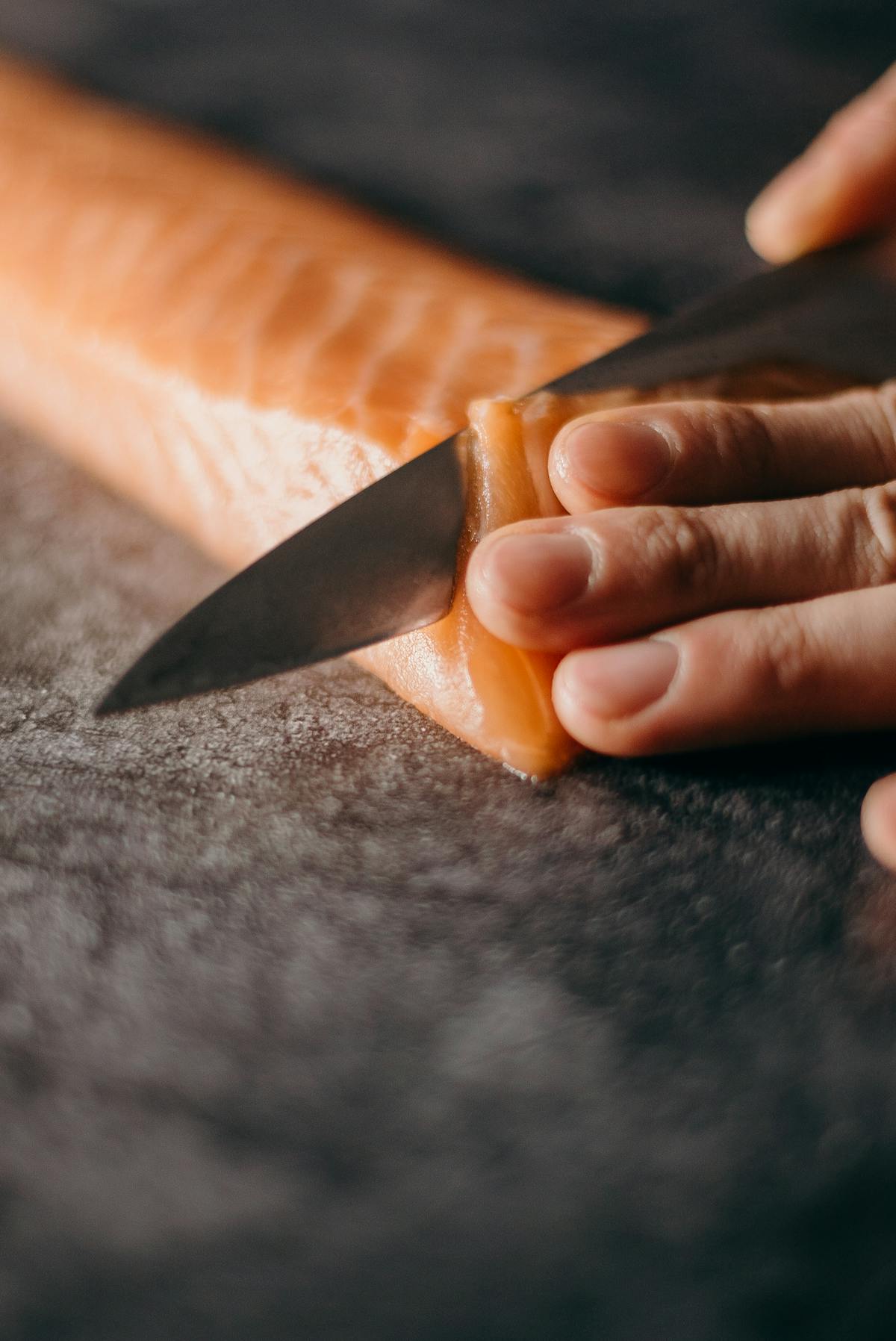
- Lean on soft proteins like Greek yogurt, cottage cheese, scrambled eggs, tofu, and tender fish when appetite is low.
- Use protein smoothies for days when chewing a big plate of food feels impossible.
Gentle, GLP‑1‑Friendly Foods: Soft, Simple, and Satisfying
In the first weeks or dose escalations on Ozempic, Wegovy, Mounjaro, or Zepbound, it’s common to crave comfortingly plain, soft foods. Think:
- Yogurt bowls with fruit and a sprinkle of nuts or seeds
- Eggs—scrambled, soft‑boiled, or in gentle omelets
- Oatmeal or cream of rice thinned with milk and topped with nut butter
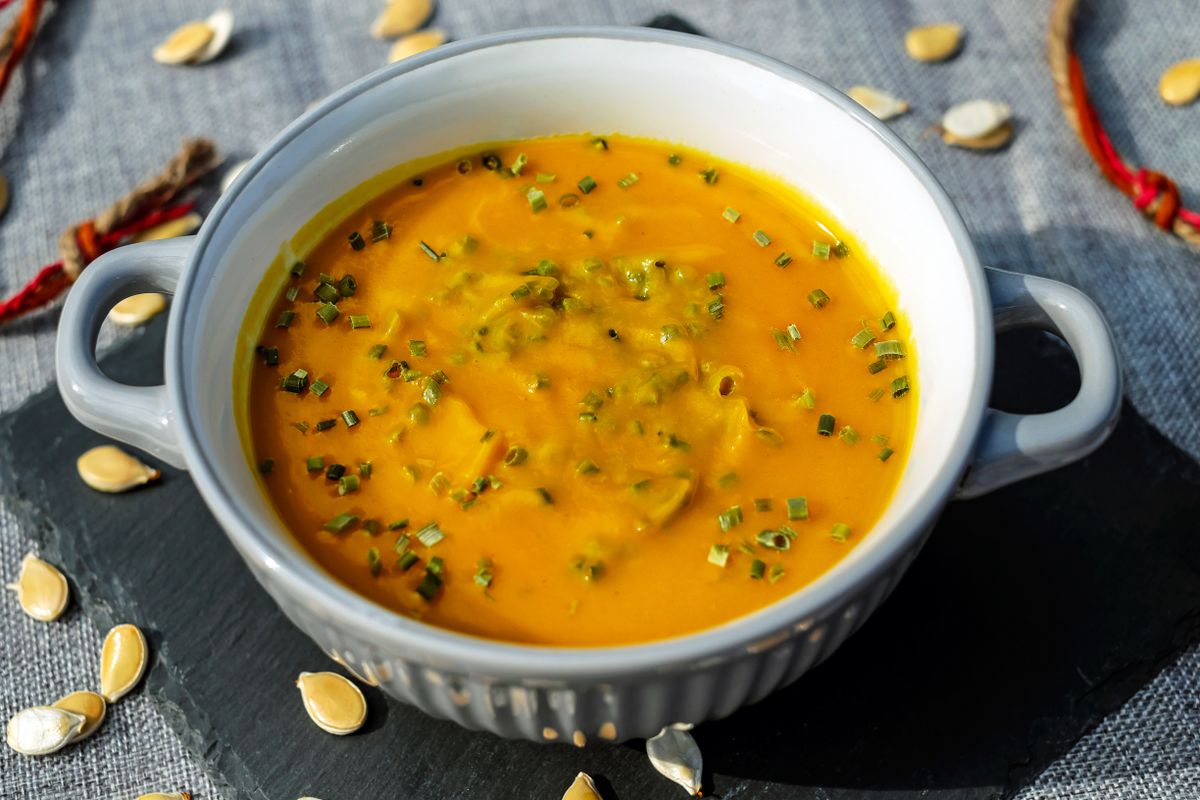
- Soups and stews with finely chopped vegetables and tender protein
- Protein smoothies with berries, greens, and Greek yogurt or protein powder
- Rice, quinoa, or potatoes in modest portions with moist, saucy proteins
Meanwhile, many people find that very greasy, deep‑fried, or heavy cream‑based dishes feel rough on the stomach and can trigger nausea. That doesn’t mean you can never enjoy them again—just that your personal “comfort zone” may shift toward lighter preparations.
Meal Patterns: Small, Frequent, and Fiber‑Smart
Because your stomach empties more slowly on GLP‑1 drugs, the old “three giant meals a day” pattern can feel miserable. Many people feel better with:
- Smaller portions with balanced protein, carbs, and fat
- 3 modest meals + 1–2 snacks spaced through the day
- Fiber from whole foods—vegetables, fruit, legumes, whole grains—introduced gradually
Fiber is a double‑edged hero: it supports digestion, blood sugar, and gut health, but too much, too fast—especially without enough water—can worsen bloating or constipation.

Beyond the Plate: Access, Stigma, and the Ozempic Conversation
The “Ozempic era” isn’t just about macros and recipes. It’s also about who can access these drugs, how they’re discussed online, and how they intersect with body image and stigma.
- Access and cost: In many regions, GLP‑1s remain expensive, and supply shortages have at times limited availability for people using them to manage diabetes.
- Weight stigma: Narratives that celebrate extreme weight loss or idealize one body type can harm people at every size, regardless of whether they use medication.
- Long‑term safety and regain: Research is growing but still evolving. Early data suggest that stopping GLP‑1s often leads to some weight regain unless habits and environment also change.
Respectful conversation matters. We can celebrate tools that help people feel better in their bodies while also acknowledging structural issues—and making sure that food advice is grounded in health, not just aesthetics.
The New GLP‑1 Food Economy: Meal Plans, Apps, and Powders
Where attention flows, products follow. Over the last couple of years, a commercial ecosystem has rapidly grown around GLP‑1 drugs:
- Subscription “Ozempic meal plans” and prep services
- Telehealth platforms bundling prescriptions with generic diet advice
- Protein powders and snacks marketed as “GLP‑1 friendly”
- Tracking apps that log injections, weight, and macros together
Some of these tools can be genuinely helpful; others are mostly clever rebranding. When evaluating them, it helps to ask:
- Does this encourage whole foods and balanced meals—or just sell shakes?
- Is the nutrition guidance aligned with evidence and your clinician’s advice?
- Will this help me build habits I could maintain even if I stop the medication?
A Practical GLP‑1‑Friendly Eating Template
Instead of a strict “Ozempic diet,” think about a flexible template you can adapt to your taste, culture, and schedule. Here’s one simple structure many people find helpful:
- Anchor each meal with protein.
Aim for 15–30 g per eating occasion via eggs, fish, chicken, tofu, Greek yogurt, cottage cheese, legumes, or lean meats. - Add colorful plants.
Fill at least half your plate or bowl with vegetables and fruits you enjoy and tolerate—raw, steamed, roasted, or blended into soups. - Include smart carbs.
Choose whole grains (oats, quinoa, brown rice), beans, lentils, potatoes, or fruit to support energy and fiber. - Round out with healthy fats.
Add nuts, seeds, avocado, olive oil, or fatty fish in modest amounts to support hormones and satiety without overwhelming your stomach. - Respect early fullness.
Start with smaller servings. You can always save the rest for later. Forcing “clean plates” is a recipe for nausea on GLP‑1s.
Sample Day of Eating on Ozempic (High‑Protein, Whole‑Food Focus)
Use this as inspiration, not a prescription. Adjust for your culture, allergies, and hunger level—and always follow your clinician’s guidance.
- Gentle breakfast
Creamy oatmeal made with milk, stirred with a scoop of protein powder, topped with blueberries and a spoonful of almond butter. - Mid‑morning option (if hungry)
Small bowl of Greek yogurt with sliced strawberries and pumpkin seeds. - Lunch
Lentil and vegetable soup with shredded chicken, served with a small slice of whole‑grain bread. - Afternoon snack
Smoothie with spinach, frozen berries, Greek yogurt, and water or milk, blended until silky. - Dinner
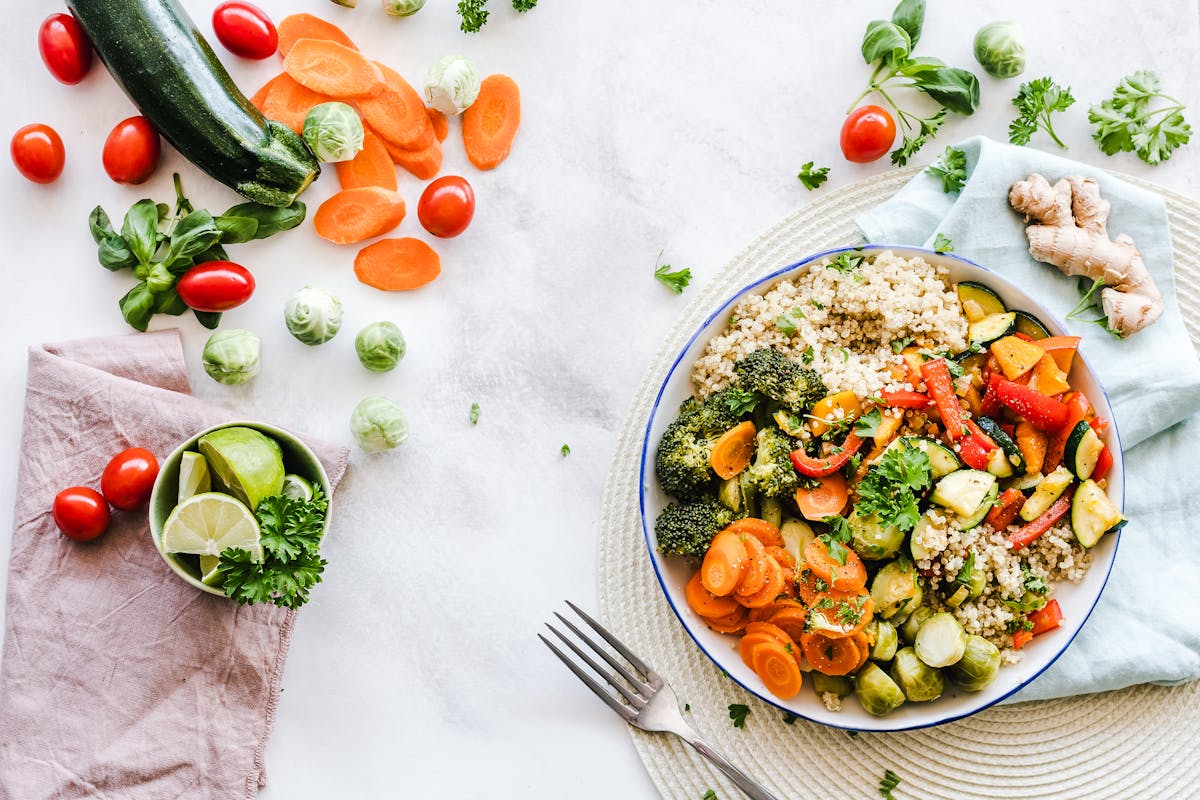
Baked salmon or tofu, a small portion of quinoa, and roasted carrots and zucchini drizzled with olive oil and lemon.
Pairing Food with Movement: Protecting Muscle on GLP‑1s
Nutrition is only half of the muscle‑protection equation. The other half is resistance training—anything that makes your muscles work against load:
- Body‑weight moves (squats to a chair, wall push‑ups, glute bridges)
- Resistance bands or light dumbbells at home
- Gym‑based strength programs tailored to your level
Even 2–3 sessions per week, combined with a high‑protein diet, can significantly improve how much muscle you maintain while losing weight on GLP‑1s.
Alcohol and High‑Fat Meals: Why Moderation Matters More Than Ever
Two common triggers for discomfort on GLP‑1 drugs are alcohol and very high‑fat meals:
- Alcohol can increase nausea, lower blood sugar unpredictably (especially with diabetes medications), and reduce inhibition around food choices.
- Very rich, greasy meals linger longer in a slowed stomach, often causing queasiness or reflux.
Many clinicians now recommend limiting alcohol and choosing moderate‑fat, whole‑food meals instead of heavy fast food while on Ozempic‑type medications. If you do drink, do so sparingly and with food, and ask your prescriber what’s safe for you.
Mindful Eating in the Ozempic Era
One of the quiet gifts GLP‑1s can offer is a chance to rebuild your relationship with food when hunger and cravings aren’t constantly shouting. That might look like:
- Tuning into early fullness cues and respecting them
- Taking a few breaths before meals to notice how hungry—or not—you feel
- Eating without scrolling, even for just the first few bites
- Checking in after meals: “How does this feel in my body?” rather than “Was this ‘good’ or ‘bad’?”
Medications can change your appetite, but you still get to decide how to nourish yourself—with curiosity, kindness, and flavors you genuinely enjoy.
Key Takeaways: Building a Sustainable “Ozempic Diet”
- There is no single official “Ozempic diet”; what matters is a pattern you can sustain.
- Focus on high‑protein, nutrient‑dense foods to protect muscle and energy.
- Choose soft, gentle options (soups, yogurt, eggs, stews, smoothies) during nauseous phases.
- Use small, frequent meals and gradual fiber increases to support digestion.
- Limit very greasy foods and alcohol, which often worsen side effects.
- Pair medication with resistance training and mindful eating habits.
- Remember the broader context: access, stigma, and long‑term health matter as much as the number on the scale.

A Final Word of Encouragement
If you’re navigating life on Ozempic, Wegovy, Mounjaro, or Zepbound, you’re already juggling a lot—medical appointments, side effects, changing clothes and identities, often a swirl of outside opinions. Your meals don’t have to be perfect. They just need to be good enough, most of the time, to support the life you want.
Start where you are: add one more protein‑rich food you enjoy, one extra serving of vegetables you actually like, one simple strength exercise, one kinder thought about your body. From there, build a way of eating that feels less like punishment and more like quiet, everyday care.
