
High‑Protein, High‑Fiber Gut‑Healthy Eating: How Microbiome‑Friendly Foods Are Taking Over Our Plates
High‑Protein, High‑Fiber “Gut‑Healthy” Diets and the Microbiome Boom
Interest in gut health, the microbiome, and high‑fiber, high‑protein diets is exploding right now. More people are connecting smoother digestion, fewer energy crashes, better immunity, even mood and weight balance to what’s happening deep in the gut. The new gut‑healthy trend isn’t about restriction—it’s about learning to feed your gut microbes with colorful plants, smart proteins, and minimally processed foods that genuinely taste good.
Let’s walk through what this “microbiome‑friendly” way of eating really looks like, why creators keep repeating “30 plants a week,” and how you can turn the science into simple, satisfying meals in your own kitchen.

What Does “Gut‑Healthy” Actually Mean?
When people talk about a gut‑healthy diet, they’re usually talking about feeding the trillions of microbes in the digestive tract—your gut microbiome. These bacteria, yeasts, and other tiny organisms help break down food, create vitamins, train your immune system, and produce signaling molecules that communicate with the brain (the famous gut–brain axis).
A diverse, well‑fed microbiome is linked with:
- More comfortable digestion and regular bowel movements
- Reduced bloating and gas for many people
- Better immune resilience
- Improved blood sugar balance and metabolic health
- Potential mood support through gut–brain signaling
The foods that really light these microbes up are fibers and plant compounds your own body can’t fully digest but your gut bugs can. These are called prebiotics, and they’re especially abundant in beans, lentils, oats, onions, garlic, asparagus, bananas, nuts, seeds, and many fruits and vegetables.
Think of your gut like a garden. Probiotic foods add new plants; prebiotic fibers are the fertilizer that helps everything grow.

Why High‑Protein, High‑Fiber Diets Are Trending in 2026
High‑protein diets have been popular for years, especially for weight management and muscle support. The newer twist, heavily discussed on podcasts, TikTok, and Instagram, is prioritizing both protein and fiber—and making room for plenty of plants and fermented foods.
Some of the biggest drivers behind this microbiome boom include:
- Gut–brain axis fascination: Long‑form interviews with researchers and clinicians filter into short clips explaining how the gut may influence stress, mood, and sleep.
- Consumer microbiome testing: At‑home stool tests (still evolving scientifically) spark curiosity about which foods boost “good” bacteria scores.
- Digestive comfort without extremes: Many people want less bloating and more regularity without living on bland elimination diets.
- Plant‑forward performance eating: Fitness‑minded eaters look for ways to hit protein goals with beans, lentils, tofu, and yogurt, not just chicken and protein shakes.
The result is a style of eating that often features Greek yogurt, cottage cheese, tempeh, tofu, legumes, nuts, and seeds alongside whole grains and heaps of vegetables—what many creators now call microbiome‑friendly bowls.

The “30 Plants a Week” Rule: Microbiome Diversity Made Simple
One phrase you’ll hear everywhere in gut‑health circles is: “Aim for 30 different plant foods per week.” This guideline emerged from microbiome research suggesting that people who eat a wider variety of plant foods tend to have more diverse microbial communities in their gut.
The good news is that “plant foods” is a broad category. You can count:
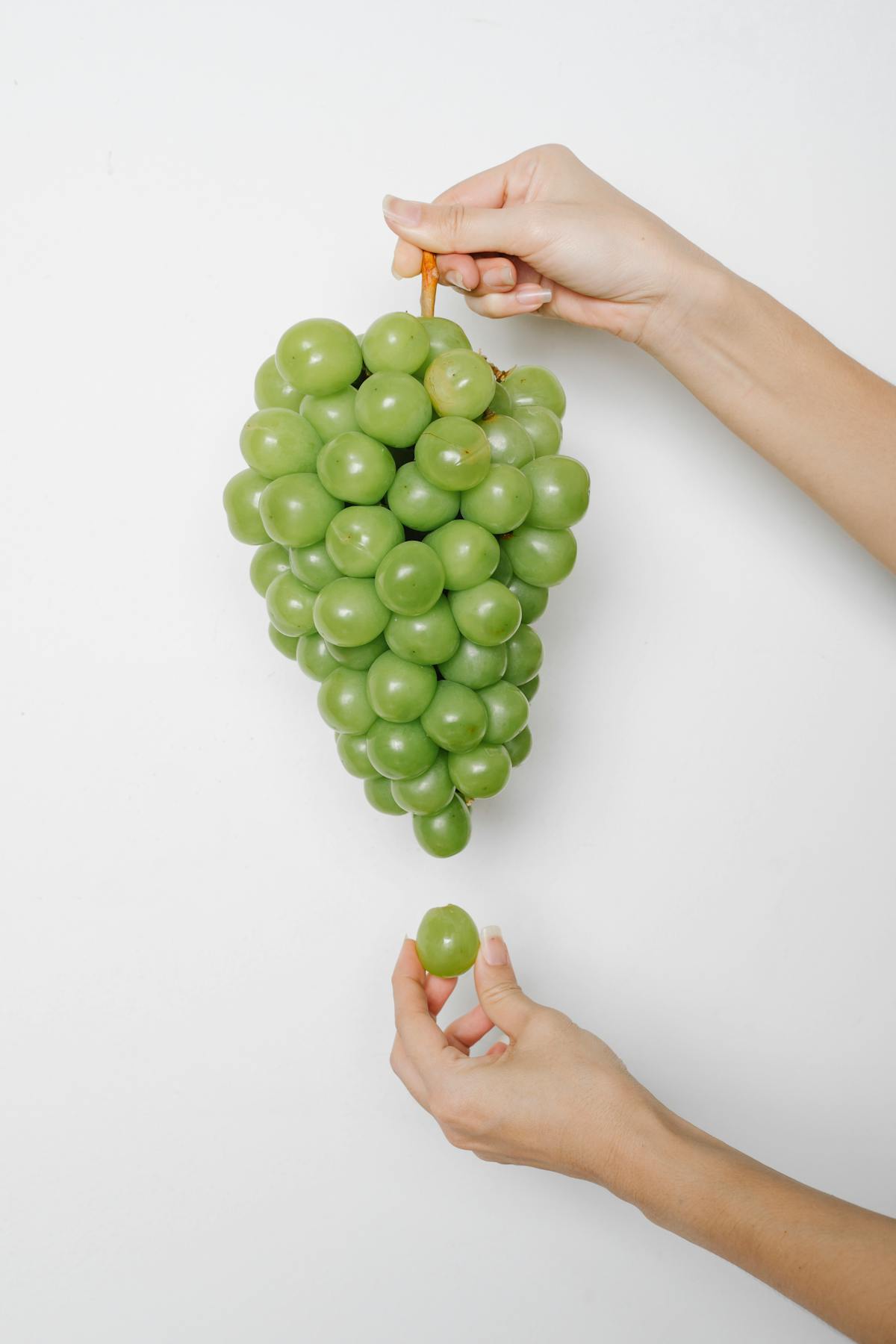
- Fruits (fresh, frozen, dried without added sugar)
- Vegetables of all colors
- Whole grains (oats, quinoa, barley, brown rice, buckwheat)
- Beans, lentils, chickpeas, and soy foods
- Nuts and seeds (including nut butters and seed blends)
- Herbs and spices (basil, cumin, cinnamon, turmeric, etc.)
A breakfast with oats, blueberries, chia seeds, and cinnamon might give you four or more plant “points” in one bowl. That’s how people on social media turn it into a fun weekly challenge instead of a rigid diet rule.
How to Pair Protein and Fiber for a Gut‑Friendly Plate
The most practical way to think about a gut‑healthy, high‑protein, high‑fiber meal is to build it like this:
- Start with protein (animal or plant‑based).
- Add at least one fiber‑rich starch (beans, lentils, chickpeas, or whole grains).
- Layer on vegetables and fruits (the more colors, the better).
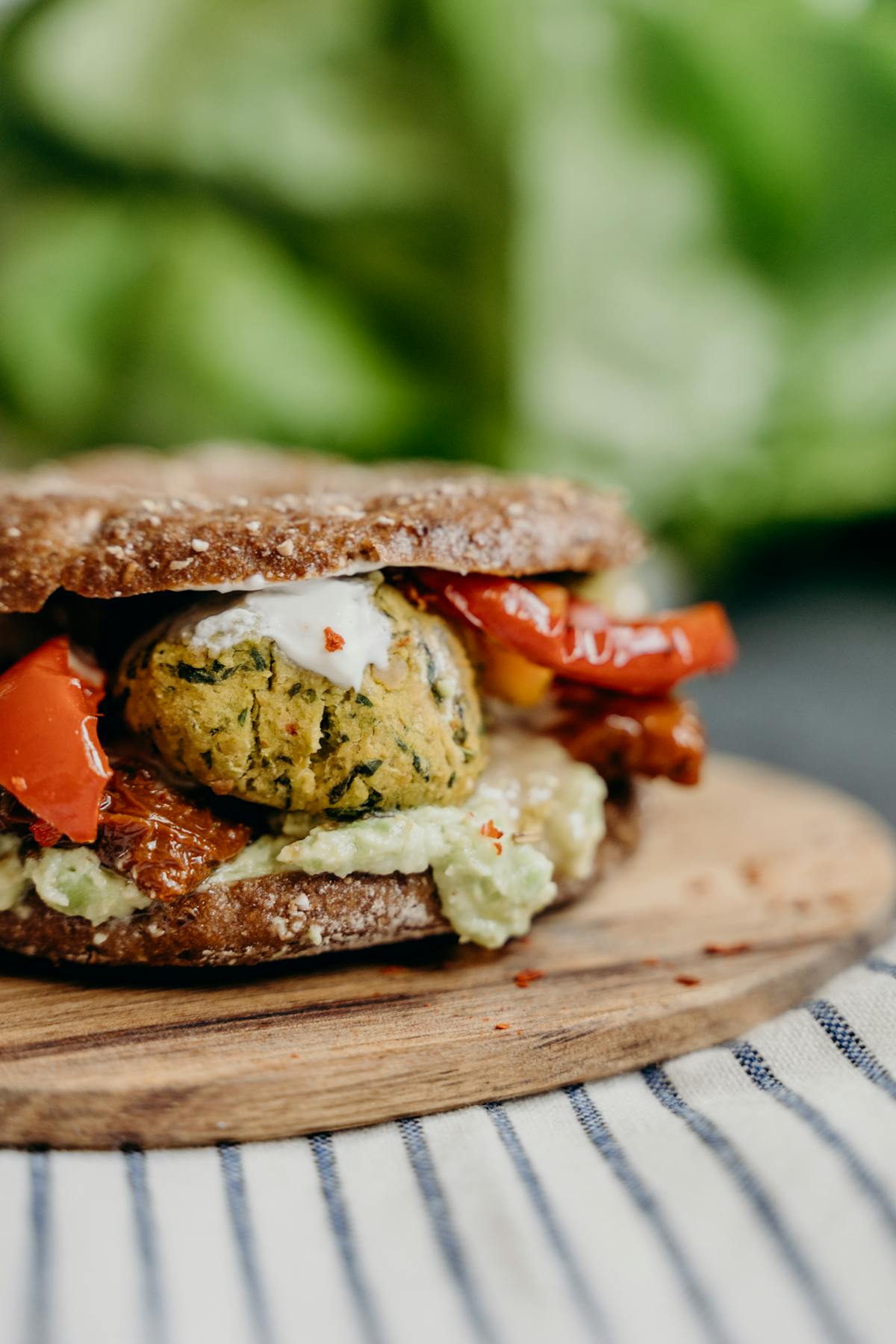
- Finish with healthy fats and crunch (nuts, seeds, olive oil, avocado).
Here’s how that looks in everyday meals:
- Breakfast: Greek yogurt (protein) + oats and ground flax (fiber) + berries and banana + a sprinkle of walnuts.
- Lunch: Lentil and quinoa salad with cherry tomatoes, cucumber, herbs, olive oil, and pumpkin seeds.
- Dinner: Baked salmon or tofu over a bed of barley with roasted Brussels sprouts, carrots, and a side of sauerkraut.
- Snacks: Roasted chickpeas, edamame, mixed nuts, or a small kefir smoothie with fruit and chia.
Fiber Without the Bloat: Low‑FODMAP & Gentle Ramp‑Up Strategies
One very real concern: jumping from low fiber to high fiber overnight can cause gas, bloating, and discomfort. That doesn’t mean fiber is bad; it usually means your microbes need time to adjust, and sometimes your gut may need extra support.
Current gut‑health conversations emphasize:
- Gradual fiber increases: Add about 5 g of fiber per day each week rather than doubling overnight. For example, go from 1 fruit a day to 2, then add a small side of beans, and so on.
- Hydration: Fiber needs water to move smoothly through your system. Aim to sip fluids regularly throughout the day.
- Movement: Gentle walking and light activity help stimulate gut motility and can ease gas.
- Low‑FODMAP protocols: For those with medically diagnosed IBS, a short‑term, supervised low‑FODMAP plan may calm symptoms before gradually reintroducing foods.
Recipe: High‑Protein, High‑Fiber Gut‑Healthy Breakfast Bowl
Recipe Summary
Prep time: 10 minutes
Cook time: 5 minutes (optional)
Total time: 10–15 minutes
Servings: 1 generous bowl
Difficulty: Easy
Equipment Needed
- 1 medium bowl (for serving)
- 1 small saucepan or microwave‑safe bowl (if warming oats)
- Measuring cups and spoons
- Spoon for stirring and serving
Ingredients (1 Serving)
- 150 g (about 2/3 cup) plain Greek yogurt or skyr (dairy or plant‑based, 10–15 g protein)
- 30 g (1/3 cup) rolled oats (or quick oats)
- 1 tbsp chia seeds
- 1 tbsp ground flaxseed
- 30 g (about 1/4 cup) mixed nuts (e.g., walnuts, almonds, pistachios), roughly chopped
- 60–80 g (about 1/2–2/3 cup) mixed berries (fresh or frozen): blueberries, raspberries, strawberries
- 1/2 small banana, sliced
- 1 tsp honey or maple syrup (optional, for sweetness)
- 1/2 tsp cinnamon
- A small pinch of salt (optional, to round flavors)
- 2–3 tbsp water or milk (dairy or plant‑based) if you prefer softer oats
Step‑by‑Step Instructions
- Prepare the oats (optional warm version).
In a small saucepan or microwave‑safe bowl, combine the oats with 2–3 tbsp water or milk and a tiny pinch of salt. Warm on the stovetop over low heat or in the microwave for 1–2 minutes, just until the oats soften and thicken slightly. Let cool for a minute so they don’t melt the yogurt completely.

Oats and chia create a creamy, fiber‑rich base that keeps you full for hours. - Build the creamy base.
Add the Greek yogurt to your serving bowl and spread it out with the back of a spoon. If you like your bowl cooler and thicker, keep the oats unheated and sprinkle them directly over the yogurt.
- Add fiber‑rich seeds and oats.
Top the yogurt with the prepared oats, chia seeds, and ground flaxseed. The chia and flax will absorb some moisture and create a luscious, pudding‑like texture as they sit.
- Layer on fruits for color and plant diversity.
Scatter the berries and banana slices over the top. Aim for at least two different fruits here—each one adds unique fibers and plant compounds your gut microbes adore.

Layer fruits, nuts, and seeds for a bowl that feels as good as it looks. - Add crunch and spice.
Sprinkle the chopped nuts, cinnamon, and a small drizzle of honey or maple syrup (if using) over the bowl. The nuts add toothsome crunch and healthy fats; cinnamon brings gentle warmth and a bakery‑like aroma.
- Stir (or don’t!) and enjoy mindfully.
You can either keep each topping distinct for a visually striking bowl or gently fold everything together into a creamy, textured mix. Take a moment to notice the sweet‑tart berries, the nutty chew, the cool yogurt, and the cozy cinnamon as you eat—this simple breakfast is doing a lot of quiet work for your gut.
Storage & Make‑Ahead Tips
- Overnight option: Combine the yogurt, oats, chia, flax, and cinnamon in a jar, then refrigerate 4+ hours or overnight. Add fruits and nuts right before serving.
- Fridge life: The base keeps well for up to 2 days in the refrigerator. Fruits may soften but remain delicious.
- Reheating: If you prefer warm oats, keep them separate and warm just before eating; don’t heat the yogurt, as that can affect its texture and live cultures.
Serving Suggestions & Variations
Think of this bowl as a template. Swap ingredients to suit the season and your preferences while keeping the high‑protein, high‑fiber foundation.
- Fall vibes: Use pear, apple, and pumpkin seeds with a dash of nutmeg.
- Tropical twist: Go for mango, pineapple, coconut flakes, and cashews.
- Extra protein boost: Stir in 1 tbsp of hemp seeds or a scoop of your favorite protein powder (unsweetened or lightly sweetened).
- Fermented upgrade: Replace part of the yogurt with kefir for even more live cultures and a tangier flavor.

What to Eat with Your Gut‑Healthy Breakfast Bowl
To turn this breakfast into part of a full gut‑supportive day, you might pair it with:
- A glass of water or herbal tea (ginger, peppermint, or fennel can be soothing for digestion).
- A mid‑morning snack of edamame, roasted chickpeas, or a small handful of mixed nuts.
- Lunch built around a bean‑rich salad or lentil soup with whole‑grain bread.
- Dinner with a palm‑sized serving of protein, half a plate of vegetables, and a scoop of whole grains or starchy veg like sweet potato.
- A spoonful or two of fermented vegetables (kimchi, sauerkraut) alongside savory meals for extra tang and microbial variety.
Key Takeaways: Feed Your Gut, Not Just Your Macros
Gut‑healthy, high‑protein, high‑fiber eating doesn’t have to be complicated or restrictive. If you remember only a few ideas from the current microbiome boom, let them be these:
- Prioritize both protein and fiber at most meals to support satiety, blood sugar balance, and a thriving microbiome.
- Chase plant diversity: Have fun aiming for 30+ different plant foods per week.
- Include fermented foods like yogurt, kefir, kimchi, and sauerkraut regularly for live microbes.
- Increase fiber gradually, with plenty of water and movement, especially if you’re prone to bloating.
- Focus on patterns, not perfection: Your gut responds to the overall rhythm of your eating, not a single “perfect” meal.
Whether you’re brand‑new to gut‑health trends or already counting plant points each week, every colorful, fiber‑rich, protein‑balanced meal is a kind of love letter to your microbiome—and, by extension, to your future self.
Recipe Metadata (For Search Engines)
The following structured data helps search engines understand this high‑protein, high‑fiber gut‑healthy breakfast bowl recipe:
