
Gynecologists Reveal the Wildest Patient Moments (And What We Can All Learn About Our Health)
Gynecologists see just about everything, so when their “I can’t believe this happened” stories go viral—as in the recent BuzzFeed roundup—they’re usually jaw-dropping, a little funny, and sometimes deeply upsetting. Behind the shock factor, though, are real people who often never got accurate, compassionate education about their own bodies.
Instead of focusing on the drama, this page uses the themes behind those stories—painful exams, unsafe partners, surprising emergencies—to share calm, evidence‑based guidance you can actually use. Whether you’re preparing for your first gynecologist visit or you’ve been going for years, you deserve clear information, respectful care, and safety in your relationships.

Let’s break down what these “wild” stories are really telling us—and how to protect your health without fear or shame.
Why These Gynecologist Stories Matter More Than the Shock Value
Many of the most viral gynecologist anecdotes fall into a few patterns:
- Patients not understanding what’s “normal” versus a red flag.
- People staying silent about pain out of embarrassment or fear.
- Partners ignoring consent, boundaries, or basic safety.
- Misconceptions about periods, fertility, and STIs that lead to real harm.
“When I hear stories that make the internet gasp, I mostly hear the gaps—gaps in sex education, in access to care, and in partners’ respect. The ‘wild’ part often isn’t the body; it’s how little support that person had.”
— Board‑certified OB‑GYN, quoted in clinical teaching rounds
Understanding those gaps can help you:
- Recognize when something truly needs medical attention.
- Prepare for gynecological visits so they feel safer and more predictable.
- Spot unhealthy or abusive partner behavior early.
- Advocate for yourself—in the exam room and at home.
Making Your Gynecologist Visit Less Scary and More Respectful
Many “I can’t believe this happened” tales start with someone being terrified, unprepared, or dismissed during an exam. A pelvic exam should never feel like a punishment or a surprise.
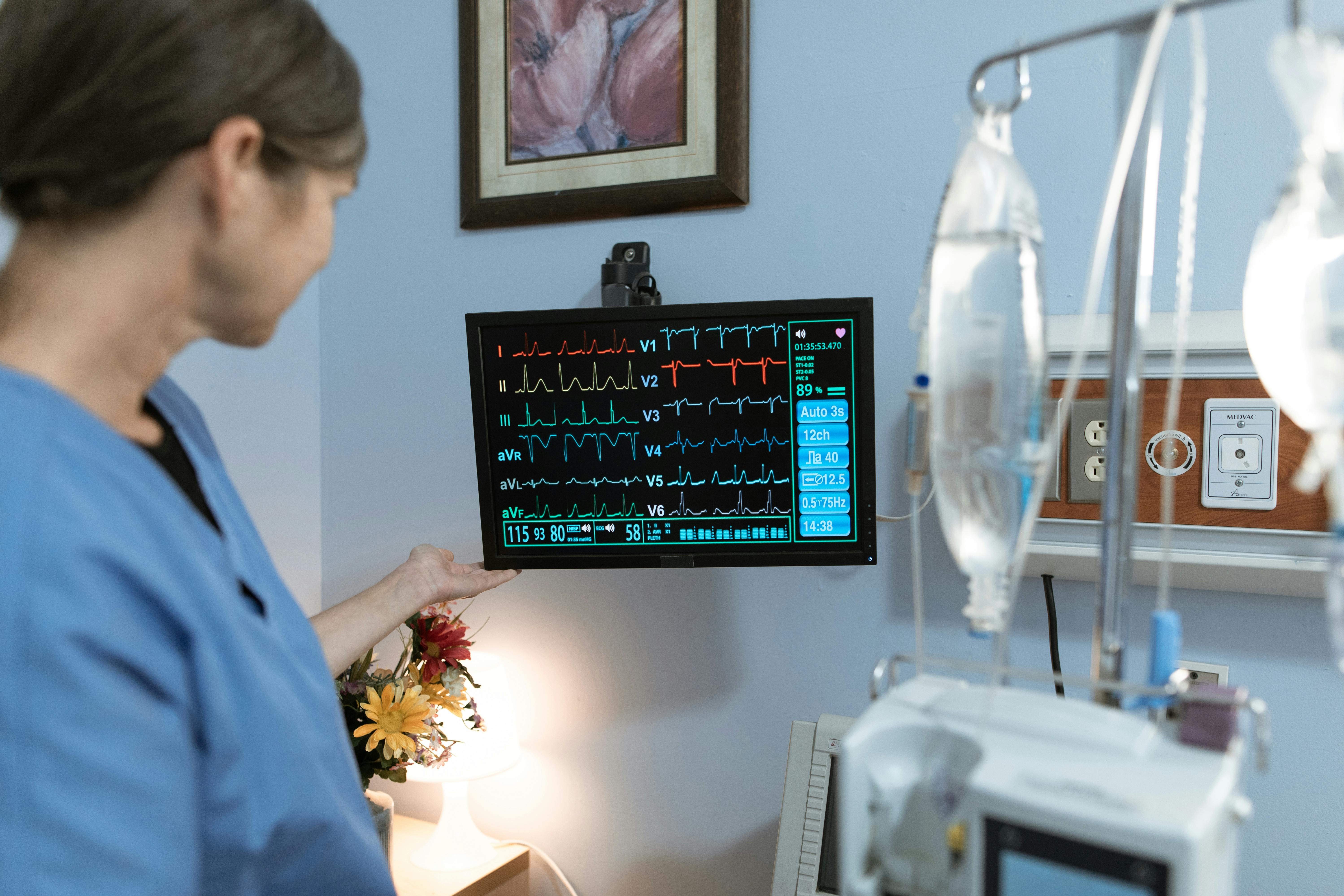
What you can expect in a routine visit
For most healthy adults, a standard gynecologic visit may include:
- A conversation about your menstrual cycle, sexual activity, and concerns.
- Blood pressure, weight, and basic health checks.
- A breast exam (depending on age and risk factors).
- A pelvic exam and/or Pap test, starting at recommended ages and intervals.
How to advocate for yourself during an exam
- Ask for an explanation first. It’s reasonable to say, “Can you walk me through what you’re about to do?”
- Request a chaperone. Many clinics routinely offer one; you can always ask.
- Set boundaries. You can decline any part of an exam, ask to pause, or stop completely.
- Speak up about pain. Discomfort can be normal; sharp pain is not. Tell your clinician right away.
- Bring support. If allowed, a trusted friend or family member can sit in the room (or nearby) if that helps you feel safe.
When “This Can’t Be Normal” Really Isn’t: Symptoms You Shouldn’t Ignore
Some of the most alarming gynecologist stories involve people living for months—or years—with severe symptoms because they were told to “tough it out” or felt too embarrassed to ask for help.
Symptoms that warrant prompt medical attention
- Sudden, severe pelvic pain especially with nausea, vomiting, or fever.
- Heavy vaginal bleeding soaking through a pad or tampon in an hour for several hours, or bleeding during pregnancy.
- Unusual discharge with strong odor, green/gray color, or accompanied by itching or burning.
- Painful sex that is persistent or worsening, not just occasional discomfort.
- New lumps or sores on the vulva, vagina, or around the anus.
These can be signs of infections (including STIs), ovarian torsion, fibroids, endometriosis, or other conditions that are often treatable—but only if you’re seen.
“I’d rather see someone ten times for something that turns out to be benign than have them show up once in a crisis they’ve been quietly enduring.”
— OB‑GYN in outpatient practice
The Hard Stories: Consent, Domestic Violence, and Unsafe Partners
Some BuzzFeed‑style anecdotes describe partners sabotaging birth control, refusing STI testing, or causing deliberate harm. These are not “relationship rough patches”—they are red flags for abuse and reproductive coercion.

Behaviors from a partner that are not okay
- Pressuring or forcing you to have sex when you do not want to.
- Sabotaging condoms or your birth control (e.g., tampering, hiding, or throwing them away).
- Refusing STI testing while insisting on unprotected sex.
- Threatening, insulting, or mocking you for seeking medical care.
- Preventing you from attending appointments or speaking alone with your doctor.
These are forms of abuse. They can seriously impact your physical and mental health, and you are not overreacting if you feel unsafe.
“More than once, a ‘wild story’ has really been someone’s first, terrified attempt to say: ‘My partner is hurting me.’ When that happens, our job is to listen, believe, and help—not to judge.”
— Hospital‑based gynecologist
STIs, Pregnancy Scares, and “Embarrassing” Questions: What Gynecologists See All the Time
Many viral stories come from patients who were convinced they’d be judged for an STI, a condom mishap, or a pregnancy scare. In reality, these are some of the most routine things gynecologists handle.

Common, treatable issues
- Chlamydia and gonorrhea – often no symptoms; easily tested and usually treatable with antibiotics.
- HPV – extremely common; some strains cause warts, others increase cancer risk; vaccines and screening help.
- Yeast infections and BV – very common vaginal infections; not STIs, but can cause discharge/odor/itching.
- Emergency contraception needs – after unprotected sex or birth control failure, time‑sensitive but widely available.
How to make these conversations easier
- Write down your questions beforehand so you don’t freeze in the moment.
- Use simple, direct language: “I had unprotected sex last week and I’m worried about STIs and pregnancy.”
- Ask about confidentiality, especially if you’re on a parent or partner’s insurance plan.
- Request resources in writing (handouts, patient portal messages) so you can review them later.
A Realistic Case Study: From “Wild Story” to Quiet Recovery
To illustrate how these situations can unfold, here’s a composite case based on patterns many gynecologists report. Details are changed to protect privacy, but the themes are very real.
A young woman in her 20s came in with months of severe pelvic pain and heavy bleeding. She’d been told by friends and even a previous clinician that “periods are just awful” and to tough it out. Her partner criticized her for “always being sick” and discouraged her from missing work to see a doctor.
At her visit, a new gynecologist:
- Listened without interrupting and validated that her level of pain was not normal.
- Ordered imaging and labs, eventually diagnosing endometriosis and anemia.
- Connected her to a social worker when she mentioned her partner’s constant put‑downs and birth‑control sabotage.
- Created a stepwise treatment plan: medication, possible surgery, and mental‑health support.
There was no overnight miracle, but with time she:
- Found a safer living situation and ended the relationship.
- Had surgery that significantly reduced her pain.
- Felt informed enough to recognize early warning signs if symptoms returned.
Stories like this rarely go viral because they’re not shocking—they’re just the quiet, steady work of good medicine and patient courage.
Practical Takeaways: Protecting Your Gynecologic Health Day to Day
You don’t need a dramatic story to take your health seriously. A few consistent habits can prevent a lot of emergencies.
Everyday habits that support your reproductive health
- Schedule regular check‑ups based on your age and risk factors.
- Use condoms for new partners or when STI status is unknown.
- Avoid harsh soaps or douching inside the vagina; it cleans itself.
- Track your cycle and symptoms using a journal or app.
- Seek care early when something feels “off,” rather than waiting in fear.

When to seek urgent or emergency care
Consider urgent or emergency care (or calling your local emergency number) if you experience:
- Sudden, severe pelvic or abdominal pain.
- Heavy bleeding with dizziness, fainting, or pregnancy.
- Signs of infection after a procedure: fever, worsening pain, foul‑smelling discharge.
- Sexual assault or serious injury to the genital area.
Turning Viral Shock Into Quiet Strength
The wildest gynecologist stories grab attention, but your body deserves more than entertainment value—it deserves care, respect, and accurate information. If any detail from those BuzzFeed‑style threads sticks with you, let it be this: you are allowed to ask questions, set boundaries, and get help, even if you’re afraid of being judged.
You don’t need perfect habits or the “right” relationship status to deserve good care. You only need to be human—and you already are.
Your next step can be small:
- Jot down one symptom or question you’ve been ignoring.
- Look up one trusted resource (like ACOG or the CDC) and read for five minutes.
- Schedule—or at least plan—your next check‑up, even if it’s months away.
The internet will keep sharing unbelievable stories. Your job is simpler and far more important: pay attention to your own, and get the support you need to keep writing it in safety and health.
