Gut-Health Superfoods: How Ferments and Prebiotic Fibers Are Redefining the Microbiome Diet
Gut‑Healthy Miso Kimchi Grain Bowl (Ferments & Prebiotic Veggies)
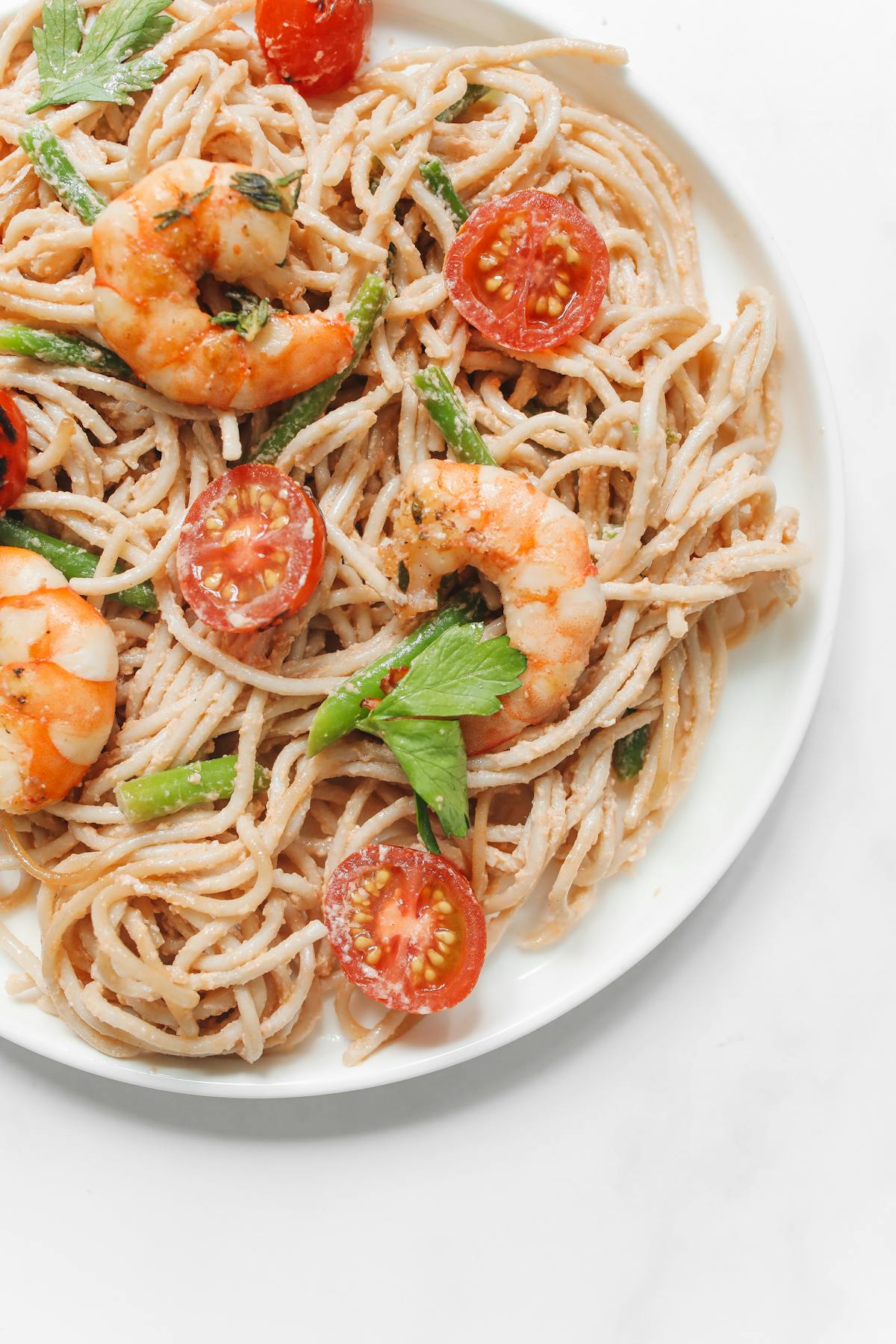
Gut health has become the star of modern wellness, and this comforting gut‑healthy miso kimchi grain bowl brings that trend straight into your kitchen. Packed with fermented foods (miso, kimchi), prebiotic fibers (onion, garlic, asparagus, oats or barley), and vibrant veggies, it’s a cozy, deeply savory bowl that gently supports your microbiome without feeling like “health food.”
Think of it as a weeknight‑friendly take on the microbiome diet: warm grains, crunchy kimchi, silky miso dressing, and a rainbow of gut‑loving plants in every bite—perfect for anyone curious about ferments, digestion, and food‑mood connections.
Recipe Snapshot & Gut‑Health Trend at a Glance
Prep Time: 20 minutes
Cook Time: 25 minutes
Total Time: 45 minutes
Servings: 4 bowls
Difficulty: Easy
Diet: Vegetarian, gut‑friendly
This bowl weaves together key elements of the gut‑health superfood boom:
- Fermented foods: kimchi and miso bring live cultures and deep umami.
- Prebiotic fibers: onions, garlic, asparagus, oats or barley, and beans help feed beneficial microbes.
- Plant diversity: easily mix and match veggies to help you hit the popular
30 plants a week
goal.
You’ll taste layers of savory miso, gentle tang from kimchi, and the natural sweetness of roasted vegetables, all on a nutty, satisfying grain base. The textures—chewy grains, crunchy toppings, creamy dressing—keep each bite interesting and deeply comforting.
Ingredients for a Microbiome‑Friendly Grain Bowl
Equipment Needed
- Medium saucepan with lid (for grains)
- Large baking sheet
- Mixing bowl and small whisk
- Cutting board and sharp knife
- Measuring cups and spoons
- Serving bowls
Grain Base
- 1 cup (190 g) dry brown rice, barley, or steel‑cut oats
- 2 1/4 cups (530 ml) water or low‑sodium vegetable broth
- 1/4 teaspoon fine sea salt
Roasted Prebiotic Veggies
- 1 medium red onion, sliced into wedges
- 3 cloves garlic, smashed but left in their skins
- 8–10 asparagus spears, trimmed and cut into 2.5 cm pieces
- 1 small sweet potato, cubed (about 1 1/2 cups / 200 g)
- 2 tablespoons extra‑virgin olive oil
- 1/2 teaspoon ground turmeric
- 1/4 teaspoon ground black pepper
- 1/2 teaspoon salt (or to taste)
Protein & Ferments
- 1 can (400 g) chickpeas or lentils, drained and rinsed
- 1 cup (about 150 g) kimchi, roughly chopped
- 2 tablespoons toasted pumpkin seeds or sunflower seeds
Creamy Miso Gut‑Friendly Dressing
- 2 tablespoons white or yellow miso paste
- 2 tablespoons plain yogurt or kefir (dairy or dairy‑free)
- 1 tablespoon apple cider vinegar or rice vinegar
- 1 tablespoon extra‑virgin olive oil
- 1–2 teaspoons honey or maple syrup, to taste
- 2–3 tablespoons water, to thin as needed
Fresh Toppings (Plant‑Diversity Boosters)
- 1 small cucumber, thinly sliced
- 1 medium carrot, shredded
- 2 green onions, thinly sliced
- Small handful fresh herbs (coriander, parsley, or mint), chopped
- Optional: 1 small slightly green banana, very thinly sliced, for extra prebiotic fiber
How to Make This Gut‑Healthy Grain Bowl (Step by Step)
- Cook the grains.
Rinse your chosen grain under cold water. In a medium saucepan, combine the grain, water or broth, and salt. Bring to a boil, then reduce to a gentle simmer, cover, and cook until tender (about 25 minutes for brown rice or barley; follow package directions). Fluff with a fork, cover, and keep warm.
- Prep and roast the veggies.
Preheat the oven to 200 °C (400 °F). On a baking sheet, toss onion wedges, smashed garlic (still in skins), asparagus pieces, and sweet potato cubes with olive oil, turmeric, black pepper, and salt. Spread in an even layer. Roast for 20–25 minutes, stirring once, until the sweet potato is tender and the edges of the onions are caramelised.
- Warm the legumes.
In the last 5 minutes of roasting, scatter the drained chickpeas or lentils onto one side of the baking sheet. Roast just until warmed through and lightly dried on the surface—this gives them a pleasant, slightly nutty chew.
- Make the miso gut‑friendly dressing.
In a small bowl, whisk together miso paste, yogurt or kefir, vinegar, olive oil, and honey or maple syrup. Add 2 tablespoons of water and whisk until smooth and pourable, adding more water as needed. Taste and adjust: more vinegar for tang, more sweetener to balance the saltiness of the miso.
- Prep fresh toppings and kimchi.
While the grains and vegetables finish, slice cucumber and green onions, shred the carrot, chop the herbs, and thinly slice the slightly green banana if using. Roughly chop the kimchi so it’s easy to distribute in each bowl.
- Assemble the bowls.
Divide the warm grains among 4 bowls. Top each with a generous scoop of roasted vegetables and chickpeas or lentils. Add a small mound of kimchi, then arrange cucumber, carrot, herbs, and banana slices (if using) around the bowl. Drizzle with the miso dressing and sprinkle with toasted seeds.
- Serve and enjoy mindfully.
Serve immediately while the grains and roasted vegetables are warm and the kimchi is still crisp and cool. Take a moment to notice the aromas—the toasty grains, the tang of kimchi, the gentle garlic—and how the textures play together.
Serving Ideas, Pairings, and Microbiome‑Friendly Add‑Ons
This gut‑health grain bowl is a complete meal on its own, but you can easily turn it into a full microbiome‑friendly menu:
- Starter: a small cup of vegetable or miso soup (cooled slightly to keep live cultures).
- Drink: unsweetened green tea or a small glass of kombucha if you tolerate it.
- Dessert: a bowl of mixed berries with a square of dark chocolate (70%+ cocoa) for polyphenols.
Many people track “plants per week” instead of calories now. This bowl alone can get you 10+ different plant foods in one sitting—an easy win for anyone following the “30 plants a week” microbiome challenge.
Variations, Substitutions, and Gut‑Health Notes
Flavor Variations
- Spicy probiotic kick: add a spoonful of gochujang or chili paste to the dressing if you enjoy heat.
- Tempeh topper: pan‑sear marinated tempeh cubes for extra fermented protein.
- Olive‑oil and herb focus: drizzle with more extra‑virgin olive oil and add oregano or thyme for extra polyphenols.
If Your Gut Is Sensitive
People with IBS, IBD, SIBO, or histamine intolerance sometimes struggle with certain ferments or fibers. You know your body best, so tweak as needed:
- Use a small amount of kimchi or swap for lactose‑free yogurt if ferments trigger symptoms.
- Skip or reduce onion and garlic and lean more on chives, green onion tops, or herbs.
- Increase fiber gradually over days to reduce bloating and gas.
Storage, Meal Prep, and Reheating Tips

Storage
- Grains & roasted veggies: store together in an airtight container in the fridge for up to 4 days.
- Dressing: keep in a small jar in the fridge for up to 5 days; thin with a splash of water if it thickens.
- Kimchi & fresh toppings: store separately and add just before eating to maintain crunch and live cultures.
Reheating
- Reheat grains and roasted veggies gently on the stove with a splash of water, or in the microwave until hot.
- Add kimchi and dressing after reheating to preserve beneficial bacteria and fresh flavor.
For easy lunches, portion grains and roasted vegetables into containers, then pack a small jar of dressing and a separate container of kimchi and fresh veggies to add at work or school.
How This Bowl Fits into the Gut‑Health & Microbiome Trend
Social feeds are full of “microbiome diet” promises, bloating cures, and personalized stool tests. While the science is still evolving, most experts agree on a few solid, practical habits this bowl embodies:
- More minimally processed plants: fruits, vegetables, whole grains, legumes, nuts, seeds.
- Regular fermented foods: like kimchi, yogurt, kefir, miso, or tempeh—if you tolerate them.
- Less ultra‑processed food: especially those very high in refined sugars and additives.
Instead of chasing miracle fixes, come back to recipes like this one: colorful, satisfying, full of fiber and flavor. Cook it often, tweak it to your taste, and let your gut health be shaped by small, delicious habits over time.