
Gut Health 2.0: How Fermented Foods and Prebiotic Fibers Transform Your Microbiome
Gut Health 2.0: Fermented Foods, Prebiotics, and the Microbiome Diet
Gut health has grown from a niche interest into a full-blown culinary movement. We’re beyond “just take a probiotic” now. Home cooks, dietitians, and food lovers are building entire plates around feeding their “gut bugs” with vibrant fermented foods, prebiotic-rich plants, and microbiome-friendly meals that support digestion, immunity, and even mood.
In this guide, we’ll walk through what Gut Health 2.0 really looks like in the kitchen—anchored in current research, but translated into colorful salads, cozy bowls, and fizzy ferments you can make at home, no lab coat required.

From Probiotic Pills to Microbiome-Focused Eating
For years, gut health advice was dominated by supplements: capsules, powders, and pricey “miracle” probiotic blends. Today, the conversation has shifted toward dietary patterns that naturally support a diverse, resilient gut microbiome.
On TikTok, Instagram, and YouTube, creators now build their breakfasts, lunches, and dinners around:
- Fermented foods like yogurt, kefir, kombucha, kimchi, sauerkraut, miso, tempeh, and traditionally fermented pickles.
- Prebiotic fibers found in onions, garlic, leeks, asparagus, beans, lentils, oats, barley, and fruit like bananas and apples.
- Plant diversity challenges, such as hitting 20–30+ different plant foods per week to feed a broad range of gut microbes.
The tone is less about restriction and more about abundance: big salad bowls scattered with seeds and herbs, stews packed with beans and veggies, and a spoonful of kimchi or yogurt on the side “for the gut.”
Instead of obsessing over what to cut, Gut Health 2.0 asks: What delicious foods can I add to nourish my microbiome today?
Why Gut Health Matters: Digestion, Immunity, and Mood
Your gut is home to trillions of microbes—bacteria, yeasts, and other tiny organisms—that help break down food, produce vitamins, and train your immune system. Together, they form the gut microbiome, a community that scientists now link to:
- Digestive health: Regularity, less bloating, and better tolerance of certain foods.
- Immunity and inflammation: Many immune cells “live” in or near the gut; microbes help regulate them.
- Mood and mental health: Through the gut–brain axis, gut microbes can influence brain-signaling pathways, which is being studied in relation to anxiety, depression, and stress.
- Metabolic health: Associations with weight regulation, insulin sensitivity, and metabolic syndrome.
Research is evolving, and not every claim online is backed by strong evidence. However, experts broadly agree that:
- A diverse, fiber-rich, plant-forward diet supports a more resilient microbiome.
- Whole foods usually do more for gut health than expensive, heavily marketed supplements.
- Consistency over time matters more than dramatic “gut resets” or extreme cleanses.
Fermented Foods: Traditional, Trendy, and Microbiome-Friendly
Fermented foods feel almost magical: humble ingredients transformed by microbes into tangy, complex, deeply flavorful staples. Around the world, cultures have long relied on fermentation to preserve food and build flavor—think:
- Kimchi and gochujang in Korea
- Sauerkraut in Central and Eastern Europe
- Miso and natto in Japan
- Yogurt and kefir across the Middle East and Eastern Europe
- Fermented cassava and maize in parts of Africa and Latin America
Many of these foods contain live cultures (when unpasteurized), along with organic acids and bioactive compounds that may support gut health. Even when the microbes don’t survive digestion, fermented foods can still contribute flavor, variety, and better digestibility.

Prebiotic Fibers: Feeding Your Gut Bugs
If fermented foods are like inviting friendly guests into your home, prebiotics are the pantry you keep stocked to feed them. Prebiotics are types of fiber and plant compounds that your body can’t fully digest, but your gut microbes can. As they break these fibers down, they produce beneficial compounds like short-chain fatty acids.
Common prebiotic-rich foods include:
- Alliums: onions, garlic, leeks, shallots
- Veggies: asparagus, artichokes, Jerusalem artichokes
- Grains: oats, barley, whole wheat, rye
- Legumes: beans, lentils, chickpeas, peas
- Fruits: bananas (especially slightly underripe), apples, berries
- Nuts & seeds: flaxseeds, chia seeds, pistachios
The beauty of prebiotics is that you don’t need a special product; they’re already hiding in everyday plant foods you can toss into salads, soups, stews, and breakfast bowls.
The 30-Plant Challenge: Why Diversity Matters
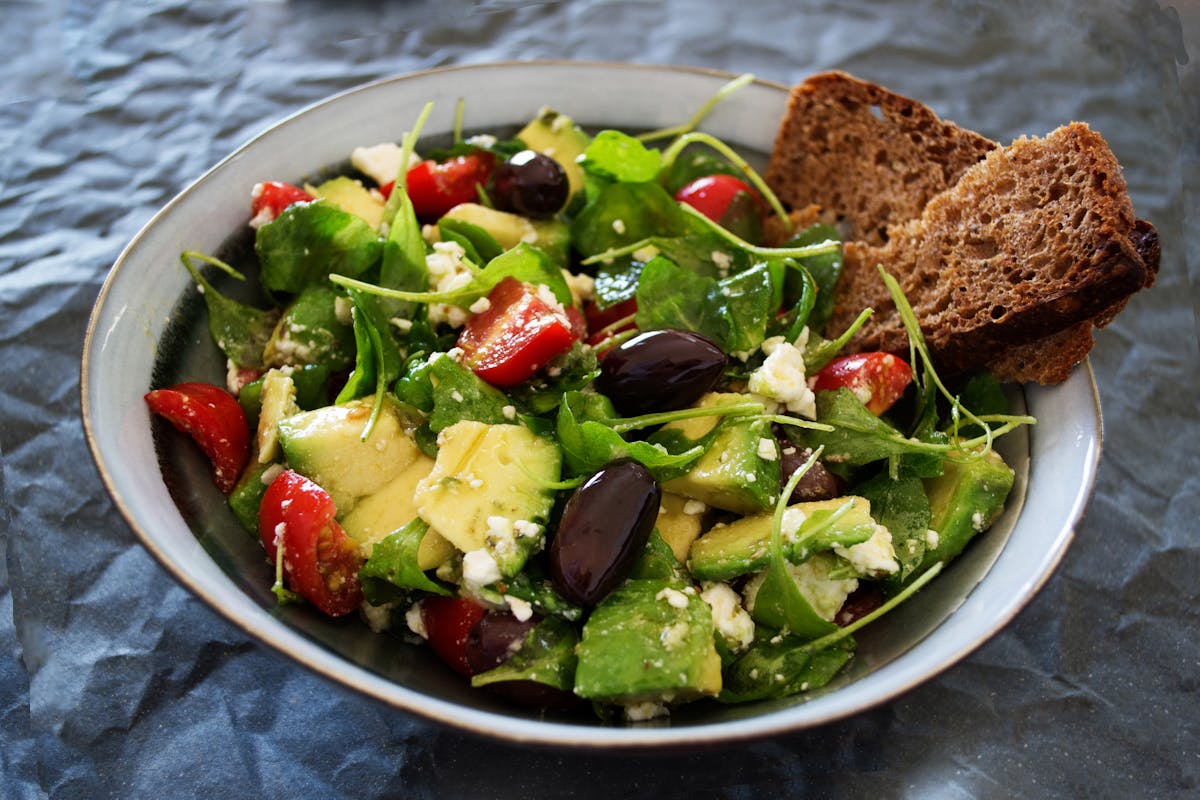
One of the most popular gut health trends right now is the “30 plants per week” challenge. The idea is simple: aim to eat at least 30 different plant foods each week—fruits, vegetables, herbs, spices, grains, legumes, nuts, and seeds all count.
This trend grew from research suggesting that people who eat a wider variety of plants tend to have more diverse gut microbiomes. Different microbes like different fibers and phytochemicals, so a colorful, varied plate feeds a broader microbial community.
You can turn this into a fun personal game:
- Sprinkle mixed seeds (pumpkin, sunflower, sesame) over salads and soups.
- Use herb blends—cilantro, parsley, basil, dill—for quick “extra plants.”
- Mix legumes (chickpeas, black beans, lentils) into grains or pasta rather than serving them alone.
- Rotate fruits: berries one day, kiwi the next, citrus on another.
Recipe: Gut-Health Power Bowl with Kimchi, Kefir Dressing, and Crunchy Seeds
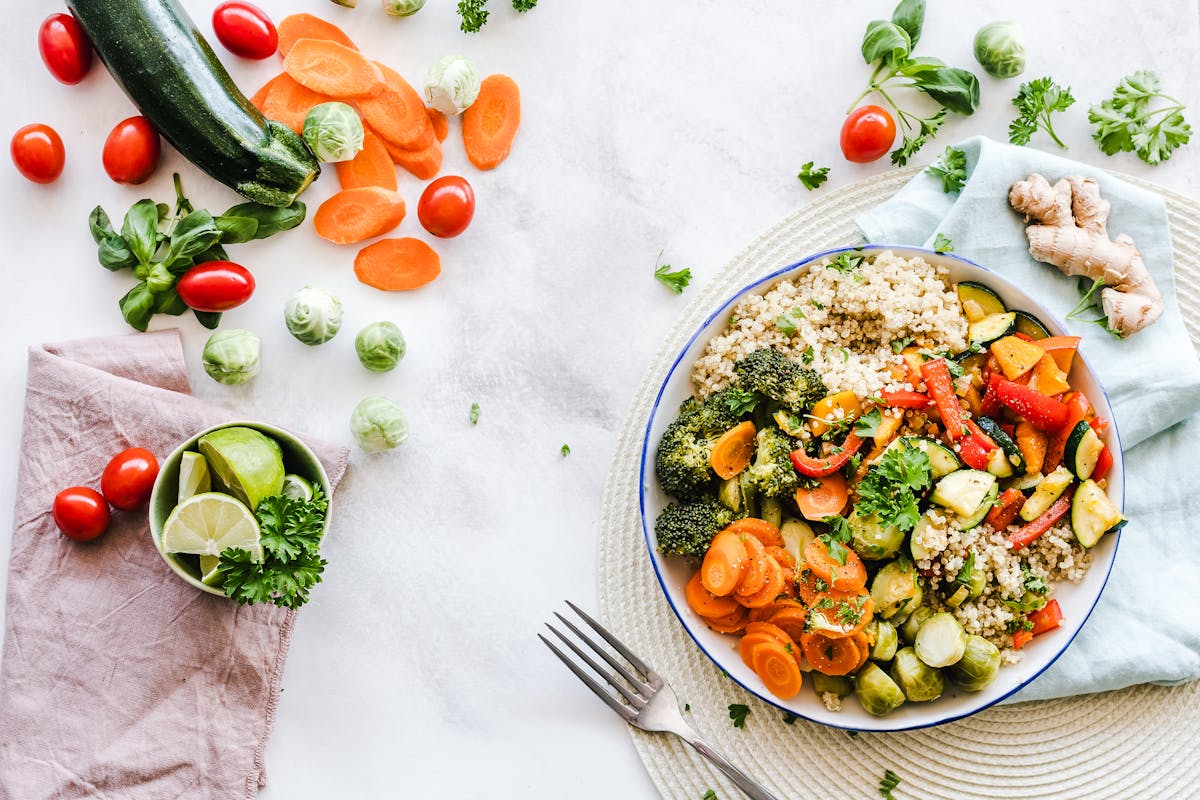
This vibrant gut-health power bowl layers fermented kimchi, creamy kefir-yogurt dressing, and a rainbow of prebiotic-rich veggies, beans, and grains. It’s simple enough for a weeknight but feels like the kind of bowl you’d proudly post on social media.
Quick Recipe Summary
Prep time: 20 minutes
Cook time: 15 minutes
Total time: 35 minutes
Servings: 2 hearty bowls
Difficulty: Easy
Diet: Gut-health friendly, high-fiber; easily gluten-free & vegetarian
Equipment
- Medium saucepan (for grains)
- Cutting board and sharp knife
- Small bowl or jar for dressing
- 2 serving bowls
- Measuring cups and spoons
Ingredients
For the grain base
- 1/2 cup (90 g) cooked whole grains per person (about 1 cup / 180 g cooked each), such as quinoa, brown rice, barley, or farro
- 1 cup (240 ml) water or low-sodium vegetable broth
- Pinch of salt
For the bowl toppings
- 1 cup (170 g) cooked beans (e.g., chickpeas, black beans, or lentils), rinsed and drained if canned
- 1 small carrot, shredded or cut into matchsticks
- 1/2 small cucumber, thinly sliced
- 1 small red or yellow bell pepper, thinly sliced
- 1/2 small red onion, very thinly sliced
- 1–2 cups (about 60–100 g) mixed leafy greens (spinach, kale, or salad mix)
- 1/2 cup (about 75 g) kimchi or naturally fermented sauerkraut
- 1 small avocado, sliced (optional but highly recommended for creaminess)
- 2 tablespoons mixed seeds (sunflower, pumpkin, sesame, or flax)
- Fresh herbs such as cilantro, parsley, or green onions, chopped (about 1/4 cup loosely packed)
For the kefir–yogurt gut-friendly dressing
- 1/4 cup (60 ml) plain kefir (or extra yogurt)
- 1/4 cup (60 g) plain yogurt (Greek or regular)
- 1 tablespoon extra-virgin olive oil
- 1 teaspoon Dijon mustard
- 1 small garlic clove, finely grated or minced
- 1 tablespoon lemon juice or apple cider vinegar
- 1 teaspoon honey or maple syrup (optional, to taste)
- Salt and freshly ground black pepper, to taste
Step-by-Step Instructions
- Cook the grains.
Rinse your chosen grain under cool water. In a saucepan, combine grains with water or broth and a pinch of salt. Bring to a boil, then reduce heat to low, cover, and simmer until tender (timing depends on the grain—follow package directions). Fluff with a fork and set aside.
- Prep the veggies and beans.
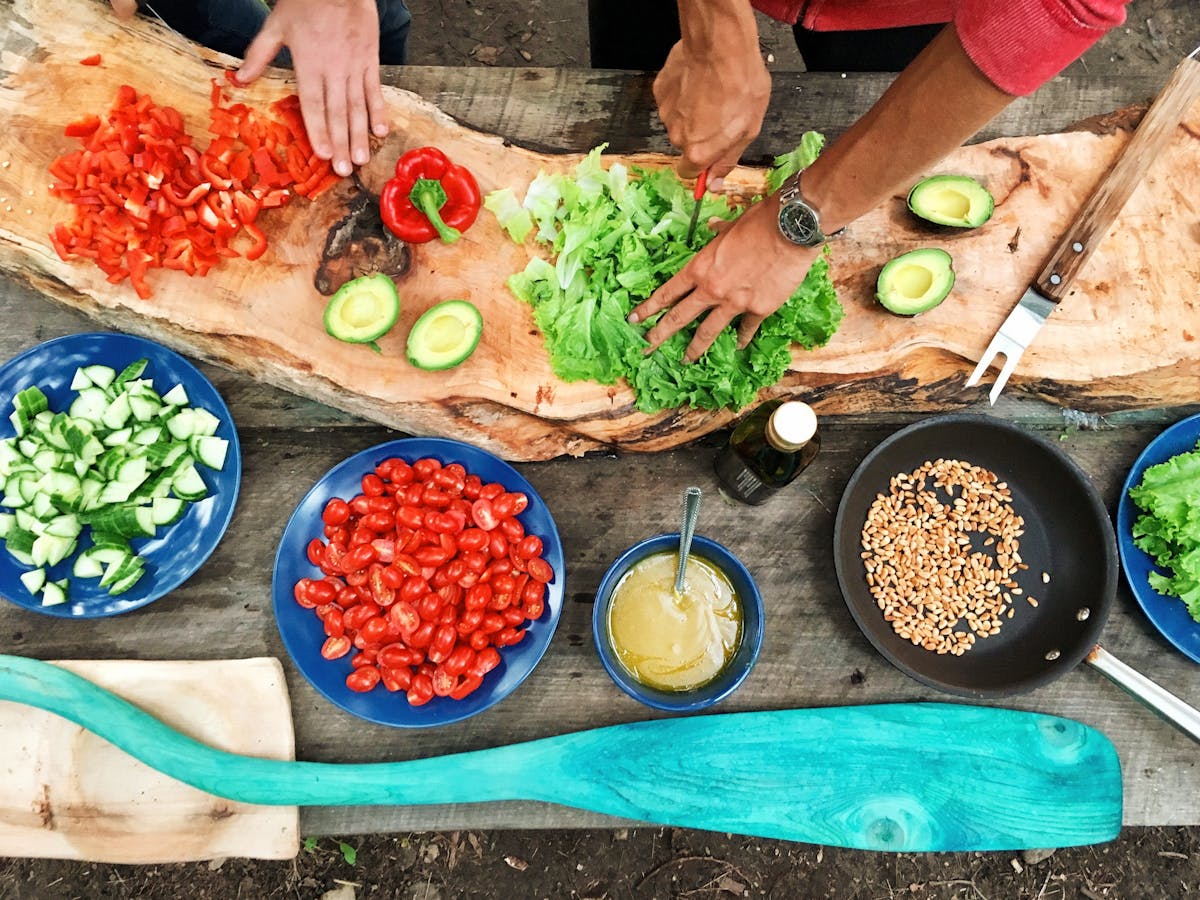
While the grains cook, rinse and slice the cucumber, bell pepper, and onion; shred the carrot; rinse and drain the beans. Wash and dry the leafy greens. Slice the avocado just before assembling to keep it from browning.
- Make the kefir–yogurt dressing.
In a small bowl or jar, whisk together kefir, yogurt, olive oil, Dijon, garlic, lemon juice, and honey or maple (if using). Season generously with salt and pepper. Taste: you’re aiming for a creamy, tangy dressing with a gentle garlicky kick. Thin with a splash of water if needed.
- Warm (or cool) your base.
You can serve this bowl warm, room temperature, or cool. For a cozy version, keep the grains warm. For a refreshing lunch, let them cool slightly before assembling.
- Assemble the bowls.
Divide the grains between two bowls. Top each with a handful of greens, then arrange beans, carrot, cucumber, bell pepper, and onion in little “piles” around the bowl so you can see all the colors. Add a generous spoonful of kimchi or sauerkraut to each bowl and tuck in the avocado slices.
- Add crunch, herbs, and dressing.
Sprinkle each bowl with mixed seeds and chopped herbs. Drizzle with the kefir–yogurt dressing right before serving. Toss gently at the table or eat as-is, enjoying a bit of every texture in each bite.
- Taste and adjust.
If the flavors feel flat, add a squeeze of lemon, a pinch more salt, or an extra spoonful of kimchi brine over the top—that tangy liquid is pure umami and a secret seasoning weapon.
Gut-Friendly Variations and Dietary Swaps
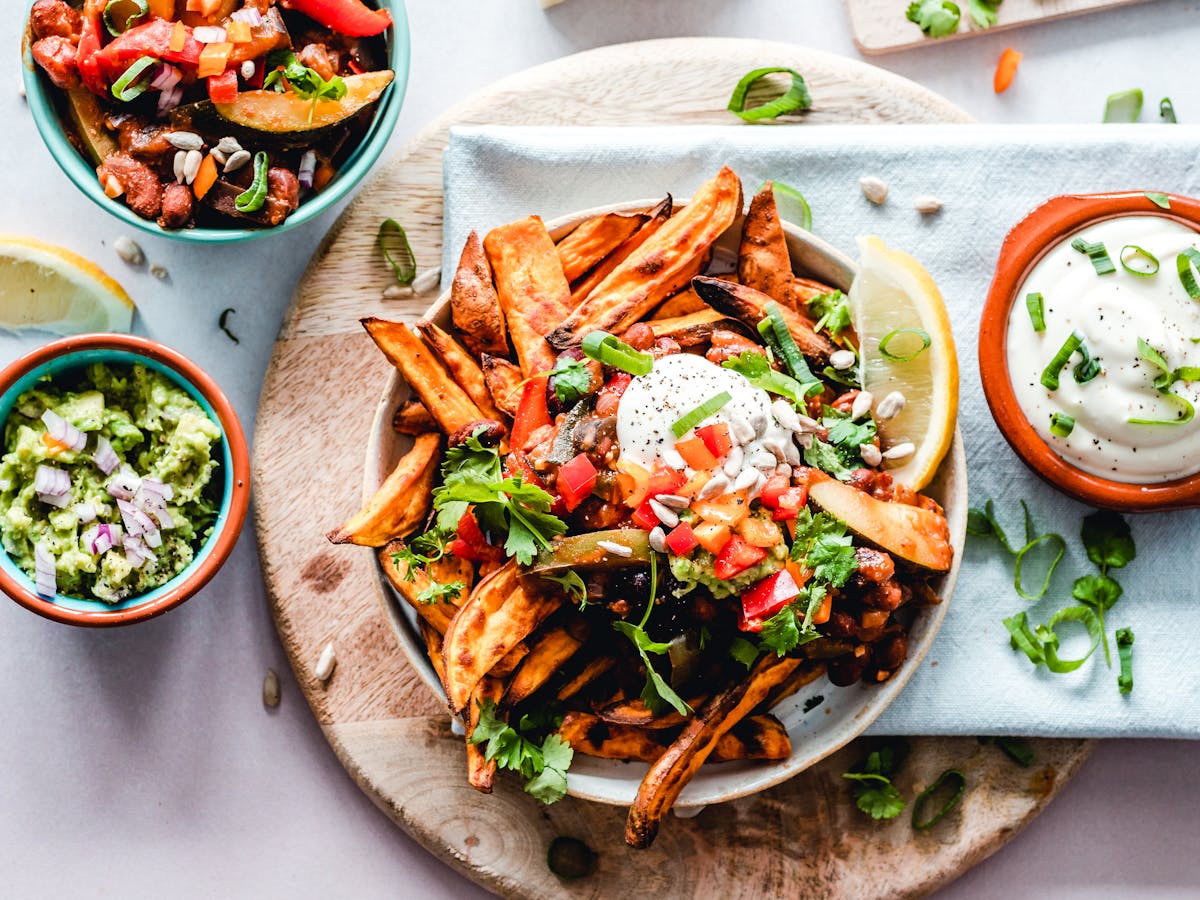
The beauty of this microbiome bowl is how flexible it is. You can swap ingredients based on season, cravings, or dietary needs.
Make it vegetarian or vegan
- Vegetarian: The base recipe is already vegetarian as long as your kimchi is fish-free.
- Vegan: Swap kefir and yogurt for a plain, unsweetened plant yogurt and thin with a splash of water or oat milk. Add a spoonful of miso for extra savoriness and live cultures.
Make it gluten-free
- Use naturally gluten-free grains like quinoa, brown rice, or buckwheat.
- Check labels on kimchi, miso, and sauces to make sure they’re certified gluten-free.
For sensitive digestions (IBS, low FODMAP considerations)
- Use smaller amounts of high-FODMAP ingredients like onion, garlic, and some beans.
- Swap red onion for the green tops of scallions, and flavor the dressing with garlic-infused oil instead of whole garlic if needed.
- Introduce fermented foods slowly and pay attention to how your body responds.
Storage, Meal Prep, and Reheating Tips
This bowl is meal-prep friendly if you store components separately. Here’s how to keep everything fresh and gut-friendly:
- Grains: Store cooked grains in an airtight container in the fridge for up to 4 days. Reheat with a splash of water on the stove or in the microwave, or enjoy cold in salads.
- Beans: Keep cooked beans refrigerated in their cooking liquid or a bit of water for up to 3–4 days. Rinse before using if they taste too salty.
- Chopped veggies: Store separately in containers or jars. Heartier veggies (carrot, bell pepper, cucumber) keep well for 2–3 days.
- Dressing: Kefir–yogurt dressing can be refrigerated in a sealed jar for 3 days. Shake well before using.
- Fermented foods: Keep kimchi, sauerkraut, and miso refrigerated in their original containers, tightly sealed. Use clean utensils to avoid contamination.
- Assembly: For best texture, assemble the bowl right before eating so the greens stay perky and the seeds stay crunchy.
Avoid heating fermented foods like kimchi and sauerkraut too aggressively if your goal is preserving live cultures—add them at the end, as a cool or room-temperature topping.
Serving Suggestions and Gut-Friendly Pairings
You can enjoy this gut-health bowl on its own, or build a full microbiome-friendly menu around it:
- Starter: A small cup of miso soup with seaweed and tofu.
- Side: A crunchy plate of quick-pickled radishes or carrots, lightly fermented or marinated in vinegar.
- Drink: A glass of kombucha, water kefir, or simply sparkling water with lemon and a few smashed berries.
- Dessert: Plain yogurt or plant yogurt topped with berries, chia seeds, and a drizzle of honey.
Think in terms of contrast: crisp and creamy, tangy and sweet, warm and cool. The more textures and flavors you bring to the table, the more satisfying your gut-friendly meals will feel.
Navigating Hype: Food First, Supplements Second
As gut health exploded in popularity, so did expensive powders, test kits, and “miracle” detoxes. Many gastroenterologists and dietitians now emphasize a more grounded approach:
- Most people don’t need extreme elimination diets or multiple probiotic supplements.
- Supplements can be useful in specific medical situations, but they’re not a shortcut past a generally unbalanced diet.
- Long-term habits—like eating more plants, cooking at home, and managing stress—often matter more than short-term cleanses.
When in doubt, come back to your plate: Is it colorful? Does it include fiber, healthy fats, and fermented or minimally processed foods? If so, you’re already practicing Gut Health 2.0 far more effectively than any trendy powder can promise.
Bringing Gut Health 2.0 into Your Own Kitchen
Supporting your microbiome doesn’t require perfection, a brand-new pantry, or an endless budget. It starts with small, delicious choices: a spoonful of sauerkraut next to your eggs, beans added to your pasta, an extra handful of herbs on your salad, or a cozy bowl like the one in this guide.
Play with plant diversity. Try one new fermented food this month. Notice which meals leave you feeling comfortably satisfied and energized. Over time, these gentle shifts can add up to a gut environment that’s more balanced, resilient, and uniquely yours.
You don’t have to cook like a chef to eat like your microbes matter. Just start where you are, with the ingredients you have, and keep asking: How can I make this meal just a little more colorful, fibrous, and fermented?
