
Gut Health 2.0: How Fermented Foods and Polyphenol-Rich Recipes Are Transforming the Microbiome Diet
Gut Health 2.0 & A Vibrant Fermented Veggie Grain Bowl (Microbiome Diet Recipe)
Gut Health 2.0 is shifting the wellness spotlight from generic probiotic pills to delicious, everyday foods—like tangy fermented vegetables, fiber-rich grains, and polyphenol-packed berries and herbs—that naturally nourish a diverse microbiome. This research-informed “microbiome diet” trend, fueled by podcasts, TikTok explainers, and long-form YouTube deep dives, is helping home cooks turn supper into a small daily act of self-care. Here, we’ll unpack what’s new in gut health and then bring it to life with a colorful, crunchy, deeply satisfying fermented veggie grain bowl that’s friendly to your microbiome and joyful to eat.

What Is “Gut Health 2.0” and the Microbiome Diet?
In 2025–2026, gut health content evolved from “take this probiotic” to “build your microbiome with food”. Popular science books, high-profile podcasts, and long-form YouTube channels have made microbiome research feel approachable—and social media has turned it into snackable tips.
On TikTok and Instagram Reels, you’ll see bite-sized segments:
- “3 gut-friendly foods I eat daily”
- “What I eat in a day for my microbiome”
- “Simple fermented foods for beginners”
Many people living with bloating, IBS-like symptoms, or low energy are looking for non-pharmaceutical ways to feel better. While the science is still emerging, a few themes consistently appear in research and responsible gut-health content.
“Instead of chasing a perfect microbiome, we’re finally learning to feed the one we have—slowly, kindly, and deliciously.”
Core Pillars of the Modern Microbiome Diet
1. Fermented Foods: Everyday Live Cultures
Fermented foods like yogurt, kefir, kimchi, sauerkraut, miso, tempeh, and kombucha are front and center. They’re beloved not just for their live microbes, but for their lively flavors and aromas—think:
- The fizz and gentle tang of kombucha on your tongue
- The garlicky, chili-laced aroma of kimchi hitting a hot pan
- The nutty, savory depth of miso whisked into warm broth
Small human studies suggest that regular intake of fermented foods can modestly support microbiome diversity and may help lower inflammation markers. It’s not magic—but it’s a flavorful habit with promising data behind it.
2. Fiber Diversity: “30 Plants per Week”
A big message of Gut Health 2.0 is diversity over perfection. Instead of obsessing over grams of fiber, many scientists and dietitians now encourage people to aim for around 30 different plant foods per week.
That includes:
- Vegetables and fruits
- Whole grains and pseudograins (oats, quinoa, buckwheat)
- Legumes (beans, lentils, chickpeas)
- Nuts and seeds
- Herbs and spices (yes, they count!)
Different fibers feed different microbes, helping build a more resilient microbial “community” linked to metabolic and immune health.
3. Polyphenol-Rich Superfoods: Color as a Clue
Polyphenols are plant compounds found in deeply colored foods. Your microbes help break them down into bioactive metabolites that may support heart, brain, and gut health.
Common polyphenol-rich favorites include:
- Berries (blueberries, raspberries, blackberries)
- Extra-virgin olive oil
- Dark chocolate (look for higher cocoa content)
- Green tea and coffee
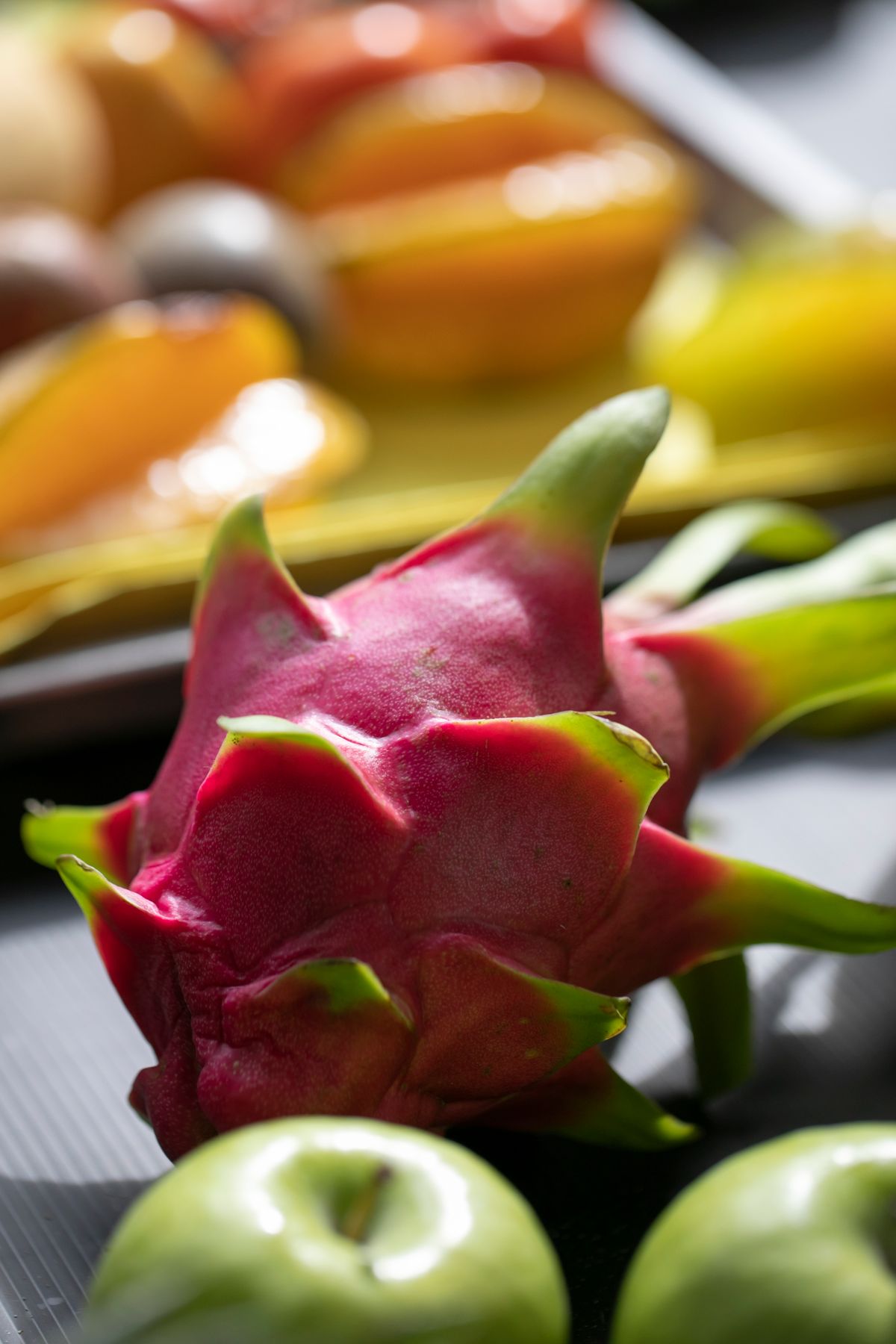
- Colorful vegetables like red cabbage, beetroot, and purple carrots
4. Cutting Back on Ultra-Processed Foods
While there’s no single “bad food” list, many gut-health educators suggest reducing ultra-processed foods—especially those high in:
- Refined sugars and starches
- Certain emulsifiers and stabilizers
- Artificial sweeteners that may, in some people, affect blood sugar or the microbiome
The focus isn’t on rigid restriction, but on crowding your plate with more whole, minimally processed, plant-rich meals.
Recipe: Fermented Veggie & Polyphenol Power Grain Bowl
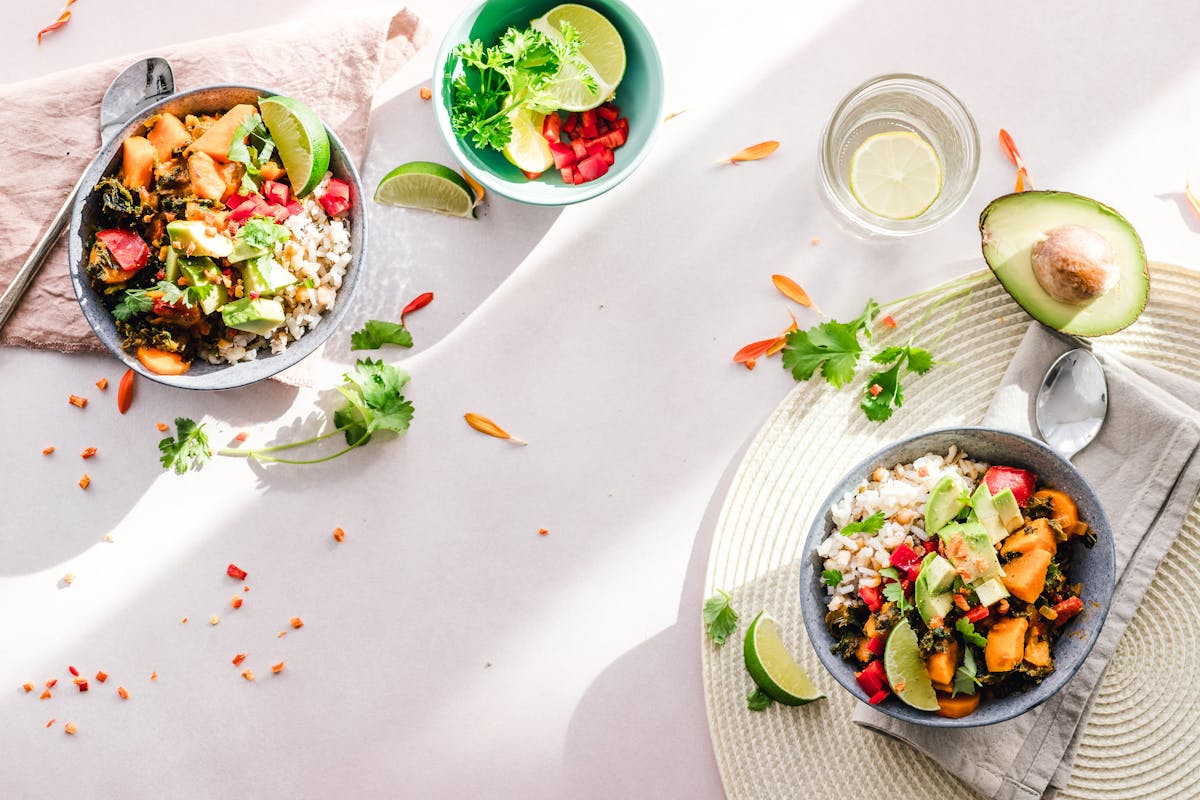
This fermented veggie grain bowl is my go-to “microbiome diet” lunch: warm, nutty whole grains; crunchy, tangy fermented vegetables; creamy yogurt or tahini; a shower of fresh herbs; and a drizzle of extra-virgin olive oil. It’s naturally vegetarian, easily made vegan, and packed with fiber, plant diversity, and polyphenols.
Equipment You’ll Need
- Medium saucepan with lid (for cooking grains)
- Cutting board and sharp knife
- Mixing bowl for dressing
- Small jar with lid (optional, for shaking dressing)
- Measuring cups and spoons
- Two wide, shallow bowls for serving
Ingredients (Gut-Friendly Grain Bowl)
For the Grain & Vegetable Base
- 1 cup (200 g) cooked whole grain (e.g., quinoa, brown rice, barley, or buckwheat)
- 1 cup (approx. 100 g) shredded red or green cabbage
- 1 medium carrot, julienned or grated
- 1 small cucumber, thinly sliced or chopped
- 1 small bell pepper (any color), thinly sliced
- 1 cup (about 120 g) mixed leafy greens (spinach, arugula, or lettuce)
Fermented & Protein Toppings
- 1/2 cup (about 100 g) kimchi or raw sauerkraut (choose unpasteurized, chilled products when possible)
- 1/2 cup (120 g) plain yogurt or kefir (use unsweetened; dairy or plant-based with live cultures)
- 1/2 cup (90 g) cooked legumes (chickpeas, lentils, or black beans), rinsed if canned
Polyphenol & Crunch Boosters
- 2 tablespoons extra-virgin olive oil
- 2 tablespoons mixed seeds (pumpkin, sunflower, sesame, or hemp)
- 2 tablespoons fresh herbs, chopped (parsley, cilantro, dill, or mint)
- Optional: 1/4 cup (40 g) pomegranate seeds or blueberries for a sweet-tart pop
Simple Gut-Friendly Dressing
- 2 tablespoons extra-virgin olive oil (if you didn’t already add above)
- 1–2 tablespoons lemon juice or apple cider vinegar
- 1 teaspoon wholegrain mustard or miso paste
- 1/2–1 teaspoon honey or maple syrup (optional, for balance)
- Sea salt and freshly ground black pepper, to taste
Step-by-Step Instructions

- Cook the grains (if not already cooked).
Rinse your chosen grain under cool water. Cook according to package directions (for example, 1 cup quinoa to 2 cups water; bring to a boil, reduce heat, cover, and simmer 15 minutes). When tender, fluff with a fork and let cool slightly so the grains are warm, not steaming hot. - Prep the fresh vegetables.
While the grains cook, shred the cabbage, julienne or grate the carrot, slice the cucumber and bell pepper, and rinse and dry your leafy greens. You’re aiming for a mix of textures—some crunchy, some tender. - Rinse and season the legumes.
If using canned chickpeas or beans, rinse them under running water and drain well. Toss with a pinch of salt, a drizzle of olive oil, and a crack of black pepper for extra flavor.
- Mix the dressing.
In a small bowl or jar, combine olive oil, lemon juice or vinegar, mustard or miso, and honey or maple syrup (if using). Season with salt and pepper. Whisk or shake until creamy and emulsified. - Assemble the bowls.
Divide the warm grains between two bowls, creating a generous base. Arrange the cabbage, carrot, cucumber, bell pepper, leafy greens, and legumes in little “piles” over the grains so you can see all the colors.
- Add ferments and creamy elements.
Spoon the kimchi or sauerkraut into one section of each bowl. Add a generous dollop of yogurt or kefir on another side. Try to keep ferments away from direct high heat to protect their live cultures. - Top with herbs, seeds, and fruit.
Sprinkle mixed seeds and chopped fresh herbs liberally over each bowl. If using pomegranate seeds or berries, scatter them on top for juicy bursts of flavor and extra polyphenols. - Dress and taste.
Drizzle each bowl with your dressing. Taste and adjust with an extra squeeze of lemon, pinch of salt, or drizzle of olive oil until everything sings on your palate—nutty, tangy, fresh, and satisfying.
Ingredient Substitutions & Dietary Adaptations
The beauty of microbiome-friendly cooking is its flexibility. You’re not following a strict “microbiome diet plan”; you’re building a pattern of variety and plants.
- Grain swaps: Try farro, freekeh, or wild rice. For grain-free, use cauliflower rice or extra leafy greens.
- Ferment options: Use pickled carrots, radishes, or fermented hot sauce in place of kimchi/sauerkraut.
- Protein boosts: Add marinated tofu, tempeh, grilled chicken, or a soft-boiled egg.
- Creamy element: Swap yogurt for hummus, tahini, or a cashew-based sauce if dairy-free.
- Flavor profile tweaks: Add minced garlic or ginger to the dressing (if tolerated), or sprinkle with chili flakes for heat.
Storage, Meal Prep & Reheating Guidelines
This bowl is very meal-prep friendly and fits beautifully into a gut-health routine built around whole foods.
- Refrigeration: Store cooked grains, chopped vegetables, legumes, dressing, and ferments in separate airtight containers in the fridge for up to 3–4 days.
- Assembly for later: For grab-and-go lunches, assemble grains, legumes, and sturdy vegetables in containers. Pack ferments, yogurt, and dressing in separate small containers and add just before eating.
- Reheating: If you prefer warm grains, reheat them gently in a pan or microwave with a splash of water until just warmed through. Then top with ferments and yogurt so the live cultures aren’t exposed to high heat.
- Freezing: The cooked grains and legumes freeze well (up to 2–3 months). Vegetables, ferments, and yogurt are best used fresh.
Serving Suggestions & Complementary Gut-Friendly Dishes
Turn this microbiome-friendly bowl into part of a full day of gut-supportive eating with simple additions:
- Breakfast: Overnight oats or chia pudding with kefir, mixed berries, nuts, and a drizzle of honey.
- Snack: A small bowl of live-culture yogurt or plant-based alternative with a square of dark chocolate and a sprinkle of seeds.
- Side dish: A small plate of mixed ferments—kimchi, pickles, and sauerkraut—served like a colorful tasting board.
- Drink: Green tea or lightly sweetened kombucha, sipped slowly with meals.
The goal isn’t perfection; it’s a steady, enjoyable rhythm of fermented foods, fiber diversity, and polyphenol-rich plants woven into what you already love to eat.
Bringing Gut Health 2.0 into Your Kitchen
You don’t need a fancy “microbiome diet plan,” expensive powders, or detailed microbiome tests to start supporting your gut. A single bowl—like this fermented veggie grain bowl—can combine live cultures, diverse fibers, and colorful polyphenols in a way that feels both nourishing and deeply satisfying.
Start by adding one new gut-friendly habit this week: a spoonful of kimchi with dinner, a handful of berries with breakfast, or a switch from refined grains to whole grains in your favorite dish. Your microbiome thrives on variety and consistency, and your taste buds get to enjoy the journey.
Recipe Structured Data (Schema.org)
The following embedded JSON-LD helps search engines understand this gut-friendly grain bowl recipe and its microbiome-focused features.
