
Gut Health 2.0: Flavor‑Packed Fermented Foods and Fiber‑Rich Recipes for a Happy Microbiome
Gut Health 2.0: From Trend to Tasty Everyday Cooking
Gut health has shifted from probiotic pills to delicious, microbiome-supportive foods you can enjoy every day: tangy fermented vegetables, creamy cultured dairy, and colorful bowls brimming with prebiotic fibers. Today, “food for your microbiome” isn’t just a wellness buzzword—it’s a vibrant way of cooking and eating that celebrates flavor, texture, and nourishment all at once.
In 2025–2026, interest in gut-healthy recipes, fermented foods, and prebiotic fibers has exploded. Health podcasts, long-form YouTube interviews with microbiome researchers, and TikTok “gut-friendly day of eating” videos have turned kefir, kimchi, sauerkraut, miso, and oats into everyday kitchen staples. Instead of focusing only on supplements, more people are asking a deliciously practical question: What can I cook tonight that my gut will love too?

Why Gut Health 2.0 Is Everywhere Right Now
The new wave of gut-health enthusiasm is about whole-food strategies rather than single miracle supplements. Social feeds are filled with bowls and jars, not capsules: fermented veggies spooned over grain bowls, kefir whizzed into smoothies, chickpeas and lentils roasted for crunch, and artfully sliced garlic and onions sizzling in olive oil.
- Mainstream storytelling: Long podcasts and YouTube conversations connect the dots between gut health, immunity, mood, skin, and metabolic health. They often spotlight “gut super-foods” like kimchi, kefir, tempeh, miso, and high-fiber plants.
- From probiotics to patterns: There’s a shift from “which probiotic pill?” to “how many different plants did I eat this week?” and “where can I add fermented foods and gentle fibers into my meals?”
- Comfort and debloating: Many people are chasing everyday comfort—less bloating, easier digestion, steadier energy. This has pushed interest in lower-FODMAP options, slow introduction of fermented foods, and listening closely to individual tolerance.
- Layered onto familiar diets: Mediterranean, plant-based, and flexitarian ways of eating naturally align with gut-health principles: plenty of vegetables, whole grains, legumes, olive oil, and herbs.
- Gut-focused products: Supermarket shelves now carry “gut-friendly” yogurts, drinks, and snack bars with added prebiotics, resistant starch, and probiotic strains—with varying levels of scientific backing.
Underneath the hype, one message is consistently supported by research: diverse, fiber-rich, minimally processed foods and regular fermented food intake tend to support a healthier, more diverse microbiome.
A Microbiome-Friendly Bowl You’ll Actually Crave
To bring Gut Health 2.0 into your kitchen, let’s build a recipe that’s equal parts comfort food and microbiome fuel: a Fermented Veggie & Prebiotic Grain Bowl. Imagine a warm, nutty base of oats and quinoa, topped with juicy roasted chickpeas, crisp-tender asparagus, creamy avocado, and a bright crown of kimchi or sauerkraut. A garlicky, lemony olive oil drizzle ties everything together, and each bite is a mix of tangy, crunchy, silky, and deeply satisfying.
This bowl layers:
- Fermented foods (kimchi or sauerkraut) for live cultures and zippy acidity.
- Prebiotic fibers (oats, garlic, onions, asparagus, chickpeas) that feed beneficial bacteria.
- Polyphenols and healthy fats (extra-virgin olive oil, herbs, optional green tea on the side) that support a Mediterranean-style pattern.
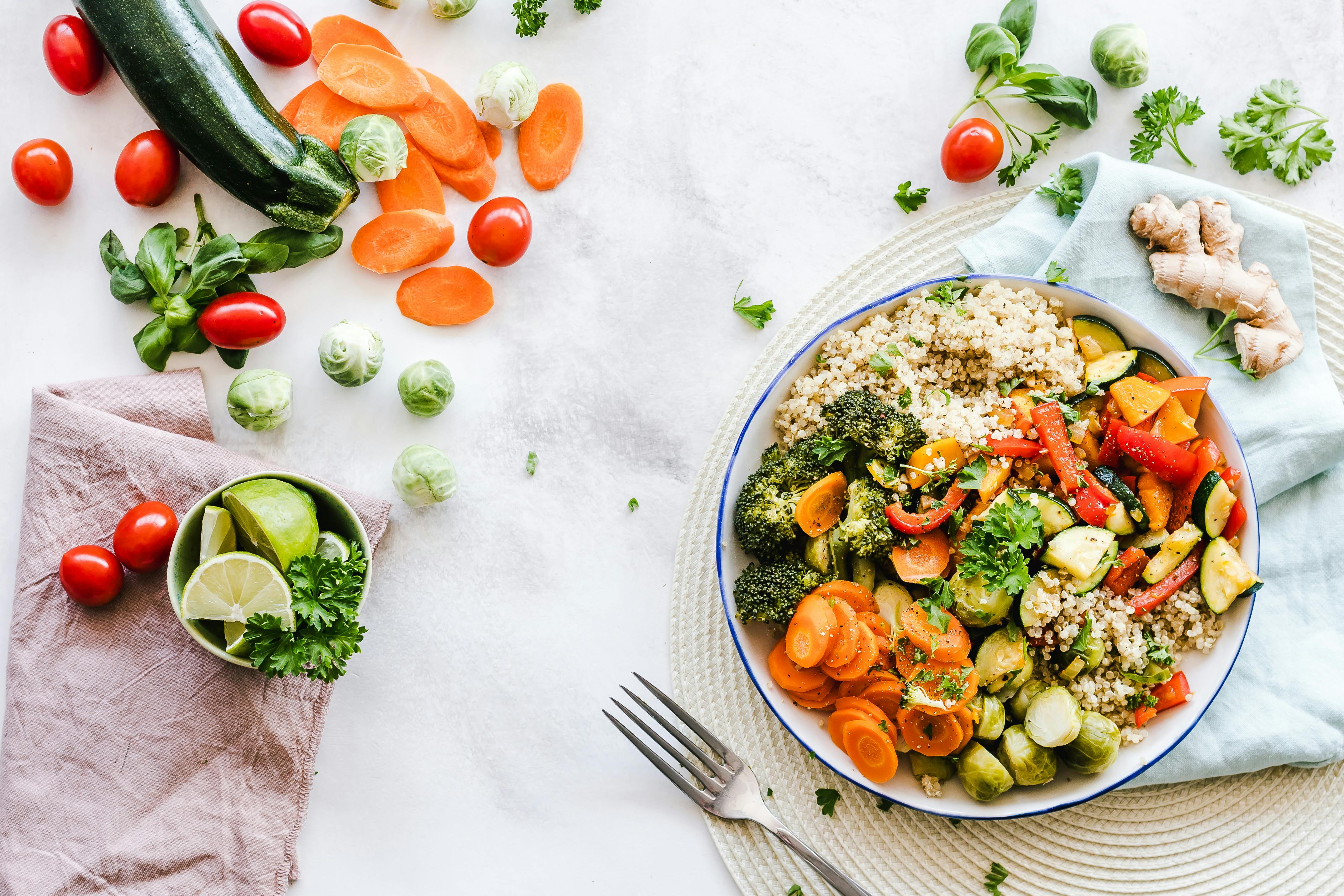
Fermented Veggie & Prebiotic Grain Bowl (Gut-Healthy Recipe)
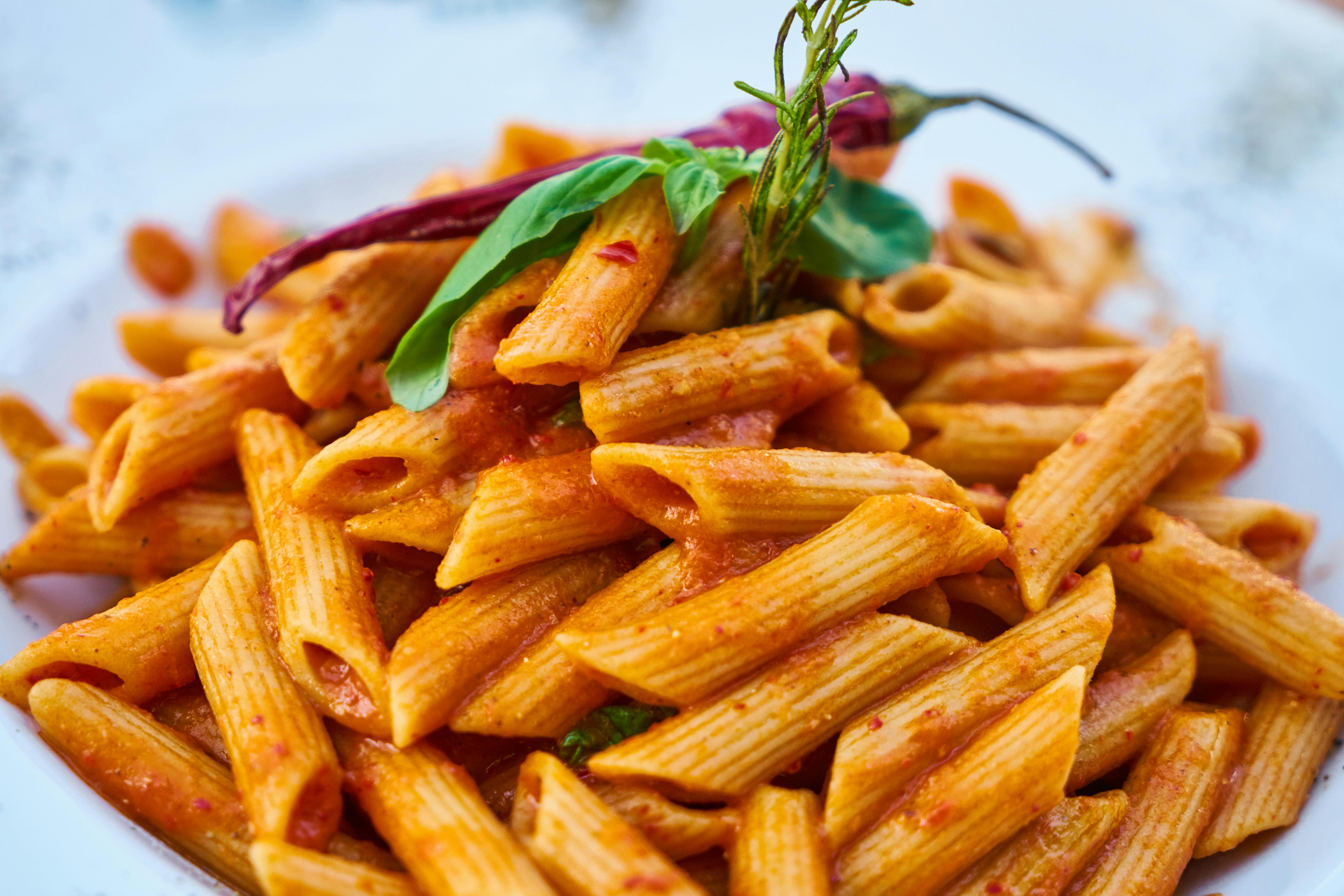
Ingredients
For the grain base
- 1/2 cup (90 g) quinoa, well rinsed
- 1/2 cup (45 g) rolled oats (gluten-free if needed)
- 2 cups (480 ml) water or low-sodium vegetable broth
- 1/4 teaspoon fine sea salt (optional, depending on broth saltiness)
For the roasted chickpeas & veggies
- 1 can (15 oz / 400 g) chickpeas, drained and rinsed
- 1 tablespoon extra-virgin olive oil
- 1/2 teaspoon ground cumin
- 1/2 teaspoon smoked paprika (or sweet paprika)
- 1/4 teaspoon sea salt
- 1/4 teaspoon freshly ground black pepper
- 1 small red onion, sliced into thin wedges (prebiotic)
- 1 small bunch asparagus, woody ends trimmed, cut into 2.5 cm pieces (or use broccoli)
For the lemon-garlic dressing
- 3 tablespoons extra-virgin olive oil
- 2 tablespoons fresh lemon juice
- 1 small clove garlic, very finely minced or grated (prebiotic)
- 1 teaspoon Dijon mustard
- 1 teaspoon maple syrup or honey (omit for sugar-free)
- Pinch of sea salt and pepper, to taste
For topping and finishing
- 1/2–3/4 cup (about 80–120 g) kimchi or sauerkraut, with brine (fermented)
- 1 ripe avocado, sliced
- 2 tablespoons toasted pumpkin seeds or sunflower seeds
- Fresh herbs: chopped parsley, cilantro, or chives
- Optional: a handful of baby spinach or mixed salad greens per bowl
Equipment
- Medium saucepan with lid
- Baking sheet, lined with parchment paper
- Mixing bowl
- Small jar or bowl for dressing
- Sharp knife and cutting board
- Measuring cups and spoons
Step-by-Step Instructions
- Cook the prebiotic grain base.
In a medium saucepan, combine the rinsed quinoa, rolled oats, water or broth, and salt (if using). Bring to a gentle boil over medium-high heat, then reduce the heat to low, cover, and simmer for 15–18 minutes, until the quinoa is tender, the oats are soft, and most of the liquid is absorbed. Turn off the heat and let it sit, covered, for 5 minutes to steam and become fluffy.
- Prepare the chickpeas and veggies.
While the grains cook, preheat your oven to 400°F (200°C). Pat the chickpeas dry with a clean towel for extra crispness. In a mixing bowl, toss the chickpeas with olive oil, cumin, smoked paprika, salt, and pepper until evenly coated.
- Roast for flavor and texture.
Spread the seasoned chickpeas on one side of a parchment-lined baking sheet. Add the red onion wedges and asparagus pieces to the other side, drizzle with a small splash of olive oil, and toss lightly with your hands. Roast for 18–22 minutes, stirring once halfway, until the chickpeas are golden and slightly crisp and the vegetables are tender with caramelized edges.
- Whisk the lemon-garlic dressing.
In a small jar or bowl, combine olive oil, lemon juice, minced garlic, Dijon mustard, maple syrup or honey, and a pinch of salt and pepper. Whisk or shake until the dressing looks creamy and emulsified. Taste and adjust seasoning—more lemon for brightness, more olive oil for richness, or a little extra sweetener if you like a softer edge.
- Fluff and season the grains.
Uncover the quinoa-oat mixture and fluff it gently with a fork. If you’d like, drizzle 1–2 tablespoons of the dressing over the warm grains and toss to coat lightly. This infuses the base with flavor and a silky texture.
- Assemble your gut-healthy bowls.
Divide the warm grain mixture between two wide bowls. Arrange roasted chickpeas, onions, and asparagus in sections on top. Add avocado slices and a handful of fresh greens or herbs.
- Add the fermented crown.
Spoon kimchi or sauerkraut onto each bowl, letting some of the brine drizzle into the grains—this adds tang and umami. Scatter pumpkin or sunflower seeds over everything for crunchy contrast.
- Dress and serve.
Drizzle each bowl with the remaining lemon-garlic dressing. Serve immediately while the grains and roasted vegetables are warm, and the fermented topping stays cool and crisp. Enjoy slowly, noticing the mix of tang, creaminess, crunch, and gentle heat in each bite.
Ingredient Swaps, Dietary Adaptations & Variations
One of the joys of cooking for gut health is how flexible it can be. You can adapt this bowl to different seasons, preferences, and dietary needs while keeping that core “feed your microbiome” principle in place.
Dietary adaptations
- Vegan: The base recipe is already vegan if you use maple syrup instead of honey and choose a kimchi or sauerkraut that doesn’t contain fish sauce or other animal products.
- Gluten-free: Use certified gluten-free oats, or replace oats with more quinoa, buckwheat, or brown rice. Check labels on fermented products for any added gluten-containing ingredients.
- Lower-FODMAP-inspired: For those following a low-FODMAP approach under professional guidance, use smaller amounts of onion and garlic (or infuse garlic in oil and discard the solids), swap chickpeas for firm tofu, and choose a low-FODMAP-friendly fermented topping like certain sauerkrauts in modest portions.
Ingredient variations
- Change the grain: Try barley, farro, or brown rice for chewy texture; or millet for a lighter base.
- Swap the legume: Use lentils, black beans, or tempeh cubes instead of chickpeas for a different flavor and prebiotic profile.
- Play with fermented toppings: Top with a spoonful of miso stirred into warm grains (off the heat), a dollop of plain yogurt or kefir, or homemade pickled vegetables in addition to kimchi or sauerkraut.
- Add color and polyphenols: Include shredded red cabbage, sliced radishes, roasted carrots, or a side of berries and a cup of green tea for extra plant diversity.
“Aim for variety over perfection. Your microbiome loves a rotation of different plants, textures, and flavors—think of every bowl as a chance to add one or two new ingredients to the weekly tally.”
Storage, Meal Prep & Reheating
This recipe is perfect for gentle meal prep. With a little planning, you can have gut-healthy components ready to assemble into satisfying bowls throughout the week.
Storage guidelines
- Cooked grains: Store cooled grains in an airtight container in the refrigerator for up to 4 days. As they cool, some resistant starch forms, which may offer additional microbiome benefits.
- Roasted chickpeas and veggies: Keep in a separate airtight container in the fridge for 3–4 days. They will soften over time but still taste delicious.
- Dressing: Refrigerate in a sealed jar for up to 5 days. Shake well before using, as the oil and lemon juice may separate.
- Fermented toppings: Store kimchi or sauerkraut in their original jars in the fridge, tightly sealed. Use a clean utensil each time to avoid contamination.
Reheating tips
- Grains and roasted components: Reheat gently in a pan over low heat with a splash of water or broth, or in the microwave in short bursts, until just warmed through.
- Fermented foods: Keep kimchi and sauerkraut cold or room temperature—avoid heating them directly, as high heat can reduce live cultures. Add them after reheating the rest of the bowl.
- Avocado and fresh greens: Slice fresh just before serving for the best texture and color.
Serving Suggestions & Gut-Healthy Pairings
This fermented veggie and prebiotic grain bowl is a complete meal on its own, but you can build it into a broader microbiome-friendly menu that feels abundant and deeply satisfying.
- Served with: A mug of green tea or lightly brewed oolong tea for extra polyphenols, or a small glass of unsweetened kombucha if you tolerate it well.
- Fresh side: A crunchy salad of mixed greens, grated carrots, and sliced radishes with a simple olive oil–lemon dressing to add more plant diversity.
- Simple dessert: A bowl of mixed berries with a spoonful of plain yogurt or coconut yogurt, plus a sprinkle of dark chocolate shavings, keeps the gut-health theme going in a gentle, enjoyable way.
Over time, these small, delicious choices add up: more fiber, more color, more fermented foods—and more opportunities for your microbiome to thrive.
Bringing Gut Health 2.0 into Your Everyday Cooking
Gut Health 2.0 is less about strict rules and more about curiosity: adding a spoonful of sauerkraut to your plate, tossing chickpeas into your soup, or seeing how many different fruits, vegetables, herbs, and grains you can enjoy this week.
Use this fermented veggie and prebiotic grain bowl as a friendly template. Swap ingredients according to the season, your culture’s pantry staples, and what makes your body feel comfortable and energized. Most of all, let the journey be pleasurable—because when food tastes this good, nourishing your microbiome becomes something you look forward to every day.
