
Gut Health 2.0: A Flavor-Packed Guide to Fermented Foods, Fiber & Your Microbiome
Gut Health · Microbiome Diet · Fermented Foods
Gut Health 2.0: Fermented Foods, Fiber, and the Everyday Microbiome Diet
Gut health has strolled from niche wellness corners straight into our everyday kitchens. Instead of harsh “gut detoxes,” more people are reaching for bowls of colorful plants, jars of tangy kimchi, and spoons of live-culture yogurt—simple, science-backed ways to soothe bloating, support digestion, and nourish the trillions of microbes that call our intestines home.
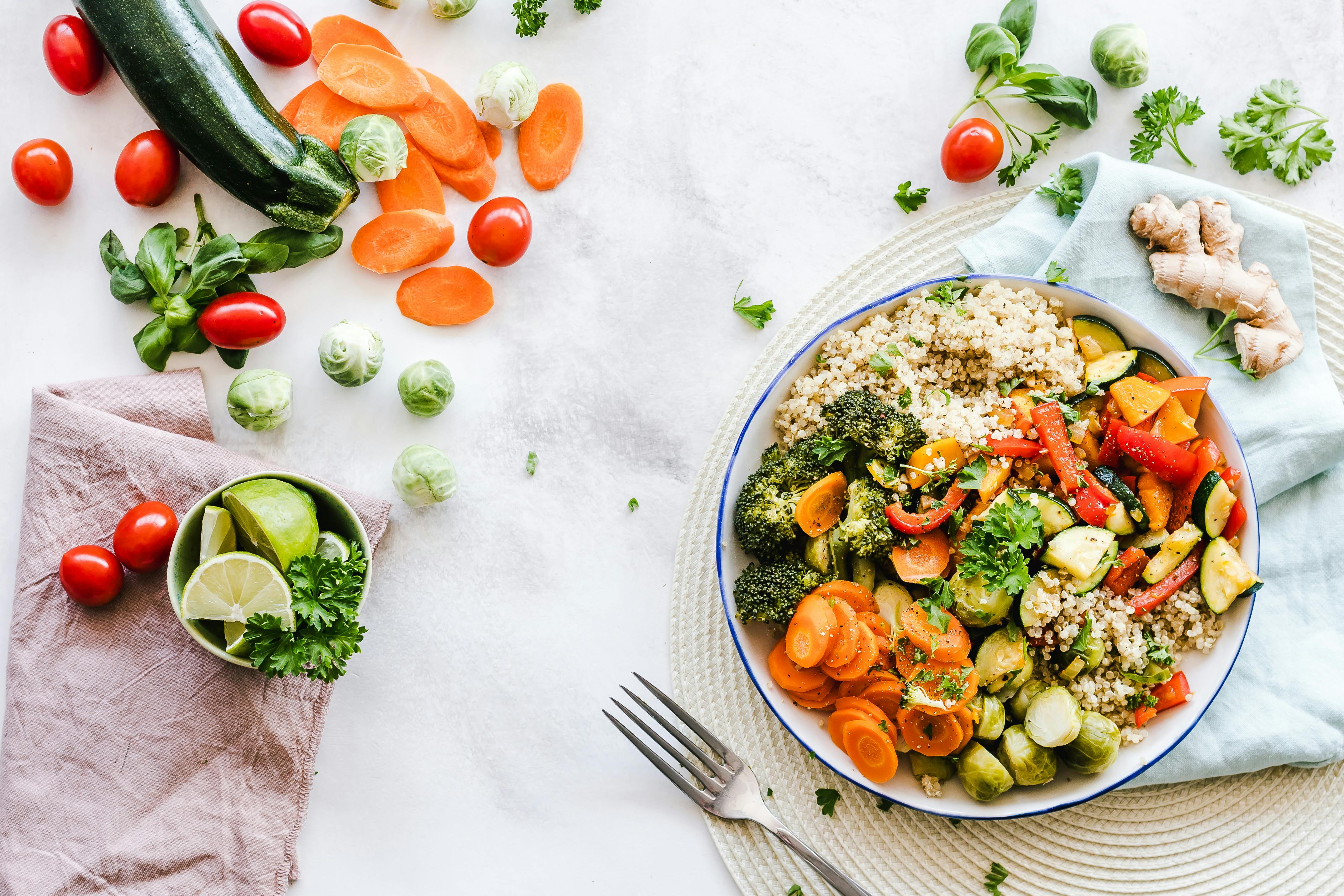
This guide blends the latest microbiome-friendly trends with a deeply practical, flavor-forward recipe: a rainbow grain bowl layered with fermented foods and prebiotic fiber. Think crunchy cabbage, warm grains, cool cucumbers, and a bright, gingery dressing that ties everything together.
Why Gut Health Is Having a Moment
Search trends around “gut reset,” “microbiome diet,” “bloating,” and “fermented foods” keep climbing, but the story has evolved. Instead of quick cleanses, creators and health professionals are championing:
- Diverse plants—the often-quoted goal is “30 plants a week.”
- Fermented foods like kefir, yogurt with live cultures, kimchi, sauerkraut, miso, tempeh, and kombucha.
- Prebiotic fiber from oats, garlic, onions, leeks, bananas, asparagus, and chicory root.
- Gentle lifestyle shifts—hydration, movement, stress management, and better sleep.
Together, these patterns support the gut microbiome: trillions of bacteria, fungi, and other tiny organisms that influence digestion, immunity, inflammation, and even mood. The magic isn’t one miracle food; it’s the rhythm of what you eat, day after day.
Think of your gut microbes as a community of tiny dinner guests—fiber-rich plants are their favorite meal, and fermented foods are their friendly reinforcements.
Building a “Gut Health Plate”: Prebiotics + Probiotics
On social media, you’ll see countless “what I eat for my gut” plates: creamy oatmeal topped with berries and chia seeds, grain bowls loaded with beans and veggies, and snack plates of hummus, nuts, and fruit. The pattern behind them is simple but powerful:
- Probiotics (live microbes) from fermented foods.
- Prebiotic fibers (their food) from plants, whole grains, and legumes.
This prebiotic + probiotic duo is often framed as a natural way to ease bloating and support regularity. Supplements like collagen, glutamine, or specific probiotic capsules show up too, but so far, the evidence is far stronger for plain old fiber and fermented foods than for any single add-on powder.

Recipe: Rainbow Gut-Healthy Grain Bowl with Fermented Veggies
This bowl is my go-to “microbiome meal”: warm, satisfying, and endlessly flexible. You get whole grains for sustained energy, beans for plant protein, crunchy veggies for fiber, and a bright hit of kimchi or sauerkraut to wake everything up. It tastes like comfort food but quietly checks all the gut-health boxes.
20 minutes
25 minutes
45 minutes
2 bowls
Easy

Equipment You’ll Need
- Medium saucepan with lid
- Cutting board and sharp knife
- Small skillet or frying pan (optional for warming chickpeas)
- Small bowl or jar for dressing
- Measuring cups and spoons
- Two wide serving bowls
Ingredients (for 2 Gut-Healthy Bowls)
Base
- 1 cup (about 180 g) uncooked whole grain such as quinoa, brown rice, or farro, rinsed
- 2 cups (480 ml) water or low-sodium vegetable broth
Plant Protein & Veggies
- 1 cup (160 g) cooked chickpeas (or other beans), drained and rinsed
- 1 small carrot, julienned or grated
- 1/2 small cucumber, thinly sliced
- 1/2 cup (75 g) steamed or roasted broccoli florets
- 1/2 cup (40 g) shredded red cabbage
- 1/3 cup (60 g) kimchi or sauerkraut with live cultures
- 1/4 cup (35 g) edamame or peas (fresh or thawed frozen)
- 1 small ripe avocado, sliced
Crunch & Herbs
- 2 tbsp (15 g) toasted pumpkin seeds or sunflower seeds
- 2 tbsp (20 g) chopped fresh herbs (such as parsley, cilantro, or chives)
Gingery Gut-Loving Dressing
- 1 tbsp (15 ml) extra-virgin olive oil
- 1 tbsp (15 ml) toasted sesame oil (optional, for flavor)
- 2 tbsp (30 ml) rice vinegar or apple cider vinegar
- 2 tsp (10 ml) tamari or low-sodium soy sauce (or coconut aminos)
- 1 tsp (5 ml) honey or maple syrup
- 1 small garlic clove, finely grated
- 1 tsp (5 g) grated fresh ginger
- Freshly ground black pepper, to taste
- Pinch of red pepper flakes (optional)
Step-by-Step Instructions
- Cook the whole grains.
Rinse your grain under cold water until it runs mostly clear. In a medium saucepan, combine the grain with the water or broth. Bring to a boil, then reduce the heat to low, cover, and simmer until tender and the liquid is absorbed (about 15 minutes for quinoa; up to 25 minutes for brown rice or farro). Remove from heat and let it steam, covered, for 5 minutes, then fluff with a fork. - Prep the veggies and toppings.
While the grains cook, julienne or grate the carrot; slice the cucumber; steam or roast the broccoli until crisp-tender; and shred the red cabbage. Slice the avocado close to serving time so it stays bright. Thaw or lightly steam the edamame or peas, and chop your fresh herbs. - Whisk the dressing.
In a small bowl or jar, combine the olive oil, sesame oil (if using), vinegar, tamari or soy sauce, honey or maple syrup, grated garlic, grated ginger, black pepper, and red pepper flakes (if you like heat). Whisk or shake until emulsified. Taste and adjust—add a splash more vinegar for brightness or a little extra sweetener if you prefer a softer edge. - Warm the chickpeas (optional but cozy).
In a small skillet over medium-low heat, add the chickpeas with 1–2 teaspoons of the dressing. Stir for 3–4 minutes, just until warmed through and fragrant. This gives the bowl a comforting, almost stew-like element without turning anything mushy. - Assemble the bowls.
Divide the warm grain between two wide bowls. Arrange the carrot, cucumber, broccoli, cabbage, chickpeas, edamame or peas, and avocado in colorful clusters on top. Nestle a generous spoonful of kimchi or sauerkraut into each bowl—keep it off the very hottest grains if you’d like to protect more of the live cultures. - Dress, garnish, and enjoy.
Drizzle the dressing evenly over each bowl. Sprinkle with pumpkin or sunflower seeds and shower with fresh herbs. As you eat, gently toss the ingredients together so you taste contrast in every bite: warm and cool, creamy and crisp, tangy and nutty.

Variations, Substitutions & Dietary Notes
Make It Gluten-Free
Choose naturally gluten-free grains like quinoa, brown rice, or buckwheat. Double-check labels on tamari/soy sauce and fermented foods to ensure they’re certified gluten-free.
Make It Fully Vegan
Use maple syrup instead of honey in the dressing and confirm your kimchi is fish-free (some include fish sauce or shrimp paste). Sauerkraut is usually naturally vegan.
Low-Sodium Adjustments
- Use water instead of broth, or a low-sodium broth.
- Choose low-sodium tamari/soy sauce and lightly rinse very salty sauerkraut.
- Taste before salting anything else—fermented foods are naturally salty.
For Sensitive Digestion
If you’re new to high-fiber meals or fermented foods, start with smaller amounts and increase gradually. You might:
- Use a smaller scoop of beans and add more over time.
- Cook veggies until very tender rather than raw.
- Begin with 1–2 teaspoons of kimchi or sauerkraut per bowl.
Storage, Meal Prep & Reheating
Refrigeration
- Cooked grains and chickpeas: Store in airtight containers in the fridge for up to 4 days.
- Chopped veggies: Keep in separate containers so delicate items like cucumber and avocado stay fresh.
- Fermented veggies: Store in their original jars, tightly sealed, in the fridge.
- Dressing: Keeps well for about 5 days refrigerated. Shake before using.
Reheating
Warm the grain and chickpeas gently in a skillet or microwave until just heated through. Add raw veggies, avocado, and fermented toppings after reheating so they stay crisp and vibrant.
Meal-Prep Tip
For grab-and-go lunches, assemble the bowls in lidded containers, but pack the dressing and fermented veggies separately. Dress and add the kimchi or sauerkraut right before eating for the best texture and maximal live cultures.
Serving Ideas & Complementary Dishes
This gut-friendly grain bowl is a meal in itself, but you can turn it into a full microbiome-focused spread:
- Starter: A small mug of warm miso broth with sliced scallions.
- Side: A simple salad of mixed leafy greens, herbs, and seeds with lemon-olive oil dressing.
- Drink: A glass of water infused with citrus and cucumber, or a small serving of kombucha if it agrees with you.
- Dessert: Sliced banana with a spoonful of live-culture yogurt and a sprinkle of cinnamon and chia seeds.

Gut Health Beyond the Plate
Microbiome-friendly eating is most powerful when it’s part of a bigger, gentle routine. Evidence-backed habits that support gut health include:
- Gradually increasing fiber toward 25–38 g per day for most adults.
- Staying hydrated so fiber can move comfortably through your system.
- Regular physical activity—even a daily walk can help stimulate digestion.
- Managing stress with breathing exercises, stretching, or short breaks.
- Prioritizing sleep, since poor sleep can disrupt gut function and appetite.
You don’t need a perfect “gut reset” to feel better. Start with one change—a daily serving of fermented food, an extra handful of vegetables, or a batch of these grain bowls ready to go in the fridge—and let your habits grow from there.
Microbiome-Friendly Eating, Made Delicious
Gut health 2.0 is less about restriction and more about abundance: more colors, more textures, more plants, and more slow-fermented flavor. With a simple template like this rainbow grain bowl, you can turn the science of the microbiome into something you’ll genuinely look forward to eating—today, tomorrow, and many bowls from now.
When you’re ready for your next step, try tallying how many different plants you eat in a week. You might be closer to that “30 plants” goal than you think—and your gut will taste every little victory.
