
Gut Health 2.0: A Delicious Microbiome Diet with Fermented Foods and Fiber‑Rich Recipes
Gut Health 2.0 Microbiome Bowl (Fermented Veggie & Fiber‑Rich Power Lunch)
Gut health has entered a delicious new era: instead of relying on probiotic pills alone, the “Gut Health 2.0” movement celebrates whole‑food, microbiome‑friendly eating built around fermented foods, diverse fibers, and colorful, polyphenol‑rich plants. This vibrant microbiome bowl recipe brings that science to your plate with crunchy fermented veggies, creamy yogurt or dairy‑free kefir, chewy whole grains, and a rainbow of toppings that taste like comfort food and nourishment in every bite.
Think of this as an everyday “microbiome diet” lunch or dinner: easy to customize, deeply satisfying, and quietly working in the background to support digestion, mood, and long‑term health—without feeling like a diet at all.
Microbiome Bowl Visual Preview
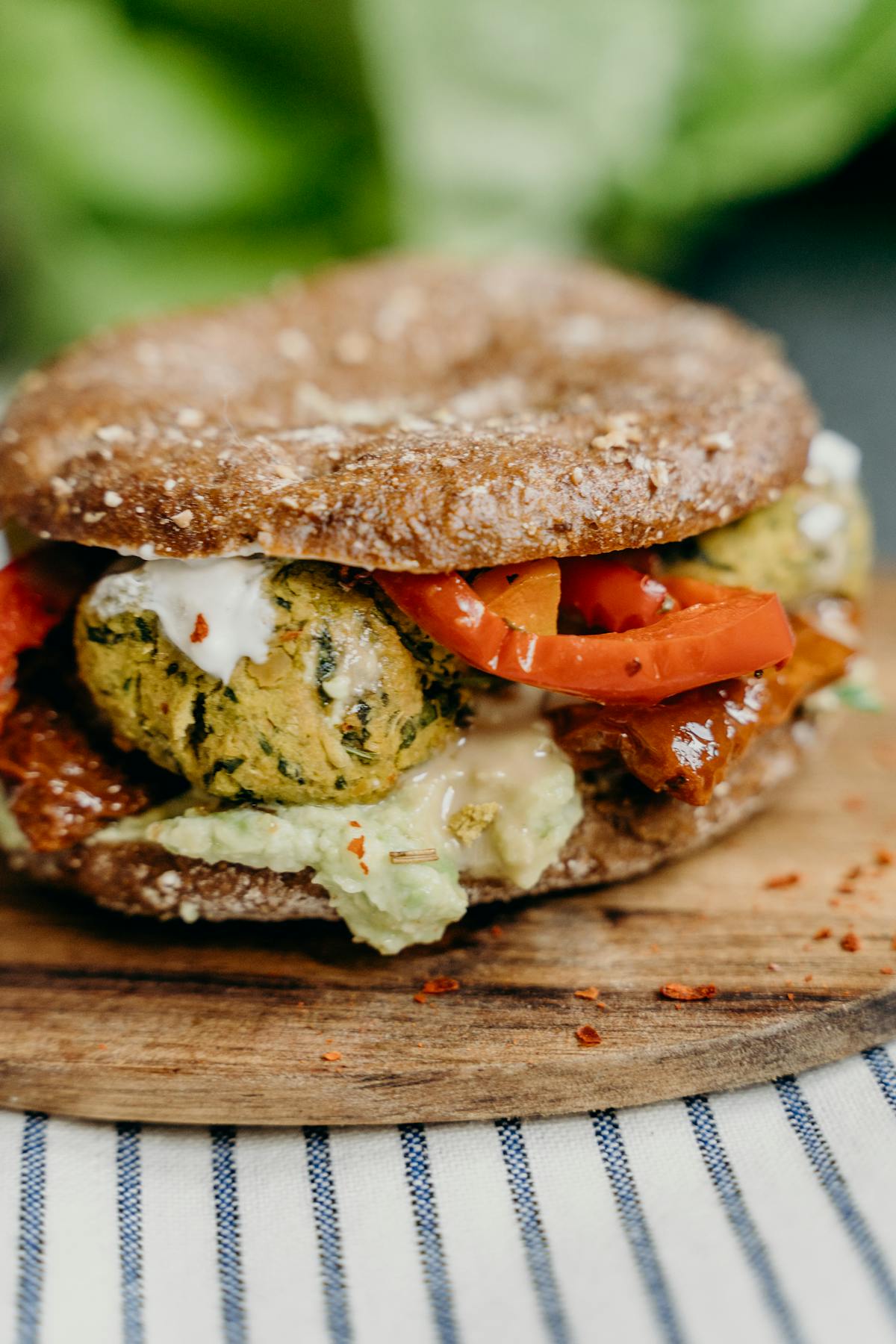
Gut Health 2.0: From Probiotic Pills to Microbiome‑Friendly Eating
Across YouTube, TikTok, and podcasts, gut health content has evolved from simple “take a probiotic” advice to full‑blown microbiome diets. Creators now highlight:
- Fermented foods like yogurt, kefir, kimchi, sauerkraut, miso, tempeh, and kombucha for their live microbes and beneficial metabolites.
- Prebiotic fibers from garlic, onions, leeks, asparagus, bananas, oats, beans, and lentils that feed good gut bacteria.
- Plant diversity, often aiming for about 30 different plant foods per week to support a resilient microbiome.
- Polyphenol‑rich foods such as berries, cocoa, green tea, and extra‑virgin olive oil that may gently modulate gut microbes.
At the same time, evidence‑based voices are reminding us that more fiber isn’t automatically better—especially for people with IBS, SIBO, or active inflammatory bowel conditions. The new message is to build gut health gradually, with real food, personalization, and plenty of enjoyment.
Recipe Overview & Quick Facts
Prep time: 20 minutes
Cook time: 25–30 minutes (for grains & beans, if not pre‑cooked)
Total time: 30–40 minutes
Servings: 2 generous bowls
Difficulty: Easy (great for meal prep)
Dietary: High‑fiber, gut‑friendly; easy to make vegetarian, vegan, or gluten‑free
This gut‑healthy grain bowl layers warm, chewy whole grains with tender legumes, crisp raw veggies, tangy fermented cabbage, creamy yogurt or dairy‑free kefir, and a lemony olive‑oil dressing. The result is a satisfying balance of:
- Texture: crunchy, creamy, chewy, and juicy all in one bowl.
- Aroma: citrusy, lightly garlicky, and pleasantly tangy from the ferments.
- Flavor: savory and bright, with a gentle heat if you use kimchi.
- Appearance: a rainbow of greens, reds, purples, and golden grains.
Recipe Structured Data (Schema.org)
The following structured data helps search engines understand this microbiome bowl recipe and makes it easier for gut‑health seekers to find:
Ingredients for a Gut‑Healthy Microbiome Bowl
This recipe is flexible—swap in what you have—but try to keep the structure: a base of whole grains and legumes, lots of colorful plants, at least one fermented food, and a source of healthy fats.
Base (Grains & Legumes)
- 1 cup cooked whole grains such as quinoa, brown rice, barley, or buckwheat (about 1/3–1/2 cup dry).
- 1 cup cooked chickpeas or lentils, rinsed and drained if canned.
Fresh Vegetables & Herbs
- 1 cup mixed salad greens or finely shredded green/red cabbage.
- 1 small carrot, grated or cut into matchsticks.
- 1/2 medium cucumber, diced or sliced.
- 4–6 thin slices radish (optional, for extra crunch and color).
- 2 tablespoons chopped fresh herbs (parsley, cilantro, dill, or a mix).
Fermented & Creamy Elements
- 1/2 cup kimchi or sauerkraut, roughly chopped.
- 1/2 cup plain yogurt (Greek or regular) or unsweetened dairy‑free kefir or coconut yogurt.
- 1/2 ripe avocado, sliced or cubed.
Crunch & Healthy Fats
- 2 tablespoons roasted nuts or seeds (pumpkin, sunflower, almonds, or walnuts).
- 2 tablespoons extra‑virgin olive oil.
Bright Lemon‑Garlic Dressing
- 2 tablespoons extra‑virgin olive oil (from above).
- 1 tablespoon freshly squeezed lemon juice (plus more to taste).
- 1 small clove garlic, finely grated or minced (optional for low‑FODMAP needs).
- 1/4 teaspoon sea salt, plus more to taste.
- Freshly ground black pepper, to taste.
Optional Microbiome‑Boosting Toppings
- A small handful of berries (blueberries, raspberries, or pomegranate seeds) for polyphenols.
- 1–2 teaspoons tahini or nut butter, thinned with water, for a drizzle.
- Sprinkle of ground flaxseed or chia seeds for extra fiber and omega‑3s.
- Microgreens or extra herbs for color and freshness.
Equipment & Tools
- Medium saucepan with lid (for cooking grains or legumes, if needed).
- Cutting board and sharp knife.
- Small mixing bowl and whisk or fork (for dressing).
- Box grater or julienne peeler (for carrot).
- 2 wide, shallow serving bowls.
- Measuring cups and spoons.
Step‑by‑Step Visual Guide
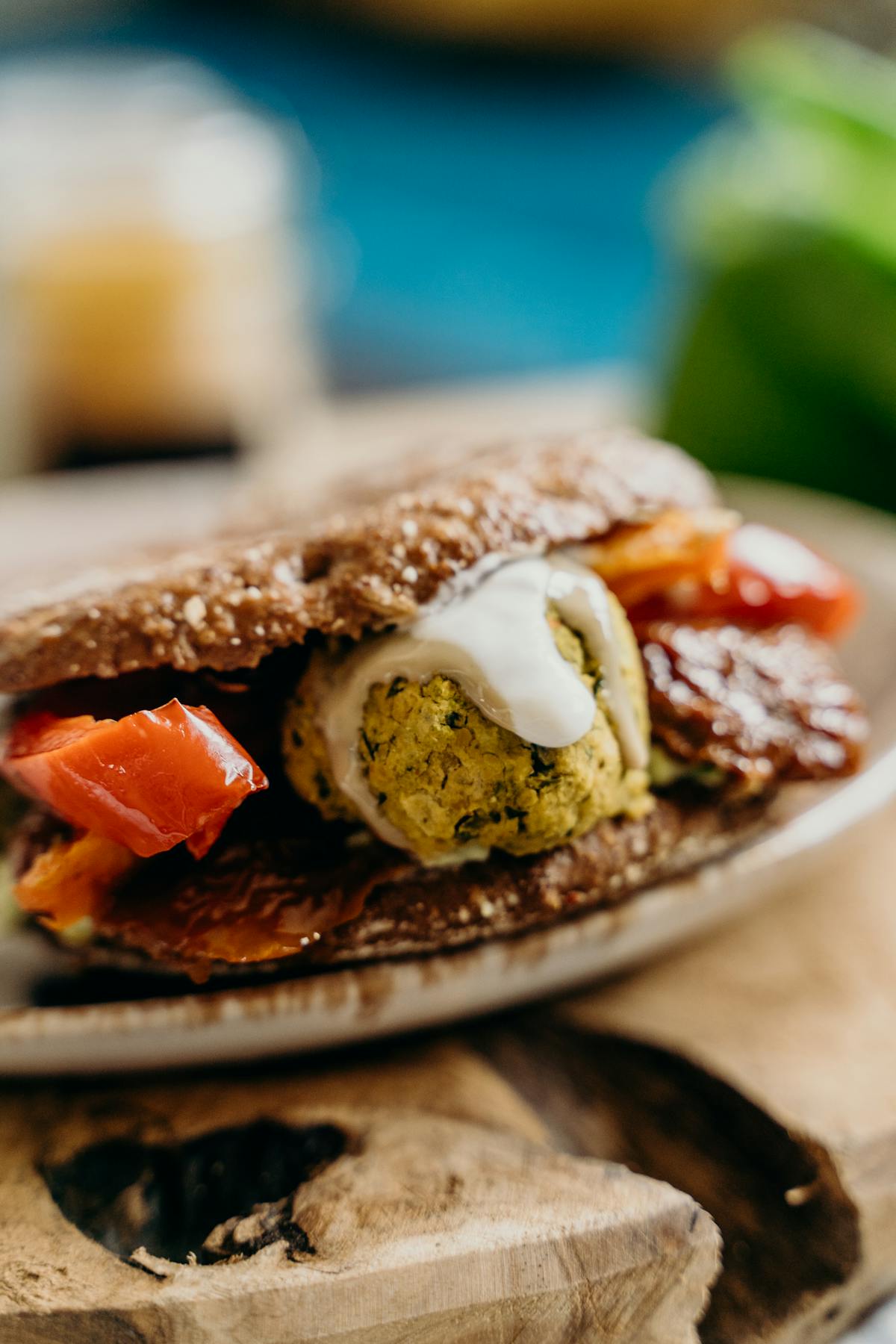
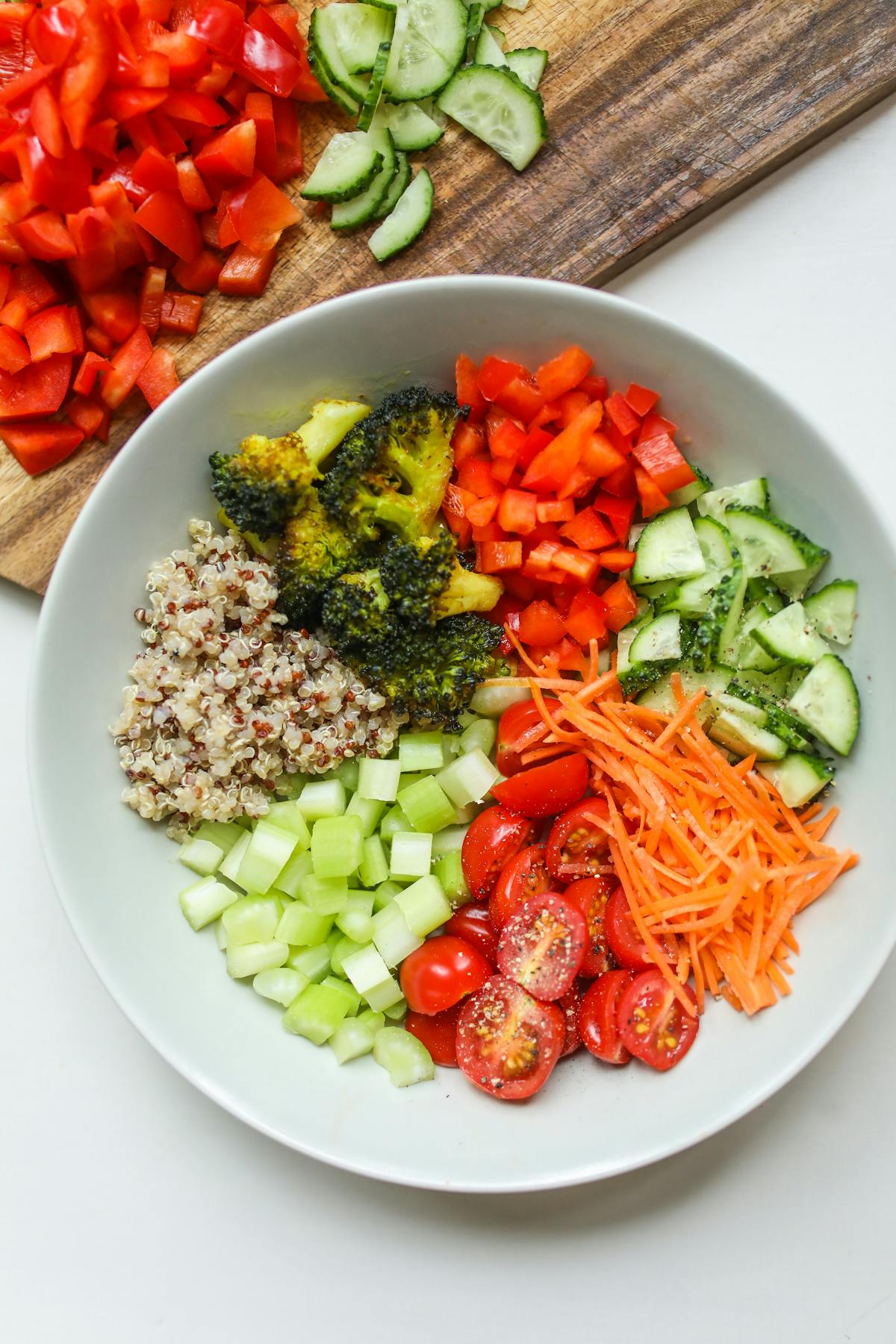

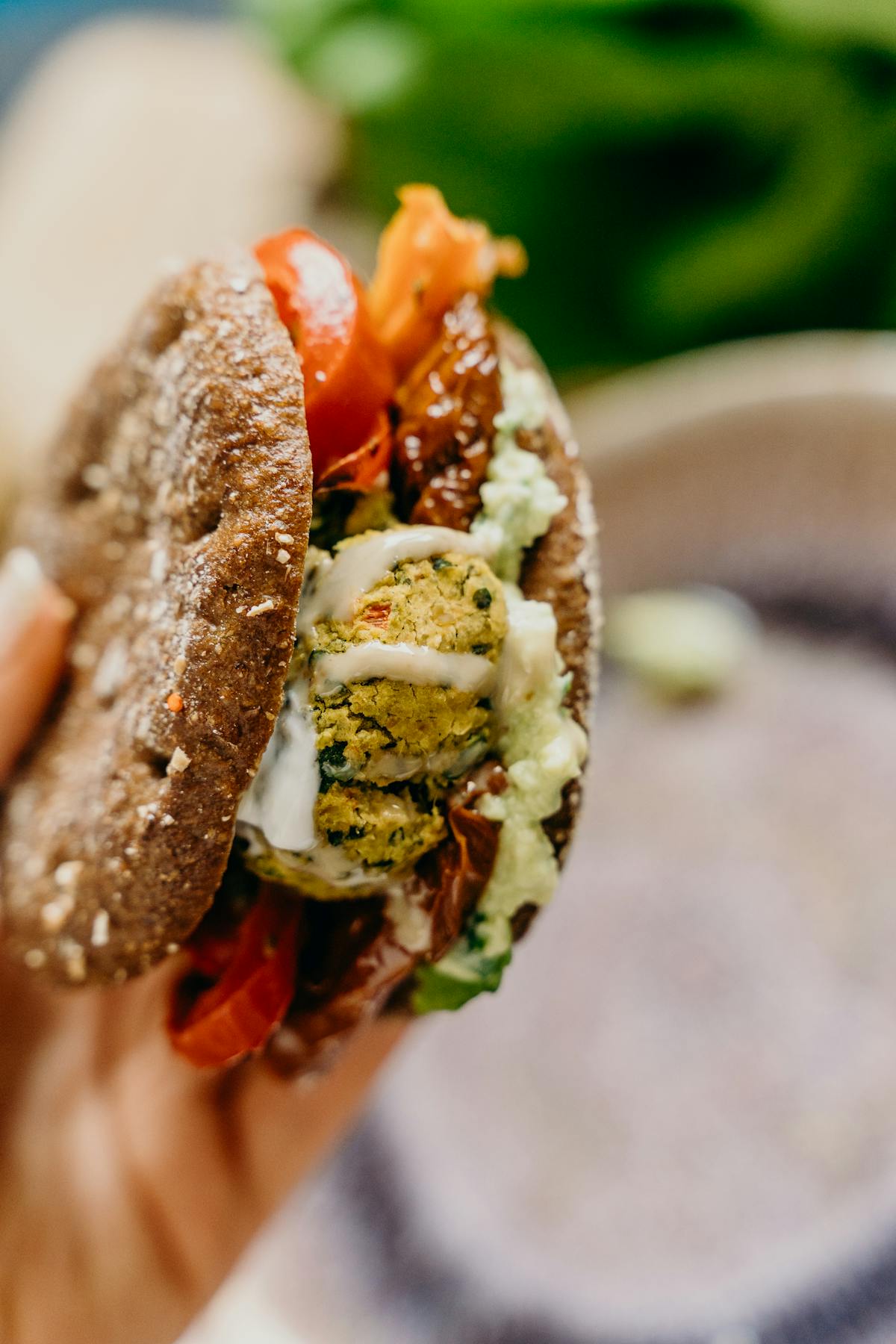
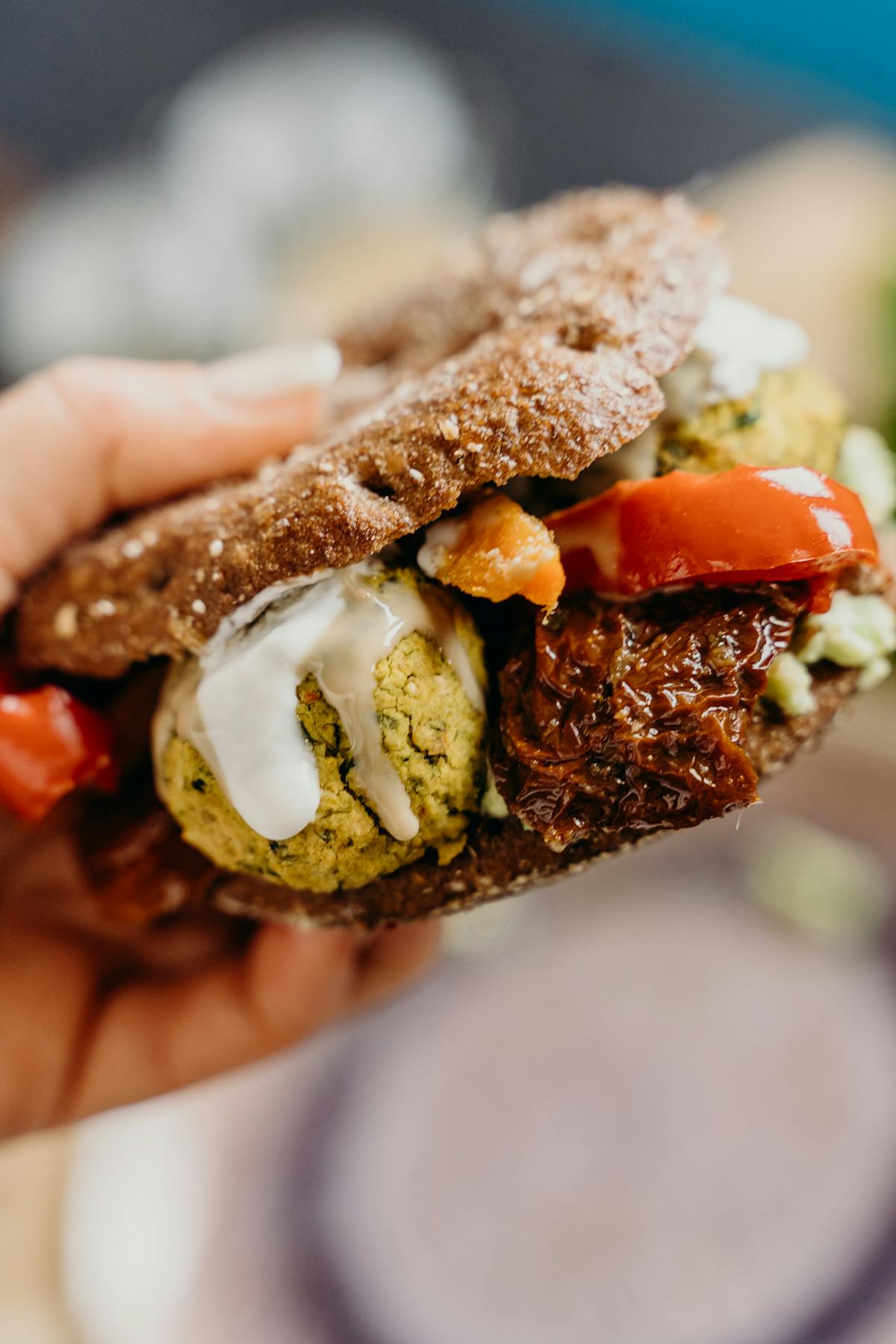
How to Make the Gut Health 2.0 Microbiome Bowl
- Prepare the grains and legumes.
If you’re starting from dry grains or beans, cook them according to package directions. For example, simmer 1/2 cup dry quinoa in 1 cup water with a pinch of salt for about 15 minutes, then fluff and let cool slightly. Warm grains are lovely, but you don’t want them piping hot when they meet the fermented veggies and yogurt.
- Chop your vegetables and herbs.
While the grains cook, wash and dry your greens. Grate the carrot, dice the cucumber, slice the radishes, and roughly chop your herbs. Keep everything in small, bite‑sized pieces so each forkful feels balanced.
- Make the lemon‑garlic olive oil dressing.
In a small bowl, whisk together the olive oil, lemon juice, grated garlic (if using), salt, and black pepper until slightly thickened and glossy. Taste and adjust—add more lemon for brightness or a pinch more salt for depth.
- Assemble the microbiome bowls.
Divide the grains between two wide bowls. Add the chickpeas or lentils on one side. Nestle in handfuls of greens, carrot, cucumber, and radishes. Spoon the kimchi or sauerkraut into a small mound, and fan the avocado slices nearby. Add dollops of yogurt or kefir in one or two spots.
- Dress, garnish, and serve.
Drizzle the lemon‑garlic dressing evenly over each bowl. Sprinkle with nuts or seeds, herbs, and any optional toppings like berries, ground flax, or a tahini drizzle. Serve right away, letting everyone stir their bowl together at the table.
Ingredient Substitutions & Dietary Adaptations
Vegan or Dairy‑Free
- Use unsweetened coconut yogurt, soy yogurt, or dairy‑free kefir instead of dairy yogurt.
- Skip any cheese additions and rely on nuts, seeds, and tahini for creaminess.
Gluten‑Free
- Choose naturally gluten‑free grains like quinoa, buckwheat, or brown rice.
- Ensure your kimchi or sauerkraut is gluten‑free (some brands use soy sauce or other additives).
Lower FODMAP / Sensitive Gut
- Skip the raw garlic in the dressing; use garlic‑infused oil instead for flavor without FODMAPs.
- Use small portions of chickpeas or lentils, or swap for firm tofu if legumes are triggering.
- Start with modest servings of kimchi/sauerkraut (1–2 tablespoons) and increase only if well tolerated.
Seasonal Swaps
- Spring: asparagus tips, peas, radishes, fresh herbs galore.
- Summer: cherry tomatoes, grilled zucchini, fresh corn kernels, basil.
- Autumn: roasted squash or sweet potato, shredded Brussels sprouts, apples.
- Winter: roasted carrots, beets, red cabbage, citrus segments.
Storage, Meal Prep & Reheating
This microbiome bowl is a meal‑prep dream if you store components separately to protect both texture and the delicate cultures in fermented foods.
Short‑Term Storage
- Cooked grains & legumes: Store in airtight containers in the fridge for 3–4 days.
- Chopped veggies: Keep in separate containers or jars for 2–3 days; sturdier veg like carrots and cabbage last longer than greens.
- Ferments (kimchi/sauerkraut): Store in their original jars, tightly sealed, in the fridge.
- Yogurt/kefir: Keep sealed and chilled; check the “best by” date on the package.
- Dressing: Refrigerate up to 5 days; let it come to room temp and whisk before using.
Reheating Guidelines
- Gently reheat grains and legumes in a pan with a splash of water, or in the microwave, until just warm—not steaming hot.
- Keep fermented veggies and yogurt/kefir cold; add them after reheating the base so you preserve more live cultures.
- Assemble the bowl just before eating for the best texture and flavor.
Serving Suggestions & Complementary Dishes
You can absolutely enjoy this bowl as a full, balanced meal, but it also plays well with others in a gut‑health‑focused menu.
- Start with a warm cup of miso soup or a small bowl of bone broth or vegetable broth for extra comfort.
- Serve alongside a simple green tea or lightly sweetened kombucha for a polyphenol boost.
- Finish with a yogurt parfait made from plain yogurt, berries, a sprinkle of oats, and nuts for dessert.
“A microbiome‑friendly plate doesn’t have to be perfect; it just has to be plant‑rich, minimally processed, and enjoyable enough that you want to come back to it day after day.”
How This Bowl Fits into the Microbiome Diet Trend
Wellness creators are increasingly showing “what I eat for my gut” videos featuring exactly these types of meals: overnight oats, fermented veggies, miso soups, and fruit‑and‑yogurt bowls. This recipe captures that spirit in one flexible template.
Instead of drastic “gut resets” or restrictive juice cleanses, Gut Health 2.0 encourages additive habits:
- Adding more plants of different colors.
- Including regular, moderate portions of fermented foods.
- Choosing whole grains and legumes more often than refined carbs.
- Pairing fiber boosts with hydration, rest, and stress management.
If you treat this microbiome bowl as a delicious baseline—then rotate ingredients with the seasons—you’ll be living the “microbiome diet” trend in a grounded, sustainable way.
Final Thoughts & Encouragement for Home Cooks
You don’t need a degree in nutrition—or a pantry full of expensive powders—to eat for gut health. With a pot of grains, a can of beans, a jar of kimchi or sauerkraut, and a few colorful veggies, you’re already there.
Start simple: make this bowl once, exactly as written, then begin to play. Swap the grains, change the ferments, pile on different herbs. Let your microbiome bowl reflect what’s fresh, affordable, and joyful in your kitchen right now.
With every crunchy, tangy, fiber‑rich bite, you’re not just feeding yourself—you’re feeding the trillions of tiny helpers that support your energy, mood, immunity, and beyond.
