
Golden Retriever Crashes Couple’s Date and Steals the Spotlight
Lunch plans were simple…until they weren’t. A recent viral reel from @hogan_sunny_therapydogs shows a golden retriever named Hogan turning a quiet diner meal into a scene straight out of a cozy feel‑good movie—by gently crashing a couple’s date and charming absolutely everyone in sight.
In the clip, Hogan starts out exactly where he’s supposed to be: sitting politely beside his owner, calm and professional, the way you’d expect a seasoned therapy dog to behave. But then, drawn in by a nearby couple, he casually relocates himself right into their booth, tail wagging and heart wide open. What could have been an awkward interruption quickly becomes a shared moment of laughter, connection, and pure golden‑retriever joy.
“Therapy dogs don’t just comfort people in hospitals or schools. Sometimes, they turn an ordinary lunch into the best part of someone’s week.”
How Hogan Turned a Simple Lunch into a Shared Memory
According to the clip shared on Instagram and picked up by outlets like Yahoo, Hogan was out on a casual lunch trip with his owner. He was doing what well‑trained therapy dogs do:
- Staying close to his handler
- Remaining calm in a busy environment
- Respecting other diners’ space—at least at first
Then, a couple seated nearby caught his attention. Therapy dogs are trained to notice people’s emotions and body language, and Hogan did exactly that. With the gentle confidence of a dog who believes everyone might need a little love, he wandered over, quietly inviting himself into their booth.
Instead of shooing him away, the couple melted. They laughed, welcomed him, and within seconds Hogan was officially part of their date. The owner checked in—ready to call Hogan back if needed—but the couple insisted he stay. The reel makes it clear: nobody at that table felt their lunch was “ruined.” If anything, it had just been upgraded.
Why We Love Dogs “Crashing” Our Plans
Hogan’s little detour resonated with so many people because it taps into something simple and very human: we’re wired to respond to animals, especially friendly dogs, in ways that can shift our mood and lower our stress.
A growing body of research suggests that interacting with dogs can:
- Reduce short‑term stress levels and anxiety
- Lower blood pressure in the moment
- Increase feelings of social connection and belonging
- Boost oxytocin, sometimes called the “bonding hormone”
“Even brief interactions with therapy dogs have been shown to produce measurable decreases in stress and improvements in mood in a variety of settings.”
— Summary of findings from animal‑assisted intervention research (e.g., Frontiers in Psychology)
It’s important not to overstate this: one surprise visit from a sweet golden retriever won’t fix deep‑rooted mental health challenges. But it can turn a hard day into a softer one, or add an unexpected moment of warmth to an otherwise ordinary afternoon. That’s what therapy dogs like Hogan do best—whether they’re in a hospital hallway or a neighborhood diner.

What Makes Hogan a Great Therapy Dog?
Hogan isn’t just a “cute dog at lunch.” He’s a trained therapy dog, which means he and his handler have put in the work to make interactions like this safe, respectful, and positive for everyone involved.
While training programs vary, strong therapy dogs usually share a few traits:
- Stable temperament: They stay calm even in noisy, unpredictable environments.
- People‑focused: They genuinely enjoy meeting strangers and being touched.
- Good manners: They don’t jump, bark excessively, or grab food.
- Responsiveness: They listen to their handler, even when excited.
Watching Hogan slip into another booth so effortlessly shows a dog who’s comfortable in public spaces but still tuned in enough for his owner to step in if necessary. That balance—freedom with boundaries—is at the heart of responsible therapy work.
How to Respond When a Friendly Dog Joins Your Day
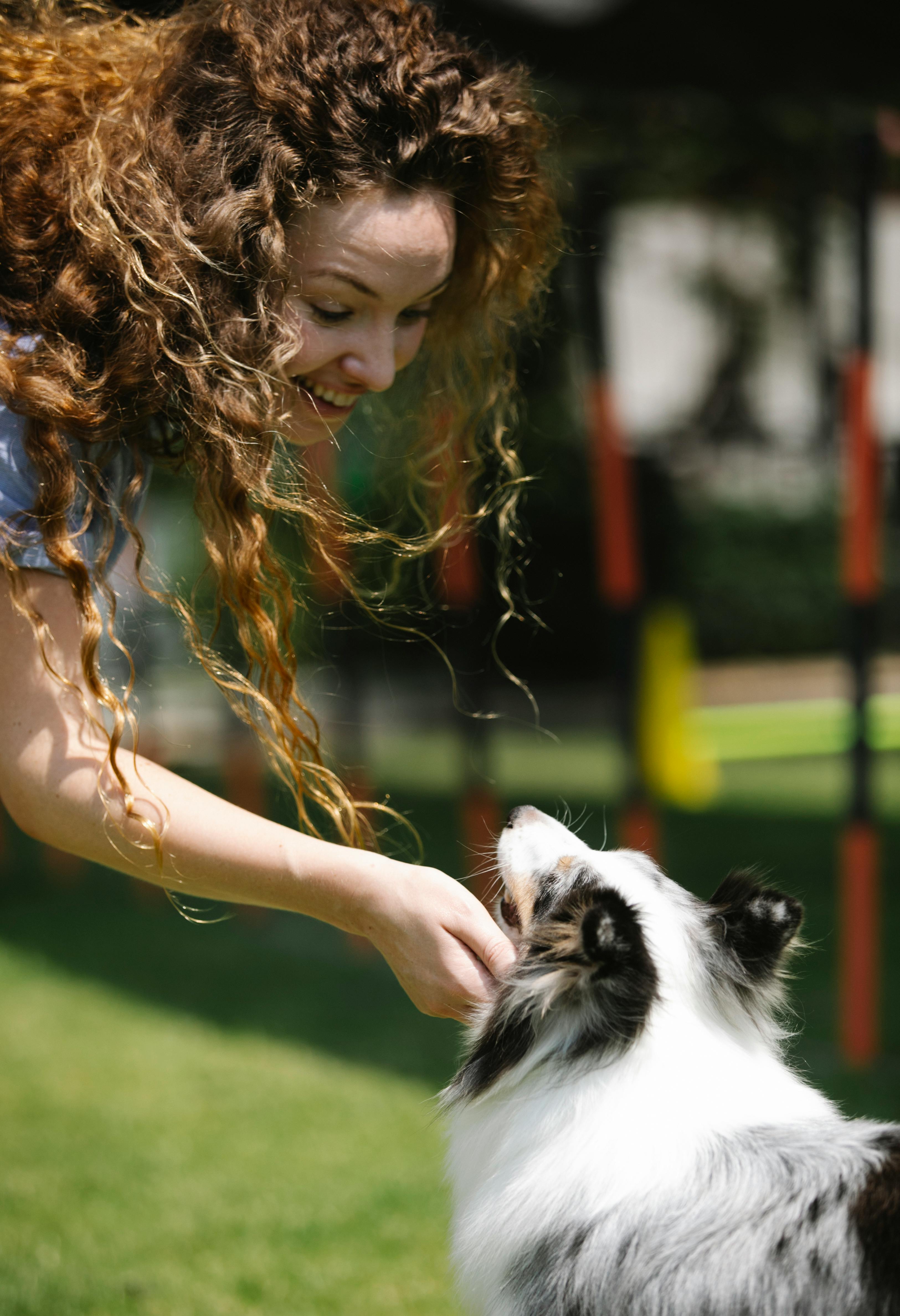
Hogan’s uninvited but welcome cameo raises a useful question: what should you do if a friendly dog approaches your table, bench, or picnic in real life?
If you’re happy about it
- Look for the handler. Make eye contact so they know you’re comfortable.
- Ask first: “Is it okay if I say hi?” This respects their training routine.
- Let the dog come to you. Offer a hand to sniff rather than reaching over their head.
- Stay gentle and relaxed. Soft voices and slow movements help keep the dog calm.
If you’re not comfortable
- Calmly say something like, “I’m a little nervous around dogs—could you call them back?”
- Avoid sudden movements or yelling, which might excite the dog.
- Step slightly away if that makes you feel safer, while the handler redirects the dog.
It’s always okay to set a boundary. Good handlers appreciate clear communication and will happily bring their dog back to their side.

Balancing Spontaneous Joy with Respect for Space
Hogan’s viral moment is delightful, but it also highlights the line therapy dog teams walk every day: sharing comfort and connection while respecting personal boundaries and public rules.
Responsible handlers typically:
- Check in with people verbally or visually before allowing close contact
- Keep their dog under tight voice or leash control in public spaces
- Remove their dog quickly if anyone appears uncomfortable
- Limit visits so the dog doesn’t become overwhelmed or intrusive
In Hogan’s case, the couple’s eagerness to include him—and the owner’s presence and attentiveness—turned a potential faux pas into a lovely, shared story. That’s the sweet spot: spontaneity, but never at the expense of consent or safety.
The Real Health Benefits Behind Viral Dog Moments
Beyond the laughs and comments, clips like Hogan’s are part of a bigger pattern: people actively seeking out comforting, low‑stakes joy in their feeds. Cute dog videos won’t replace therapy, medication, or structured support—but they can offer:
- A momentary break from stress or doom‑scrolling
- A reminder that small, kind interactions still exist in the world
- A sense of connection—“other people love this too; I’m not alone in needing this softness”
Several studies on animal‑assisted interventions and companion animals suggest that regular, positive contact with dogs can improve perceived well‑being and reduce feelings of loneliness, especially when combined with social interaction. Watching someone else experience that comfort—like the couple in the diner—can be surprisingly uplifting, even through a screen.
Still, it’s wise to keep expectations realistic. A therapy dog visit or a feel‑good video:
- Can brighten your mood and reduce momentary stress
- Cannot replace comprehensive mental health care if you’re struggling in a deeper way

Bringing a Little “Hogan Energy” into Your Own Life
You may not have a golden retriever ready to crash your next lunch date, but you can still borrow a bit of Hogan’s magic in everyday life.
- Say yes to small moments of connection. A quick chat with a stranger who loves dogs as much as you do can brighten your day more than you expect.
- Seek out low‑pressure joy. Follow accounts that share uplifting, respectful animal content rather than ones that rely on fear or shock.
- Consider volunteering. If you have a calm, social dog, you might explore therapy dog training through a reputable organization.
- Know when you need more support. If you’re relying heavily on feel‑good clips just to get through the day, it might be time to reach out to a trusted friend, counselor, or health professional.
Hogan’s lunch‑date cameo is a lovely reminder that joy doesn’t always arrive on schedule. Sometimes it shows up on four paws, slides into your booth, and rests its head on your knee as if to say, “You look like you could use a friend.”
The next time life feels a little too serious, it might be worth pausing for a dog video, a sidewalk greeting with a passing pup, or even a visit with a local therapy dog group. It won’t solve everything—but it might make this moment feel a little lighter.
