
Glucose-Hacking Meals: How Metabolic Health Diets Are Changing the Way We Eat
The Rise of Metabolic Health Diets: Blood Sugar, CGMs, and Glucose‑Hacking Meals
Across social feeds and kitchen tables, a quiet shift is happening: instead of chasing the smallest number on the scale, more people are cooking with their metabolic health in mind. That means paying attention to blood sugar curves, energy levels, and how meals actually feel in the body—steady and smooth, or like a rollercoaster. From continuous glucose monitors (CGMs) to “glucose-friendly” plates rich in fiber, protein, and healthy fats, this food trend is reshaping how we combine everyday ingredients, without losing the pleasure of a beautifully cooked meal.
In this guide, we’ll explore what metabolic health really means, how CGM-inspired “glucose hacks” work, and how to build delicious, balanced meals that support blood sugar—whether you’re cooking a cozy breakfast, a vibrant grain bowl, or a satisfying snack plate.
What Is “Metabolic Health” (and Why Are Cooks Talking About It)?
Metabolic health is a broad umbrella that covers how efficiently your body turns food into energy. Instead of centering only on weight, it focuses on markers like:
- Blood sugar levels and how quickly they rise and fall after meals
- Insulin sensitivity (how responsive your cells are to insulin)
- Triglycerides and other blood lipids
- Waist circumference and visceral fat
- Liver fat and risk of fatty liver disease
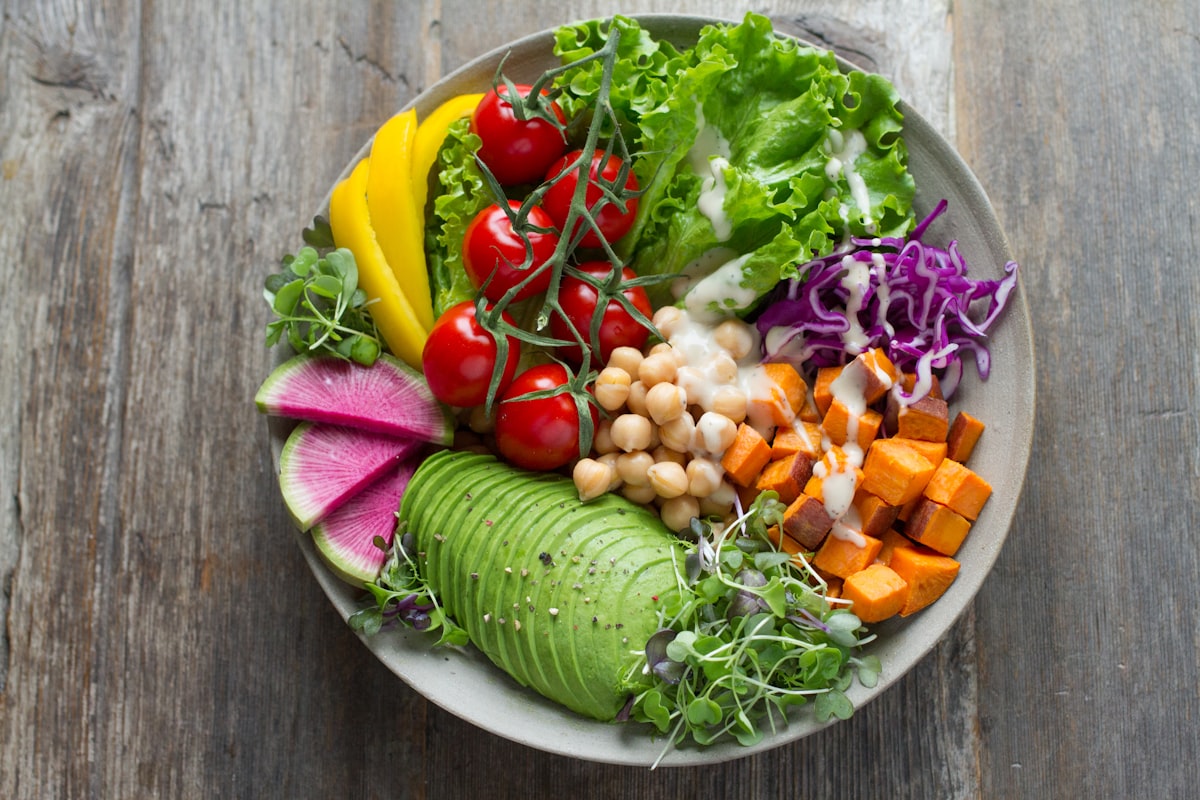
In the kitchen, this translates to meals that blunt sharp blood sugar spikes and keep you feeling full and energized: think crisp salads with beans and olive oil, creamy yogurt bowls piled with berries and seeds, and slow-simmered lentil stews over nutty whole grains.
When your meals are built for metabolic health, you’re not just eating to be “good”—you’re eating for steady energy, fewer crashes, and a body that feels supported for the long term.
CGMs and Data‑Driven Eating: How Glucose Monitors Left the Clinic and Entered the Kitchen
Historically, continuous glucose monitors (CGMs) were medical devices for people with diabetes, showing real‑time blood sugar levels every few minutes. In the last few years, wellness creators, athletes, and curious home cooks have started wearing CGMs to see how different foods, meal timing, and movement patterns affect their personal glucose curves.
The CGM trend has spilled into everyday food content as “glucose hacks,” even for people who never touch a sensor. Some of the most widely shared insights include:
- Carbs aren’t all equal: a slice of white bread might send blood sugar soaring, while lentils, barley, or beans create a gentler, slower rise.
- Meal order matters: starting with vegetables or protein, then adding starches, often flattens the glucose spike in CGM graphs.
- Movement is powerful: even 10–20 minutes of light walking after a meal can lower and smooth out the post‑meal peak.
You don’t need a CGM to benefit from these ideas. Think of them as kitchen‑tested habits: enjoy fiber and protein first, pair carbs with fats and roughage, and let a gentle stroll after dinner become part of the ritual, like brewing tea.

Key Glucose‑Friendly Eating Practices Emerging in 2026
As of 2026, nutrition researchers and reputable dietitians increasingly emphasize patterns that support stable blood sugar alongside overall diet quality. Here are some of the most common “glucose‑friendly” habits you’ll see in recipes and meal plans:
1. Protein and Fiber First
Eating vegetables and/or protein as the first bites of a meal can slow digestion and reduce the speed of glucose entering the bloodstream.
- Start with a small salad drizzled in olive oil before pasta.
- Take a few bites of grilled chicken or tofu before diving into rice.
- Enjoy crunchy cucumber and carrot sticks with hummus before bread or crackers.
2. Balanced Plates, Not Naked Carbs
“Naked carbs” are carbohydrates eaten alone—like plain white toast or a glass of fruit juice. Adding protein, fat, and fiber changes the texture of digestion.
Swap:
- Orange juice alone → orange slices with a handful of almonds.
- Plain white toast → whole‑grain toast with avocado and egg.
- White rice side → rice mixed with beans, vegetables, and a drizzle of olive oil.
3. Choosing Complex, Intact Carbs
Complex carbohydrates with intact structure—like beans, lentils, oats, barley, and whole grains—are digested more slowly than finely milled flours or sugary snacks.
- Use barley or farro in soups and salads instead of white rice.
- Choose steel‑cut or whole rolled oats over instant, sweetened packets.
- Base weeknight dinners on lentils, chickpeas, or black beans a few times per week.
4. Post‑Meal Movement
A simple, evidence‑backed habit: 10–20 minutes of light movement after eating—like walking the dog, cleaning up the kitchen, or strolling around the block—can help muscles soak up glucose more efficiently.
Metabolic “Superfoods” and Patterns: What’s On the Plate?
Rather than magical cures, metabolic “superfoods” are ingredients that show modest benefits for post‑meal glucose and overall metabolic markers, especially when woven into a wholesome pattern of eating.
Everyday Metabolic Allies
- Cinnamon: Warm, fragrant, and slightly sweet; some studies suggest it can improve insulin sensitivity modestly when used regularly.
- Vinegar: Especially apple cider vinegar, diluted in water or used in dressings, may blunt glucose spikes when consumed before a high‑carb meal.
- Bitter greens: Arugula, dandelion greens, radicchio, and endive add a peppery bite; traditional cuisines have long used bitterns as digestive tonics.
- Nuts and seeds: Almonds, walnuts, pistachios, chia, flax, and pumpkin seeds combine healthy fats, fiber, and protein.
- Oats, barley, and legumes: Rich in beta‑glucan and resistant starch, which feed the gut microbiome and slow carbohydrate absorption.

Metabolic Health Meal Patterns
Creators often package these foods into repeatable “metabolic meals,” such as:
- High‑protein, high‑fiber breakfasts: Greek yogurt with chia and berries; veggie omelets with avocado; overnight oats with flax and walnuts.
- Colorful grain bowls: A base of quinoa, barley, or brown rice topped with beans or lentils, roasted vegetables, crunchy greens, and a healthy fat like tahini or olive oil.
- Snack plates: Apple slices with peanut butter and cinnamon; carrots and cucumbers with hummus; cottage cheese with cherry tomatoes and olive oil.
Why Metabolic Health Diets Are Trending Now
Several forces have converged to make metabolic health a centerpiece of nutrition conversations heading into 2026:
- Rising awareness of prediabetes and fatty liver: Public health campaigns and updated clinical guidelines have highlighted how common insulin resistance and non‑alcoholic fatty liver disease have become worldwide. Many people are looking for ways to prevent chronic disease, not just treat it.
- Influential books and podcasts: Bestselling authors and evidence‑minded clinicians discuss metabolic syndrome, ultra‑processed foods, and insulin resistance on popular podcasts, fueling search trends like “metabolic meals” and “glucose‑friendly snacks.”
- Fitness and strength training culture: As more people embrace resistance training, nutrition advice emphasizes protein, muscle maintenance, and stable energy—naturally aligning with metabolic‑health messaging.
- Wearables at the table: Smartwatches and health apps normalize tracking; CGMs are seen as the next frontier in personal health data, even if they aren’t necessary for everyone.
At its best, this trend nudges us away from crash diets and toward long‑term eating patterns that prioritize nutrient‑dense, minimally processed foods—while still leaving space for joy, culture, and comfort in what we cook.
Critiques, Cautions, and How to Stay Balanced
Like any wellness movement, the metabolic‑health trend comes with caveats. Registered dietitians, endocrinologists, and mental health professionals have raised a few key concerns:
- Over‑interpreting normal glucose swings: Blood sugar is meant to rise and fall throughout the day. Chasing a perfectly flat graph can create unnecessary stress.
- Forgetting the big picture: Focusing only on glucose spikes can overshadow overall dietary quality, calorie balance, sleep, stress, and movement—all crucial for health.
- Individual variability: People respond differently to the same foods; your friend’s “perfect” banana curve may look different from yours, and that’s okay.
- Mental health and food relationship: For anyone with a history of disordered eating, hyper‑tracking numbers can be triggering; professional guidance is essential.
A Metabolic‑Friendly Recipe to Try: High‑Fiber Mediterranean Lentil Power Bowl
To bring these ideas to life, let’s cook a High‑Fiber Mediterranean Lentil Power Bowl—a warm, colorful dish designed to be gentle on blood sugar while still tasting deeply comforting. Earthy lentils mingle with roasted vegetables, lemon‑garlic greens, and a creamy yogurt‑tahini drizzle. It’s rich in fiber, plant protein, and healthy fats, and it’s easily adaptable for vegan or gluten‑free eaters.

Recipe Overview
Equipment
- Medium saucepan for lentils
- Large baking sheet for roasting vegetables
- Mixing bowls (1 large, 1 small)
- Sharp knife and cutting board
- Whisk or fork for sauce
Ingredients
For the lentils
- 1 cup (200 g) dry green or brown lentils, rinsed
- 3 cups (720 ml) water or low‑sodium vegetable broth
- 1 small bay leaf (optional)
- 1/2 tsp fine sea salt (added after cooking)
For the roasted vegetables
- 1 medium red onion, cut into wedges
- 1 medium zucchini, sliced into half‑moons
- 1 medium red bell pepper, sliced into strips
- 1 small eggplant, diced (about 2.5 cm pieces)
- 2 tbsp extra‑virgin olive oil
- 1 tsp ground cumin
- 1 tsp smoked paprika (or sweet paprika)
- 1/2 tsp dried oregano
- 1/2 tsp sea salt, plus more to taste
- Freshly ground black pepper, to taste
For the greens
- 4 cups lightly packed baby spinach or chopped kale
- 1 tbsp olive oil
- 1–2 cloves garlic, minced
- 1–2 tbsp lemon juice, to taste
- Pinch of red pepper flakes (optional)
For the yogurt‑tahini drizzle
- 1/2 cup (120 g) plain Greek yogurt (or thick plant‑based yogurt)
- 2 tbsp tahini
- 1 tbsp lemon juice
- 1 small clove garlic, finely grated
- 2–4 tbsp water, to thin
- 1/4 tsp ground cumin
- Salt and pepper, to taste
Toppings (optional but encouraged)
- 1/4 cup toasted pumpkin seeds or sunflower seeds
- 2 tbsp chopped fresh parsley or cilantro
- 1 tsp ground cinnamon lightly sprinkled over the bowl (for a subtle metabolic‑trend nod)
Step‑by‑Step Instructions
- Cook the lentils.
In a medium saucepan, combine rinsed lentils, water or broth, and bay leaf. Bring to a boil over medium‑high heat, then reduce to a gentle simmer. Cook uncovered for 20–25 minutes, until lentils are tender but not mushy. Drain excess liquid if needed, discard the bay leaf, and season with 1/2 tsp salt. Set aside, covered, to keep warm. - Roast the vegetables.
While the lentils cook, preheat your oven to 220°C (425°F). Spread onion, zucchini, bell pepper, and eggplant on a large baking sheet. Drizzle with olive oil, then sprinkle with cumin, smoked paprika, oregano, salt, and pepper. Toss to coat evenly and spread into a single layer. Roast for 20–25 minutes, stirring once halfway through, until the vegetables are caramelized at the edges and tender. - Sauté the greens.
In a large skillet, warm 1 tbsp olive oil over medium heat. Add garlic and cook for about 30 seconds, stirring, until fragrant but not browned. Add spinach or kale and a pinch of salt. Cook, tossing, until just wilted (2–3 minutes for spinach, 4–5 minutes for kale). Remove from heat and stir in lemon juice and red pepper flakes, if using. - Make the yogurt‑tahini drizzle.
In a small bowl, whisk together yogurt, tahini, lemon juice, garlic, cumin, and 2 tbsp water. Add more water, 1 tbsp at a time, until the sauce is pourable but still creamy. Season with salt and pepper to taste. The sauce should taste tangy, nutty, and slightly garlicky. - Assemble the bowls.
Divide warm lentils among four bowls. Top with roasted vegetables and garlicky greens. Drizzle each bowl generously with the yogurt‑tahini sauce. Finish with toasted seeds, chopped herbs, and a whisper of cinnamon if you like a warm, aromatic note. - Taste and adjust.
Before serving, taste a bit of everything together. Add a squeeze of extra lemon, a pinch more salt, or a drizzle of olive oil if the bowl tastes flat. You’re looking for a balance of brightness, creaminess, and earthy depth.
Storage & Reheating Tips
This bowl is meal‑prep friendly and keeps its texture beautifully if you store components separately:
- Lentils: Store in an airtight container in the fridge for up to 4 days. Reheat gently on the stove with a splash of water, or in the microwave, stirring halfway.
- Roasted vegetables: Refrigerate for up to 4 days. Reheat on a baking sheet at 190°C (375°F) for 8–10 minutes to restore some caramelized edges, or warm in a skillet.
- Greens: Best within 3 days; quickly rewarm in a skillet or enjoy at room temperature.
- Yogurt‑tahini sauce: Keeps for 4–5 days in the fridge. It will thicken; whisk in a spoonful of water or lemon juice before serving.
- Freezing: Cooked lentils freeze well for up to 2 months. Thaw overnight in the fridge and reheat with a splash of water.
Serving Suggestions & Complementary Dishes
To build a complete metabolic‑friendly menu, try pairing this bowl with:
- A bitter green side salad (arugula, radicchio) dressed with olive oil and vinegar.
- A small serving of Greek yogurt with cinnamon and walnuts for dessert.
- A sparkling water with lemon or vinegar‑spiked mocktail instead of sugary drinks.
And, in true metabolic‑health fashion, follow your meal with a relaxed 10–15 minute stroll—like a moving digestif.
Bringing Metabolic Health Into Everyday Cooking
You don’t need a lab or a library of podcasts to cook in a way that supports your blood sugar and long‑term health. In your own kitchen, these simple shifts go a long way:
- Make vegetables and beans the default starting point for meals.
- Keep nuts, seeds, and unsweetened yogurt on hand for quick, glucose‑friendly snacks.
- Trade some refined grains for whole, intact grains like oats, barley, or quinoa.
- Add a splash of vinegar‑based dressing and a drizzle of olive oil to salads and bowls.
- Weave in 10–20 minutes of gentle movement after meals whenever life allows.
Above all, let metabolic‑health concepts enhance your love of food—not limit it. A pot of lentils simmering on the stove, vegetables roasting until sweet and charred, and a tangy sauce coming together in a small bowl can be as joyful as any gourmet project, with the added bonus of supporting your body in the long run.

