GLP‑1 Companion Diets: Delicious ‘Ozempic‑Friendly’ Meals That Truly Nourish
High‑Protein GLP‑1 Companion Bowl (Ozempic‑Friendly Chicken & Quinoa Bowl)
GLP‑1 medications like Ozempic, Wegovy, and Mounjaro are changing how many of us eat: smaller portions, gentler meals, and a big focus on protein and nutrient density. Think of a GLP‑1 companion diet as a way of eating that works with your medication, not against it—helping ease nausea, protect your muscles, and keep every bite satisfying and nourishing.
This guide walks you through what “Ozempic‑friendly” really means (beyond the social media hype) and shares a cozy, high‑protein, gut‑friendly recipe: a Chicken & Quinoa GLP‑1 Companion Bowl with tender chicken, fluffy quinoa, soft roasted vegetables, and a soothing yogurt‑herb sauce. It’s built for smaller appetites, easy digestion, and big flavor.
What Are GLP‑1 Companion Diets and ‘Ozempic‑Friendly’ Meals?
As millions start GLP‑1 receptor agonists—medications originally developed for diabetes, now widely used for weight management—questions about how to eat on these drugs have exploded across Google, TikTok, and podcasts. You’ll see phrases like “Ozempic‑friendly recipes,” “Wegovy grocery haul,” or “What I eat in a day on GLP‑1.”
Beneath the trend is a simple idea: when appetite drops and digestion slows, your food needs to work harder for you. That typically means:
- Protein‑forward meals to help preserve muscle during weight loss.
- Nutrient density over volume—fewer bites, more nutrition.
- Gentle, gut‑friendly ingredients to reduce nausea, reflux, and constipation.
- Smaller, more frequent meals instead of big plates that feel overwhelming.
When done well, a GLP‑1‑aligned way of eating looks a lot like good, balanced nutrition in general—just tailored to lower appetite and a more sensitive stomach.
A well‑planned GLP‑1 companion diet isn’t about restriction for its own sake; it’s about making every bite count—for your muscles, your gut, and your long‑term health.
Core Principles of GLP‑1‑Aligned, Ozempic‑Friendly Eating
Most evidence‑based advice from dietitians and clinicians for people on GLP‑1s centers around four big nutrition themes.
1. Protein‑Forward Meals
When weight comes off quickly, you don’t just lose fat—you risk losing muscle. To counter this, many experts suggest aiming for roughly 90–120+ grams of protein per day for many adults, adjusted for body size and medical advice.
Protein‑rich options that tend to sit well for many GLP‑1 users include:
- Poached or shredded chicken or turkey
- Soft, flaky fish like cod, salmon, or tilapia
- Greek yogurt and cottage cheese
- Eggs in gentle forms (scrambled, soft‑boiled, frittatas)
- Tofu and tempeh for plant‑based options
- High‑quality protein shakes or powders, especially when solid food feels tough
2. Nutrient Density Over Volume
Because GLP‑1 drugs reduce appetite, huge salads or giant grain bowls can feel impossible to finish. The goal is to pack protein, fiber, and healthy fats into smaller, more comfortable portions, focusing on:
- Whole grains like quinoa, oats, farro
- Cooked vegetables rather than large raw salads
- Healthy fats from olive oil, avocado, nuts, seeds
- Colorful fruits such as berries, kiwi, citrus
3. Gut‑Friendly, Gentle Foods
Nausea, bloating, and constipation are common early on. Instead of forcing rough or greasy foods, many people feel better with:
- Oats and chia pudding
- Berries and peeled, soft fruits (ripe pears, bananas)
- Cooked vegetables like carrots, zucchini, and green beans
- Fermented foods (yogurt, kefir, kimchi, sauerkraut) for gut support
- Plenty of water and electrolytes, sipped slowly
4. Smaller, More Frequent Meals
Instead of three large meals, many GLP‑1 users feel best with 4–6 small meals or snacks spaced through the day. This can stabilize energy and make it easier to meet protein goals without overwhelming your stomach.
Recipe Overview: High‑Protein GLP‑1 Companion Chicken & Quinoa Bowl
This bowl is built for GLP‑1 users: it’s high‑protein, fiber‑rich, and gentle with soft textures, soothing flavors, and enough variety to feel exciting without overwhelming your appetite.
Prep time:
Cook time:
Total time:
Servings: 4 small bowls (or 3 larger)
Difficulty: Easy
Dietary: High‑protein, can be made gluten‑free
Equipment You’ll Need
- Cutting board and sharp knife
- Medium saucepan with lid (for quinoa)
- Large nonstick or stainless skillet (for chicken and veggies)
- Small bowl (for yogurt sauce)
- Measuring cups and spoons
- Mixing spoon or spatula
- Optional: sheet pan for roasting vegetables
Ingredients
All measurements are approximate—feel free to scale down for very small portions.
For the Protein & Quinoa Base
- 1 cup (185 g) quinoa, rinsed
- 2 cups (480 ml) low‑sodium chicken or vegetable broth (or water)
- 1 lb (450 g) boneless, skinless chicken breast, cut into bite‑size pieces
- 1 tablespoon olive oil
- 1 teaspoon garlic powder
- 1 teaspoon onion powder
- 1/2 teaspoon dried oregano or mixed Italian seasoning
- 1/2 teaspoon fine sea salt (or to taste)
- 1/4 teaspoon ground black pepper (optional, reduce if sensitive)
For the Soft Roasted Vegetables
- 1 medium zucchini, sliced into half‑moons
- 2 medium carrots, peeled and sliced
- 1 small red bell pepper, sliced into strips (or use yellow/orange)
- 1 tablespoon olive oil
- 1/4 teaspoon salt, or to taste
For the Yogurt‑Herb Sauce
- 3/4 cup (180 g) plain Greek yogurt (2% or full‑fat tends to feel gentler)
- 1 tablespoon lemon juice (or more to taste)
- 1 tablespoon extra‑virgin olive oil
- 1–2 tablespoons fresh herbs (dill, parsley, or chives), finely chopped
- 1/4 teaspoon garlic powder or 1/2 small garlic clove grated (optional if sensitive)
- Salt to taste
Optional Toppings
- 1/2 ripe avocado, thinly sliced (adds gentle healthy fats)
- 2 tablespoons pumpkin or sunflower seeds (for crunch and nutrients)
- Extra chopped fresh herbs
Step‑by‑Step Cooking Instructions
Take your time and cook at a pace that feels comfortable—this recipe is very forgiving and great for Sunday meal prep or gentle weeknight dinners.
Cook the Quinoa
Rinse the quinoa under cold water in a fine mesh strainer. Add it to a saucepan with the broth (or water). Bring to a gentle boil over medium‑high heat.
Once boiling, reduce heat to low, cover, and simmer for 15 minutes or until the liquid is absorbed and the quinoa is fluffy. Turn off heat and let it sit, covered, for another 5 minutes. Fluff with a fork.
Prepare and Soften the Vegetables
While the quinoa cooks, preheat your oven to 400°F (200°C) if roasting. Toss zucchini, carrots, and bell pepper with olive oil and salt on a sheet pan.
Slice vegetables small and roast until tender for an easier‑to‑digest GLP‑1‑friendly texture. Roast for 15–20 minutes, stirring once, until vegetables are soft and lightly golden on the edges. If your stomach is very sensitive, roast them a bit longer until extremely tender.
No oven? Sauté the vegetables in a skillet with a splash of water and olive oil over medium heat, covered, until soft.
Cook the Chicken Gently
Pat chicken pieces dry with paper towels. In a small bowl, mix garlic powder, onion powder, oregano, salt, and pepper. Toss the chicken with the olive oil and spice mixture.
Heat a nonstick skillet over medium heat. Add chicken in a single layer and cook, stirring occasionally, for 7–10 minutes, until just cooked through and no longer pink inside.
Keep chicken pieces bite‑size and tender so they’re easy to tolerate even on lower appetite days. If browning smells or looks too intense (which can be off‑putting with nausea), lower the heat and add a tablespoon or two of water to keep everything moist and mild.
Mix the Yogurt‑Herb Sauce
In a small bowl, whisk together Greek yogurt, lemon juice, olive oil, herbs, and garlic (if using). Season with a pinch of salt and adjust lemon to taste.
A tangy yogurt‑herb sauce adds creaminess and extra protein without feeling heavy. Assemble Your GLP‑1 Companion Bowls
Divide the quinoa between 3–4 bowls (or storage containers if meal‑prepping). Top with chicken and a generous handful of roasted vegetables.
Spoon yogurt‑herb sauce over the top. Add sliced avocado and seeds if using, plus extra herbs.
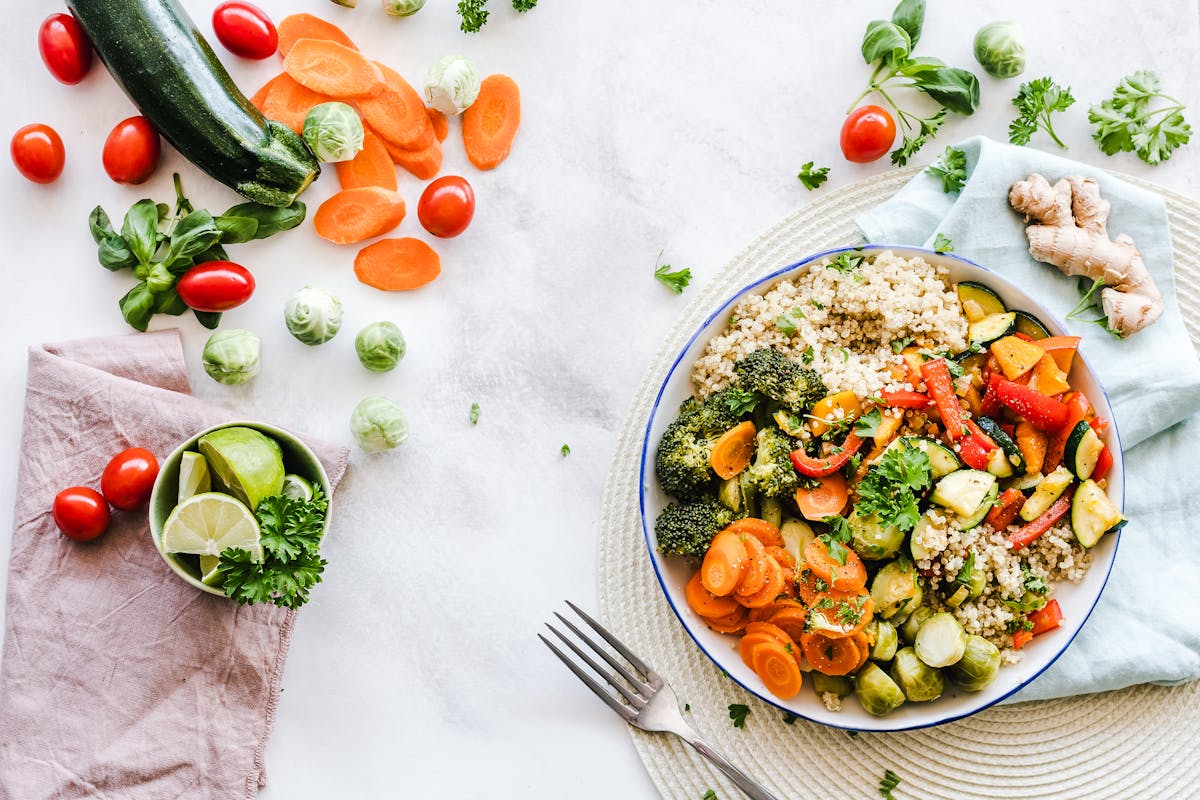
Build smaller bowls and eat slowly—this helps align with GLP‑1 appetite changes. Adjust Portions for Your Appetite
If your appetite is very low, start with a half portion: 1/4–1/3 cup quinoa, a few small pieces of chicken, and a spoonful of vegetables and sauce. You can always pause, then come back later.
Approximate Nutrition (Per Serving)
Values will vary based on brands and portion sizes, but for 1 of 4 servings (without toppings) this bowl roughly provides:
- Calories: ~420–480 kcal
- Protein: ~35–40 g
- Carbohydrates: ~35–40 g (with fiber from quinoa and vegetables)
- Fat: ~14–18 g (mostly from olive oil and yogurt)
This makes it a high‑protein, moderate‑carb, moderate‑fat option that fits many GLP‑1 companion diet goals, especially when paired with gentle resistance training to protect muscle.
Substitutions & Dietary Adaptations
For a Vegetarian or Flexitarian Bowl
- Swap chicken for firm tofu, pressed and cubed, then sautéed like the chicken.
- Use tempeh, sliced thin and steamed briefly before sautéing for easier digestion.
For a Dairy‑Free or Lactose‑Free Version
- Use a lactose‑free Greek‑style yogurt or a thick unsweetened plant yogurt (soy or pea protein offers more protein than coconut or almond).
- Or replace sauce with a simple drizzle of olive oil and lemon plus herbs.
For Gluten‑Free Needs
- The bowl is naturally gluten‑free if your broth and yogurt are certified gluten‑free.
For Extra Gentle Digestion
- Cook vegetables until very soft, peeling them if skins bother you.
- Skip garlic and pepper if you notice they trigger nausea or reflux.
- Serve quinoa slightly overcooked with a splash of extra broth for a softer, risotto‑like texture.
Storage, Reheating & Meal Prep Tips
This recipe is ideal for Ozempic‑friendly meal prep, because you can portion it into small containers and eat it across several days.
- Fridge: Store quinoa, chicken, and vegetables together in an airtight container for up to 3–4 days. Keep yogurt sauce in a separate small container.
- Freezer: The chicken and quinoa mixture (without yogurt sauce) can be frozen for up to 2–3 months. Thaw overnight in the fridge.
- Reheating: Reheat gently in the microwave with a splash of water or broth, stirring halfway, until just warm. Add yogurt sauce after reheating to keep it creamy.
- Snack‑sized portions: Portion into very small containers (half‑cups) if your appetite is minimal. You can add an extra portion later if needed.
Serving Ideas & Complementary Dishes
To round out a GLP‑1‑aligned day of eating, you can pair this bowl with other gentle, protein‑rich snacks and meals.
- Morning: Creamy protein oats with chia seeds and berries, or scrambled eggs with a little cheese.
- Snack: Greek yogurt with a drizzle of honey, or cottage cheese with sliced cucumber.
- Evening: A smaller portion of this bowl with a side of roasted sweet potato or a simple lentil soup.
Staying Grounded: Safety, Science & Avoiding Extreme Advice
With celebrity buzz and viral “Ozempic‑friendly” meal plans, it’s easy to run into advice that’s too extreme—like very low calorie intakes or long lists of “forbidden” foods.
From a scientific perspective, the fundamentals for people using GLP‑1 medications look like this:
- Prioritize protein and include some at every meal and snack.
- Choose mostly whole foods—but allow room for gentle comfort foods you digest well.
- Support your gut with fiber, fluids, and, if tolerated, fermented foods.
- Pair nutrition with resistance training (as approved by your provider) to protect muscle.
Bringing It All Together
GLP‑1 companion diets aren’t about perfection; they’re about making your smaller appetite count with meals that are protein‑rich, colorful, and kind to your stomach. This Chicken & Quinoa GLP‑1 Companion Bowl is a practical place to start: simple ingredients, flexible portions, and a cozy, satisfying flavor profile.
Whether you’re on Ozempic, Wegovy, Mounjaro, or simply curious about high‑protein, nutrient‑dense eating, you deserve food that feels good—physically and emotionally. Start with one bowl, adjust to your taste and tolerance, and let your kitchen become an ally in your health journey.