
From Only Pup to Big Sister: How One Golden Retriever Welcomed a New Baby
When a new baby comes home, everyone’s life changes—especially your dog’s. For Harley, the Golden Retriever featured on the Instagram account @harleyofthebay, that meant going from being the “only child” to sharing her home, her parents, and even some of her toys with a tiny human. The transformation, recently highlighted in a touching video and story on Yahoo, shows Harley gently evolving from center-of-attention pup to a patient, loving big sister.
If you’re expecting a baby—or just brought one home—and you’re wondering how your dog will handle it, Harley’s story is a beautiful example of how dogs and children can form a close, safe, and joyful bond with the right guidance.
Why Harley’s Story Resonates With So Many Families
Many pet parents quietly worry: “Will my dog be jealous?” “Can I trust them around the baby?” Harley’s journey—featured in the article “Golden Retriever Is Little Girl’s Big Sister Now After Once Being the Baby” on Yahoo—offers a reassuring picture. Through patient introductions, consistent boundaries, and lots of positive reinforcement, Harley transitioned from being the baby of the family to a gentle, watchful “big sister” to a little girl who now toddles around the house by her side.
The Big Shift: From Only Dog to Sharing the Spotlight
For dogs like Harley, a new baby means:
- Different daily routines and walk times
- New sounds (crying, laughing, noisy toys)
- Less one-on-one time with their favorite humans
- New rules about where they can go and what they can do
Research in companion animal behavior shows that sudden changes in routine and attention can be stressful for dogs. According to the American Veterinary Medical Association, preparation and safe management are key to helping both dogs and children live together harmoniously.
“Dogs don’t get jealous in the human sense, but they do react to changes in attention and routine. Planning ahead and rewarding calm behavior around the baby can make all the difference.”
— Dr. Lisa Radosta, Board-Certified Veterinary Behaviorist (paraphrased from clinical guidance)
Harley’s family seemed to honor this principle: the video shows a dog who looks settled and content, not anxious or pushed aside. That level of comfort doesn’t happen by accident—it’s built, step by step.
Inside Harley’s Transformation: From Baby of the House to Big Sister
In the Yahoo feature, Harley is introduced as the original “baby” of the family—spoiled with attention, cuddles, and adventures. When her parents welcomed their daughter, they documented the transition on Instagram. In the early clips, Harley keeps a gentle distance, curious but cautious as the baby naps, wiggles, and eventually starts to crawl.
Over time, you see a subtle but powerful shift:
- Curiosity: Harley sniffs the baby’s feet, ears flicking, body relaxed but alert.
- Acceptance: She settles nearby while the baby plays, no longer needing constant reassurance.
- Bonding: As the little girl grows, Harley becomes her quiet shadow—lying close, tolerating clumsy hands, and sharing floor space and toys.
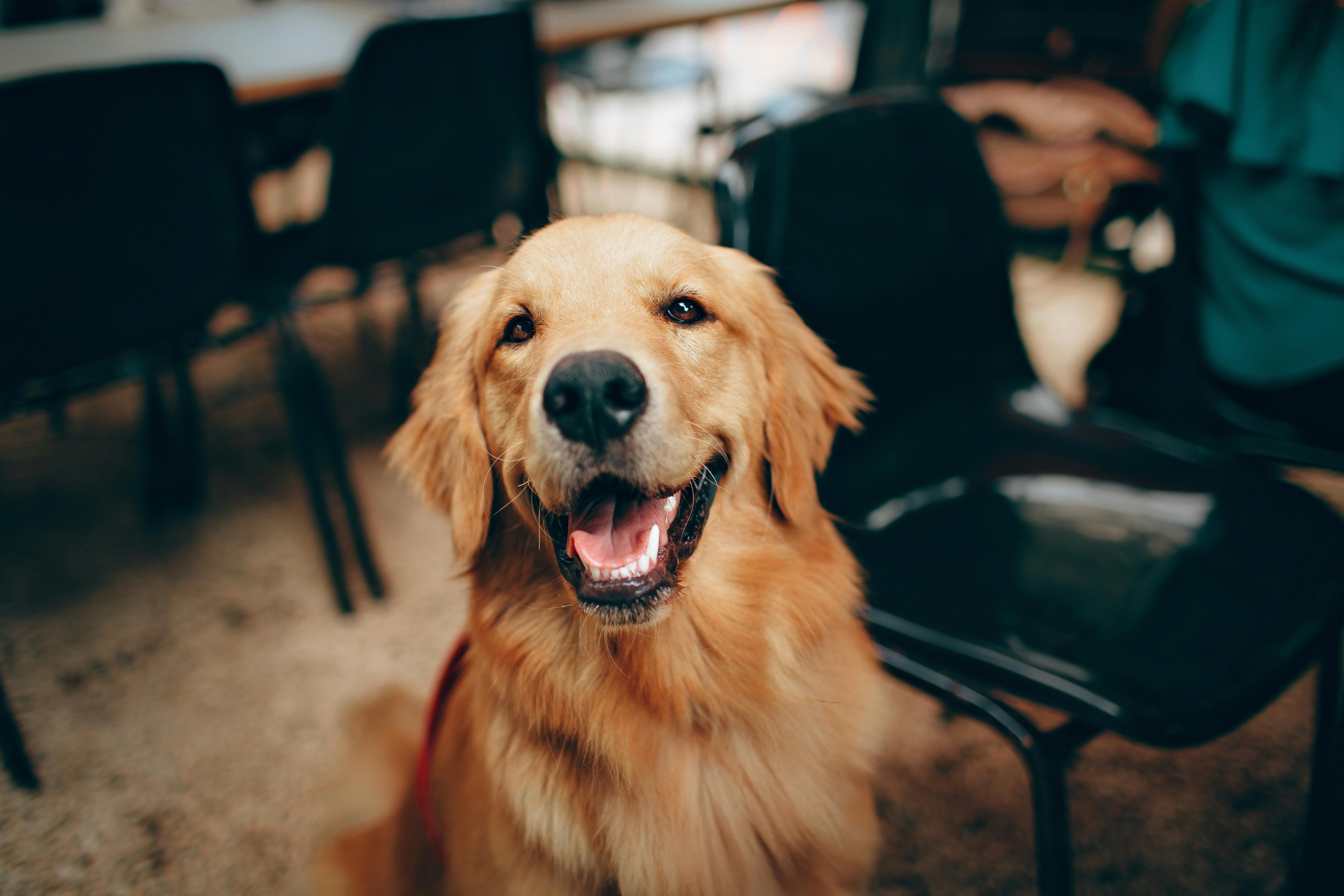
The result isn’t a “perfect” Instagram pairing—it’s a realistic, evolving friendship. There are supervised snuggles, shared quiet moments on the rug, and plenty of human guidance in between.
Before & After: Life With Harley Then vs. Now
While we don’t have Harley’s exact training schedule, her visible comfort in the videos gives us a “before and after” picture many families recognize.
How to Help Your Dog Become a Loving “Big Sibling”
Based on animal behavior research and best-practice guidelines from veterinary and training organizations, here are practical steps you can use—many of which Harley’s family likely followed.
1. Start Before the Baby Arrives
- Adjust routines early. Gradually shift walk and feeding times so your dog doesn’t associate sudden changes with the baby.
- Desensitize to baby sounds. Play gentle recordings of baby noises at low volume, rewarding calm behavior.
- Practice boundaries. Teach cues like “go to mat,” “stay,” and “leave it,” which are invaluable once the baby is mobile.
2. Make the First Introduction Calm and Controlled
- Ensure your dog has had exercise and a chance to potty first.
- Have one adult handle the dog on a loose leash or behind a baby gate, and another hold the baby.
- Allow your dog to sniff from a short distance at first; reward calm interest.
- Slowly decrease distance over several sessions, always watching for stress signals (lip-licking, yawning, turning away, stiffness).
3. Pair the Baby With Good Things
A core principle in behavior science is classical conditioning: your dog forms associations. Help them connect “baby” with “good stuff.”
- Offer special treats only when the baby is present.
- Give your dog a favorite chew or puzzle toy during feeding or diaper changes.
- Speak in a calm, upbeat voice when your dog approaches the baby area calmly.
4. Supervise Every Interaction
Organizations like the CDC and Association of Professional Dog Trainers (APDT) stress that children and dogs should never be left together unsupervised, no matter how gentle the dog seems.
- Use physical barriers (baby gates, playpens) to separate when you’re distracted.
- Teach your child early to avoid pulling ears, tail, or fur.
- Watch both the dog’s and child’s body language; step in before either becomes overwhelmed.
5. Protect Your Dog’s Needs, Too
Harley’s relaxed demeanor suggests her emotional needs were being met even with a new baby around.
- Maintain daily walks or playtime, even if shorter.
- Create a child-free safe zone where your dog can retreat and rest undisturbed.
- Offer mental enrichment (snuffle mats, puzzle feeders) when physical exercise is limited.
Common Challenges (and How to Work Through Them)
Even with the best preparation, bumps in the road are normal. Here are some issues families like Harley’s may face—and realistic ways to respond.
Jealous or Attention-Seeking Behaviors
Signs might include nudging between you and the baby, barking when you hold the baby, or stealing baby items.
- Reward your dog for waiting calmly while you care for the baby.
- Schedule brief, regular “dog-only” time—five focused minutes can help.
- Teach an alternative behavior like “go to mat” in exchange for treats.
Fear or Avoidance
Some dogs are unsure about babies, especially as they start crawling or making unpredictable movements.
- Allow your dog to keep distance; don’t force closeness.
- Reward any calm glances or approaches toward the baby from afar.
- Give your dog the option to leave the room if they need space.
Resource Guarding or Tension Around Toys
Toy confusion is common—baby toys and dog toys can look similar.
- Keep baby and dog toys clearly separate and stored.
- Teach “drop it” and trade a lower-value item for a higher-value reward.
- If you see stiff body posture, growling, or guarding, contact a certified trainer or veterinary behaviorist promptly.
What Science Says About Dogs, Kids, and Bonding
Harley’s tender behavior is heartwarming, but it’s not just a “cute story”—it aligns with what we know from research on dog–human relationships.
- Studies published in journals like Animals and Frontiers in Psychology suggest that positive interactions with pets can support children’s emotional development and empathy.
- Work on dog cognition shows that many dogs form strong attachment bonds with their human families, responding to them similarly to how human infants respond to caregivers.
- Research on oxytocin—the “bonding hormone”—indicates that friendly interactions between humans and dogs can boost oxytocin levels in both, reinforcing feelings of closeness.
“Well-managed pet–child relationships can be enriching for both. Safety, supervision, and positive reinforcement are non-negotiable foundations.”
— Summary of guidance from the American Academy of Pediatrics and AVMA
While every dog–child relationship is unique, Harley’s story is a picture of these principles in action: consistent kindness, clear rules, and a family committed to making space for both their fur baby and their human one.
Bringing It All Together: Your Own Harley Moment
Watching Harley stroll quietly beside her little girl, you see more than just a cute Instagram reel—you see the result of thoughtful preparation, patience, and daily choices that prioritized safety and connection for everyone in the home.
You don’t need a “perfect” dog or a spotless routine to build this kind of bond. You just need:
- A plan to prepare your dog before baby arrives
- Calm, structured introductions and supervision
- Respect for your dog’s boundaries and emotional needs
- Willingness to ask for professional help when needed
If Harley’s journey inspires you, take a moment today to:
- Observe your dog’s current comfort level with children and baby-like stimuli.
- Pick one small training goal for this week—such as “go to mat” or calm exposure to baby sounds.
- Share your plan with your partner or support system so everyone is on the same page.
You may never go viral like Harley, but you can absolutely write your own quiet, everyday success story—one where your child grows up with a trusted canine companion at their side.
Meta Information (SEO)
Meta Title: Golden Retriever Becomes Baby’s Big Sister: How to Help Your Dog Adjust to a New Child
Meta Description: Inspired by Harley the Golden Retriever’s viral story, learn evidence-based, practical steps to help your dog transition from “only child” to loving big sibling when a new baby joins the family.
Primary Keywords: Golden Retriever big sister, dog and baby bonding, introduce dog to new baby, Harley of the Bay
Secondary Keywords: dog and child safety, preparing dog for baby, family dog and newborn, Yahoo Golden Retriever story
