
From Fluffball to Showstopper: Inside Knox the Goldendoodle’s Amazing Coat Transformation
When Knox the Goldendoodle’s before-and-after photos started circulating, people could hardly believe it was the same dog. As a puppy, Knox was an adorable ball of cream-colored fluff. As an adult, his coat transformed into a rich, textured showstopper that looked like it belonged in a magazine spread. If you share your life with a doodle (or are thinking about it), Knox’s dramatic glow-up is probably both exciting and a little intimidating.
This page breaks down what actually happened with Knox’s coat, why Goldendoodles often look so different as adults, and how you can support your own dog’s coat health without expecting “viral” results. The focus here is on realistic, evidence-informed advice—no miracle claims, just what we know from grooming experts, veterinarians, and real-life doodle parents.

Why Goldendoodle Coats Change So Much From Puppy to Adult
Knox’s transformation feels dramatic, but it’s actually a more noticeable version of a normal biological process: the transition from puppy coat to adult coat. All dogs go through this, but in poodle mixes like Goldendoodles, the change can be especially striking.
- Genetics: Goldendoodles inherit coat traits from both Golden Retrievers and Poodles. The mix of straight, wavy, and curly coat genes can “settle in” later in life, changing texture and sometimes color.
- Puppy coat vs. adult coat: Puppy fur is usually softer, fluffier, and less dense. The adult coat tends to be thicker, with more defined curl or wave.
- Color shift: Many doodles “fade,” “brighten,” or develop new shades as they mature—sometimes slowly, sometimes seemingly overnight.
“It’s completely normal for doodle puppies to look almost like a different dog as adults. Around 6–18 months, the adult coat comes in, and you can see big changes in thickness, curl, and color.”
— Dr. Sara Ochoa, DVM, small-animal veterinarian
Knox the Goldendoodle: From Cream Puff Puppy to Rich, Textured Adult
According to the original feature on AOL.com, Knox started out with a pale, fluffy, almost cloud-like coat—the kind many people imagine when they think “Goldendoodle puppy.” As he approached adulthood, though, his guardians began to notice subtle changes: deeper tones appearing around his ears, a firmer texture along his back, and more defined waves after grooming.
By the time Knox reached full maturity, his look was completely transformed. His adult coat had:
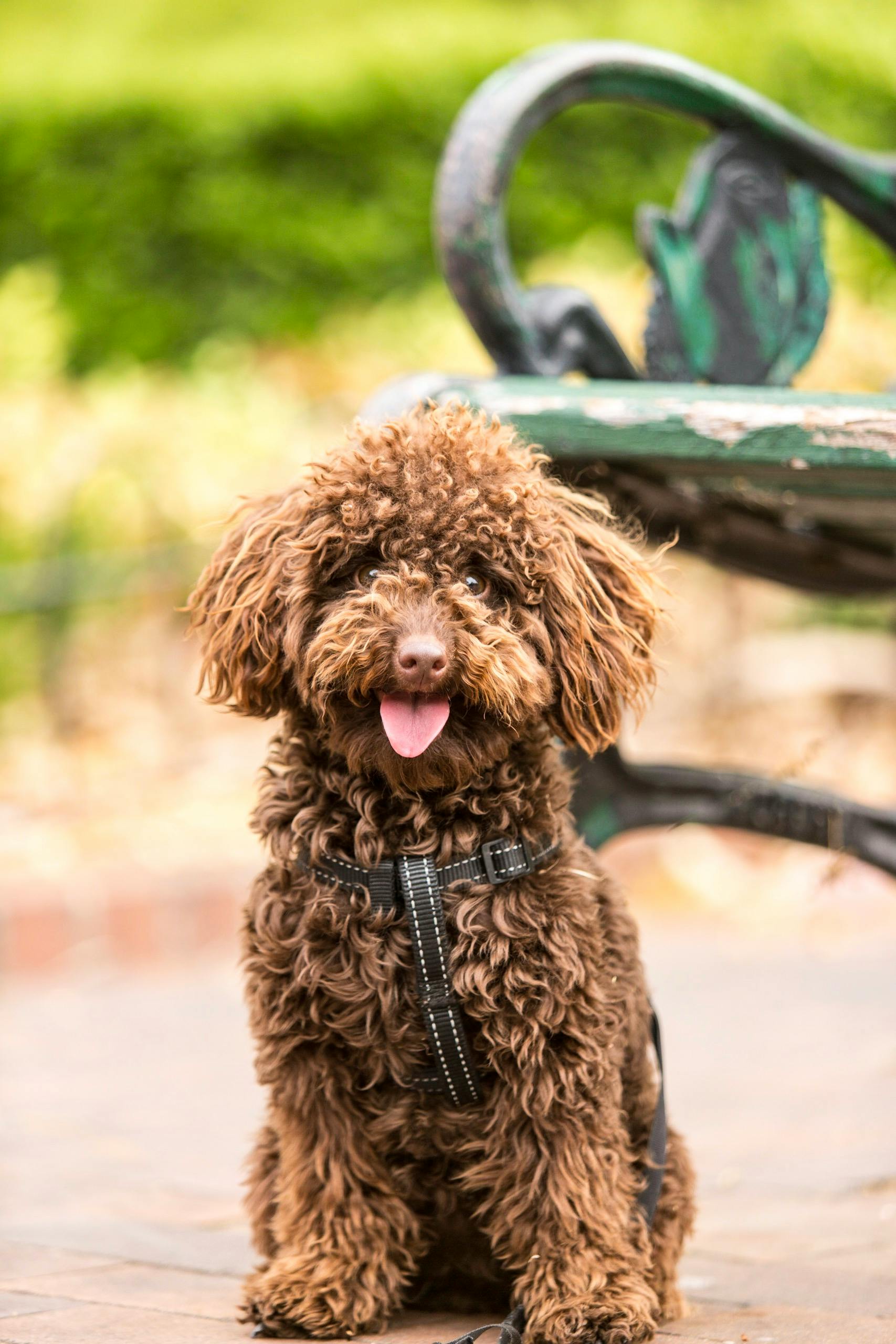
- A richer, warmer color with golden and apricot tones.
- More defined waves and curls, especially around the ears and chest.
- A fuller, denser appearance that photographed beautifully.
The Science Behind Goldendoodle Coat Transformations
Knox’s story lines up with what researchers and veterinarians see in poodle mixes in general. While there’s limited doodle-specific research, several dog coat genetics studies help explain these dramatic changes.
- Coat length and curl genes: Studies have identified genes (like RSPO2, FGF5, and KRT71) that influence curl, furnishings, and length in breeds including Poodles and Retrievers. Different combinations can produce everything from straight to tightly curled coats.
- Color-modifying genes: Genes involved in pigment, such as those in the MC1R and ASIP pathways, can cause coats to lighten, darken, or develop shading over time.
- Age-related coat changes: Like humans, dogs can also develop graying or changes in texture with age, especially around the muzzle.
You can read more about coat genetics from resources such as:
- A genetic basis for canine coat variation (National Institutes of Health)
- Cornell University Canine Genetics Resources
How to Support a Healthy Goldendoodle Coat (Without Chasing Perfection)
You can’t control your dog’s genetics, but you can absolutely influence coat health and comfort. Here are practical, evidence-informed ways to support your Goldendoodle’s coat as it transforms.
1. Start grooming early and keep it positive
- Introduce brushing gently while your puppy still has a soft coat.
- Use lots of treats and short sessions so grooming feels safe, not stressful.
- Get your doodle used to paws, ears, and tail being handled.
2. Brush for skin health, not just looks
Regular brushing helps distribute natural oils, reduce matting, and keep the skin underneath healthy—a key factor in how the coat ultimately looks.
- Most doodles benefit from brushing at least 3–4 times per week; some need daily sessions.
- Use a slicker brush and a metal comb to reach through the entire coat, not just the top layer.
- Always check friction points: behind ears, under collar, armpits, tail base, and around the legs.
3. Choose a realistic haircut and schedule
Knox’s photos likely show a freshly groomed coat under flattering lighting. In real life, even the most stunning doodle coats need maintenance cuts.
- Book professional grooming every 6–8 weeks for most doodles.
- Ask your groomer for a length that matches your lifestyle and brushing habits.
- Don’t feel guilty if you choose a shorter, easier-to-maintain cut—your dog’s comfort matters most.

Common Challenges During the Puppy-to-Adult Coat Transition
Many doodle guardians are surprised when the once-easy puppy coat suddenly becomes a tangle-prone challenge. If that’s you, you’re not alone—and you’re not doing anything wrong.
- “Matting out of nowhere”: As the adult coat grows in, it can tangle with the remaining puppy coat, creating a dense layer of mats close to the skin.
- Grooming anxiety: Dogs who weren’t gradually acclimated to grooming can become fearful when brushes and clippers show up.
- Expectations vs. reality: Social media photos of dogs like Knox can make normal, in-between coats feel “not good enough.”
To navigate this phase:
- Schedule an extra groom or two during the heavy transition period (often 6–18 months).
- Communicate openly with your groomer about matting; sometimes a shorter cut is the kindest option.
- Focus on your dog’s comfort rather than chasing a specific “Instagram look.”

What Groomers and Vets Want You to Know About Doodle Coats
Knox’s head-turning coat is a mix of genetics, good care, and professional grooming. Here’s how experts tend to frame these transformations.
“I always remind doodle owners: your dog’s coat is a living, changing thing. Our job is to keep it healthy, breathable, and mat-free. Beautiful cuts are a bonus, but comfort is non-negotiable.”
— Jenna R., professional groomer specializing in doodles
- Vets emphasize skin health, nutrition, and parasite prevention as foundations for a healthy coat.
- Groomers emphasize realistic expectations and consistent at-home maintenance.
- Both agree: a dog doesn’t need a “perfect” or elaborate cut to be healthy and loved.
A Real-Life Parallel: When My Friend’s Doodle “Turned Into” a Different Dog
A close friend of mine brought home a doodle puppy who looked almost identical to Knox’s early photos—pale, fluffy, and straight-coated. She expected that look to stay forever. Around 10 months, though, everything changed.
Over a few months:
- His coat deepened to a warm honey color.
- Soft waves appeared, then tight curls on his ears and legs.
- Brushing sessions went from 5 minutes to 20–30 minutes to manage new tangles.
Her biggest realization was that his comfort had to come before any specific “look.” During the heaviest transition period, she agreed with the groomer on a shorter trim that wasn’t as “Instagram-worthy” but kept him mat-free and happy. Over time, as they found a brushing routine that worked, they were able to experiment with slightly longer cuts again.
Knox’s transformation may look effortless in photos, but behind most beautiful doodle coats are small, consistent habits like these.

Key Takeaways From Knox’s Viral Coat Glow-Up
Knox’s coat transformation from puppy to adult is stunning—but it’s also a helpful reminder of what’s normal and what actually matters for your own dog.
- Change is expected: Most Goldendoodles will look noticeably different as adults than they did as puppies.
- Genetics set the stage: You can’t choose your dog’s exact adult coat, even with careful breeder selection.
- Healthy habits matter: Nutrition, regular brushing, and professional grooming strongly influence how that genetic potential shows up.
- Comfort comes first: A shorter, low-maintenance cut that keeps your dog mat-free is often kinder than chasing a magazine look.
- Your doodle’s journey is unique: Knox is one beautiful example, not the standard your dog needs to live up to.
Moving Forward: Celebrate Your Dog’s One-of-a-Kind Transformation
If Knox’s dramatic coat transformation has you looking more closely at your own dog, use that curiosity as an invitation—not to judge—but to connect. Snap a few photos each month. Notice how the coat feels under your hand. Pay attention to what grooming routines your dog seems most comfortable with.
Then, take one small step:
- Schedule a conversation with your groomer or vet about your dog’s current coat and any concerns.
- Commit to a realistic brushing routine, even if it’s just 5–10 minutes a few times a week.
- Let go of comparison. Your doodle doesn’t need to look like Knox to be absolutely perfect for you.
Viral photos may turn heads, but the real magic is in the quiet, everyday care you give your dog—the walks, the brushing sessions, the patient training, and the unconditional love. That’s the kind of transformation that matters most.
