
Foiled in Vienna: How a Thwarted Terror Plot Cast a Shadow Over Taylor Swift’s Eras Tour
Man Pleads Guilty in Foiled Plot Against Taylor Swift’s Vienna Concert: What It Means for Live Music Security
A foiled terror plot targeting a Taylor Swift concert in Vienna, and the recent guilty plea by the main suspect, has reignited questions about security at mega-tours, the pressures on European venues, and how pop culture juggernauts have become symbolic targets in a tense global climate.
Updated: April 29, 2026 · Source reporting from AP News
The Vienna Taylor Swift Plot: What Happened and Why It Still Matters
Nearly two years after Austrian authorities disrupted a suspected terrorist plot against one of Taylor Swift’s planned Eras Tour shows in Vienna, the case reached a turning point: according to AP News reporting, the accused man has now pleaded guilty as his trial opened in Wiener Neustadt.
The plot never became an attack—police intervened in time, and Swift’s three Vienna concerts were canceled as a precaution. But the guilty plea does more than close a legal chapter. It underlines how arena-scale pop concerts have become flashpoints in a world where culture, politics, and extremism increasingly collide.
This isn’t just a “Taylor Swift story” or just a “terrorism story.” It’s a case study in how modern fandom, global touring economics, and European security anxieties intersect—sometimes violently, often invisibly.
Inside the Case: Alleged ISIS Allegiance and a Thwarted Vienna Concert Attack
According to prosecutors cited by AP, the defendant is accused of:
- Pledging allegiance to the Islamic State group (ISIS)
- Planning a violent attack targeting at least one of Taylor Swift’s Vienna shows
- Preparing materials and discussing methods intended to inflict mass casualties
Austrian authorities acted before any attack could begin, but the seriousness of the plan prompted them to cancel all three scheduled Swift concerts in Vienna—an extraordinary move given the massive financial, logistical, and cultural stakes around the Eras Tour.
“Even a low-probability threat becomes unacceptable when you’re talking about tens of thousands of people in a confined space.”
That logic has guided European security strategies since a series of high-profile attacks on public gatherings over the past decade. The alleged Vienna plot fit the pattern: a global superstar, an emotionally charged mass event, and a high symbolic payoff for extremists seeking attention.
The Eras Tour and the New Reality of Arena-Sized Security
The Eras Tour isn’t just a concert series; it’s a full-blown economic and cultural phenomenon, credited with boosting tourism, hospitality, and even local GDP in cities from the U.S. to Europe. Where that kind of money and attention goes, risk inevitably follows.
For promoters and authorities, Swift’s tour is a stress test of 21st-century concert security:
- Soft targets, hard lessons: Large crowds, emotional energy, and predictable schedules make tours appealing targets. The Vienna case forced officials to choose certainty over spectacle.
- Security as part of the “show”: Fans now expect metal detectors, bag checks, and heavy police presence as much as LED wristbands and costume changes.
- Insurance and liability: Behind the scenes, insurers and risk managers increasingly shape whether shows go on or get canceled.

In this context, canceling three sold-out Vienna dates wasn’t an overreaction; it was the cost of treating pop concerts as potential high-risk events rather than innocent nights out.
Why Taylor Swift? Pop Icons as Political and Symbolic Targets
Extremist groups have long targeted cultural symbols, not just political ones. From attacks on nightclubs and festivals to threats against sports matches, mass entertainment represents:
- Visibility: Pop culture guarantees maximum media coverage.
- Values: Concerts like Swift’s embody openness, joy, and freedom—values that extremist ideologies often frame as decadent or threatening.
- Global reach: A hit tour touches multiple countries, amplifying any disruption beyond national borders.
Taylor Swift, in particular, sits at the nexus of fandom, politics, and the modern internet. Her public stances on voting, LGBTQ+ rights, and misogyny have made her—fairly or not—a symbol in broader culture wars.
For Swifties in Europe, a New Kind of Concert Anxiety
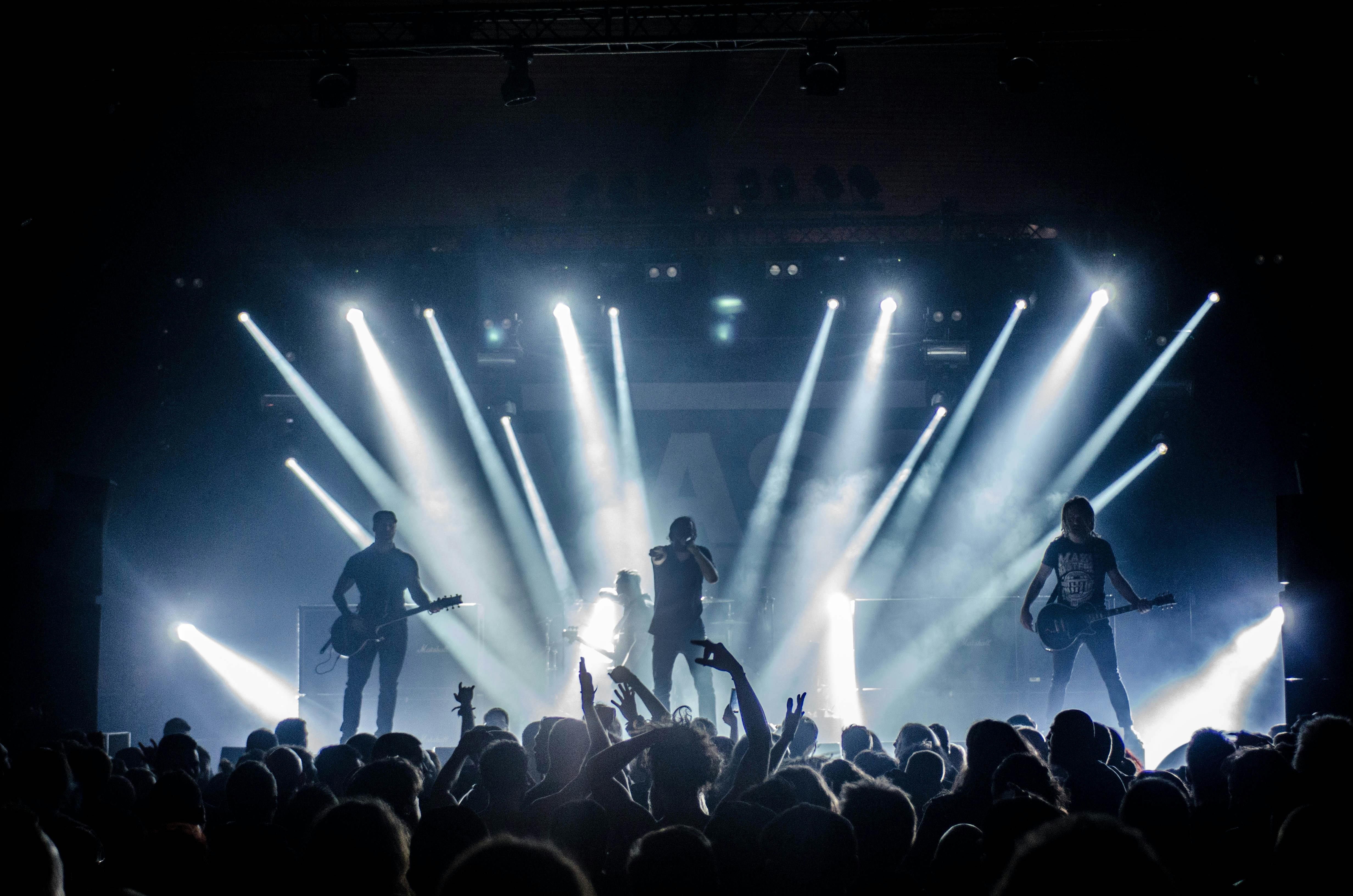
For fans, the Vienna plot was a brutal clash between fantasy and reality. Swift’s shows are engineered as immersive, communal experiences—carefully crafted emotional arcs spanning multiple “eras” of her career. Security lines and threat assessments weren’t supposed to be part of the narrative.
Yet over the last decade, live music has absorbed the ambient anxiety of the wider world. Fans now weigh:
- Travel logistics and ticket prices
- Setlists and surprise songs
- And, increasingly, whether a packed arena still feels safe
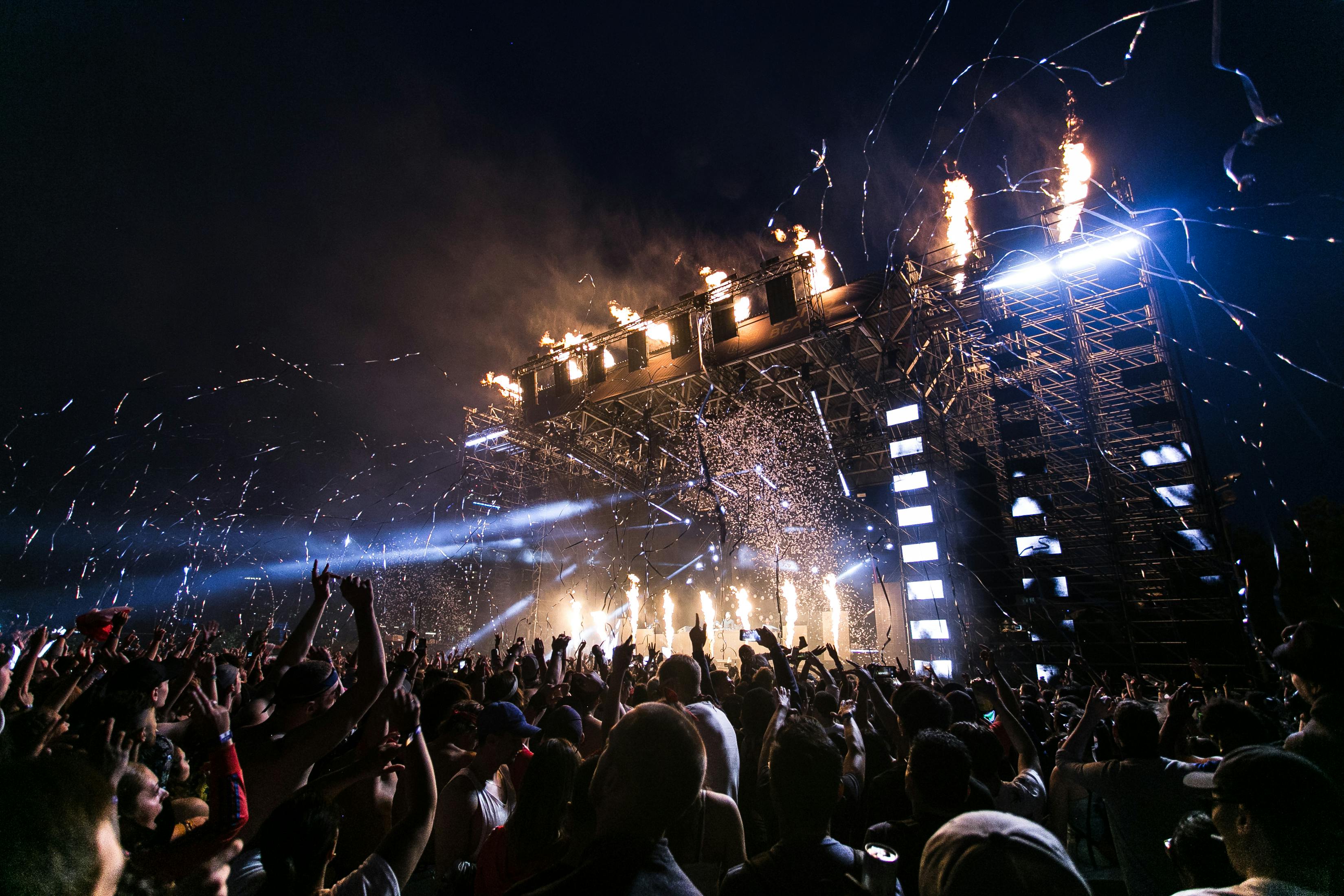
When authorities canceled Swift’s Vienna dates, it wasn’t just about lost money or reshuffled itineraries. It was a reminder that in 2020s Europe, even the most glittering, apolitical-seeming pop spectacle exists inside a very political atmosphere.
The Guilty Plea: Closure, But Not Quite Comfort
The defendant’s guilty plea as the trial began streamlines the legal process but doesn’t magically resolve the unease surrounding the case. Courts deal in individual responsibility; public opinion deals in broader fears.
Legally, the plea:
- Strengthens the prosecution’s narrative about premeditated intent
- May influence sentencing, depending on how the court weighs cooperation and remorse
- Confirms, in the public mind, that canceling the shows was not an overreaction
From a cultural perspective, the case reinforces a sobering message: even when tragedies are averted, the psychological toll of the threat remains. Fans are left asking not just “What if?” but “What next?”
How the Music Industry Adapts: From Bag Checks to Threat Intelligence
The Vienna incident is part of a larger pattern reshaping how tours are routed, priced, and protected. Behind the scenes, major artists and promoters increasingly rely on:
- Risk-based routing: Choosing (or skipping) cities based on political climate and recent threats.
- Data-driven security: Using threat intelligence, online monitoring, and coordination with national agencies.
- Infrastructure upgrades: Venues retrofitted with more cameras, controlled entry points, and clearer evacuation routes.
In this ecosystem, a canceled city like Vienna becomes a case study for future tours: how early to intervene, how to communicate with fans, and how to balance revenue against risk.
From Manchester to Vienna: Echoes and Differences
Comparisons between the Vienna plot and past attacks on concerts are inevitable, but important distinctions matter:
- Vienna: Plot foiled in advance; concerts canceled; no casualties.
- Manchester (2017): Attack carried out at Ariana Grande’s show; devastating loss of life; lasting trauma for a generation of fans.
What they share is a chilling realization: for extremists, music events are no longer incidental targets—they are strategic ones. For fans and artists, the challenge is how to preserve the sense of joy and collective catharsis that live music offers without slipping into paranoia.
Related Viewing: Taylor Swift’s Eras Tour Onscreen
While Vienna never got its live shows, the Eras Tour lives on in official concert film form. For those interested in how this cultural behemoth looks when it’s safely captured on camera rather than risk-assessed on paper, the film is a useful counterpoint to the Vienna story.
Watch the official concert film trailer on YouTube:
For basic production details and release history, see the film’s pages on IMDb or coverage by The Hollywood Reporter.
Assessment: A Necessary Overreaction, With Lingering Costs
Judged purely as a security decision, canceling Taylor Swift’s Vienna shows in light of a credible, ISIS-linked plot looks not just defensible but inevitable. The guilty plea only reinforces that call.
From a broader cultural standpoint, though, each disrupted concert chips away at the illusion that live music exists in a separate, safer universe than politics and extremism. The industry will survive; Swift’s tour certainly has. But the Vienna case joins a small, unsettling canon of moments when the joy of fandom met the realities of a volatile world—and blinked.
Looking Ahead: Can Live Music Stay Both Open and Safe?
The Vienna plot, now crystallized in a courtroom guilty plea, is a reminder that the future of live entertainment will be defined as much by metal detectors and intelligence briefings as by ticket apps and LED wristbands.
The challenge for artists like Taylor Swift, and for the cities that court them, is to keep concerts feeling like communal celebrations rather than heavily policed flashpoints. If the industry can pull that off—preserving spontaneity while quietly managing risk—it may be one of the most important, if least glamorous, achievements of pop culture in the 2020s.
For now, Vienna stands as a near-miss—a story of what did not happen, but very nearly could have, and of the thousands of fans who never got their night, for reasons that are chillingly easy to understand.
