
Eastern Utah Measles Cases Double: What TriCounty Families Need to Know Now
Measles cases have doubled within a week in Eastern Utah’s Daggett, Duchesne and Uintah counties, and it’s completely understandable if that headline makes your stomach drop a little. When you hear about a fast-moving infection in places you shop, work, or send your kids to school, it suddenly feels very close to home.
This page breaks down what this local measles increase actually means, who’s most at risk, how the virus spreads so quickly, and—most importantly—what you can realistically do today to protect your family and your community.

According to TriCounty Health Department officials, confirmed measles infections have doubled in just one week across Daggett, Duchesne, and Uintah counties. While the absolute number of cases in a rural area may still sound “small,” the pace of increase is what worries epidemiologists.
Measles is one of the most contagious viruses known. In a community with patchy vaccination coverage, even a handful of cases can quickly lead to an outbreak, especially in households with young children, group settings (schools, daycare, church gatherings), and places with frequent close contact.
“Up to 9 out of 10 susceptible people with close contact to a measles patient will become infected.” – U.S. Centers for Disease Control and Prevention (CDC)
What Measles Is—and Why It Spreads So Fast
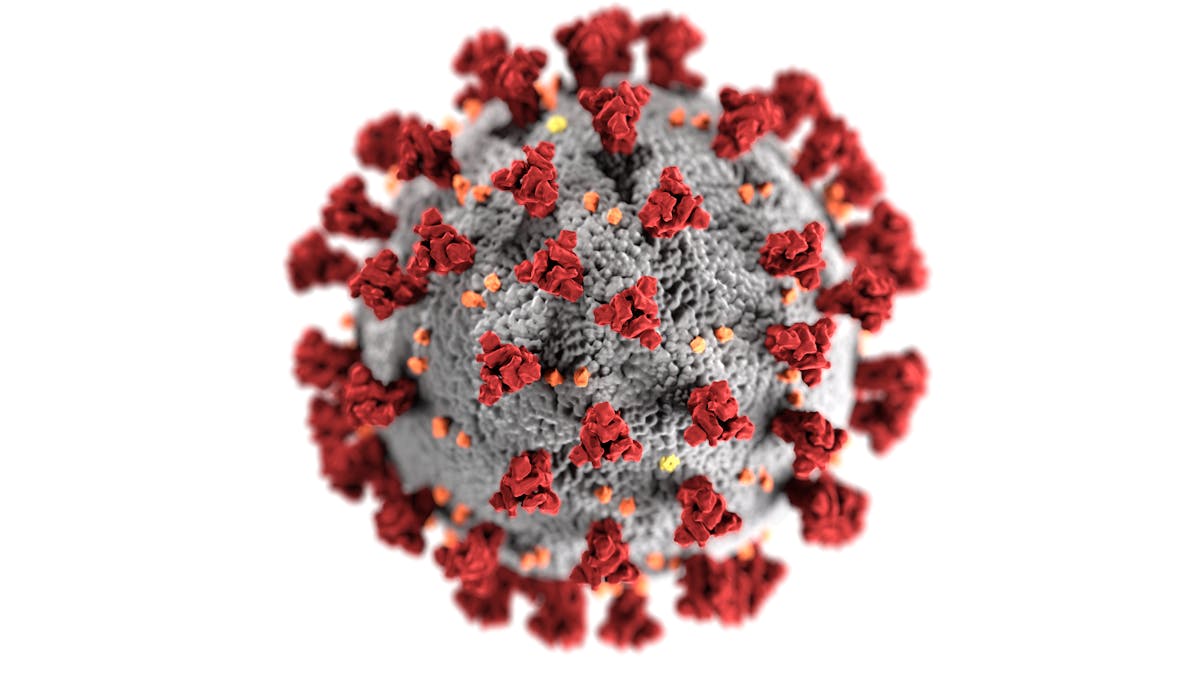
Measles is a highly contagious viral infection that affects the respiratory system and the immune system. It spreads primarily through:
- Respiratory droplets when an infected person coughs or sneezes
- Lingering virus in the air—measles can remain infectious for up to two hours in a room after a sick person leaves
- Touching contaminated surfaces and then touching your nose, mouth, or eyes
One person with measles can infect 12–18 other people in a fully susceptible group. By comparison, seasonal flu usually infects about 1–2 others per person. That difference is why even a small cluster in Eastern Utah can turn into a community problem if left unchecked.
Measles Symptoms: What to Watch for in Yourself and Your Children
Measles doesn’t start with the rash you might picture from old photos. It often looks like a bad cold at first. Symptoms usually appear 7–14 days after exposure and may include:
- High fever (often 103°F / 39.4°C or higher)
- Cough, runny nose, and red, watery eyes
- Koplik spots—tiny white spots inside the mouth, on the inner cheeks (a classic early sign)
- Red, blotchy rash that:
- Usually starts at the hairline or face
- Spreads down the neck, trunk, arms, legs, and feet
- Can merge into large patches
Complications can include ear infections, diarrhea, pneumonia, and in rare cases, brain inflammation (encephalitis). These risks are highest in:
- Children under 5 years
- Adults over 20 years
- Pregnant people
- Individuals with weakened immune systems
If you live in or have recently visited Daggett, Duchesne, or Uintah counties and notice these symptoms—especially the combination of fever and rash—call your health care provider or local health department before showing up in person. They may direct you to a specific entrance or time to reduce exposure to others.
How to Protect Your Family: Vaccination and Practical Steps
The most effective protection against measles is the MMR vaccine (measles, mumps, and rubella). For most people, two documented doses provide about 97% protection against measles infection.
Check your and your children’s vaccination records
Here are realistic steps you can take this week:
- Locate records
- Check your child’s school or daycare immunization record.
- Log into your health system’s patient portal (if available).
- Call your clinic if records aren’t easily found.
- Confirm doses
- Children: typically one dose at 12–15 months, and a second at 4–6 years.
- Adults born in 1957 or later usually need at least one documented dose; some may need two, depending on risk factors.
- Ask about catch-up vaccination
- If you’re missing doses, ask your provider or TriCounty Health about catch-up schedules.
- In an outbreak, health officials sometimes recommend earlier or extra doses for certain groups. Follow local guidance.

Non-vaccine steps you can take today
- Stay informed with updates from TriCounty Health Department, the Utah Department of Health and Human Services, and the CDC.
- Reduce unnecessary close contact if you or your children are unvaccinated or partially vaccinated, especially in crowded indoor spaces.
- Practice basic respiratory hygiene: cover coughs, wash hands frequently, and consider masking in high‑risk settings if advised by local health officials.
- Isolate early if anyone in your home develops fever and rash—keep them away from school, childcare, church, and public gatherings until cleared by a clinician.
“Vaccination remains the most cost-effective way to prevent measles, a disease that can cause serious complications in young children.” – World Health Organization
Real-Life Concerns: Safety, Access, and Hesitation
Many families in Eastern Utah juggle long workdays, limited clinic hours, and sometimes long drives to health services. It’s also normal to have questions or worries about vaccines, especially when decisions affect your children.
“I’m worried about side effects.”
Most side effects from the MMR vaccine are mild and short‑lived: soreness at the injection site, low fever, or mild rash. Serious reactions are rare. By contrast, measles infection itself can lead to hospitalization, pneumonia, or worse, especially in small children.
“We live far from Vernal. Getting in is hard.”
During outbreaks, local health departments often:
- Offer extended or walk‑in vaccination hours on some days
- Coordinate with schools or community centers to host clinics
- Provide guidance by phone to reduce unnecessary travel
Case example from a rural family
In a similar measles flare‑up in another rural Western county a few years ago, a family with three kids—two vaccinated, one not yet old enough—got a call that their daycare had a confirmed case. The parents:
- Verified that their older two had both MMR doses.
- Called their pediatrician, who arranged a same‑day visit to evaluate the baby and plan follow‑up.
- Kept all three kids home for several days while watching closely for symptoms.
None of the children became ill, and the family later described the process as “stressful but manageable” once they had clear guidance. The key was early communication and sticking closely to public health recommendations.
How Eastern Utah Communities Can Slow the Spread
Individual actions matter, but measles control is truly a community effort. In Daggett, Duchesne, and Uintah counties, that can look like:
- Schools and childcare checking immunization records and following exclusion guidelines when needed.
- Faith and community leaders sharing accurate information and encouraging people with symptoms to stay home.
- Employers allowing sick workers to stay home and supporting time off for vaccination appointments.
- Neighbors helping each other with rides to clinics or watching kids so parents can attend appointments.

Health officials will continue:
- Tracing contacts of known cases
- Advising quarantine or exclusion from school when appropriate
- Providing public updates if exposure sites (like stores or events) are identified
Where to Get Reliable, Up-to-Date Information
Because the situation can change week by week, especially during fast‑moving outbreaks, rely on trusted, regularly updated sources:
- TriCounty Health Department (Eastern Utah) – Local updates on cases, clinics, and recommendations.
- Utah Department of Health and Human Services – Statewide measles information and public health alerts.
- CDC Measles Information – Evidence‑based details on symptoms, complications, and vaccines.
- World Health Organization: Measles Fact Sheet – Global perspective on measles trends and prevention.
Taking a Calm, Proactive Next Step
News that measles cases have doubled in Eastern Utah can feel alarming, especially if you’re caring for young children or older family members. You don’t need to panic—but you also shouldn’t ignore it.
The most impactful steps you can take today are:
- Check your family’s MMR vaccination status.
- Call your clinic or TriCounty Health with any gaps or questions.
- Watch closely for symptoms if you live, work, or attend school in affected counties.
- Stay home and call ahead if anyone develops fever and rash.
Outbreaks are stressful, but they are also temporary. With informed choices and community cooperation, Daggett, Duchesne, and Uintah counties can slow the spread and protect the most vulnerable neighbors among us.
If you’re feeling unsure about what to do next, your best immediate move is simple: call your health care provider or local health department and ask, “Given what’s happening with measles here, what do you recommend for my family?” That one conversation can turn worry into a clear, practical plan.
