DIY Wall Paneling Glow-Up: Slat Walls and Chic Grids That Make Your Rooms Look Rich on a Ramen Budget
Transform your basic, builder-beige walls into “wait, did you hire an architect?” moments—without selling a kidney to pay for it. Today’s hottest home decor flex is not a new sofa, it’s DIY wall paneling: slat walls, fluted feature walls, cheeky little box grids, and board-and-batten that make your rooms look custom, camera-ready, and suspiciously expensive.
If your walls currently scream “rental brochure” instead of “boutique hotel,” this guide is your permission slip to go full main character. We’ll talk classic box paneling, modern vertical slats, and farmhouse-favorite board-and-batten—all based on what’s trending right now across TikTok, Reels, and search results for “DIY wall paneling,” “slat wall,” “fluted wall,” and “accent wall ideas.” No contractor, no trust fund, just you, some MDF, and a dream.
Why DIY Wall Paneling Is Everywhere (Including Your FYP)
DIY wall paneling has become one of the most shared home improvements online because it hits the holy trinity of decor goals:
- High drama, low drama-queen budget: MDF, pine trim, and plywood are way cheaper than replacing all your furniture or doing a full reno.
- Big before-and-after energy: Paneling looks wild in thumbnails and “tap for reveal” posts, which is why creators are obsessed.
- Generic home, who? It’s a fast way to add character to new builds, rentals (with removable tweaks), or rooms that feel flat and unfinished.
Plus, paneling plays nicely with almost every style: minimalist, modern, boho, Scandinavian, farmhouse, and the current obsession—quiet luxury. Think neutral paint, clean lines, and walls that whisper, “I read design magazines and know what fluted means.”
Your walls are the backdrop to your entire life. Treat them less like an afterthought and more like the supporting actor who steals every scene.
Step Zero: Flirting With Your Walls (Planning & Prep)
Before you grab a nail gun and start LARPing as a finish carpenter, pause. A stunning feature wall starts with boring-but-crucial prep:
- Measure like you mean it: Height, width, outlet locations, TV brackets, headboards—everything. Twice. Your math teacher was right; you are using this in real life.
- Sketch your design: On paper or a simple app. Decide spacing, panel sizes, and where furniture hits the wall so you don’t hide the best bits behind a wardrobe.
- Check your walls’ vibe: Are they smooth, textured, slightly wonky? Paneling can disguise imperfections, but huge bumps or crumbling plaster need a little repair first.
- Know your exit strategy (renters): Use thin MDF, mounting strips, or French cleats so panels can be removed without a breakup-level drama with your landlord.
Once you’ve romanced the measurements and made peace with your wall’s quirks, you’re ready for the fun part: choosing your paneling personality.
Trend 1: Classic Box & Grid Paneling – The Quiet Luxury Wall
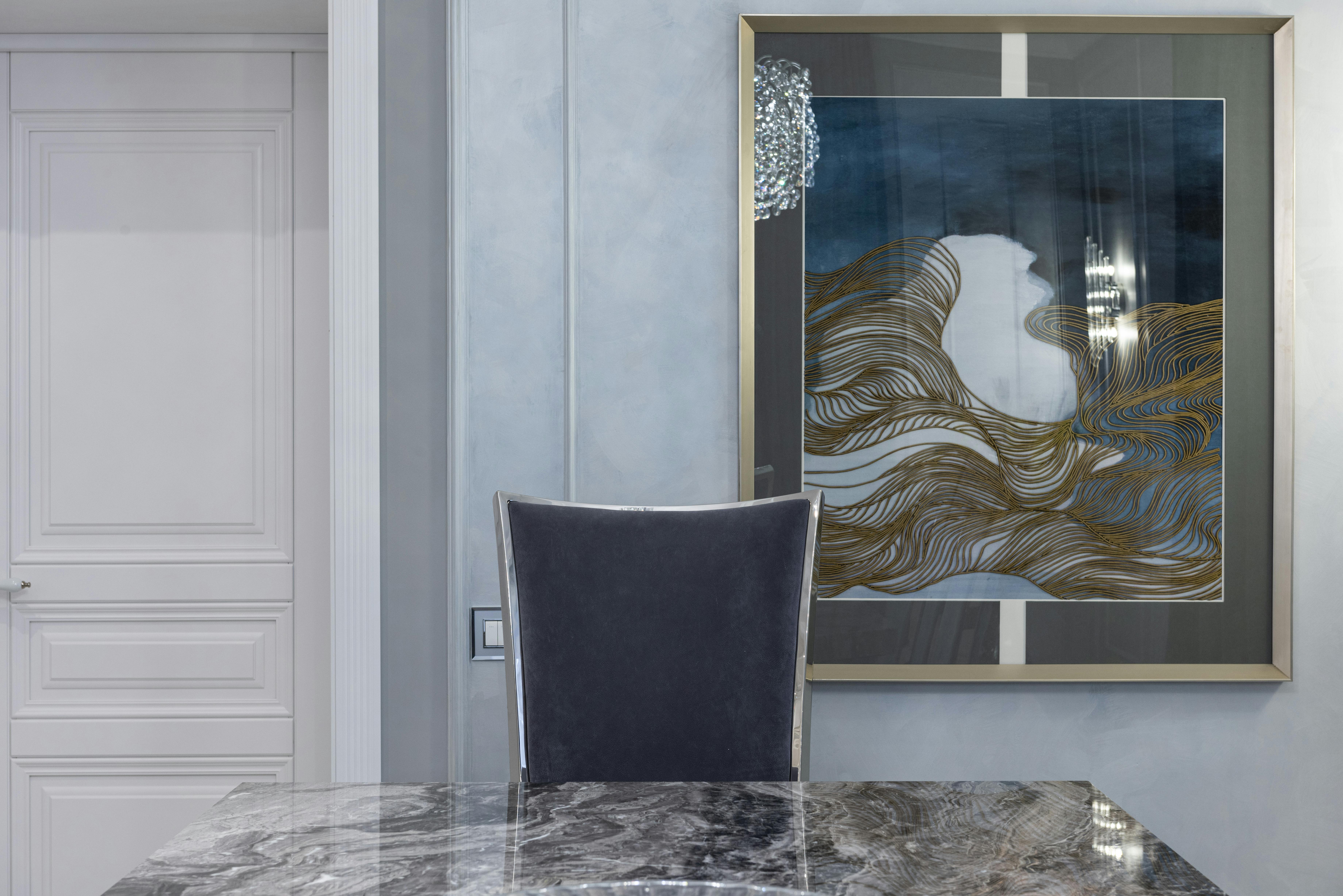
Box or grid paneling is the interior equivalent of a crisp white shirt: timeless, polished, and weirdly flattering on every room. It uses MDF or pine trim to create neat rectangles or squares that are then painted in a single color for that custom millwork look.
You’ll see this all over living rooms, entryways, and behind beds acting as a faux headboard. It’s especially popular in muted tones—mushroom, greige, smoky blue, deep green—paired with minimalist furniture and oversized art.
How to pull it off (without pulling your hair out)
- Choose your grid style: Rows of equal squares feel formal; a mix of vertical rectangles and squares feels modern and dynamic.
- Do the spacing math: Subtract the total width of your trim from your wall width, then divide by the number of panels. Use painter’s tape to visualize before you commit.
- Cut and test-fit: Use MDF strips or pre-primed pine. Dry fit on the wall with tape to double-check alignment.
- Stick, then secure: Construction adhesive plus brad nails is the current DIY gold standard—strong but not overkill.
- Fill, sand, paint: Caulk gaps where trim meets wall, wood filler on nail holes, sand lightly, then paint trim and wall the same color for that expensive built-in look.
For a 2026-approved look, pair a deep color grid wall with simple linen curtains, a low-profile sofa, and a single large framed print. Your friends will assume you “had it done,” and you can just smile mysteriously.
Trend 2: Slat & Fluted Walls – Vertical Lines, Main-Character Energy
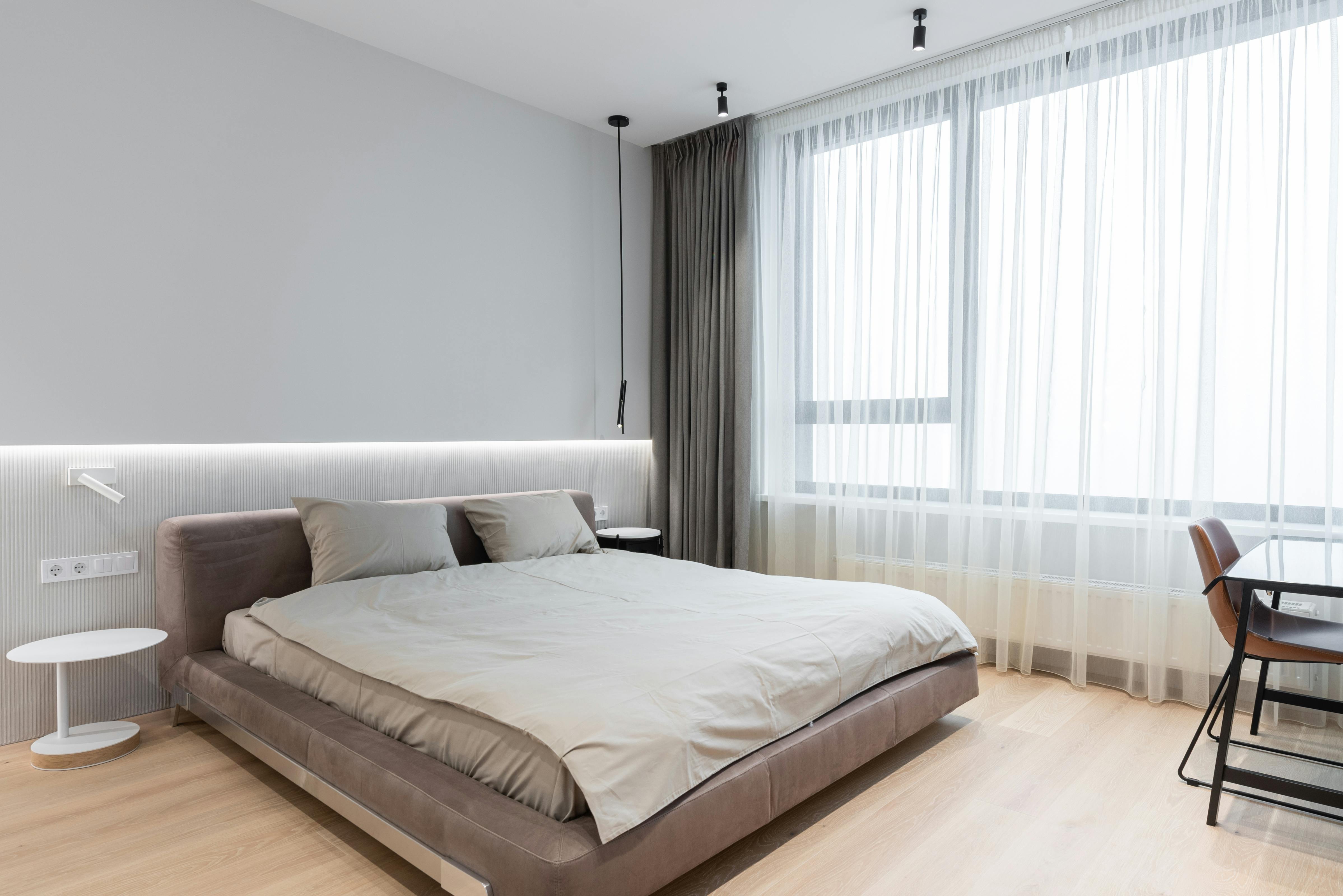
Vertical slat and fluted walls are the current darlings of design TikTok: sleek, modern, and textural, like your wall just walked off a Scandinavian runway. They’re showing up behind TVs, in home offices, along hallway nooks, and as partial room dividers.
The signature look? Narrow vertical strips—real wood, plywood, or fluted MDF panels—mounted with consistent gaps to create a rhythm of light and shadow. They work beautifully with minimalist decor, warm woods, boucle chairs, and the “I drink pour-over coffee” aesthetic.
Budget-friendly slat wall formula
- Start with plywood: Many DIYers rip down a sheet of quality plywood into strips (for example 1–2 inches wide). It’s cheaper than buying individual slats.
- Sand and stain first: It’s easier to finish slats while they’re on the floor than when they’re on the wall.
- Use spacers: Cardboard or tile spacers keep gaps consistent. This is what makes the wall look pro instead of chaotic.
- Mount with intent: Either attach directly to the wall or first install a painted backer board (often black or dark brown) for extra depth.
For a very right now vibe, try a slat wall behind your TV with hidden cable management, then keep your media console simple. Or create a half-wall of slats behind your desk for the world’s most flattering Zoom background.
Want the look with less effort? Fluted MDF and pre-made acoustic wall panels are trending for fast installs. Just confirm they’re approved for your space (especially in rentals) and always check the manufacturer’s mounting instructions.
Trend 3: Board-and-Batten & Shaker Style – Farmhouse’s Sophisticated Cousin
Board-and-batten has graduated from “only for farmhouse Pinterest boards” to a staple in transitional and modern homes. It’s a favorite for bedrooms, hallways, and dining rooms because it adds instant architecture without feeling fussy.
The modern take that’s trending now? A partial-height wall (often 1/3 to 2/3 of the wall) clad in vertical battens with a ledge on top, painted in a darker tone below and a lighter shade above. It creates cozy definition while keeping things airy.
Weekend project roadmap
- Set your height: Common heights are 36–48 inches, or line it up with existing features like window sills.
- Install the top rail first: This horizontal piece becomes your visual anchor and mini shelf (perfect for art, plants, or a row of tiny ceramic friends).
- Add vertical battens: Space them evenly (often 12–18 inches apart), making sure they’re plumb. Imperfect walls? Shim where needed; caulk is your friend.
- Two-tone paint: Darker color below for drama and durability (hello, scuff-resistant hallways), lighter above to keep the room bright.
Pair this style with woven baskets, soft linens, and simple black or brass hooks for an entryway or bedroom that feels cozy, intentional, and very “I woke up like this” (even if you didn’t).
Styling Your New Feature Wall: Don’t Overcrowd the Star
Once your wall is looking like it has a verified checkmark, styling is where you can accidentally ruin the vibe—or absolutely nail it. A few current styling rules from the decor universe:
- Let the texture breathe: With slat or fluted walls, avoid cluttering every inch. A single low media console or a clean-lined desk lets the texture shine.
- Go big with art: On box paneling, oversized art or a single statement mirror looks more modern than a bunch of tiny frames.
- Quiet luxury lighting: Think slim black or brass sconces, simple globe lights, or directional spots washing the paneling with light.
- Mix soft with structured: Against strong lines (slats, battens), add softness: linen curtains, rounded armchairs, or an overstuffed duvet.
And remember: just because you created a feature wall doesn’t mean every other wall needs to scream too. Let one take the lead while the others play supportive best friend.
Tools, Time, and “Do I Need to Call My Uncle With the Truck?”
One reason wall paneling is trending so hard is that you can tackle it with basic tools and a free weekend. A typical starter kit looks like this:
- Measuring tape, level, and pencil
- Stud finder (optional but very helpful)
- Miter saw or handsaw (your choice: power, or cardio)
- Nail gun with brad nails or hammer and finish nails
- Construction adhesive (for extra hold)
- Caulk, wood filler, sandpaper
- Primer and paint
For a single feature wall, many DIYers report 1–2 days of work depending on complexity and drying time. Slat walls with staining take longer; simple grid paneling can often be done in a weekend. Just don’t schedule a dinner party for the same night unless your guests enjoy the aroma of fresh caulk and mild panic.
Common Paneling Mistakes (And How to Dodge Them Gracefully)
Every trending project has a blooper reel. Avoid these frequently confessed regrets:
- Winging the layout: Eyeballing spacing usually ends in “why is that last gap a different size?” Always mock up with painter’s tape first.
- Ignoring outlets and switches: Plan where slats or panels intersect with electrical points so you can cut around them cleanly.
- Skipping caulk and filler: The difference between “DIY from the internet” and “custom install” is often just smooth seams and filled nail holes.
- Choosing the wrong sheen: Super glossy paint highlights every flaw. A matte or eggshell on walls with a satin on trim is a popular combo.
- Going trend-overload: A slat wall, patterned wallpaper, bold tile, and fifteen throw pillows in one room? The internet may love it; your eyes may file a complaint.
If you’re unsure, start with a smaller wall—like behind a desk or in a hallway nook—before committing to a full living room transformation.
Your Walls Are Ready for Their Close-Up
DIY wall paneling, slat walls, and fluted feature walls are trending hard because they deliver maximum transformation for a relatively gentle hit to your wallet and your free time. Whether you go for classic box paneling in a moody color, a sleek vertical slat wall behind your TV, or a cozy board-and-batten bedroom, you’re giving your home the kind of personality that usually comes with an interior designer and a dramatic reveal soundtrack.
So grab a tape measure, your favorite podcast, and that paint color you keep secretly pinning at 2 a.m. Your walls have been patiently waiting to stop being beige background characters and step into their role as the stylish, scene-stealing icons they were always meant to be.
Image Placement Suggestions (for Editor Use)
Below are carefully selected, strictly relevant image suggestions that directly support the content above.
Image 1 – Classic Box/Grid Paneling in a Living Room
Placement: Directly after the paragraph in the “Trend 1: Classic Box & Grid Paneling – The Quiet Luxury Wall” section that begins “Box or grid paneling is the interior equivalent of a crisp white shirt…”.
Supports sentence/keyword: “Box or grid paneling is the interior equivalent of a crisp white shirt: timeless, polished, and weirdly flattering on every room.”
Image description (what must be shown): A realistic, well-lit living room featuring a full wall with painted box/grid wall paneling. The wall shows evenly spaced rectangular or square MDF/pine trim painted the same color as the wall (muted tone like deep green or smoky blue). Minimalist furniture: a low-profile neutral sofa, a simple coffee table, and one large framed art piece centered on the paneled wall. No visible people, no abstract art; the focus is clearly on the box paneling detail and overall wall effect.
SEO-optimized alt text: “Living room with painted box grid wall paneling in a deep muted color behind a minimalist sofa and oversized artwork.”
Example royalty-free URL: https://images.pexels.com/photos/6588582/pexels-photo-6588582.jpeg
Image 2 – Vertical Wood Slat TV Wall
Placement: In the “Trend 2: Slat & Fluted Walls – Vertical Lines, Main-Character Energy” section, after the paragraph that starts “Vertical slat and fluted walls are the current darlings of design TikTok…”.
Supports sentence/keyword: “They’re showing up behind TVs, in home offices, along hallway nooks, and as partial room dividers.”
Image description (what must be shown): A realistic modern living room with a TV mounted on a vertical wood slat feature wall. The slats are evenly spaced, running floor-to-ceiling, in a warm wood tone. A low, simple media console sits beneath the TV, with visible cable management kept clean. Surrounding decor is minimalist—perhaps a rug and small plant—but the focus stays on the slat wall as the main accent.
SEO-optimized alt text: “Modern living room with a vertical wood slat feature wall behind a wall-mounted TV and minimalist media console.”
Example royalty-free URL: https://images.pexels.com/photos/6587832/pexels-photo-6587832.jpeg
Image 3 – Board-and-Batten Half Wall in a Bedroom
Placement: In the “Trend 3: Board-and-Batten & Shaker Style – Farmhouse’s Sophisticated Cousin” section, after the paragraph describing the modern two-tone take: “The modern take that’s trending now? A partial-height wall…”.
Supports sentence/keyword: “It’s a favorite for bedrooms, hallways, and dining rooms because it adds instant architecture without feeling fussy.”
Image description (what must be shown): A cozy, realistic bedroom with a partial-height board-and-batten wall behind the bed. The lower portion is clad in vertical battens with a simple top rail and painted a darker color (e.g., deep green or navy), while the upper wall is a lighter neutral. The bed has simple linen bedding, maybe a couple of pillows; decor is minimal to keep focus on the board-and-batten detail.
SEO-optimized alt text: “Bedroom with two-tone board-and-batten half wall behind the bed, featuring dark lower paneling and light upper walls.”
Example royalty-free URL: https://images.pexels.com/photos/6587848/pexels-photo-6587848.jpeg