
Dietitians Reveal Their Favorite High-Protein Snacks for Steady All-Day Energy
4 Dietitians Share Their Go-To High-Protein Snacks for All-Day Energy
You know that mid-afternoon crash when your brain feels foggy and your stomach starts sending urgent emails? High-protein snacks can make a surprisingly big difference in how steady your energy feels throughout the day. Rather than reaching for whatever is closest, many dietitians rely on a few simple, high-protein options they can prep in minutes and trust to keep them full.
In this guide, we’ll walk through dietitian-favorite high-protein snacks, why protein helps with steady energy, and how to build your own satisfying snack combinations—even on your busiest days. Everything here is grounded in current nutrition science, but flexible enough to fit real life.
:max_bytes(150000):strip_icc()/VWH-GettyImages-1021788142-1a47dbe7f4554f13b4c4875993150dd5.jpg)
Why High-Protein Snacks Help You Avoid the Energy Crash
Many quick snacks—think pastries, chips, or candy—are heavy on refined carbohydrates and light on protein or fiber. They can spike your blood sugar quickly, then send it crashing back down, which often shows up as:
- Sleepiness or brain fog
- Stronger sugar or caffeine cravings
- Feeling hungrier sooner, even after you just ate
- Irritability or “hanger”
Protein slows down digestion and helps stabilize blood sugar, especially when paired with fiber and healthy fats. Research published in journals like The American Journal of Clinical Nutrition has consistently shown that higher-protein meals and snacks can improve satiety (that sense of fullness and satisfaction) compared to low-protein options.
“For most adults, including 10–20 grams of protein in a snack is a sweet spot for feeling satisfied without turning a snack into a full meal.”
— Registered Dietitian and sports nutrition specialist
The four dietitians featured here all shared the same philosophy: you don’t need complicated recipes or expensive products. A few affordable staples, combined thoughtfully, can keep your energy more stable from morning to night.
4 Dietitians’ Go-To High-Protein Snacks (That You Can Copy Today)
Below are four snack ideas inspired by registered dietitians’ real-life routines. Each includes an approximate protein range and simple ways to customize for your own tastes, dietary needs, or schedule.
1. Greek Yogurt Parfait With Nuts and Berries
Many dietitians keep plain Greek yogurt in the fridge because it’s versatile, high in protein, and pairs well with both sweet and savory add-ins. One dietitian described this as her “insurance policy” snack on busy clinic days.
- Protein: ~15–20 g (per ¾–1 cup 2%–0% Greek yogurt + nuts)
- What’s in it: Plain Greek yogurt, a handful of berries, and 1–2 tablespoons of chopped nuts or seeds.
- Why it works: Protein from yogurt + healthy fats from nuts + fiber from berries = steady energy and good blood-sugar support.
How to make it work for you:
- Choose plain yogurt to avoid added sugars; sweeten lightly with fruit or a drizzle of honey if needed.
- Add crunch with walnuts, almonds, pistachios, chia seeds, or pumpkin seeds.
- Portion into small containers on Sunday night for grab-and-go snacks.
2. Cottage Cheese Bowl With Veggies or Fruit
Cottage cheese has made a quiet comeback as more people look for convenient high-protein options. Dietitians often pair it with crunchy vegetables or fruit depending on whether they’re craving something savory or sweet.
- Protein: ~13–18 g (per ½–¾ cup cottage cheese)
- What’s in it (savory): Cottage cheese topped with cherry tomatoes, cucumber, cracked pepper, and a drizzle of olive oil.
- What’s in it (sweet): Cottage cheese with pineapple or peaches and a sprinkle of cinnamon.
This snack is especially helpful when you’re running between meetings and need something you can eat quickly with a spoon but that still feels substantial.
3. Whole-Grain Crackers With Hummus and Hard-Boiled Egg
When one of the dietitians was working in a hospital setting, she kept hummus and hard-boiled eggs in the staff fridge as a “back-up plan” on days when lunch got pushed later than planned.
- Protein: ~12–18 g (2–3 tablespoons hummus + 1 large egg + crackers)
- What’s in it: 6–8 whole-grain crackers, 1 hard-boiled egg, and a few spoonfuls of hummus.
- Why it works: The combination of plant and animal protein, plus fiber from whole grains and chickpeas, helps keep you full longer than crackers alone.
If you don’t eat eggs, you can double the hummus portion or add roasted chickpeas for extra protein and crunch.
4. Apple (or Banana) With Nut Butter and a Side of String Cheese
This snack shows up often in dietitians’ lunches because it’s easy to throw into a bag at the last minute and doesn’t require refrigeration right away (except the cheese).
- Protein: ~10–15 g (1 tablespoon nut butter + 1 cheese stick)
- What’s in it: 1 small apple or banana, 1–2 tablespoons peanut, almond, or sunflower butter, and 1 stick of part-skim string cheese.
- Why it works: The fruit provides natural carbohydrates and fiber, nut butter offers healthy fats and some protein, and cheese boosts total protein.
For people who are lactose intolerant, a lactose-free cheese stick or a higher-protein plant-based yogurt can be swapped in to keep protein and satisfaction high.
The Science: How Protein Supports Steady Energy and Focus
Protein does more than build muscle. It plays a key role in managing appetite, maintaining lean body mass, and supporting the release of hormones that keep your energy and mood more stable.
- Satiety hormones: Higher-protein foods tend to boost hormones like peptide YY and GLP-1, which tell your brain you’re full. This can help reduce overeating at the next meal.
- Blood-sugar balance: When you pair protein with carbohydrates, it generally slows how quickly sugar enters the bloodstream, which can reduce sharp spikes and dips in energy.
- Muscle maintenance: Protein provides amino acids your body uses to maintain and repair muscle tissue, which is especially important if you’re active or trying to age well.
Large nutrition organizations, including the Academy of Nutrition and Dietetics, emphasize distributing protein intake across the day instead of loading it all into one meal. That means snacks are a valuable opportunity to support both energy and overall health.
How to Build Your Own High-Protein Snack in 3 Simple Steps
You don’t have to follow anyone’s snack ideas perfectly. A simple framework can help you put together options you actually enjoy, using what you already have in your kitchen or office.
- Start with a protein base (10–20 g).
Examples include:- Greek yogurt or skyr
- Cottage cheese or ricotta
- Hard-boiled eggs
- Hummus or other bean dips
- Edamame or roasted chickpeas
- String cheese or cheese cubes
- Unsweetened soy yogurt or tofu for plant-based options
- Add fiber-rich carbs.
This helps with fullness and supports gut health:- Fresh fruit (berries, apples, pears, oranges, grapes)
- Cut veggies (carrots, bell peppers, cucumbers, snap peas)
- Whole-grain crackers, oats, or a small whole-grain tortilla
- Include healthy fats (optional but helpful).
Fats further support satiety and flavor:- Nuts and seeds (almonds, walnuts, pumpkin seeds, chia)
- Nut or seed butters
- Avocado slices or guacamole
- A drizzle of extra-virgin olive oil
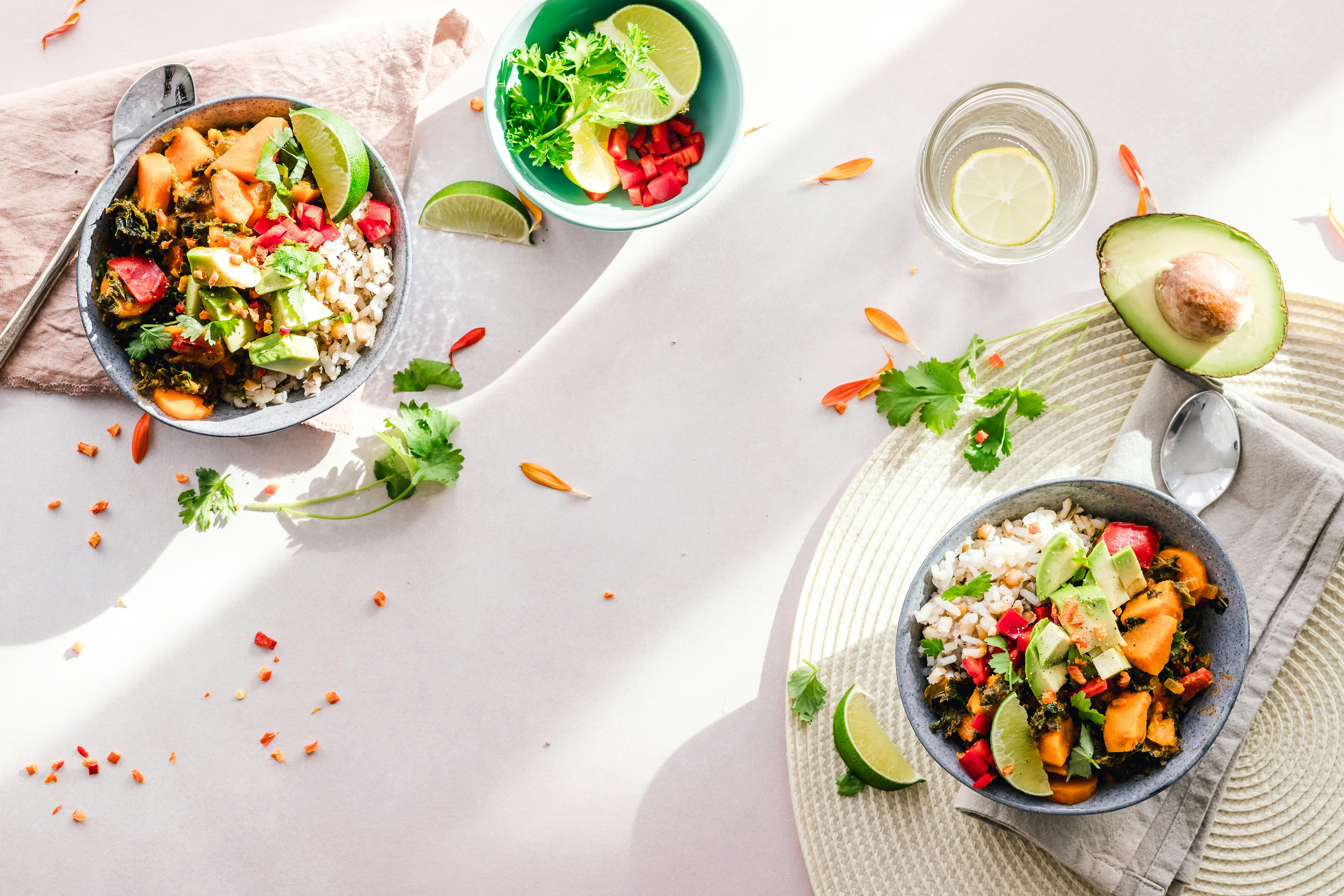
The result doesn’t need to look like a Pinterest-perfect snack plate. A small bowl of lentil soup with a side of fruit or a bento box of leftover chicken and veggies can absolutely count as a “snack” if it fits your hunger level and schedule.
Common Obstacles—and How Dietitians Work Around Them
Even with the best intentions, it’s easy to fall back into random snacking when you’re stressed or short on time. Dietitians face these same challenges; they just rely on a few strategies to make the better choice the easier one.
“I Don’t Have Time to Prep”
If your days are nonstop, snacks need to be almost effortless.
- Buy pre-cut veggies, pre-washed salad greens, and mini cheese packs.
- Keep shelf-stable options like nut butter packets and roasted chickpeas in your bag or desk.
- Prep one “anchor” protein (like hard-boiled eggs or a tub of hummus) on Sundays to pair with different carbs and veggies all week.
“I Crave Sweet Snacks”
You don’t have to ignore sweet cravings; you can balance them.
- Pair dark chocolate with a handful of almonds or Greek yogurt.
- Make a “dessert” parfait with Greek yogurt, berries, and a sprinkle of granola.
- Blend a small smoothie with fruit and a scoop of protein powder or Greek yogurt.
“I Work From Home and End Up Grazing All Day”
Working near your kitchen can blur the line between hunger and habit.
- Decide on 1–2 snack times that match your natural hunger (for example, 11 a.m. and 3 p.m.).
- Plate your snack and sit down to eat it, rather than grabbing bites while standing at the counter.
- Keep high-protein options at eye level in the fridge and pantry; store more tempting treats out of direct sight.
Before vs. After: How Smarter Snacks Can Change Your Day
Most people notice the impact of higher-protein snacks not in dramatic weight changes, but in subtler day-to-day shifts—less afternoon drag, fewer intense cravings, and more stable moods.
Before: Random, Low-Protein Snacking
- Skipping breakfast, then grabbing a pastry mid-morning.
- Afternoon crash around 3 p.m. and reaching for candy or another coffee.
- Arriving at dinner overly hungry, eating quickly, and feeling uncomfortably full.
After: Intentional, High-Protein Snacks
- A quick Greek yogurt and fruit mid-morning.
- Hummus, veggies, and whole-grain crackers mid-afternoon.
- Arriving at dinner comfortably hungry, eating more mindfully.
In informal case notes from dietitians working with clients on blood-sugar management, swapping one sugary snack per day for a high-protein alternative often led to fewer energy “crashes” and less evening overeating—without requiring strict rules or detailed calorie counting.
What Dietitians Want You to Remember About High-Protein Snacking
“Perfect doesn’t matter nearly as much as consistency. If your choice most days is between a high-protein snack and something that leaves you crashing later, give yourself credit every time you choose the option that truly supports you—even if it’s not ‘ideal.’”
— Registered Dietitian in outpatient practice
- You don’t need special “high-protein” packaged snacks—simple whole foods work very well.
- Aiming for protein, fiber, and some healthy fat at snack times is a flexible, research-backed formula.
- Energy stability often improves within a few days of shifting your snack pattern, even if nothing else changes.
- There is no one “right” way to snack. Your preferences, culture, and schedule matter.
If you’re managing conditions like diabetes, PCOS, or heart disease, or you have questions about how much protein is right for your body, consider meeting with a registered dietitian for individualized guidance. Many now offer virtual visits, which can make support easier to access.
Your Next Step: Choose One Snack to Upgrade This Week
You don’t have to overhaul your entire eating pattern to feel a difference. Start small: choose just one time of day—maybe the mid-morning lull or the 3 p.m. slump—and experiment with a higher-protein snack there for the next few days.
- Pick one idea from the dietitian favorites above.
- Add the ingredients to your next grocery list.
- Prep enough for 3–4 days so it’s ready when you need it.
- Notice how your energy, cravings, and mood feel before and after that snack.
Over time, these small, realistic changes can add up to more predictable energy, fewer “must-eat-now” emergencies, and a way of eating that genuinely supports your day—not the other way around.
