
CRISPR 3.0: How Prime and Base Editing Are Rewriting the Future of Gene Therapy
CRISPR‑Cas systems revolutionized molecular biology by turning a bacterial defense mechanism into a programmable genome editor. The first generation of CRISPR tools—often called CRISPR 1.0—acted like molecular scissors, cutting both strands of DNA and relying on the cell’s sometimes messy repair machinery. CRISPR 3.0 represents a new wave: base editors and prime editors that can make precise, programmable changes without introducing full double‑strand breaks, dramatically improving the prospects for safe and effective human gene therapy.
These innovations arrive at a moment when early clinical trials are beginning to test whether we can correct pathogenic mutations directly in patients’ cells. At the same time, they force society to confront complex ethical issues around germline versus somatic editing, long‑term monitoring of edited individuals, and who gets access to potentially curative therapies.
Visualizing CRISPR 3.0 in Action

High‑resolution molecular animations and schematics are increasingly used in lectures, YouTube explainers, and conference talks to show how base and prime editors search through the genome and rewrite specific letters in DNA.
Mission Overview: From CRISPR Scissors to CRISPR Pencils
The original CRISPR‑Cas9 system changed genetics because it allowed scientists to target almost any DNA sequence using a short guide RNA. Cas9 introduced a double‑strand break (DSB), and the cell repaired this break via:
- Non‑homologous end joining (NHEJ): fast but error‑prone, often causing random insertions or deletions (indels).
- Homology‑directed repair (HDR): more precise but inefficient in many cell types, especially non‑dividing cells.
While transformative, this approach is relatively blunt for clinical use. Unintended indels and larger chromosomal rearrangements can occur, and HDR is often too inefficient to reliably correct pathogenic mutations.
CRISPR 3.0 technologies were designed to solve these limitations:
- Base editing acts like a chemical “pencil” to change one DNA letter into another within a small editing window.
- Prime editing extends this idea by enabling targeted insertions, deletions, and any base substitution—without full DSBs and often without a donor DNA template.
“The big idea was to go from cutting DNA to rewriting DNA. If CRISPR‑Cas9 is a pair of scissors, base editors and prime editors are more like word processors for the genome.”
Technology: How Base Editing Works
Base editing merges a catalytically impaired Cas protein (often a nickase or dead Cas9) with a DNA‑modifying enzyme. Guided by an RNA sequence, this fusion protein binds target DNA and converts one base to another within a narrow window, typically without generating a double‑strand break.
Key Components of Base Editors
- Cas variant: A Cas9 nickase (nCas9) or dCas9 that binds DNA but does not cut both strands.
- Deaminase domain: An enzyme that chemically converts one nucleotide base to another, such as:
- Cytosine base editors (CBEs): convert C•G to T•A.
- Adenine base editors (ABEs): convert A•T to G•C.
- Editing window: A small region (often 4–8 bases) within which the base conversion can occur.
The process is fundamentally a chemical modification:
- The base editor complex binds to the target DNA guided by the gRNA.
- The deaminase converts, for example, cytosine to uracil, which the cell later interprets as thymine.
- DNA repair pathways consolidate the change into a permanent base substitution.
Because base editors typically avoid DSBs, they:
- Reduce the risk of large deletions and chromosomal rearrangements.
- Achieve high editing efficiencies in many cell types.
- Are particularly suited for correcting or modeling point mutations.
Clinical and Research Applications of Base Editing
Base editing is being deployed in:
- Monogenic blood disorders: For example, reactivating fetal hemoglobin in sickle cell disease or β‑thalassemia by altering regulatory bases in the HBB locus or associated enhancers.
- Cancer immunotherapy: Engineering T cells with point mutations that enhance their tumor‑killing capabilities or resist immune suppression.
- Functional genomics screens: Creating libraries of precise point mutations to map how specific amino‑acid changes alter protein function.
Researchers often compare base editing to “surgical tweaks” in the genome—subtle yet powerful changes that mirror real human disease mutations more faithfully than traditional knockouts.
Technology: How Prime Editing Extends the Toolkit
Prime editing was introduced as a “search‑and‑replace” system for DNA. It combines a Cas nickase with a reverse transcriptase enzyme and a specialized prime editing guide RNA (pegRNA) that encodes both targeting information and the desired edit.
Core Architecture of Prime Editors
- Cas nickase (nCas9): Creates a single‑strand nick instead of a full DSB.
- Reverse transcriptase (RT): Copies genetic information from an RNA template into DNA at the nicked strand.
- pegRNA: A multi‑functional RNA that contains:
- The standard guide sequence for DNA targeting.
- A primer binding site for RT.
- The RNA template that encodes the intended edit.
The editing cycle includes:
- Target binding and single‑strand nick by nCas9.
- Reverse transcription of the edit sequence into the nicked DNA strand.
- Cellular repair pathways that incorporate the newly synthesized DNA strand and remove the original sequence.
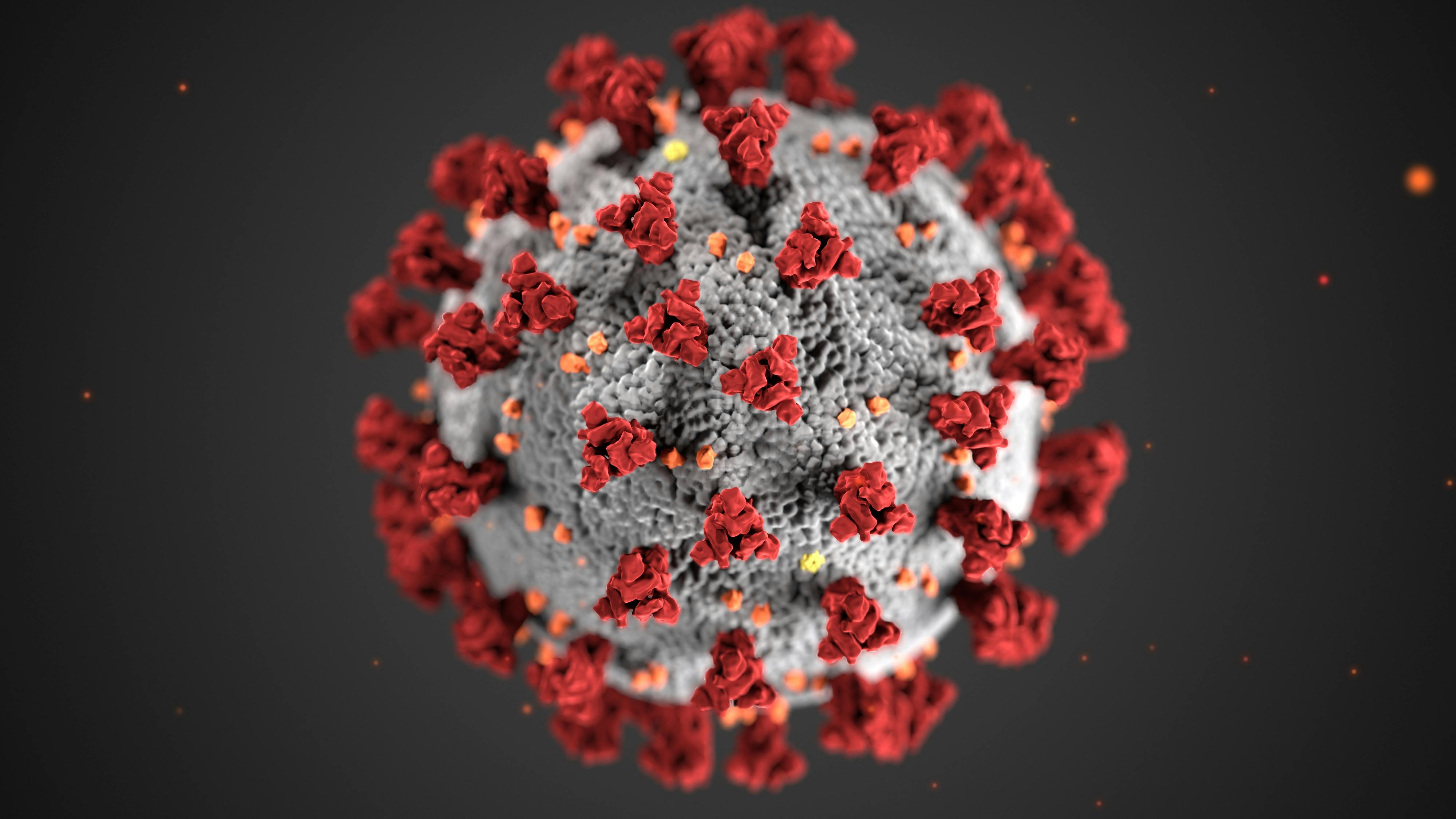
Why Prime Editing Is So Versatile
Prime editors can, in principle:
- Introduce any base substitution (all 12 possible conversions).
- Insert small DNA segments (e.g., a few nucleotides to dozens of bases).
- Delete defined stretches of DNA.
- Combine substitutions, insertions, and deletions in a single operation.
Unlike HDR‑based genome editing, prime editing often does not require an external donor DNA template and avoids creating full DSBs, which may enhance safety and efficiency in clinically relevant cell types, including neurons and hepatocytes.
“Prime editing offers greater control and flexibility than previous genome-editing methods, with the potential to correct the vast majority of known pathogenic variants.”
Scientific Significance: Raising the Ceiling of What’s Possible
Base and prime editing expand the actionable space of the human genome for both research and therapy. Instead of focusing predominantly on gene knockouts, scientists can now engineer precise alleles, patient‑specific variants, and subtle regulatory changes.
Functional Genomics and Systems Biology
In functional genomics, CRISPR 3.0 tools enable:
- Systematic mutagenesis: Introducing specific amino‑acid substitutions across a protein to map structure–function relationships.
- Regulatory element dissection: Editing transcription factor binding sites or enhancers to quantify changes in gene expression.
- High‑throughput variant testing: Creating libraries that mimic thousands of human variants to map genotype–phenotype connections at scale.
Disease Modeling and Drug Discovery
Precision editing drastically improves disease modeling:
- iPSC‑derived cell models with patient‑specific or isogenic mutations.
- Animal models harboring subtle human disease alleles instead of full gene knockouts.
- In vitro models for testing small‑molecule drugs, biologics, or RNA‑based therapeutics under realistic genetic contexts.
These models enable more predictive preclinical studies and can uncover synthetic lethal interactions that might be exploited in cancer therapy.
Therapeutic Objectives: What CRISPR 3.0 Aims to Treat
Many monogenic diseases are caused by single‑letter mutations or tiny insertions/deletions, making them natural candidates for base and prime editing. Researchers are prioritizing conditions where a modest editing efficiency can produce a substantial clinical benefit.
Priority Disease Areas
- Blood disorders: Sickle cell disease and β‑thalassemia, often targeted by editing hematopoietic stem cells ex vivo to restore or induce fetal hemoglobin.
- Liver diseases: Conditions such as familial hypercholesterolemia, transthyretin amyloidosis, and certain urea cycle disorders, where liver cells are accessible via systemic delivery.
- Inherited retinal dystrophies: Eye diseases caused by point mutations, where local delivery via subretinal injection limits systemic exposure.
- Neurological disorders: Emerging efforts aim to correct pathogenic variants in genes associated with ALS, Huntington’s disease, or certain epilepsies, although CNS delivery remains challenging.
In each case, therapeutic programs must weigh:
- The fraction of cells that must be edited to achieve benefit.
- The durability of the edited cells (e.g., stem cells vs. mature cells).
- The acceptable risk of off‑target or by‑product edits.
Mission Overview: Early Clinical Trials and Industry Momentum
As of mid‑2020s and continuing into 2026, several biotech companies and academic consortia have advanced base‑ and prime‑editing candidates toward clinical testing. These first‑in‑human trials are deliberately narrow in scope, focusing on severe conditions with high unmet need and relatively clear biomarkers.
Examples of Emerging Clinical Programs
- Ex vivo hematopoietic stem cell editing: Patient‑derived stem cells are edited outside the body with base or prime editors, then reinfused after conditioning, similar to existing CRISPR and CAR‑T workflows.
- In vivo liver targeting: Lipid nanoparticle (LNP) delivery of mRNA encoding base/prime editors to hepatocytes, seeking one‑time gene correction.
- Ocular gene editing: Local injection of vectors carrying editors for diseases with well‑defined pathogenic mutations.
Investment and partnering activity are intense. Large pharmaceutical companies are entering collaborations with CRISPR 3.0 platform startups to access proprietary editor variants, delivery technologies, and intellectual property portfolios.
For a concise, accessible walkthrough of prime editing mechanisms and recent preclinical data, see this YouTube explainer by the Broad Institute: Broad Institute: Prime editing – a new chapter in genome editing .
Technology: Delivery Systems, Platforms, and Tooling
The sophistication of CRISPR 3.0 editors must be matched by equally capable delivery systems to reach the right cells at the right dose. Delivery remains one of the central engineering challenges in gene therapy.
Major Delivery Modalities
- AAV (adeno‑associated viral) vectors:
- Well‑characterized, with several FDA‑approved gene therapies.
- Limited cargo size strains to accommodate large prime editors.
- Prolonged expression can raise safety concerns for some applications.
- Lipid nanoparticles (LNPs):
- Efficient for delivering mRNA and guide RNAs to the liver.
- Transient expression improves safety but may reduce efficiency for some tissues.
- Platform synergies with mRNA vaccine technologies.
- Non‑viral methods (electroporation, nanoparticles, VLPs):
- Often used ex vivo in cells like T cells or hematopoietic stem cells.
- Can deliver editor protein–RNA complexes (RNPs) directly for tight temporal control.
In parallel, bioinformatics pipelines and cloud‑based design tools help researchers predict off‑target sites, design optimal guides or pegRNAs, and simulate editing outcomes.

Tools and Learning Resources for Researchers and Students
Students, clinicians, and engineers entering the CRISPR field benefit from a combination of rigorous textbooks, hands‑on protocols, and reliable lab instrumentation.
Recommended Reading and Equipment
- Reference books: An up‑to‑date molecular biology text plus specialized CRISPR volumes can clarify mechanisms and experimental design. For a strongly reviewed, accessible overview of genomics and editing, see The Gene: An Intimate History by Siddhartha Mukherjee .
- Small‑scale lab gear: For educational or basic research labs setting up genome‑editing experiments, reliable micropipettes are essential. A popular option in the U.S. academic and biotech community is the Eppendorf Research Plus Micropipette , known for accuracy and ergonomics.
- Online courses and talks: Platforms like Coursera and edX host CRISPR and gene‑therapy courses. Keynote lectures from leaders such as Jennifer Doudna, Feng Zhang, and David Liu are often available via conference recordings or institutional YouTube channels.
Many researchers also follow experts on platforms like X (Twitter) and LinkedIn for real‑time commentary on new preprints and trial results, while maintaining a cautious attitude toward unreviewed findings.
Ethical, Regulatory, and Societal Dimensions
As CRISPR 3.0 moves toward the clinic, ethical and regulatory frameworks are racing to keep up. The distinction between somatic and germline editing remains foundational.
Somatic vs. Germline Editing
- Somatic editing: Targets non‑reproductive cells in an individual, affecting only that person. Most current clinical efforts, including base and prime editing trials, fall into this category.
- Germline editing: Alters embryos, gametes, or early developmental stages, making changes heritable. This is broadly considered ethically unacceptable and is illegal or tightly restricted in many jurisdictions.
“There is broad international agreement that it would be irresponsible at this time for anyone to proceed with clinical applications of human germline genome editing.”
Equity, Access, and Long‑Term Monitoring
Several questions dominate policy discussions:
- Will expensive one‑time gene therapies exacerbate health inequities between wealthy and resource‑constrained regions?
- How should regulators mandate long‑term follow‑up for patients receiving permanent genome edits?
- What data governance frameworks are needed when genomic and clinical data are integrated at scale?
Leading ethicists urge early public engagement and global coordination. Multilateral efforts, such as the WHO and National Academies task forces, are crafting guidelines to keep somatic editing patient‑centered and transparent.
Milestones: Key Developments in CRISPR 3.0
The story of CRISPR 3.0 builds on a rapid series of scientific and clinical breakthroughs over the past decade.
Selected Historical Milestones
- 2012–2013: Foundational work showing CRISPR‑Cas9 can be programmed for targeted genome editing in eukaryotic cells.
- 2016–2017: First base editors demonstrated, enabling C→T and later A→G conversions with high efficiency.
- 2019: Prime editing unveiled, significantly broadening the editing repertoire.
- 2020–2023: Early human trials using first‑generation CRISPR cutters show proof‑of‑concept cures for some blood and eye diseases.
- 2023–2026: Multiple base‑editing programs enter Phase 1/2 clinical testing; early prime‑editing candidates begin transitioning from preclinical to regulatory submission stages.
Each step has been accompanied by intense media interest, investor attention, and public debate—reflecting the perception that genome editing is not just another drug modality but a fundamental capability that could re‑define medicine.
Challenges: Technical, Safety, and Practical Barriers
Despite the promise, CRISPR 3.0 is not a solved engineering problem. Multiple open questions must be addressed before widespread clinical deployment.
1. Delivery to the Right Tissues
- Most in vivo success so far focuses on the liver, thanks to LNP tropism.
- Reaching the brain, heart, or skeletal muscle at therapeutic levels without toxicity remains difficult.
- Redosing viral vectors can be complicated by immune responses.
2. Off‑Target and By‑Product Edits
Even precise editors can have off‑target activity. Base editors may induce:
- Unintended edits at sequences similar to the guide RNA target.
- RNA off‑target deamination events, depending on the deaminase used.
Prime editing generates fewer random indels than traditional CRISPR cutting, but the balance between intended edits, indels, and unedited alleles must be quantified in each context using deep sequencing and computational analysis.
3. Immunogenicity and Durability
- Many people have pre‑existing immunity to common Cas9 orthologs derived from bacteria like Streptococcus pyogenes.
- Immune responses to delivery vehicles (AAV, LNPs) or the editor proteins themselves can reduce efficacy or cause adverse events.
- Durability is a double‑edged sword: permanent edits are attractive, but any rare harmful event could also be long‑lasting.
4. Manufacturing and Scalability
Producing clinical‑grade editors, guides, and delivery vehicles at scale is non‑trivial. Precision RNA synthesis, high‑quality plasmids, and robust quality‑control pipelines are essential to meet regulatory standards and keep costs manageable.
Human Stories, Media, and Public Understanding
Public interest in CRISPR surged with early trials in sickle cell disease, where individual patients shared experiences of living without painful vaso‑occlusive crises after gene editing. CRISPR 3.0 trials are likely to produce similar narratives for other conditions.
On platforms like YouTube, X/Twitter, and podcasts, communicators and researchers explain:
- The differences between gene editing and traditional gene therapy.
- How base and prime editors attempt to reduce risk by avoiding double‑strand breaks.
- Why current trials focus on somatic cells in consenting adults or children, not embryos.
For an engaging, lay‑friendly introduction to CRISPR ethics and patient stories, you can explore talks given by Nobel laureate Jennifer Doudna, including her widely viewed TED talk: “How CRISPR lets us edit our DNA” .
Conclusion: Toward a New Era of Precision Gene Therapy
Base editing and prime editing push genome engineering from a blunt instrument toward a programmable, nuanced toolkit. If CRISPR 1.0 showed that editing was possible, CRISPR 3.0 aims to make it precise, predictable, and clinically viable.
Over the next decade, the field’s trajectory will likely be defined by:
- Demonstrating safety and efficacy in a handful of early, high‑impact indications.
- Engineering next‑generation editors with reduced off‑target profiles and improved delivery compatibility.
- Building ethical, regulatory, and economic frameworks that prioritize patient welfare and global equity.
Success will not mean editing every disease or trait but carefully applying these powerful tools where benefits clearly outweigh the risks. For now, the most responsible path lies in somatic therapies for serious genetic conditions, combined with transparent communication and long‑term data sharing.
Additional Insights and Practical Takeaways
For Researchers and Clinicians
- Start with rigorous in vitro characterization of editing outcomes, including unbiased off‑target profiling (e.g., DISCOVER‑seq, CHANGE‑seq, or equivalent methods).
- Leverage public databases of human genetic variation (gnomAD, ClinVar) to prioritize which pathogenic variants are most suitable for base or prime editing.
- Collaborate across disciplines: successful CRISPR 3.0 programs often require coordinated input from molecular biologists, clinicians, bioinformaticians, ethicists, and regulatory specialists.
For Students and Interested Readers
- Build foundational understanding in genetics, cell biology, and biostatistics before diving into editing algorithms or trial design.
- Follow reputable sources such as peer‑reviewed journals (Nature Biotechnology, Science, Cell), major medical centers, and respected science communicators.
- Be cautious of hype: dramatic headlines often oversimplify or overstate early‑stage results.
As CRISPR 3.0 matures, it is likely to intersect with other technologies, including single‑cell multi‑omics, AI‑driven protein design, and advanced biomaterials for delivery. The convergence of these fields may ultimately determine how far precise gene editing can really go in everyday medicine.
References / Sources
Further reading and key sources include:
- Anzalone, A. V. et al. (2019). “Search-and-replace genome editing without double-strand breaks or donor DNA.” Nature. https://www.nature.com/articles/s41586-019-1711-4
- Komor, A. C. et al. (2016). “Programmable editing of a target base in genomic DNA without double-stranded DNA cleavage.” Nature. https://www.nature.com/articles/nature17946
- Newby, G. A. et al. (2021–2024). Prime editing in disease models. See summary at the Broad Institute: https://www.broadinstitute.org/prime-editing
- World Health Organization. “Human genome editing: recommendations.” https://www.who.int/publications/i/item/9789240030381
- National Academies of Sciences, Engineering, and Medicine. “Heritable Human Genome Editing.” https://nap.nationalacademies.org/catalog/25665/heritable-human-genome-editing
- Doudna, J. A. TED Talk: “How CRISPR lets us edit our DNA.” https://www.ted.com/talks/jennifer_doudna_how_crispr_lets_us_edit_our_dna
