
Could a Shrimp Virus Be Harming Human Eyes? What You Need to Know About the New Seafood-Linked Threat
A Mysterious Seafood Virus and Emerging Eye Disease: What’s Really Going On?
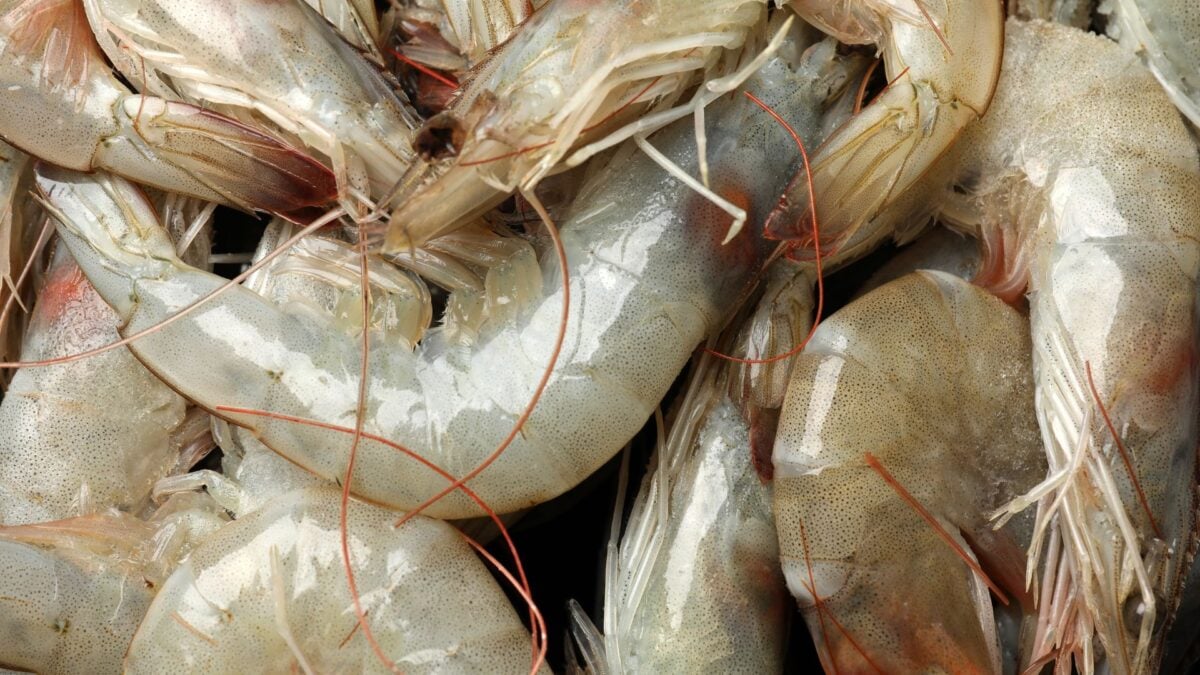
News that a virus found in shrimp and other seafood might be linked to a rare but serious eye disease is understandably unsettling—especially if you enjoy seafood regularly or work in the seafood industry. Recent research from scientists in China suggests that a shrimp virus known as CMNV (crustacean microsporidian necrotizing virus) may be associated with severe eye infections in people, sometimes leading to permanent vision loss.
The idea that an aquatic virus could affect human eyes sounds like science fiction, but this is exactly why researchers are paying close attention. At the same time, it’s important to remember that this is an emerging area of study: the risk to the general public appears to be very low, and many questions remain unanswered.
In this guide, we’ll walk through what scientists know so far, what this could mean for your eye health, how to reduce potential risks when handling and eating seafood, and which warning signs in your vision should never be ignored.
What Is This Seafood Virus, and How Could It Affect Human Eyes?
The virus at the center of this story is CMNV, short for crustacean microsporidian necrotizing virus. It was first recognized in shrimp and other farmed crustaceans, where it can cause significant disease and death, especially in aquaculture settings. For years, CMNV was considered a problem for seafood producers—not for human health.
Recent studies from Chinese research teams have raised a new possibility: fragments of CMNV genetic material have been detected in eye tissue from people with a particular type of severe eye infection. These infections involved:
- Inflammation inside the eye (often called uveitis or retinitis)
- Progressive damage to the retina (the light-sensing tissue at the back of the eye)
- Scarring that, in some cases, led to permanent vision loss
The researchers used advanced molecular techniques to look for viruses in eye samples and found CMNV genetic signatures in several patients. Many of these individuals had a history of working with or regularly handling raw seafood, suggesting a possible exposure route.
“If confirmed, CMNV would be the first virus originating in aquatic animals that we can link to a specific eye disease in humans. That makes it scientifically fascinating—but it also means we need a lot more data before drawing firm conclusions.”
— Ophthalmic virologist commenting on early CMNV-eye disease research
Importantly, detecting virus genetic material in diseased eyes shows an association, not definitive proof that CMNV directly causes the eye disease. Larger, carefully controlled studies are still needed to confirm causation.
How Might a Shrimp Virus Reach Human Eyes?
Scientists are still piecing together how CMNV—or similar aquatic viruses—might move from seafood into the human body and ultimately the eye. Several plausible routes are being investigated:
- Direct contact with contaminated seafood
Tiny viral particles could be present on raw shrimp or in seafood processing water. If these particles touch small breaks in the skin or mucous membranes (like the eye surface), infection might be possible—especially without proper handwashing or eye protection. - Contaminated hands touching the eyes
Rubbing or touching your eyes after handling raw seafood without washing your hands is a straightforward way for microbes to reach the eye surface. - Ingestion, then spread inside the body
Some viruses enter through the gut and later travel through the bloodstream to other organs, including the eyes. Whether CMNV can do this in humans is not yet known. - Occupational exposure
People who work on fishing boats, in seafood markets, or in processing plants face frequent contact with raw products and aerosols that may contain viruses.
Not everyone exposed to potentially infected seafood will become sick. In fact, most people likely will not. Personal immune defenses, viral load, and underlying health conditions all play a role in whether infection occurs and how severe it becomes.
Possible Symptoms: When to Worry About Your Eyes
The eye disease linked to CMNV in published case reports tends to be severe and noticeable. People eventually diagnosed with these infections often experienced:
- Sudden or gradually worsening blurred vision in one or both eyes
- Dark spots, floaters, or shadows in the field of view
- Flashes of light or distorted vision
- Eye pain, redness, or a feeling of pressure inside the eye
- Difficulty seeing at night or in low light
These symptoms overlap with many other serious eye conditions, such as retinal detachment, diabetic eye disease, or viral retinitis from herpes or cytomegalovirus. The key message is this:
Any sudden change in vision is an emergency. Do not wait to see if it will “clear up on its own”—seek urgent evaluation from an eye specialist or emergency department.
In the CMNV-linked cases, early treatment focused on reducing inflammation and targeting possible viral causes. Because CMNV-specific therapies don’t yet exist, doctors often rely on broad antiviral treatments, anti-inflammatory medications, and sometimes surgery to manage complications.
Who Might Be Most at Risk from a Seafood-Linked Eye Virus?
Available information suggests that the general public, especially those who eat properly cooked seafood occasionally, is likely at very low risk. However, certain groups may face higher exposure or vulnerability:
- Seafood workers – including fishers, shrimp farmers, processing plant staff, and seafood market workers who handle raw products daily.
- People who frequently prepare raw seafood at home – especially if they skip gloves or handwashing.
- Individuals with weakened immune systems – such as people with uncontrolled diabetes, cancer on chemotherapy, HIV, or those taking long-term immune-suppressing medications.
- People with preexisting serious eye disease – whose eyes may be more vulnerable to infection or inflammation.
Even in these groups, documented cases remain rare. The research does not support panic—but it does support common-sense precautions and more careful monitoring.

How to Enjoy Seafood More Safely While Research Continues
It would be premature—and nutritionally unhelpful—to avoid seafood entirely based solely on early CMNV research. Seafood provides valuable protein and heart-healthy omega‑3 fats. Instead, focus on proven food safety and eye protection practices that lower the risk of many infections, not just this one.
Here are practical, evidence-informed steps you can take:
- Cook seafood thoroughly
- Most viruses and parasites are inactivated at typical cooking temperatures.
- Aim for an internal temperature of at least 63°C (145°F) for fish and shellfish, or follow your local food safety guidelines.
- Avoid eating raw or undercooked shrimp and shellfish unless you fully trust the source and preparation standards.
- Handle raw seafood like raw meat
- Wash hands with soap and water before and after handling.
- Use separate cutting boards and utensils for raw and cooked foods.
- Clean countertops and sinks with hot, soapy water or a mild disinfectant.
- Protect your eyes and skin
- If you work with seafood, wear disposable gloves and consider eye protection, especially in processing environments.
- Avoid touching or rubbing your eyes when handling raw seafood.
- If liquid from raw seafood splashes into your eyes, rinse immediately with clean water or saline and seek medical advice if irritation persists.
- Support your overall immune and eye health
- Manage chronic conditions such as diabetes and hypertension.
- Do not smoke; smoking is a major risk factor for vision loss.
- Include leafy greens, colorful fruits, and omega‑3-rich foods in your diet for general eye health support.
- Get regular, comprehensive eye exams
- Most adults benefit from an eye exam every 1–2 years; those with existing eye disease or high risk may need more frequent visits.
- Tell your eye doctor about any occupational exposures, including seafood handling.

What Does the Science Actually Say Right Now?
Because this is a rapidly evolving topic, it helps to separate what is currently supported by evidence from what is still speculation. Based on publicly available information up to April 2026:
- Supported by evidence:
- CMNV is a real and well-documented virus in shrimp and other crustaceans.
- Research teams in China have detected CMNV genetic material in the eyes of a small number of people with severe eye disease.
- Many of these patients had regular contact with seafood, suggesting a credible exposure route.
- Still under investigation:
- Whether CMNV directly causes the eye disease, or is merely present as a “bystander.”
- How often CMNV-related eye disease occurs, and in which regions.
- Whether the virus can spread from person to person (currently not demonstrated).
- Which specific safety measures are most effective for preventing infection in humans.
As of now, no major international health agency has issued seafood bans due to CMNV. Instead, the focus is on surveillance, additional research, and reinforcing existing food safety guidelines.
A Real-World Example: When Seafood Exposure and Eye Disease Collide
To understand how this might look in real life, consider a composite case based on details reported in early research (with identifying features changed to protect privacy):
A middle-aged seafood processor spent years working in a shrimp facility, regularly handling raw shrimp with minimal protective equipment. Over a few weeks, he noticed increasing floaters and blurry vision in one eye, followed by difficulty seeing fine detail. Assuming it was “just eye strain,” he delayed seeing a doctor.
By the time he reached an ophthalmologist, imaging showed significant inflammation and damage in the back of the eye. Standard tests for common infectious causes were negative. Eventually, advanced molecular testing detected CMNV genetic material in the affected eye tissue.
With intensive treatment, the inflammation calmed, but some vision loss proved permanent. His unaffected eye became his “good eye,” and he began using proper protective gear at work while his employer updated safety policies for all staff.
“I wish I’d gone in sooner. I used to think eye safety was mostly about not getting hit with something. I didn’t realize infections from work could steal my sight.”
— Seafood worker, composite case based on published reports
Cases like this are rare, but they highlight the power of early attention to symptoms and basic workplace protections.

Staying Informed, Not Afraid: Protecting Your Vision in a Changing World
The possibility that a shrimp virus like CMNV could contribute to an emerging human eye disease is an important scientific development. It reminds us that human health is tightly connected to the health of animals and the environments we share—a concept known as “One Health.”
At the same time, the current evidence does not justify panic or sweeping changes to seafood consumption for most people. Instead, it’s a call to:
- Follow time-tested food safety and kitchen hygiene practices.
- Use gloves and eye protection if you regularly handle raw seafood at work.
- Take any changes in your vision seriously and seek prompt care.
- Support ongoing public health research and pay attention to guidance from trusted health agencies.
You don’t need to have all the answers to start taking simple, protective steps today. Your sight is worth that effort.
