
Could a Breast Cancer Tumor Vaccine Change Treatment Forever?
For many people diagnosed with breast cancer, finishing surgery, chemotherapy, or radiation is supposed to be the end of the hardest chapter. Yet for countless survivors, a quiet fear lingers: Will it come back?
That’s why the idea of a breast cancer “tumor vaccine” feels so powerful. Instead of only attacking existing cancer, a vaccine aims to train your immune system to recognize breast cancer cells and stop them from returning. Stony Brook Cancer Center, in partnership with 160 sites worldwide, is now part of a major study called FLAMINGO-01 that is testing exactly this kind of approach.
In this article, we’ll walk through what this experimental breast cancer tumor vaccine is, how the FLAMINGO-01 Phase III trial works, what it may mean for patients, and what you can realistically do now if you or a loved one is facing breast cancer.
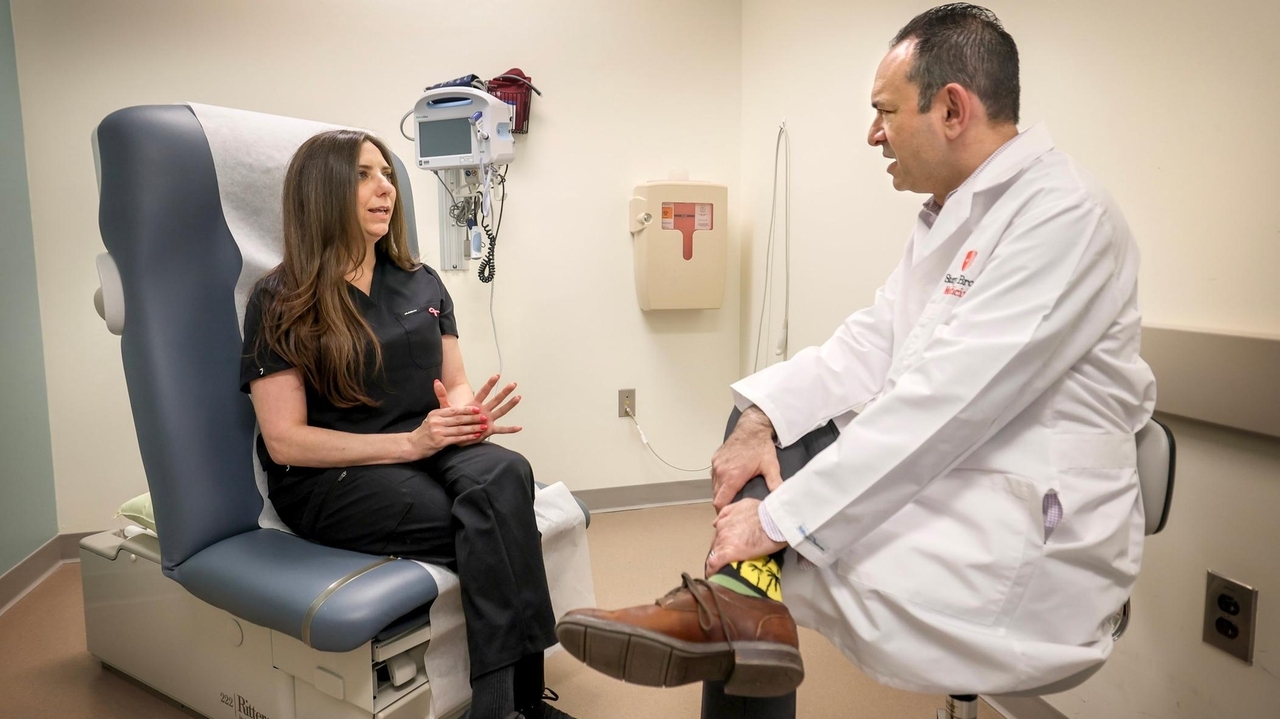
“Clinical trials are how tomorrow’s treatments become today’s standard of care. A vaccine approach to breast cancer is ambitious, but it’s built on decades of progress in immunotherapy.”
— Medical oncologist, breast cancer specialist
Why a Breast Cancer Tumor Vaccine Is Being Studied
Even with excellent surgery, chemotherapy, hormone therapy, and radiation, some people with early-stage breast cancer still face the risk of recurrence—cancer coming back in the breast or elsewhere in the body years later. That risk depends on factors like:
- Type of breast cancer (for example, HER2-positive, triple-negative, hormone receptor–positive)
- Tumor size and lymph node involvement at diagnosis
- How well the cancer responded to initial treatment
- Biologic markers that suggest more aggressive disease
Standard treatments work by directly targeting rapidly dividing cells or specific cancer pathways. But they don’t always leave your immune system “trained” to recognize and destroy stray cancer cells that might remain or emerge later.
A tumor vaccine tries to fill that gap. The goal is not just to shrink existing tumors, but to:
- Teach immune cells what breast cancer cells look like
- Build a memory response so your body can respond quickly if cancer cells appear again
- Reduce the risk of recurrence over the long term
What Is the FLAMINGO-01 Phase III Clinical Trial?
Stony Brook Cancer Center is one of about 160 centers worldwide participating in FLAMINGO-01, a Phase III clinical trial evaluating an experimental breast cancer tumor vaccine. Phase III means:
- The vaccine has already gone through earlier safety studies (Phase I and II).
- Researchers now compare it against standard care in a larger number of patients.
- The main question is whether it meaningfully improves outcomes, such as reducing recurrence.
While specific protocol details are evolving as the study progresses, FLAMINGO-01 generally focuses on people with breast cancer who have completed or are completing aggressive therapy and are at higher risk for recurrence. The trial aims to see whether adding the vaccine can:
- Lower the chance of cancer coming back
- Extend disease-free survival (time without evidence of cancer)
- Maintain an acceptable safety and side-effect profile
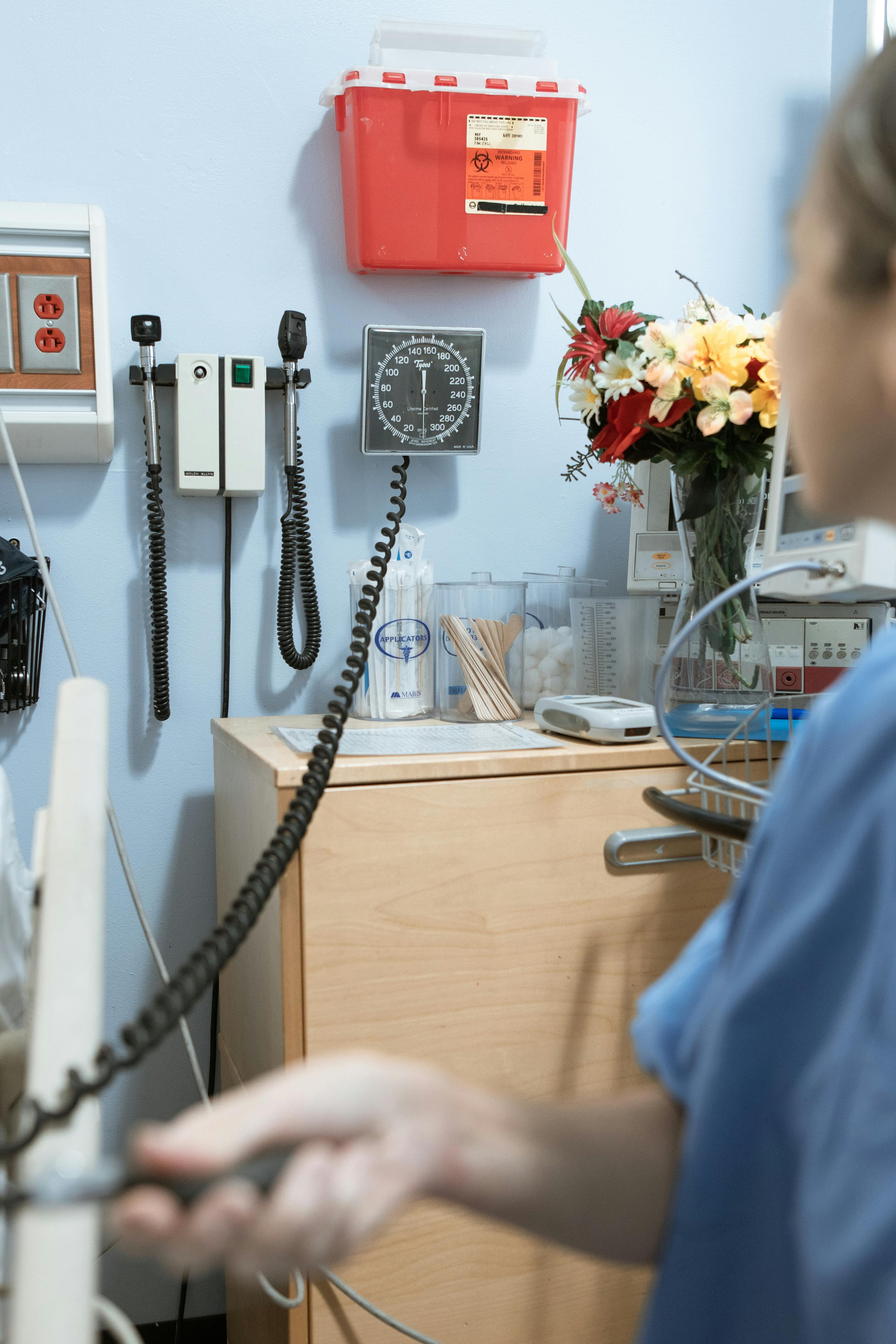
At Stony Brook, participation means being cared for at a National Cancer Institute–designated cancer center–level setting, where trial protocols, safety monitoring, and follow-up are tightly regulated.
How a Breast Cancer Tumor Vaccine Works: The Science in Plain Language
A tumor vaccine for breast cancer is usually a type of cancer immunotherapy. Instead of containing a live virus like some traditional vaccines, it contains:
- Pieces of proteins (antigens) that are commonly found on breast cancer cells
- Sometimes a carrier or adjuvant that boosts the immune response
When given as an injection, these components are picked up by your immune system—especially by dendritic cells and T cells. Over time, this can lead to:
- Recognition – Immune cells learn to recognize tumor-associated antigens.
- Activation – T cells are primed to attack cells that display those antigens.
- Memory – The immune system “remembers” what to attack in the future.
Similar approaches have already changed care in other cancers. For example, immune-based strategies and therapeutic vaccines are being actively studied and, in some cases, used in melanoma, prostate cancer, and certain blood cancers. The hope is to extend this success to breast cancer, but the evidence is still emerging.
Who Might Qualify for the FLAMINGO-01 Trial?
Each clinical trial has specific criteria. While only the trial team can determine eligibility, FLAMINGO-01 generally targets people who:
- Have a confirmed diagnosis of breast cancer
- Have completed—or are near completing—standard, aggressive treatment (such as surgery, chemotherapy, radiation, or targeted therapy)
- Have no evidence of widespread, uncontrolled metastatic disease at the time of enrollment (details vary by protocol)
- Meet age, health, and laboratory criteria to safely receive the vaccine
The patient described in the Newsday story, Christine Amitrano, joined the trial after two years of intensive treatment for breast cancer diagnosed at age 35. Her decision reflects what many younger patients feel: a strong desire to do everything possible to reduce the chance of the cancer returning, especially when they’ve already endured aggressive therapy.
What Participation Typically Involves
Every study is unique, but if you’re considering a tumor vaccine trial like FLAMINGO-01, you can expect several common steps:
- Screening and informed consent
You’ll have a detailed conversation with the trial team about:- Why the study is being done
- What is known and unknown about the vaccine
- Potential benefits and risks
- Your rights, including the ability to withdraw at any time
- Baseline tests
These might include blood work, imaging (like mammograms or MRIs), heart tests, and a full review of your medical history to ensure it’s safe to proceed. - Randomization
In Phase III trials, participants are often randomly assigned to:- A group receiving the vaccine plus standard follow-up, or
- A group receiving standard follow-up alone or a placebo
- Treatment visits
You’ll receive the vaccine (or comparison treatment) on a set schedule, often as injections, with monitoring after each dose for short-term side effects. - Follow-up and monitoring
Regular visits track:- Any symptoms or side effects
- Lab results and imaging
- Whether there are any signs of recurrence
“When my patients join trials like this, they’re not just hoping to help themselves—they’re also helping us learn how to better treat future generations. That said, my job is to make sure the decision is right for them, not for the science.”
— Breast medical oncologist
Potential Benefits and Risks of a Breast Cancer Tumor Vaccine
It’s human nature to want a breakthrough, especially after living through breast cancer treatment. Still, it’s important to balance hope with realism.
Potential benefits
- Possible lower recurrence risk if the vaccine works as intended.
- Close medical monitoring during the trial, which some patients appreciate.
- Contribution to research that could benefit others with breast cancer in the future.
Potential risks and downsides
- Side effects such as injection-site reactions, fatigue, flu-like symptoms, or immune-related issues (these vary by vaccine; your team will review specifics).
- Time and travel demands for visits and testing.
- The possibility that the vaccine does not provide extra benefit or is later shown to be less effective than hoped.
Common Obstacles Patients Face—and How to Navigate Them
Deciding whether to join a trial like FLAMINGO-01 can be emotionally and logistically challenging. Patients often share concerns such as:
- “I’m exhausted from treatment—can I handle more?”
- “What if I get the placebo?”
- “Will this interfere with my work, parenting, or caregiving?”
- “Is it safe?”
Here are practical ways to approach these concerns:
- Clarify your personal goals.
Ask yourself:- Is minimizing recurrence risk my top priority, even if benefits are uncertain?
- Is preserving day-to-day quality of life more important right now?
- Ask detailed questions.
Request a written summary of:- Number and length of visits
- Expected side effects and how they’re managed
- Impact on other medications or follow-up care
- Involve your support system.
Bring a trusted family member or friend to appointments. Have them take notes and help you weigh pros and cons. - Use hospital resources.
Many centers offer:- Social workers to discuss financial and logistical barriers
- Nurse navigators to coordinate appointments
- Support groups where you can talk with others in trials

Vaccine vs. Standard Care: Understanding the Difference
To put this in context, it helps to compare current standard breast cancer care with what a tumor vaccine might add.
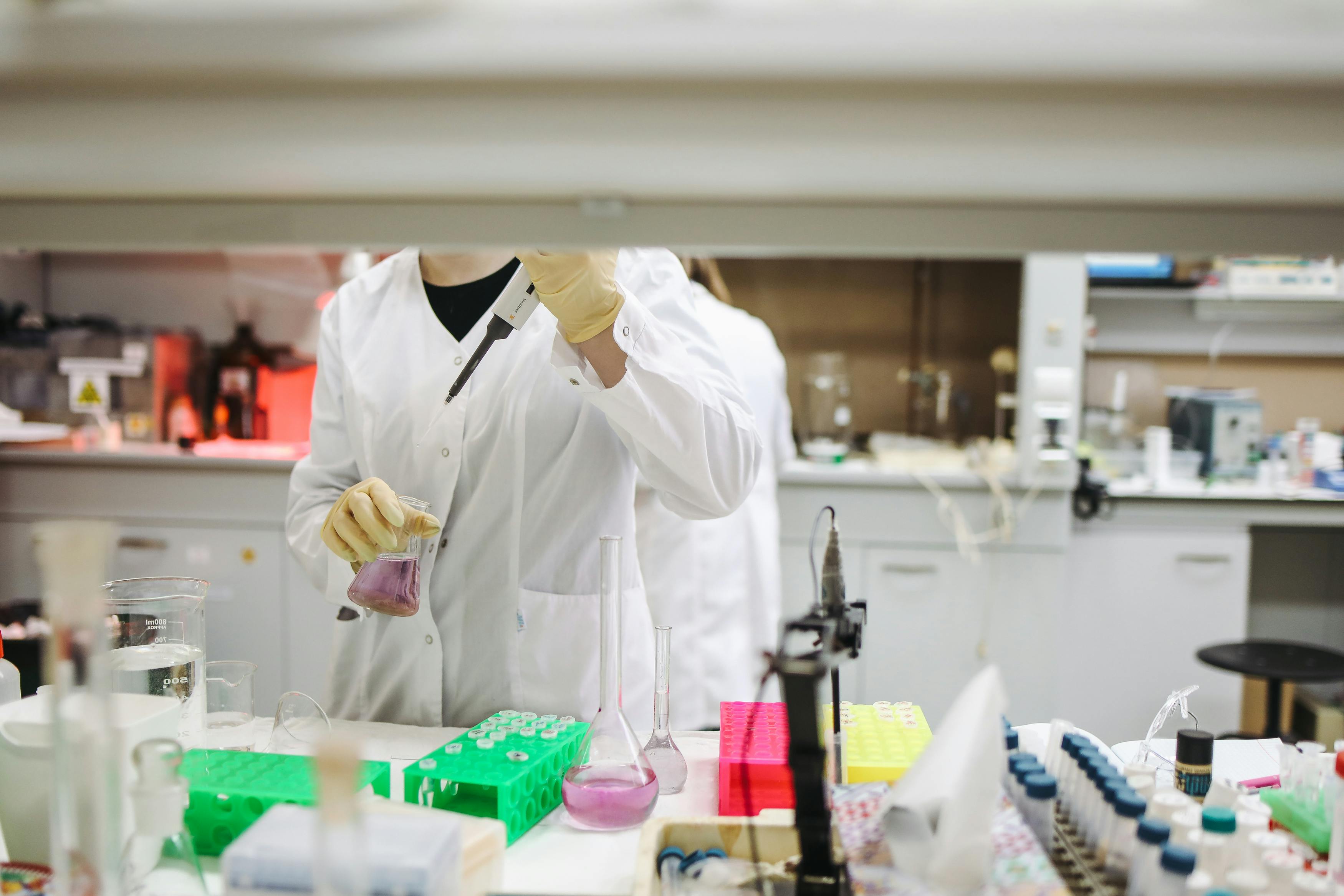
Current standard care
- Surgery to remove the tumor
- Radiation therapy for local control (when indicated)
- Chemotherapy or targeted therapy (e.g., HER2-directed drugs) when appropriate
- Hormone therapy for hormone receptor–positive cancers
- Regular follow-up visits and imaging
Experimental tumor vaccine
- Added on after or alongside standard treatment
- Goal is to train immune system and reduce recurrence risk
- Still under study—effectiveness not yet fully known
- Access currently limited to clinical trials like FLAMINGO-01
Even if tumor vaccines eventually become part of routine care, they are very likely to be used in combination with, not in place of, proven treatments.
Practical Steps if You’re Interested in the Stony Brook Tumor Vaccine Study
If you live near Stony Brook or another participating center and want to learn more, you can take these steps:
- Talk with your oncologist first.
Ask: “Am I potentially a candidate for the FLAMINGO-01 trial or other breast cancer vaccine studies?” - Contact the research office.
Stony Brook Medicine’s cancer center website and clinical trials office can provide:- Current trial status (recruiting or closed)
- Eligibility criteria
- Next steps for screening
- Gather your records.
Having your pathology report, treatment summary, imaging results, and a medication list ready will speed up the screening process. - Prepare your questions.
Some to consider:- How long will I be on the study?
- Will this affect my current medications?
- What costs are covered by the trial vs. my insurance?
- How will I be informed about study results in the future?
Looking Ahead: Hope, Caution, and Staying Informed
The experimental breast cancer tumor vaccine being studied at Stony Brook Medicine as part of the FLAMINGO-01 Phase III trial represents a hopeful frontier in cancer care. It is the product of years of work in immunology, oncology, and clinical research.
At the same time, the outcome of this trial is not yet known. It may show a meaningful reduction in recurrence risk, a modest benefit, or in some cases, no advantage over standard care. Until those data are fully analyzed and reviewed by regulators and professional societies, the vaccine will remain an experimental option.
If you’re living with or beyond breast cancer, you don’t have to pin all your hopes on any single study. You can:
- Stay up to date on follow-up care and screening
- Maintain healthy lifestyle habits that support overall well-being
- Ask your care team regularly about new research relevant to your specific cancer type
- Consider clinical trials as one of several tools—not the only one
Wherever you are on this journey—newly diagnosed, finishing treatment, or years into survivorship—you deserve clear information, compassionate care, and realistic options. Tumor vaccines like the one in FLAMINGO-01 may one day expand those options. For now, they offer a carefully studied possibility, not a promise.
Call-to-action: If you or a loved one is interested in the breast cancer tumor vaccine research at Stony Brook or another center, start by asking your oncologist, “What clinical trials might be right for me now?” That single question can open the door to a thoughtful, informed conversation about your next steps.
