
Cody Rhodes Stays on Top: Biggest Takeaways from a Wild WrestleMania 42 Night One
WrestleMania 42 Night One: Cody Rhodes Retains as WWE Hits the Reset Button
Night One of WrestleMania 42 at Allegiant Stadium in Las Vegas delivered title shocks, Cody Rhodes’ hard-fought retention, and a reshuffling of WWE’s championship landscape, setting the tone for a new era while escalating several major rivalries.
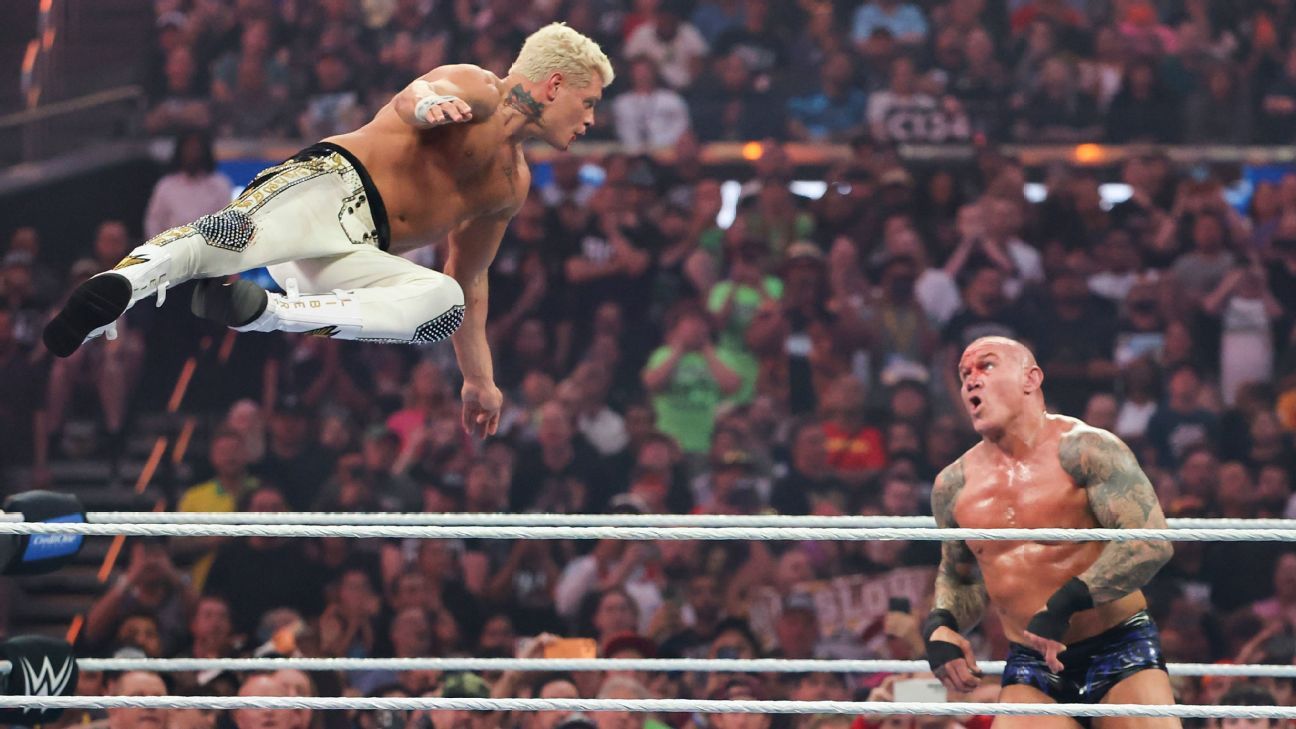
Positioned in the gambling capital of the world, WWE stacked the card with the kind of risk-heavy booking that either reinvigorates a product or sends it spinning. On Night One, the gamble mostly paid off: established stars like Becky Lynch reminded everyone why they matter, returning favorites such as AJ Lee reasserted their place in modern WWE, and newer faces walked out with gold that instantly elevates them.
Cody Rhodes Retains: From Underdog Myth to Franchised Ace
Cody Rhodes’ retention on Night One is less about the result and more about what it signals. A few years ago, “finishing the story” was a clever marketing hook; now, Rhodes is the story. Keeping the title on him in Las Vegas suggests WWE sees him as the long-term anchor, not just a conquering hero with a short shelf life.
“Cody isn’t just our champion; he’s the central character in the WWE universe right now. Everything else orbits around that.”
— A prominent WWE producer, speaking anonymously to wrestling media this weekend
The match layout leaned into Rhodes’ strengths: high emotion, clear stakes, and just enough danger to make the pinfall feel in doubt. However, keeping the belt on him carries a risk: if every major main-event story continues to revolve around Rhodes, WWE must carefully rotate challengers to avoid burnout and keep the hero’s journey from turning into cruise control.

Still, in an era when WWE is chasing mainstream synergy with streaming partners and international stadium shows, Cody as the polished, media-ready face of the company is a strategic no-brainer. Night One felt less like a desperate title defense and more like the next chapter in a champion’s reign that WWE believes can headline for a long time.
New Champions Crowned: WWE’s Power Rankings Just Got Scrambled
While Cody’s reign rolled on, the rest of the card felt like a controlled demolition of WWE’s old hierarchy. Multiple titles changed hands, and that collective shift is where Night One really earned its “new era” buzz.
- Tag team gold moving to fresher faces hints at a renewed focus on duos and factions, especially crucial with WWE leaning on groups for weekly TV drama.
- Midcard championships shifting to wrestlers with strong online followings and crossover appeal shows WWE is programming for social clips as much as for three-hour TV blocks.
- Women’s titles getting reallocated suggests new rivalries are being sculpted around the likes of Becky Lynch and AJ Lee as cultural touchpoints, not just workhorses.

From a business perspective, cycling belts at WrestleMania is hardly new. What stands out here is how many of the new champions feel algorithm-ready: big entrances, strong aesthetics, and matches structured for replay value on YouTube and TikTok. WWE is clearly casting with the broader entertainment ecosystem in mind.
Becky Lynch and AJ Lee: Generational Voices in One Ring
The presence of Becky Lynch and AJ Lee on the same WrestleMania night is quietly historic. If Trish Stratus and Lita were the transitional bridge from “divas” to actual competitors, AJ and Becky are two of the voices who finished the job and then pushed the division beyond respectability into main-event credibility.
“I never wanted to be the exception. I wanted to help make the norm better.”
— AJ Lee, speaking about women’s wrestling in a previous interview
Lynch brings a mainstream edge — late-night talk shows, crossovers, and the “Big Time Becks” aura — while Lee carries a cult favorite status, especially among fans who rode out the early 2010s. Putting them into major Las Vegas spots reminds viewers that WWE’s “women’s revolution” isn’t just a scrapbook moment; these are now legacy players influencing a new generation on the same stage where they were once outliers.

Night One framed them as part of WWE’s wider legacy narrative, not just a one-off nostalgia pop. That’s important: it signals that women’s wrestling history is being woven into WrestleMania mythology with the same care typically reserved for the company’s male icons.
Rivalries and Revenge: When Storytelling Outshines Spots
WrestleMania has sometimes leaned too heavily on move-set showreels, but Night One of WrestleMania 42 was more interested in grudges than GIFs. Several matches were framed around long-term slights — betrayals, past defeats, or title opportunities stolen months ago — and the pacing reflected that.
WWE appears to have learned from the bloodline saga that slow-burn arcs keep fans invested long after the pyro fades. Night One applied that lesson across the card: even midcard feuds carried the kind of narrative connective tissue that makes fans feel like they’re watching chapters instead of isolated episodes.

The upside is emotional engagement — crowds in Las Vegas reacted loudly to even minor beats because they understood the stakes. The downside is that not every storyline is equally compelling, and a couple of undercard bouts felt like they were borrowing the “epic” cadence without fully earning it in the build.
Strengths, Weaknesses, and the Vegas-Scale Spectacle
As a standalone show, WrestleMania 42 Night One lands firmly on the “successful” side of the ledger, but it isn’t flawless. The production is predictably slick — enormous screens, elaborate entrances, and camera work honed by years of live-event dominance.
- Strengths: smart title changes, Cody’s credible retention, strong women’s representation, and story-driven undercard matches.
- Weaknesses: some pacing bloat, a couple of matches that felt like premium live event filler elevated mainly by the WrestleMania logo, and hints that the main-event scene could calcify around familiar faces if WWE is not careful.
From a cultural standpoint, Night One reinforces WWE’s current identity: part prestige TV, part touring rock concert, part nostalgia act, part talent incubator. When it all clicks, as it often did here, you get a show that feels bigger than the sum of its individual star ratings.
Final Verdict: A Strong Opening Night with Long-Term Stakes
WrestleMania 42 Night One successfully balances stability at the top — Cody Rhodes as the face of the company — with volatility elsewhere, as new champions reshape the competitive map. It’s the kind of card that plays well both live in Las Vegas and in highlight form on Monday morning timelines.
If WWE follows through on the rivalries ignited here and resists the temptation to immediately undo its own bold choices, Night One could be remembered less for its individual moments and more as the night an entire post-Cody landscape quietly snapped into focus.
For now, the takeaway is simple: the house always wins in Vegas, but on WrestleMania 42 Night One, WWE’s willingness to reshuffle the deck — while keeping its ace in place — feels like the right bet.
