
“Cicada” COVID Variant: What BA.3.2 Symptoms Look Like and How to Protect Yourself
A New COVID Variant With a Familiar Feeling of Uncertainty
If you’ve heard about a new “cicada” COVID variant and felt your stomach drop a little, you’re not alone. The BA.3.2 variant, nicknamed “cicada” because of its rapid, sudden spread, has now been detected in at least half of U.S. states, prompting fresh alerts from the CDC and public health experts.
Early data suggest BA.3.2 may spread faster and does a better job dodging some existing immunity from vaccines or prior infections. That does not mean we’re back at square one—but it does mean it’s worth understanding the symptoms, risks, and what practical steps you can take right now.
This guide pulls together what we know so far from CDC updates and early studies as of April 2026, and translates that into clear, doable actions to help you and your family stay safer—without panic, and without ignoring real risks.
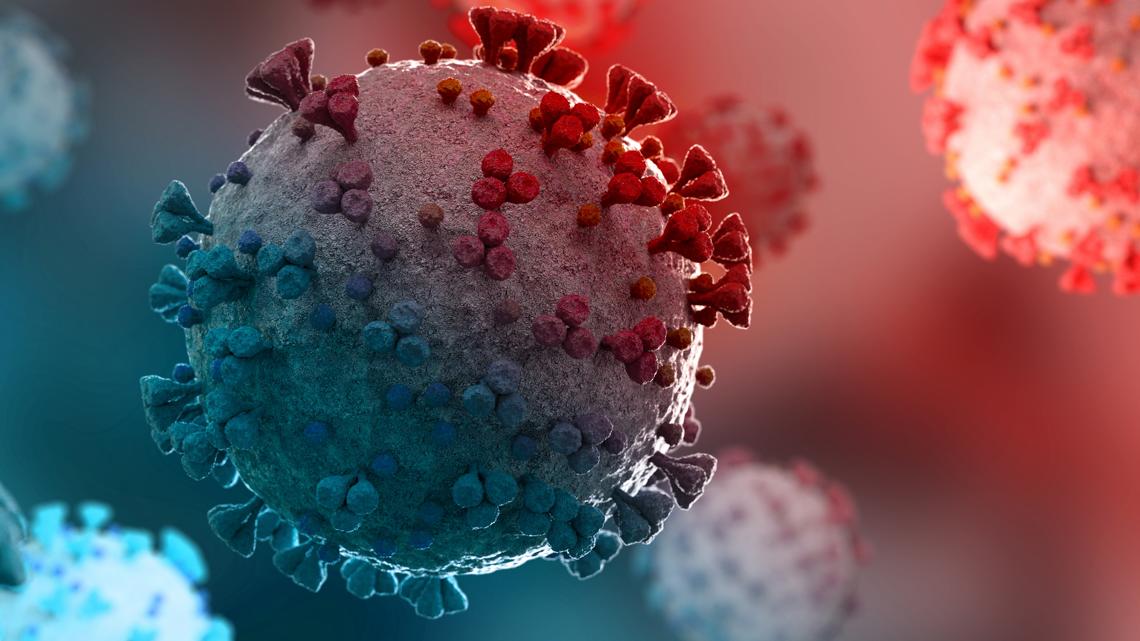
What Is the “Cicada” COVID Variant (BA.3.2)?
BA.3.2 is a subvariant in the Omicron family, first identified in June 2025. It picked up the nickname “cicada” because, like the insect, it seemed to appear suddenly and spread quickly after simmering in the background.
- Family: Omicron-lineage subvariant (similar to previous variants but with new mutations).
- Location: Confirmed in at least half of U.S. states as of early 2026, with community spread.
- Why it matters: Shows signs of better immune evasion and potentially higher transmissibility.
“BA.3.2 appears to have a combination of spike protein mutations that help it partially escape existing antibodies. Vaccines and prior infection still offer important protection—especially against severe disease—but we are seeing more reinfections.”
— Infectious disease specialist, summarizing early CDC briefings
So far, there’s no strong evidence that cicada causes more severe disease per infection than previous Omicron variants. Most concern is about:
- More people getting infected or reinfected in a short timeframe.
- Hospitals being strained in regions with low vaccination or booster uptake.
- Higher risk for older adults and people with chronic conditions.
Cicada COVID Symptoms: What to Watch For
The symptoms of BA.3.2 “cicada” COVID look a lot like other Omicron variants. For many people—especially those vaccinated—symptoms can resemble a bad cold or mild flu. But in higher-risk groups, the illness can still become serious.
Most commonly reported symptoms
- Sore or scratchy throat
- Runny or stuffy nose
- Cough (dry or productive)
- Headache
- Fatigue or low energy
- Mild muscle or body aches
- Low-grade fever or chills
Less common but still possible
- Shortness of breath (more concerning in older adults)
- Chest tightness or discomfort
- Nausea, vomiting, or diarrhea
- Loss or change of taste and smell (less frequent than in early COVID waves, but still reported)
Emergency warning signs – seek urgent care immediately
Call emergency services or go to the ER if you or someone you’re caring for has:
- Trouble breathing or very fast breathing
- Persistent pain or pressure in the chest
- New confusion, or difficulty waking the person up
- Bluish or gray lips, face, or nail beds
- Signs of severe dehydration (very little urine, dizziness, fainting)

Why Cicada Seems to Spread So Quickly
Early lab and real-world data suggest BA.3.2 has a combination of mutations that help it:
- Bind more tightly to receptors in our airways, making infection more efficient.
- Partially evade antibodies from vaccines and past infections.
- Replicate quickly in the upper airways, which makes it easier to spread through coughing, sneezing, and even talking.
In plain language: even if you’ve had COVID before or kept up with earlier boosters, you can still get infected with cicada—though your immune system is likely to respond faster and better, lowering your risk of severe disease.
“Immunity isn’t an on/off switch; it’s more like a dimmer. BA.3.2 can turn down our frontline antibody defenses, but the deeper layers of immunity—like T-cells—still help prevent many hospitalizations and deaths.”
— Immunologist commenting on Omicron subvariants

Who Is Most at Risk From Cicada COVID?
For many healthy, vaccinated adults, cicada COVID is likely to be uncomfortable but manageable at home. However, some groups face a higher chance of severe illness, hospitalization, or complications like long COVID.
Higher-risk groups include:
- Adults aged 65 and older
- People with chronic heart, lung, or kidney disease
- Those with diabetes or obesity
- People with weakened immune systems (from conditions or medications)
- Pregnant individuals
- People living in long-term care facilities
If you’re in one of these groups—or care for someone who is—it’s especially important to know your plan for testing, treatment, and when to seek urgent care.
Testing for Cicada: How to Know If It’s COVID
At-home tests and most clinic PCR tests do not tell you which variant you have. They simply say whether SARS‑CoV‑2 (the virus that causes COVID‑19) is detected. That’s okay—treatment and isolation guidance are usually the same regardless of variant.
When to test
- You have symptoms listed above, especially after a known exposure or travel.
- You live or work with high-risk individuals and feel “off,” even if symptoms are mild.
- You’ve been told you are a close contact of someone with COVID, and it’s been at least 24–48 hours since that exposure.
Tips for more accurate at-home testing
- Follow the instructions closely, including swab depth and timing.
- Test at least 24 hours after symptoms start; if negative but you still feel unwell, repeat in 24–48 hours.
- Consider combining a throat + nasal swab if your kit’s instructions allow it (some experts suggest this may improve detection for Omicron variants; always follow the manufacturer’s guidance).

Staying Safer: Practical Steps Against Cicada COVID
No single measure is perfect, but layering several simple steps can significantly reduce your risk—especially when cicada cases are rising in your community.
1. Keep your vaccines and boosters up to date
Updated COVID vaccines are designed to better match currently circulating variants. Even with immune-evasive strains like BA.3.2, vaccination consistently lowers the risk of:
- Severe illness and hospitalization
- Needing ICU-level care
- Death
For the latest recommendations, see: CDC: Stay Up to Date with COVID‑19 Vaccines .
2. Improve indoor air and ventilation
- Open windows and doors when possible to increase fresh air flow.
- Use HEPA air purifiers in frequently used rooms.
- Run HVAC fans continuously during gatherings to filter air.
3. Use masks strategically
High-quality masks (like N95, KN95, or KF94) can meaningfully cut risk in:
- Crowded indoor settings (public transit, concerts, busy stores)
- Healthcare facilities
- Visits with vulnerable loved ones, especially if local cases are high
4. Plan ahead for treatment
Antiviral medications can lower the risk of severe disease when started within the first few days of symptoms. Ask your clinician about:
- Whether you’re eligible for outpatient COVID antivirals
- Where and how quickly you can get a prescription if you test positive
- Any interactions with medications you already take

Common Obstacles—and How to Work Around Them
Many people know what they “should” do—but life gets in the way. Here are a few real-world barriers and realistic ways to handle them.
“I’m tired of thinking about COVID.”
Pandemic fatigue is real. Instead of trying to do everything perfectly, choose a few high-impact habits you can maintain, like:
- Masking in crowded indoor spaces during local surges
- Staying home when you’re sick (as much as your job and life allow)
- Keeping vaccinations current once or twice a year, as recommended
“Tests and masks are expensive.”
Costs can add up. Look for:
- Free or low-cost test distribution through local health departments or clinics.
- Community organizations, libraries, or schools that offer supplies.
- Reusable high-quality masks that maintain good fit over time, reducing how many you need.
“People around me don’t take it seriously.”
You can’t control others’ choices, but you can:
- Make your own risk decisions (masking, skipping crowded events) without needing everyone to agree.
- Have honest, calm conversations with family about protecting high-risk members.
- Suggest small compromises, like moving gatherings outdoors or testing before visiting older relatives.
How Cicada COVID Compares: Before and After Precautions
While every person and community is different, simple layers of protection can change the picture significantly.

- Before precautions: Indoor party, no masks, poor ventilation, no testing. One contagious guest can infect a large portion of attendees, especially with a highly transmissible variant.
- After precautions: Smaller gathering, some time outdoors, a few open windows, optional masking for those at higher risk, and rapid tests for anyone with symptoms. Infections can still happen, but the odds and potential severity drop.
You don’t have to aim for zero risk—just less risk, especially for those most vulnerable.
Staying Informed Without Getting Overwhelmed
With any new variant, rumors can spread as fast as the virus itself. To keep a clear head:
- Rely on a few trusted sources, such as:
- CDC: SARS-CoV-2 Variants
- WHO: Coronavirus (COVID‑19)
- Your local or state health department website
- Set a limit: check updates once a day or a few times a week, instead of doomscrolling.
- Talk with your healthcare provider if you’re unsure how new guidance applies to your specific health conditions.
Moving Forward With Caution—Not Fear
The cicada (BA.3.2) COVID variant is a reminder that the virus is still evolving. But we’re no longer in the dark days of early 2020. We have tools—vaccines, tests, treatments, masks, and better ventilation—and experience in how to use them.
You don’t need to overhaul your entire life to respond to this variant. Instead, focus on a few concrete steps:
- Update your COVID vaccine if you’re due.
- Keep a small supply of tests and a few high-quality masks at home.
- Have a “what if I get sick?” plan, especially if you or loved ones are higher risk.
Taking these actions won’t guarantee you’ll avoid cicada COVID—but they can meaningfully lower your chances of severe illness and help protect the people you care about. And that’s a realistic, powerful goal.
If you’re experiencing symptoms now, your next best step is simple: get tested, rest, and reach out to your healthcare provider early—especially if you’re in a higher-risk group.
