
Can NMN Really Help Lower Blood Pressure? What the New Research Actually Shows
NMN, Anti-Aging, and Blood Pressure: What You Really Need to Know
If you’ve been exploring anti-aging supplements, chances are you’ve seen NMN (nicotinamide mononucleotide) everywhere—on social media, in podcasts, and in glossy wellness ads that promise everything from better energy to a longer life. Now, a new study covered by Verywell Health suggests that NMN might also slightly lower blood pressure, especially in older adults. It sounds promising—but how much does it actually help, and is it worth taking for blood pressure alone?
In this guide, we’ll unpack the latest research on NMN and blood pressure, look at who might benefit, discuss safety concerns, and talk through realistic ways to support healthy blood pressure that go far beyond any single pill.
:max_bytes(150000):strip_icc()/VWH-GettyImages-1832443459-f619c7eb8cd64c71a3fc0dfd98b73387.jpg)
Why Blood Pressure and Anti-Aging Often Collide
High blood pressure (hypertension) is one of the most common age-related health problems. It increases the risk of:
- Heart attack and heart failure
- Stroke
- Kidney disease
- Cognitive decline and dementia
As we age, our blood vessels tend to stiffen, and our cells become less efficient at using energy. That’s where NMN enters the conversation: it’s marketed as an “anti-aging” supplement because it boosts a molecule called NAD+, which helps cells produce energy and repair damage.
The idea is that by improving cellular function, NMN could also support healthier blood vessels and better blood pressure. The latest research gives us a first glimpse into whether that actually happens in humans.
What the New Study on NMN and Blood Pressure Actually Found
According to the coverage by Verywell Health, the latest study on NMN suggests:
- Diastolic blood pressure (the bottom number) dropped slightly in people taking NMN.
- In adults 60 years and older, there was a modest reduction in systolic blood pressure (the top number).
- The effects were described as small—helpful to understand, but not dramatic or life-changing.
- Experts emphasized that more and larger studies are needed before we can draw firm conclusions.
“NMN may have a measurable but modest effect on blood pressure. At this point, it should not be viewed as a primary treatment for hypertension, but rather as an experimental adjunct under medical guidance.”
In other words: NMN looks interesting, but it’s not a magic blood pressure pill. The reductions seen in the study are generally smaller than what we expect from proven lifestyle changes or guideline-based medications.

How Might NMN Influence Blood Pressure?
NMN is a precursor to NAD+, a molecule found in every cell that:
- Helps turn food into cellular energy
- Supports DNA repair
- Regulates certain enzymes involved in aging and metabolism (like sirtuins)
In theory, by raising NAD+ levels, NMN could help blood vessels function more smoothly and reduce oxidative stress and inflammation—factors that contribute to high blood pressure over time.
However, most of the “anti-aging” and vascular benefits we hear about are based on:
- Animal studies (mice, rats, etc.)
- Small or short-term human trials
Those are valuable first steps, but they don’t yet tell us what long-term NMN use does to blood pressure, cardiovascular risk, or overall health in real-world settings.
Who Might (and Might Not) Benefit From NMN for Blood Pressure?
Based on the current evidence, here’s a reasonable, cautious way to think about NMN and blood pressure:
People who might see a small benefit
- Adults 60 years or older with slightly elevated blood pressure
- Individuals already focused on healthy aging who want to explore NMN as an adjunct, not a main therapy
- People without major kidney or liver disease, and not pregnant or breastfeeding, after discussing with their clinician
People who should be very cautious or avoid NMN for now
- Anyone with uncontrolled hypertension or a history of heart attack or stroke unless closely monitored by a cardiologist or primary care clinician
- Pregnant, planning pregnancy, or breastfeeding individuals (safety data are extremely limited)
- People taking multiple medications, especially for blood pressure, diabetes, or heart rhythm, due to potential interactions
“If NMN helps you at all, it’s likely to be a small, incremental benefit—think of it as the ‘icing’ on a cake made primarily of lifestyle habits and, when needed, prescription therapy.”
I’ve seen patients get excited about the latest supplement and then quietly let go of the basics: taking their prescribed meds, staying active, and checking their blood pressure. Those basics did far more for their long-term health than any capsule ever could.
How NMN Compares to Proven Ways to Lower Blood Pressure
To keep expectations realistic, it helps to compare NMN’s small, early effects with strategies that we know make a meaningful difference.

| Strategy | Typical Impact on BP | Evidence Strength |
|---|---|---|
| Weight loss (if overweight) | ~1 mmHg per kg lost on average | Strong, long-term data |
| DASH / Mediterranean-style diet | Up to 8–14 mmHg reduction | Strong, guideline-endorsed |
| Regular aerobic exercise | ~5–8 mmHg reduction | Strong |
| Prescription BP medications | Often 5–20+ mmHg, depending on drug and dose | Extensive clinical trials |
| NMN supplement | Small reductions, mostly in diastolic and in older adults | Early, limited human data |
When you see it side-by-side, NMN is best thought of as a possible small booster, not a cornerstone strategy.
Considering NMN? A Safe, Practical Step-by-Step Approach
If you’re curious about NMN after hearing about its potential anti-aging and blood pressure effects, here’s a cautious, practical roadmap.
1. Start with the fundamentals
- Know your current blood pressure (home monitor or pharmacy machine).
- Review your numbers with your clinician and understand your target range.
- Prioritize diet, movement, sleep, and stress management first; these have the biggest payoff.
2. Talk to your healthcare provider
Before starting NMN, especially if you have any medical conditions, ask:
- “Is there any reason NMN might be unsafe for me?”
- “Could NMN interact with my current medications?”
- “How should I monitor my blood pressure if I try it?”
3. If you and your clinician decide to trial NMN
- Choose a brand that provides third-party testing certificates (purity, potency, contaminants).
- Start with a moderate dose commonly used in studies, not the highest dose on the label.
- Track your blood pressure at home: e.g., twice daily for 1–2 weeks before starting, then for at least 4–8 weeks after.
- Note any side effects such as flushing, digestive upset, headaches, or changes in sleep.
- Reassess with your clinician: Did your BP meaningfully change, or is the benefit too small to justify the cost?
Safety, Side Effects, and Unknowns
So far, short-term studies suggest NMN is generally well-tolerated in healthy adults, but there are important caveats:
- Long-term safety (years of use) is not well understood.
- People may experience mild digestive upset, headaches, or flushing.
- There are theoretical concerns about how long-term NAD+ boosting might affect cancer risk, but data in humans are currently limited and mixed.
- Supplements are not regulated like medications; quality can vary widely between brands.
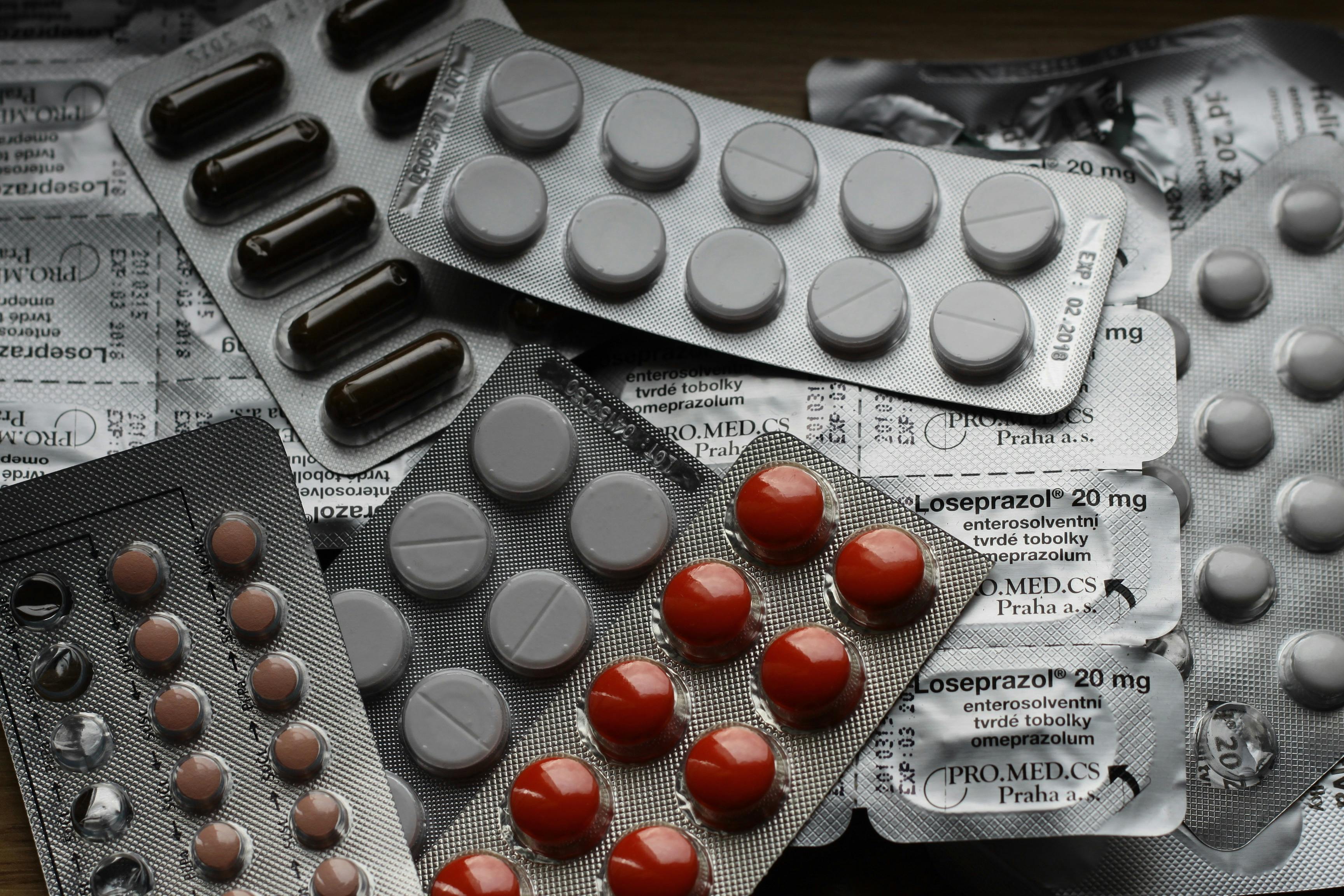
Because of these unknowns, most experts recommend using NMN, if at all, with:
- Clear goals (what are you hoping to achieve?)
- Time limits on “experiments” rather than indefinite use
- Regular check-ins with a healthcare professional
Evidence-Based Ways to Support Blood Pressure (With or Without NMN)
Whether or not you ever try NMN, these strategies have strong evidence for lowering blood pressure and supporting healthy aging:
- Adopt a blood-pressure-friendly eating pattern
Emphasize vegetables, fruits, whole grains, beans, nuts, and olive oil, with modest amounts of fish and lean proteins. The American Heart Association and DASH diet are excellent resources. - Move most days of the week
Aim for about 150 minutes per week of moderate aerobic activity (like brisk walking) plus 2 days of light strength training, as recommended by major guidelines. - Watch your sodium and ultra-processed foods
Restaurant meals, packaged snacks, and fast food are major salt sources. Gradual changes make a real difference. - Sleep and stress management
Poor sleep and chronic stress raise blood pressure. Short daily practices—breathwork, a walk outside, brief stretching—are better than waiting for a “perfect” routine. - Take prescribed medications consistently
If your clinician has recommended blood pressure medication, it’s because your cardiovascular risk is high enough that lifestyle alone likely isn’t enough. Supplements should never replace this without medical guidance.
Quick Answers to Common Questions About NMN and Blood Pressure
- Does NMN lower blood pressure enough to skip medication?
- No. Current evidence suggests only a small effect, not enough to replace proven blood pressure medications for people who need them.
- How long does it take to see any effect?
- In small trials, changes are usually measured over weeks to a few months. If you see no change in that time—and you’re already doing the basics—it may not be worth continuing.
- Is NMN approved by major health agencies for high blood pressure?
- No. NMN is sold as a dietary supplement, not an approved treatment for hypertension.
- Can I take NMN with other anti-aging supplements?
- Possibly, but stacking multiple supplements increases the risk of interactions and side effects. Always review your full list of supplements and medications with your healthcare provider.
Putting It All Together: A Grounded Approach to NMN and Healthy Aging
NMN is an exciting area of research, and the new study suggesting a modest blood pressure benefit—especially for older adults—is genuinely encouraging. At the same time, the effect appears small, and the science is still early. For now, NMN is best viewed as an optional add-on, not a core strategy for blood pressure control or anti-aging.
If you’re drawn to NMN, it likely means you care deeply about staying healthy and independent as you age. That motivation is powerful. The most impactful steps you can take—consistent movement, nourishing food, quality sleep, stress management, and appropriate medical care—are less flashy than a supplement, but they are where the real, long-term gains happen.
If you’re ready to make a change, consider this your nudge to:
- Check your current blood pressure this week.
- Schedule a conversation with your clinician about your goals and options.
- Choose one small, doable habit—like a 10–15 minute daily walk—to start today.
Supplements like NMN may eventually play a meaningful supporting role in healthy aging. Until we know more, your daily choices and your partnership with a trusted healthcare professional remain the most reliable tools you have.
