
Bruce Springsteen Ignites Minneapolis: Inside the Electrifying Opening Night of the Land of Hope & Dreams Tour
Bruce Springsteen’s Land of Hope & Dreams Tour Opens in Minneapolis: A Night of Grit, Grace, and Glory
Bruce Springsteen & The E Street Band launched their 20-date Land of Hope & Dreams American Tour at the Target Center in downtown Minneapolis on March 31, 2026, turning a chilly Midwestern night into a sweat-soaked communion of rock, soul, and shared memory. More than five decades into his career, Springsteen isn’t coasting on nostalgia—he’s tightening the screws, sharpening the politics, and leaning into the emotional weight of songs that now feel less like classic rock and more like living history.
Why This Tour Matters: Springsteen, America, and the Land of Hope & Dreams
On paper, Land of Hope & Dreams sounds like a sentimental title. In practice, it’s Springsteen doing what he’s always done best: chronicling the gap between American mythology and American reality. Opening this 2026 run in Minneapolis—a city that has become symbolic in conversations about justice, policing, and protest—adds an unmistakable charge.
The tour arrives at a moment when legacy acts are either retiring, cashing in on catalog sales, or settling for safe greatest-hits revues. Springsteen is instead staging a kind of rolling seminar on aging, work, grief, and community—still playing arenas, but with the intent and intensity of a late-period filmmaker rather than a jukebox hero.
Setlist Shape: A Career-Spanning Story, Not Just a Hit Parade
As USA Today reports, Springsteen’s opening night in Minneapolis leaned into a familiar E Street structure: a burst of adrenaline, a slow-burn emotional middle, and a cathartic, audience-shouting-the-chorus finale. The difference in 2026 is how the songs now talk to each other across decades.
- Early sprint: The show front-loaded rockers that signaled intent—expect staples like “No Surrender” or “Prove It All Night” to set the tone of defiance and stamina.
- Mid-show gravitas: Recent material—especially songs about mortality and economic anxiety—sat next to older blue-collar anthems, making it clear the “characters” in these songs have aged along with their creator.
- Finale as ritual: The closing run leaned heavily on communal singalongs, with “Land of Hope and Dreams” positioned less as a hopeful promise and more as a hard-earned insistence.
That narrative arc gives the night a sense of cohesion: this isn’t just Bruce playing “the ones you know,” it’s Bruce stitching together a 50-year American song cycle in real time.
The Performance: Aging, Stamina, and the Myth of the Three-Hour Show
At 76, Springsteen is no longer chasing his own legend of marathon three-and-a-half hour sets, but the Minneapolis opener suggests that intensity has trumped sheer length. Reports from the Target Center describe a performance that was leaner, tighter, and notably more deliberate than the freewheeling tour stops of the 2000s.
“He’s less a rock god defying age now and more a master craftsman using it—turning the rasp in his voice and the light gray in his hair into storytelling tools.”
Vocally, that rasp matters. The wounded edge on songs like “The River” or “My City of Ruins” hits harder in 2026; they now sound like dispatches from someone who’s lived long enough to see both the promises and the letdowns of his own ideals. USA Today’s coverage emphasizes how Springsteen carries himself onstage—less sprinting across the risers, more standing in the center, locking eyes with the crowd, delivering lines like testimony.
The E Street Band: A Democratic Machine in an Era of Solo Stardom
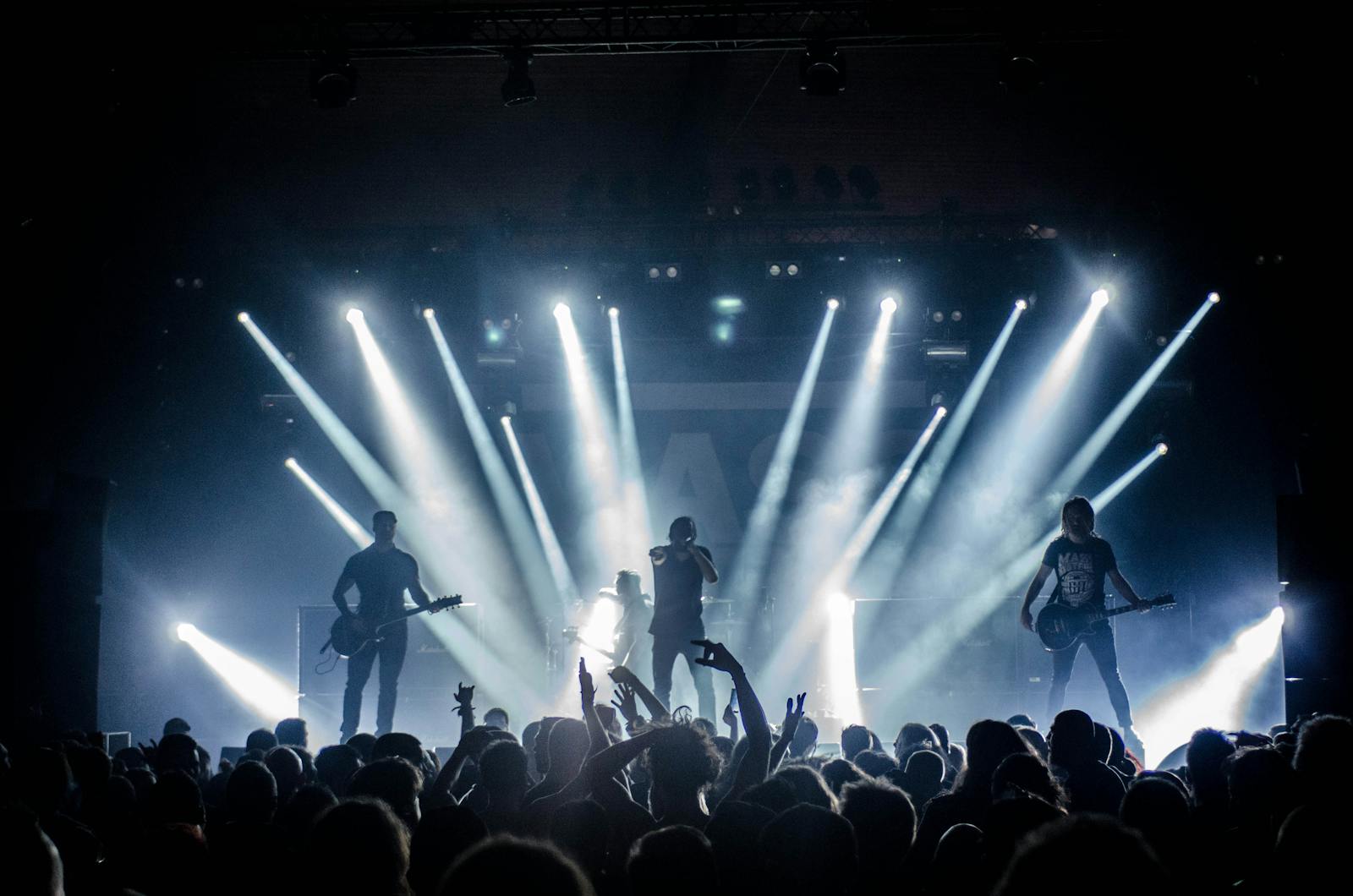
One of the quietly radical things about Springsteen tours is how un–21st century they feel in terms of star power. In Minneapolis, the E Street Band didn’t just back Bruce; they acted as a kind of onstage democracy—horn section, keys, guitars, and backing vocals all taking turns at the center.
- Max Weinberg anchoring the whole thing with that martial drum precision.
- Steven Van Zandt providing both guitar grit and the familiar foil dynamic beside Bruce.
- A punchy horn section lifting songs like “Tenth Avenue Freeze-Out” into gospel territory.
In a streaming era dominated by algorithmically optimized singles and laptop-made tracks, this many people on stage—horns, multiple guitars, keys, and more—feels almost defiantly analog. The Minneapolis opener underscores why: the band doesn’t just play the songs; they embody the community the songs are arguing for.

Themes on the Night: Work, Loss, and That Complicated American Dream
The Minneapolis set leaned heavily on what you could call late-style Springsteen: songs about aging bodies, dwindling factories, and the long shadow of grief. When he folds those into earlier material about hot rods and backstreets, the effect is surprisingly stark.
“Land of Hope and Dreams” itself, which commonly appears near the end of these shows, encapsulates the night’s emotional thesis: the promise isn’t utopia—it’s inclusion. The famous lyric about the train that “carries saints and sinners” hits differently in a city whose recent history has forced hard conversations about who gets left off the train altogether.
“You don’t come to a Springsteen show for escapism,” one critic wrote after the opener. “You come to be reminded that joy and sorrow have always shared the same dance floor.”
That tension—singing along at full volume to songs about foreclosure, lost friends, and political exhaustion—remains uniquely Springsteenian. It’s catharsis with a union card.

Strengths and Weak Spots: A Mostly Triumphant Opening Night
For an opening night, the Minneapolis show sounded remarkably dialed in—but not without trade-offs.
What worked
- Cohesive storytelling: The setlist felt curated rather than crowdsourced, with songs arranged to build an emotional and political throughline.
- Band chemistry: Reports highlight tight transitions and sharp arrangements, especially on horn-driven tracks.
- Emotional weight: The late-career material landed with conviction, proving this isn’t just a nostalgia circuit.
Where some fans may quibble
- Setlist rigidity: Recent tours have seen fewer spontaneous sign requests, and early reviews suggest Minneapolis stayed fairly close to a rehearsed set.
- Shorter runtime: Anyone expecting the mythic four-hour blowouts of the ’80s will notice the more streamlined pacing.
- Vocal limits: That lived-in voice is expressive, but fans attached to studio-perfect high notes may need to recalibrate expectations.
None of these are fatal flaws; they’re the compromises of an artist choosing focus over sheer endurance.
How to Dive Deeper: Clips, Context, and Where to Watch
For those who couldn’t be at the Target Center, the best window into the night is a mix of official footage, fan-shot clips, and context from long-time Springsteen watchers.
- USA Today’s full report on the Minneapolis opener for setlist details and professional photography.
- Bruce Springsteen on IMDb for a snapshot of his film, TV, and documentary collaborations.
- Official live clips and tour updates are typically hosted on the official Bruce Springsteen website and his verified YouTube channel.
Many shows on recent tours have also been released as high-quality downloadable audio via Springsteen’s official live archive series, so it’s reasonable to expect the Minneapolis opener—or a later Land of Hope & Dreams date—to eventually surface there.

For a visual taste of the current live aesthetic, here’s an embedded trailer-style clip from Springsteen & The E Street Band’s recent touring era:
Final Verdict: A Veteran Artist Still Rewriting His Own Legend
Judged as an opening salvo, the Minneapolis debut of the Land of Hope & Dreams Tour is a success—less about spectacle and more about sustained, purposeful fire. The show doesn’t pretend Bruce Springsteen is still the 25-year-old on the Born to Run cover; it asks what it means to keep telling these stories when you’ve outlived some of your characters and some of your dreams.
As the tour moves beyond Minneapolis, the key question isn’t whether Springsteen can still “bring it”—he can—but how much he’ll vary the setlists and deepen the themes night to night. If the Target Center opener is any indication, this run could stand as one of his most thematically coherent late-career statements, a living argument that rock & roll can age without retreating into museum-piece comfort.
In an era obsessed with farewell tours and last dances, Springsteen’s Land of Hope & Dreams launch in Minneapolis feels less like a goodbye and more like another chapter—older, rougher around the edges, but still defiantly, stubbornly alive.
