
Are “Healthy” Foods Raising Lung Cancer Risk in Non‑Smokers? What a New Study Really Says
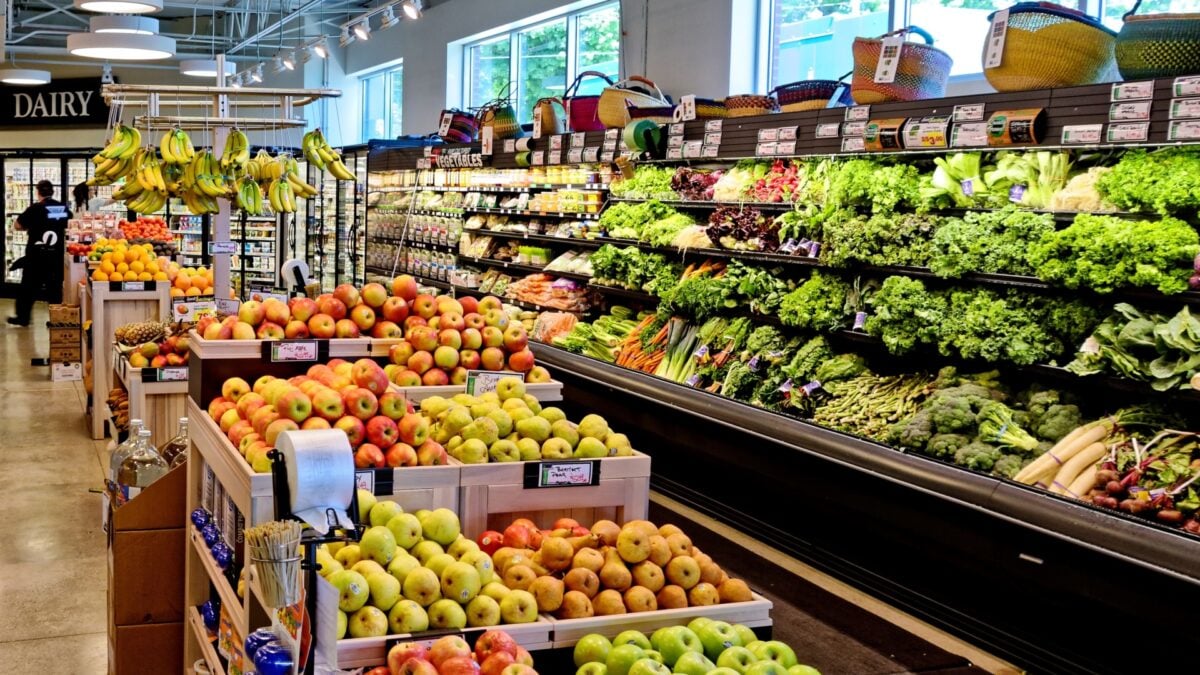
If you’ve ever proudly filled your grocery cart with colorful fruits, vegetables, and whole grains, the idea that these foods might be linked to lung cancer risk in non‑smokers feels like a punch in the gut. A recent Gizmodo report on new research has sparked exactly that kind of anxiety—especially among people who’ve done “everything right” and still worry about cancer.
Let’s take a slow, steady breath together. Nutrition science is complicated, headlines are often dramatic, and “linked to” is not the same as “causes.” In this article, we’ll unpack what this new study actually suggests, what it definitely does not prove, and how to make calm, confident choices about a healthy diet without living in fear of every bite.
“An association in an observational study does not mean one thing is causing the other. It is a starting point for more research, not a verdict on what you should eat.”
— Dr. Elena Márquez, epidemiologist (case example, 2026)
What Did the New Lung Cancer Study Actually Find?
The research highlighted by Gizmodo looked at a rise in younger lung cancer patients who never smoked. Somewhat surprisingly, the researchers observed that these patients were more likely to report diets high in:
- Fruits
- Vegetables
- Whole grains
Understandably, that sounds like “healthy foods linked to lung cancer.” But in epidemiology, a “link” or “association” just means that two things appeared together in the data. It does not automatically mean one causes the other.
At the time of writing (April 2026), the emerging consensus among experts is:
- The study raises an interesting and important question.
- The findings may be influenced by confounding factors (more on that soon).
- There is no strong body of evidence showing that fruits, vegetables, or whole grains increase lung cancer risk in non‑smokers.
Why “Linked To” Does Not Mean “Caused By”
One of the hardest parts of reading health news is translating statistical language into everyday meaning. When a study says fruits and vegetables are “linked to lung cancer in non‑smokers,” that usually means:
- Researchers observed people’s diets and health outcomes.
- They noticed that higher intake of certain foods was more common in those with cancer.
- They used statistical models to estimate how strong that association might be.
What it does not mean:
- That fruits and vegetables directly damaged lung cells.
- That changing your diet alone would definitely prevent or cause lung cancer.
- That all other explanations have been ruled out.
Other variables—called confounders—can create the appearance of a link even when diet itself isn’t the culprit. For example:
- People who eat more fruits and veggies may live in urban areas with higher air pollution.
- Health‑conscious people are more likely to get regular scans, meaning cancers are detected more often and earlier.
- Genetic factors or underlying conditions may be more common in certain health‑aware communities.
Possible Explanations: Why Would Healthy Eaters Show Higher Lung Cancer Rates?
If you’re thinking, “But why would non‑smokers who eat well get more lung cancer?”—you’re not alone. Researchers are asking the same thing. Here are some hypotheses experts are exploring, none of which have been definitively proven yet:
1. Environmental exposures
Non‑smokers can still be exposed to:
- Air pollution (fine particulate matter, nitrogen oxides)
- Radon gas in homes
- Secondhand smoke
- Occupational exposures (e.g., some industrial chemicals)
People living in dense urban areas may both:
- Be more exposed to pollution, and
- Have greater access to fresh produce and health messaging.
In statistics, that can make it look like produce is the problem, when the real issue may be what’s in the air, not what’s on the plate.
2. Detection bias
Health‑conscious people tend to see doctors more regularly, pay attention to subtle symptoms, and advocate for testing. That means:
- Cancers may be caught earlier or more often in this group.
- People with less access to care might simply go undiagnosed.
3. Underlying genetics
There are lung cancers driven by genetic mutations that happen more often in non‑smokers, particularly younger adults and some ethnic groups. Sometimes, people with a strong family history of illness become more health‑conscious, changing their diet—after their genetic risk is already set.
4. Chance and study design
Especially in relatively rare conditions, sometimes patterns emerge by chance. How researchers define “high fruit and vegetable intake,” which questionnaires they use, and how they adjust for confounders can all shift the results.
“When a single study contradicts decades of evidence, our job isn’t to panic—it’s to investigate. The weight of the overall research still favors plant‑rich diets for long‑term health.”
— Case summary of expert commentary from major cancer centers, 2024–2026
So, Should You Stop Eating Fruits, Vegetables, and Whole Grains?
Based on the totality of evidence as of 2026, the straightforward answer is: No. There is still strong support for plant‑rich eating patterns—like the Mediterranean diet—being associated with lower risk of many cancers, heart disease, and type 2 diabetes.
That said, it is absolutely valid to feel uneasy when you see headlines suggesting your healthy habits might be backfiring. I’ve worked with patients who reacted to similar stories by swinging to extremes—cutting out all carbs, living on ultra‑processed “safe” foods, or feeling paralyzed about what to eat at all.

A more grounded response is to:
- Keep eating a variety of fruits, vegetables, whole grains, and healthy fats.
- Focus on overall patterns, not single ingredients.
- Add other lung‑protective steps (we’ll cover those next).
- Stay curious about new research without letting each headline dictate your entire diet.
Evidence‑Based Ways Non‑Smokers Can Protect Their Lungs
While the fruit‑and‑veggie connection is still uncertain, several well‑established factors affect lung cancer risk in non‑smokers. Focusing on these can give you a greater sense of agency.
1. Know your home’s radon level
Radon is a naturally occurring radioactive gas and a leading cause of lung cancer in non‑smokers. It’s invisible and odorless, but:
- Simple test kits are available in many hardware stores or through local health departments.
- If levels are high, mitigation professionals can improve ventilation and sealing.
2. Reduce secondhand smoke and indoor pollutants
- Make your home and car completely smoke‑free.
- Use exhaust fans when cooking, especially with gas stoves.
- Avoid frequent indoor burning of candles or incense in poorly ventilated spaces.
3. Protect yourself from outdoor air pollution
You may not control the city’s air, but you can:
- Exercise away from busy roads when possible.
- Check local air quality indexes and limit intense outdoor activity on high‑pollution days.
- Consider a HEPA air purifier for your bedroom or main living area.
4. Stay up to date on screenings—when appropriate
Currently, most formal lung cancer screening guidelines are aimed at older adults with a significant smoking history. But non‑smokers with:
- Strong family history of lung cancer, or
- Known high‑risk genetic markers
should talk with their clinicians about whether earlier or different monitoring might make sense.

How to Eat Well Without Panic: Practical Nutrition Steps
You don’t need to redesign your entire diet because of one unsettling headline. But if this news has prompted you to re‑examine your habits, you can channel that energy into a balanced, sustainable approach.
1. Emphasize variety in plant foods
- Mix different colors: leafy greens, orange vegetables, red/purple berries, white onions and garlic.
- Rotate whole grains: oats, brown rice, quinoa, barley, whole‑wheat pasta.
- Include legumes: beans, lentils, chickpeas, soy foods.
2. Balance plants with protein and healthy fats
A plate that supports overall health typically includes:
- ½ plate: vegetables and/or fruit
- ¼ plate: whole grains or starchy vegetables
- ¼ plate: protein (fish, poultry, beans, tofu, eggs, etc.)
- A drizzle of healthy fat (olive oil, avocado, nuts, seeds)
3. Avoid the trap of “health halo” foods
Some ultra‑processed products are marketed as “veggie‑based” or “whole‑grain” but still high in salt, sugar, and additives. Focus more on:
- Minimally processed foods you recognize.
- Home‑cooked meals when your schedule allows.
- Frozen fruits and vegetables as a budget‑friendly, nutritious backup.
4. Check your emotional response
If you notice yourself feeling guilty, panicked, or afraid of “doing nutrition wrong,” pause. Your mental relationship with food is part of health too. It’s okay to feel unsettled and to give yourself time to absorb new information.

Common Obstacles When Headlines Clash With Your Habits
When news stories question long‑held advice, people often hit similar roadblocks. Naming them can make them easier to navigate.
“I feel betrayed by health advice.”
You might feel like the rules keep changing. In reality, the core patterns (move more, don’t smoke, eat more plants than ultra‑processed foods, sleep well) have stayed fairly stable. What shifts are the details as we refine our understanding.
“If even healthy food might be bad, why bother?”
It’s tempting to throw up your hands. But health isn’t all‑or‑nothing. Even if nutrition can’t guarantee you’ll avoid disease, it can:
- Shift probabilities in your favor.
- Improve energy, mood, and day‑to‑day quality of life.
- Support better outcomes if illness does occur.
“I don’t know who to trust.”
Consider giving more weight to:
- Reputable cancer and public health organizations.
- Registered dietitians and clinicians with oncology or epidemiology experience.
- Sources that acknowledge uncertainty and rarely promise miracles.
How This Fits Into the Bigger Picture of Cancer Research
Cancer science in 2026 is rapidly evolving. We’re learning more about:
- How genetics interact with environment and lifestyle.
- Why some non‑smokers, especially younger adults, develop lung cancer.
- How immune responses and inflammation play a role in cancer development.
New studies—like the one spotlighted by Gizmodo—are pieces of a much larger puzzle. Over the next few years, researchers will likely:
- Try to replicate the findings in other populations.
- Use more precise dietary measurements (not just memory‑based questionnaires).
- Explore molecular mechanisms, if any, that might connect diet patterns and specific tumor types.
Until we have that depth of understanding, most major guidelines will continue to emphasize:
- Not smoking or vaping.
- Reducing exposure to known carcinogens (like radon and certain workplace chemicals).
- Maintaining a healthy weight and staying physically active.
- Following a balanced, plant‑forward diet.
“In public health, we rarely make sweeping reversals based on one study. We integrate new findings cautiously, watch for patterns across many studies, and update recommendations when the evidence truly shifts.”
— Public health policy perspective, summarized 2025–2026
Bringing It All Together: Calm, Informed Choices Going Forward
It’s completely understandable to feel rattled by headlines that suggest your fruits, vegetables, and whole grains might be linked to lung cancer in non‑smokers. But the best available evidence still supports these foods as part of an overall healthy pattern—not as villains.
Where you do have clear leverage is in:
- Minimizing exposure to known lung carcinogens (smoke, radon, certain pollutants).
- Staying engaged with routine medical care and speaking up about persistent symptoms.
- Maintaining a balanced, mostly home‑cooked, plant‑forward diet without obsessing over perfection.
You don’t need to be a statistician or oncologist to take good care of yourself. You only need to be willing to:
- Hold space for uncertainty.
- Remember that single studies are chapters, not the whole book.
- Focus on steady, sustainable habits over time.
If this topic hits close to home—because you’re a non‑smoker with lung cancer in your family, or you’re living with cancer yourself—consider bringing the study up at your next appointment. A trusted clinician can help translate emerging research into guidance tailored to your specific risk and needs.
Your next step today:
- Pick one action from this article—testing your home for radon, planning a balanced dinner, scheduling a check‑up—and put it on your calendar. Small, concrete moves matter more than worrying about every headline.
