
8 Dietitian-Approved Foods to Nourish Your Eyes and Support Lifelong Vision
After a long day of staring at screens, driving, and reading tiny text, it’s no wonder your eyes can feel tired or strained. Many people worry about preserving their vision as they age, and while there’s no magic food that guarantees perfect eyesight, your daily diet really can make a meaningful difference for eye health over time.
In this article, we’ll explore eight of the best foods for eye health, based on current nutrition science and dietitian insight. You’ll learn what nutrients matter most for your eyes, how to get them from real food, and how to work these foods into meals you actually enjoy—without relying on carrots alone.
This is not about quick fixes. It’s about building sustainable eating habits that help protect your vision alongside regular eye exams, good screen habits, and medical care when needed.
Why Eye-Healthy Foods Matter More Than You Think
Eye conditions like age-related macular degeneration (AMD), cataracts, dry eye, and computer eye strain are increasingly common. While genetics and age play big roles, research shows that certain nutrients can help protect the retina, support the macula (the part of the eye responsible for central vision), and defend against oxidative stress and inflammation.
The key nutrients for eye health include:
- Vitamin A and carotenoids (like beta-carotene) for night vision and the cornea.
- Lutein and zeaxanthin, antioxidants that concentrate in the macula and may help protect against AMD.
- Omega-3 fatty acids, especially DHA, which is found in high amounts in the retina.
- Vitamin C, vitamin E, and zinc, which help combat oxidative damage.
- Hydrating and anti-inflammatory foods that support tear film and overall eye comfort.
A Closer Look at Eye-Healthy Foods
:max_bytes(150000):strip_icc()/8-Best-Foods-for-Eye-Health-ce2a68c3291a41ddb007f493e4106d7d.jpg)
Instead of focusing on a single “superfood,” the most protective pattern for your eyes looks a lot like a Mediterranean-style diet: plenty of colorful vegetables and fruits, healthy fats (especially from fish and olive oil), nuts, seeds, and whole grains.
1. Leafy Greens: Spinach, Kale & Collards
Dark leafy greens are powerhouses of lutein and zeaxanthin, the plant pigments that give them their deep green color. These pigments act like internal sunglasses for your eyes, concentrating in the macula and helping filter high-energy blue light.
“In clinic, I often see that people who follow a Mediterranean-style eating pattern with plenty of leafy greens tend to have better long-term macular health. It’s not a cure, but it’s a strong protective factor.”
— Registered Dietitian specializing in ocular nutrition
How to add more leafy greens:
- Add a handful of spinach or kale to smoothies with berries and yogurt.
- Stir chopped greens into soups, stews, or pasta just before serving.
- Use mixed greens as a base for grain bowls with beans, roasted veggies, and olive oil.
2. Fatty Fish: Salmon, Sardines & Mackerel
Fatty fish provide omega-3 fatty acids, especially DHA, which is a major structural fat in the retina. Adequate omega-3 intake has been linked to a lower risk of dry eye symptoms and may play a role in supporting retinal health.

Simple ways to include fatty fish:
- Use canned salmon or sardines on whole-grain toast with avocado and lemon.
- Bake salmon with olive oil, herbs, and vegetables for an easy sheet-pan dinner.
- Add grilled mackerel or trout to salads or grain bowls.
3. Eggs: Especially the Yolks
Egg yolks contain lutein, zeaxanthin, vitamin A, and healthy fats—all important for the eyes. Interestingly, the lutein and zeaxanthin in eggs may be particularly well absorbed because of the fat naturally present in the yolk.
Easy egg ideas for eye health:
- Make a veggie omelet with spinach and tomatoes.
- Top grain bowls or avocado toast with a soft-boiled or poached egg.
- Prep hard-boiled eggs for quick, protein-rich snacks.
“For many of my patients, swapping sugary breakfasts for eggs with veggies is a realistic shift that supports both blood sugar and eye health.”
— Clinical Dietitian
4. Orange & Yellow Vegetables: Carrots, Sweet Potatoes & Squash
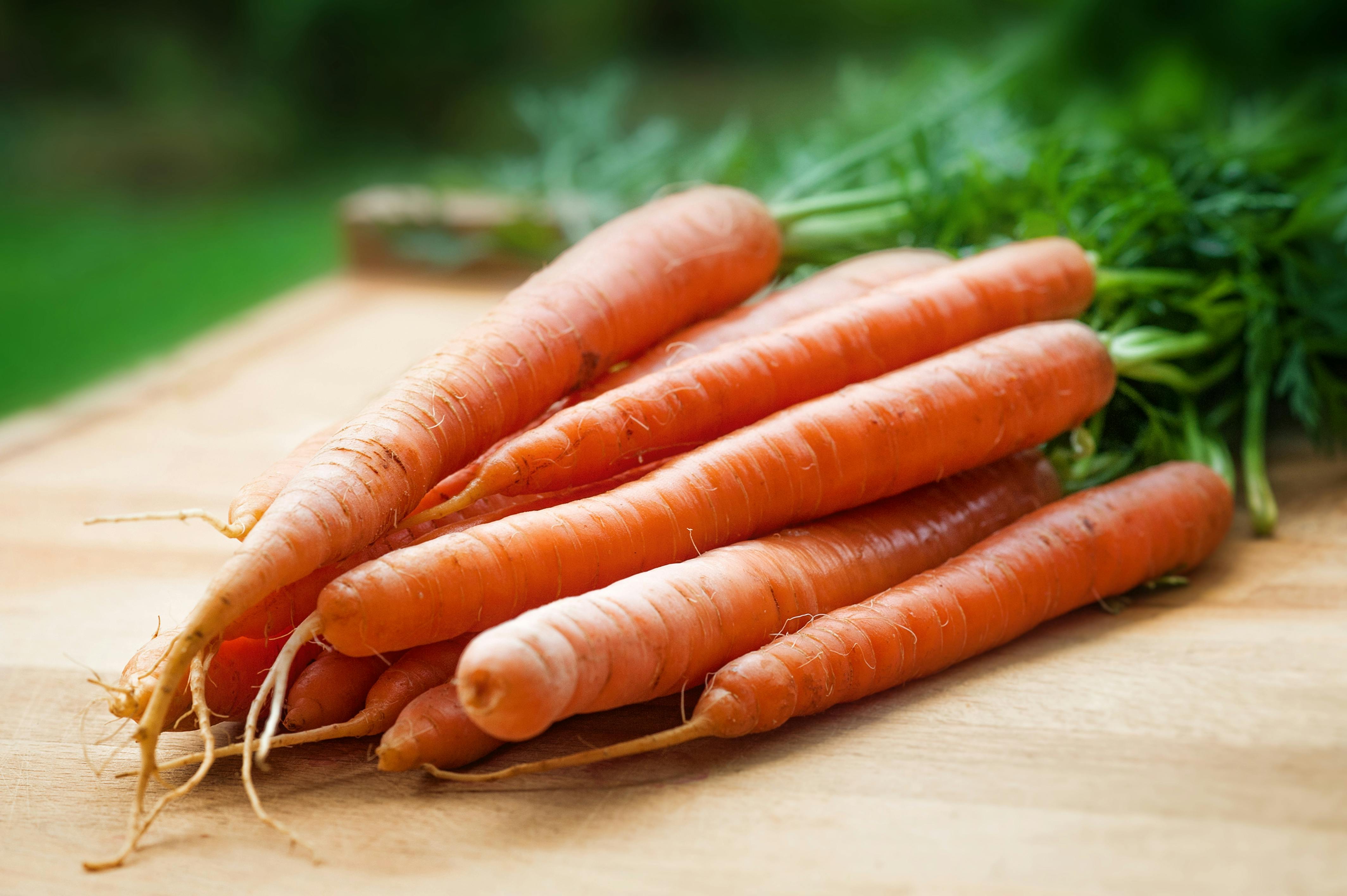
Carrots earned their reputation for a reason: they’re rich in beta-carotene, a precursor to vitamin A, which your body needs for night vision and a healthy cornea. But they’re not alone—sweet potatoes, butternut squash, and pumpkin offer similar benefits.

Simple ways to enjoy orange veggies:
- Roast carrot and sweet potato wedges with olive oil, garlic, and herbs.
- Puree roasted butternut squash into soups or sauces.
- Grate carrots into salads, stir-fries, or muffin batter.
5. Citrus Fruits & Berries
Citrus fruits (like oranges, grapefruit, and lemons) and berries (such as strawberries and blueberries) are rich in vitamin C and other antioxidants. Vitamin C helps protect the tiny blood vessels in the eyes and contributes to collagen formation in the cornea.
Ways to get more vitamin C–rich fruits:
- Add berries to yogurt, oatmeal, or salads.
- Snack on an orange or clementine instead of a sugary treat.
- Squeeze fresh lemon into water, dressings, and marinades.
6. Nuts & Seeds: Almonds, Walnuts & Chia
Nuts and seeds provide healthy fats, vitamin E, and plant-based omega-3s. Vitamin E helps protect eye cells from oxidative damage, while omega-3s support tear quality and overall eye comfort.
Practical nut and seed ideas:
- Sprinkle chia or ground flaxseed over yogurt, cereal, or salads.
- Keep a small container of unsalted mixed nuts for on-the-go snacks.
- Use nut butters on whole-grain toast or apple slices.
7. Legumes & Whole Grains
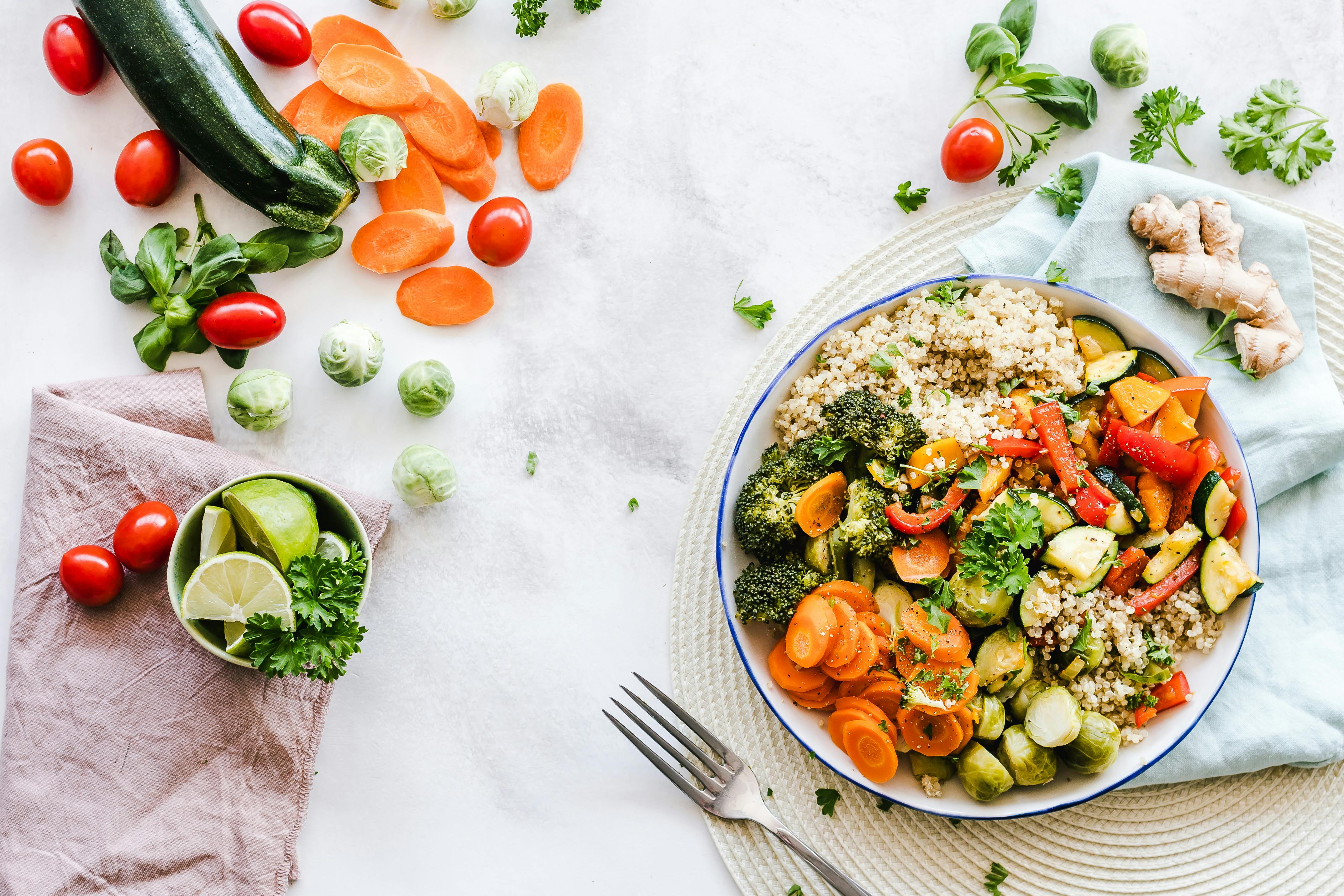
Beans, lentils, chickpeas, and whole grains like oats, quinoa, and brown rice provide zinc, B vitamins, and steady-release carbohydrates. Zinc helps transport vitamin A from the liver to the retina and supports the pigment melanin, which protects the eye.
Easy ways to include legumes and whole grains:
- Add black beans or lentils to salads, soups, and tacos.
- Choose whole grains (like brown rice or quinoa) instead of refined grains when possible.
- Use hummus as a dip or sandwich spread.
8. Colorful Peppers & Tomatoes
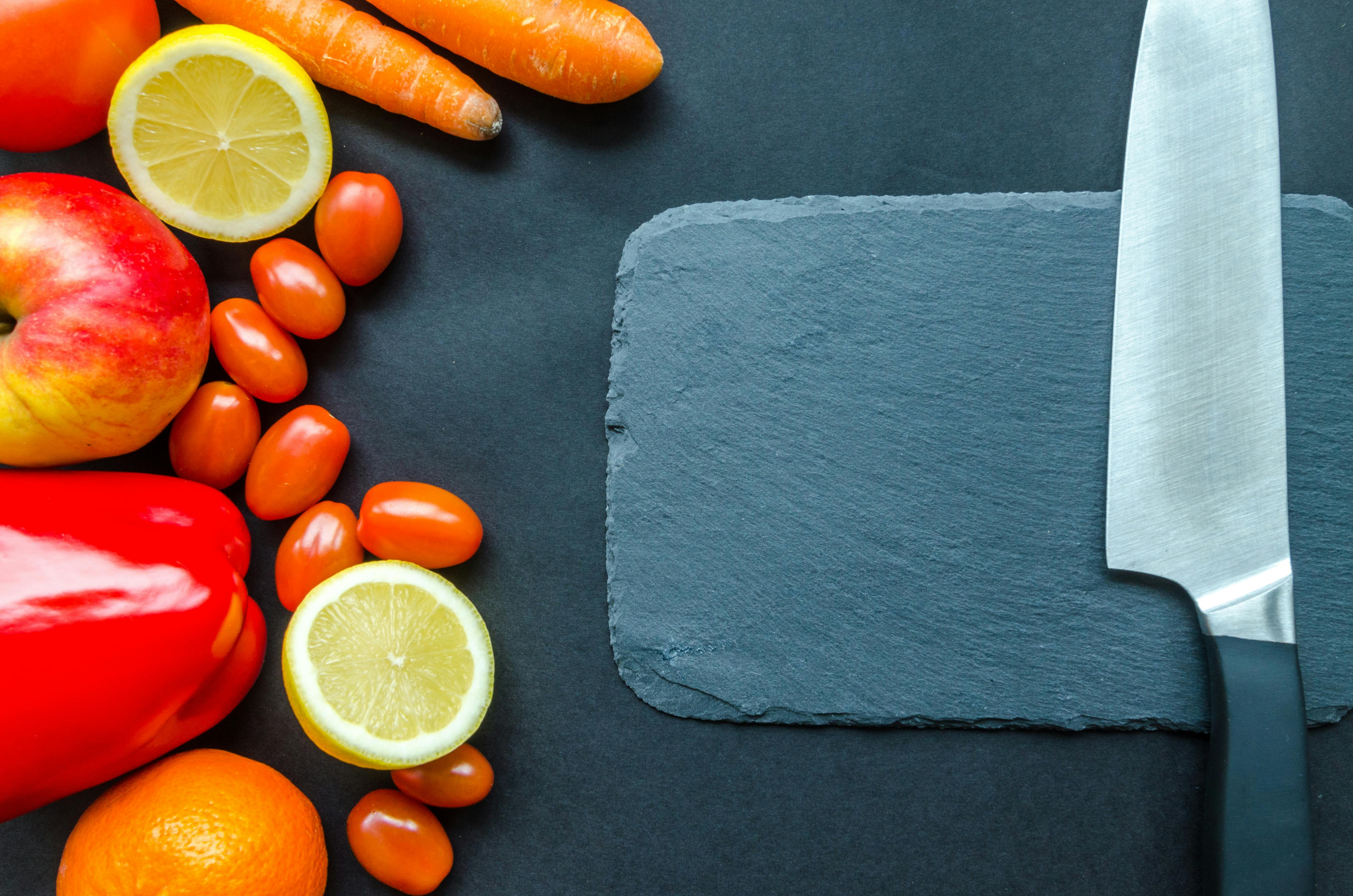
Bell peppers, especially red and yellow varieties, are high in vitamin C and other antioxidants. Tomatoes contain lycopene, which may help protect against oxidative damage in eye tissues.
How to enjoy more peppers and tomatoes:
- Sauté peppers and onions as a base for eggs, tacos, or grain bowls.
- Add cherry tomatoes to salads, pasta, or sheet-pan meals.
- Use tomato-based sauces made with olive oil and herbs.
Common Obstacles—and How to Work Around Them
Eating for eye health doesn’t have to mean a perfect diet. It’s about small, consistent upgrades. Some common challenges include limited time, picky tastes, or budget constraints.
Strategies that help in real life:
- Short on time? Use frozen vegetables and pre-washed greens—they’re often just as nutritious as fresh.
- Picky about fish? Try milder options like salmon or trout with familiar flavors (lemon, garlic, herbs), or start with canned tuna or salmon.
- On a tight budget? Prioritize beans, lentils, frozen veggies, eggs, and in-season produce; these often give the most nutrition per dollar.
“When one of my clients with early macular changes focused on adding just one eye-healthy food to each meal—like berries at breakfast, leafy greens at lunch, and beans at dinner—her diet quality improved dramatically over six months. It wasn’t about perfection, just steady progress.”
Putting It All Together: A Day of Eye-Healthy Eating
Here’s an example of how these foods can fit into a normal day. This isn’t a prescription—just inspiration you can customize.
- Breakfast: Scrambled eggs with spinach and tomatoes, whole-grain toast with avocado, and a side of berries.
- Lunch: Quinoa salad with kale, chickpeas, roasted peppers, olive oil, and lemon; orange slices on the side.
- Snack: A small handful of mixed nuts and seeds, plus carrot sticks.
- Dinner: Baked salmon with roasted sweet potatoes and broccoli, plus a green salad.
What the Research Says About Food and Eye Health
Large studies, including the Age-Related Eye Disease Studies (AREDS and AREDS2), have shown that certain nutrient combinations can slow progression of advanced AMD in some people. These typically include vitamin C, vitamin E, zinc, copper, lutein, and zeaxanthin. These findings help explain why diets rich in these nutrients appear protective.
That said, supplements used in these studies were for people with specific eye diseases under medical care. For most generally healthy adults, an overall nutrient-dense diet is the foundation, and supplements—if needed—should be chosen with your eye doctor or healthcare provider.
For more in-depth reading, see:
Supporting Your Vision, One Meal at a Time
Your eyes are working for you from the moment you wake up until you finally shut them at night. While we can’t control every factor that affects vision, we can choose foods that nourish and protect our eyes over the long haul.
You don’t need to overhaul your diet overnight. Instead, choose one or two of the foods on this list and find realistic ways to add them to meals you already enjoy. Over time, those small, steady changes can add up to meaningful support for your eye health.
Your next step: Pick one meal tomorrow and add at least one eye-healthy food—like leafy greens, fatty fish, or citrus. Then build from there, alongside regular eye exams and good screen habits.
