
6 science-backed exercises that support life with Parkinson’s (beyond the pill bottle)
Why movement matters so much in Parkinson’s
Living with Parkinson’s can feel unpredictable. One day your medications seem to work well; the next day, stiffness, slowness or tremor take center stage again. It’s frustrating, and it can be scary. But over the last decade, researchers and clinicians have been uncovering something encouraging: the right kinds of exercise can change how many people experience Parkinson’s — not as a cure, but as a powerful partner to medication.
A growing number of studies, including work highlighted by major health outlets such as The Washington Post, suggest that targeted movement may help with walking, balance, mood, and even thinking skills in people living with Parkinson’s disease. Exercise appears to offer benefits that pills, tablets and patches simply can’t replicate, especially when it becomes a regular, long-term habit.
In this guide, we’ll walk through six science-backed exercises that may help people with Parkinson’s, how to get started safely (at any stage), and simple ways to navigate the very real obstacles — fatigue, fear of falls, low motivation — that can get in the way.

The challenge: When moving feels harder, exercise is harder to start
Parkinson’s disease affects the brain circuits that coordinate movement. That often shows up as:
- Slowness and stiffness (bradykinesia and rigidity)
- Shuffling gait, freezing of gait, or difficulty turning
- Changes in balance and posture
- Tremor and muscle cramps
- Fatigue, apathy, and low mood
Ironically, the very symptoms that make exercise helpful also make it harder to do. Many people tell their doctors, “I know I should move more, but I’m too tired, too stiff, or too afraid of falling.” That’s a valid concern — and it’s where structured, Parkinson’s-informed exercise comes in.
“Exercise should always be part of the prescription for Parkinson’s. We now consider it a core treatment, not an optional extra.”
— A movement-disorder neurologist quoted in coverage summarized by The Washington Post
Research doesn’t support a “miracle workout,” but it does point to certain exercise types — especially when done consistently and at an appropriate intensity — that may slow functional decline and improve day-to-day life with Parkinson’s.
How exercise helps people with Parkinson’s: what the science suggests
Exercise appears to help Parkinson’s symptoms through multiple pathways:
- Neuroplasticity: Intense, repetitive movement may help the brain strengthen alternative pathways for movement and balance.
- Dopamine efficiency: Activity may help the brain use available dopamine more effectively, though it doesn’t replace lost cells.
- Muscle and joint health: Stronger, more flexible muscles can compensate for some motor symptoms.
- Cardiovascular fitness: Better blood flow supports overall brain health and energy.
- Mood and sleep: Exercise can ease anxiety and depression and improve sleep quality, which indirectly supports movement.
Large trials and smaller clinical studies have found that people with Parkinson’s who engage in regular, structured exercise often show improvements in walking speed, balance, quality of life scores, and in some cases, slower progression of motor disability compared with those who remain sedentary. These are averages, not guarantees, but they’re meaningful.
6 science-backed exercises that may help with Parkinson’s
Below are six categories of exercise commonly recommended by neurologists and physical therapists for Parkinson’s disease, each supported by research and clinical experience. There’s no single “best” choice — the most effective program is often a mix that you can stick with and that feels safe for your body.
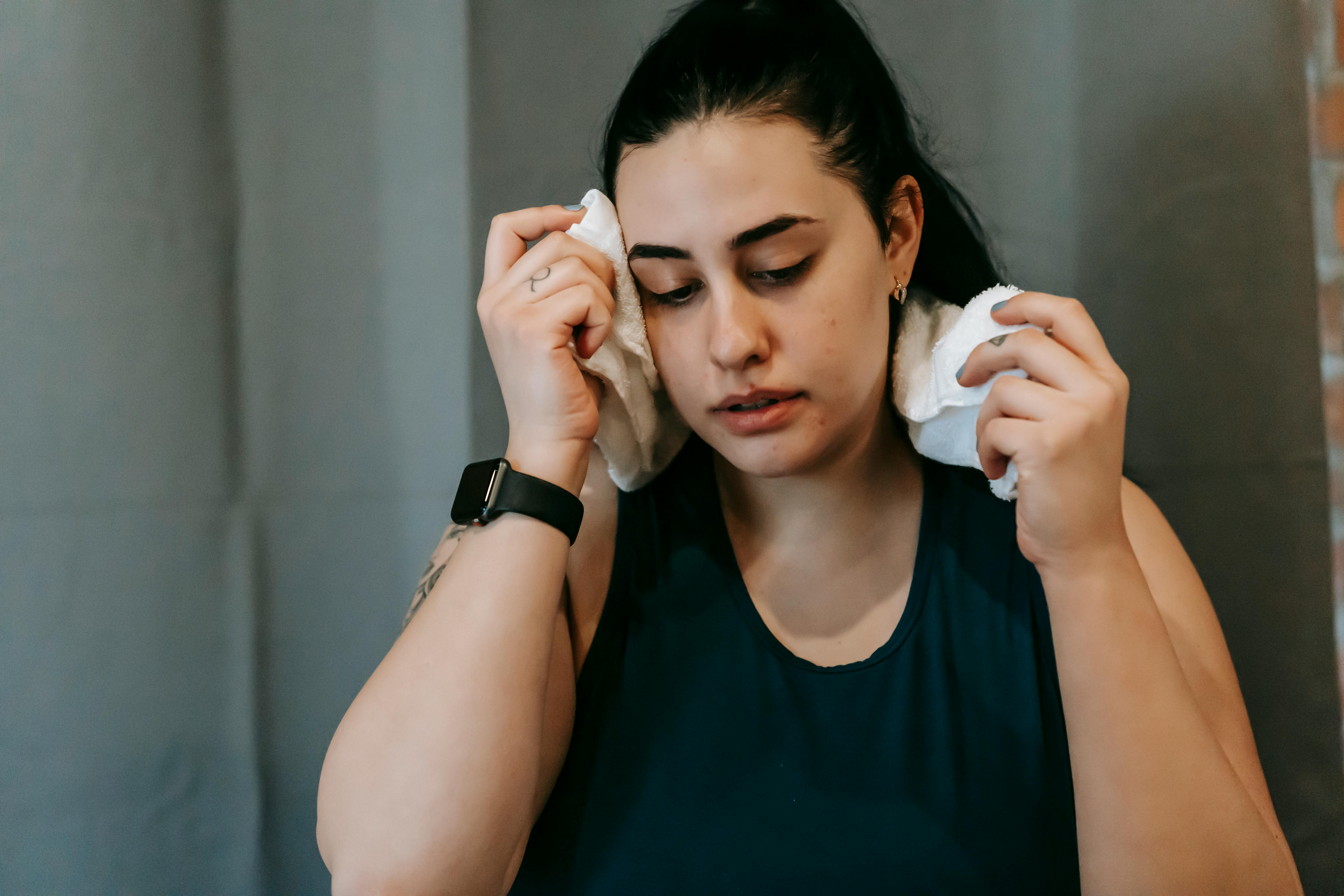
1. Aerobic exercise: brisk walking, cycling, or treadmill training
Aerobic (cardio) exercise — anything that safely raises your heart rate and breathing — is one of the most studied movement therapies in Parkinson’s. Activities include:
- Brisk outdoor or indoor walking (with a partner, poles, or treadmill rails if needed)
- Stationary or recumbent cycling
- Elliptical training or low-impact step machines
- Water walking or gentle aqua jogging
Research trials suggest that moderate to vigorous aerobic exercise, performed several times per week, may slow the worsening of motor symptoms and improve walking speed and endurance for many people with Parkinson’s.
How to get started safely
- Ask your neurologist or cardiologist if there are any heart or blood pressure limits you should observe.
- Use a stationary bike or indoor track at first if you’re worried about falls.
- Start with 10–15 minutes at a pace where you can talk but not sing, 3 days per week.
- Gradually increase to 30–40 minutes, 4–5 days per week, as tolerated.
2. Strength training: building power for everyday tasks
Strength training focuses on improving the ability of muscles to generate force — crucial for getting out of chairs, climbing stairs, and catching yourself if you stumble. For Parkinson’s, therapists typically emphasize:
- Leg muscles (quads, glutes, calves) to support walking and balance
- Core muscles to improve posture and stability
- Upper-body muscles for transfers, carrying groceries, and daily tasks
Studies indicate that progressive resistance training (using bands, weights, or body weight) can improve strength, walking performance, and even some non-motor symptoms such as fatigue and mood in people with Parkinson’s.
Simple home-friendly strength routine
- Chair sit-to-stands
- Wall push-ups or countertop push-ups
- Heel raises while holding a stable surface
- Resistance-band rows and chest presses
Aim for 2–3 strength sessions per week, with at least a day of rest between sessions for the same muscle group.
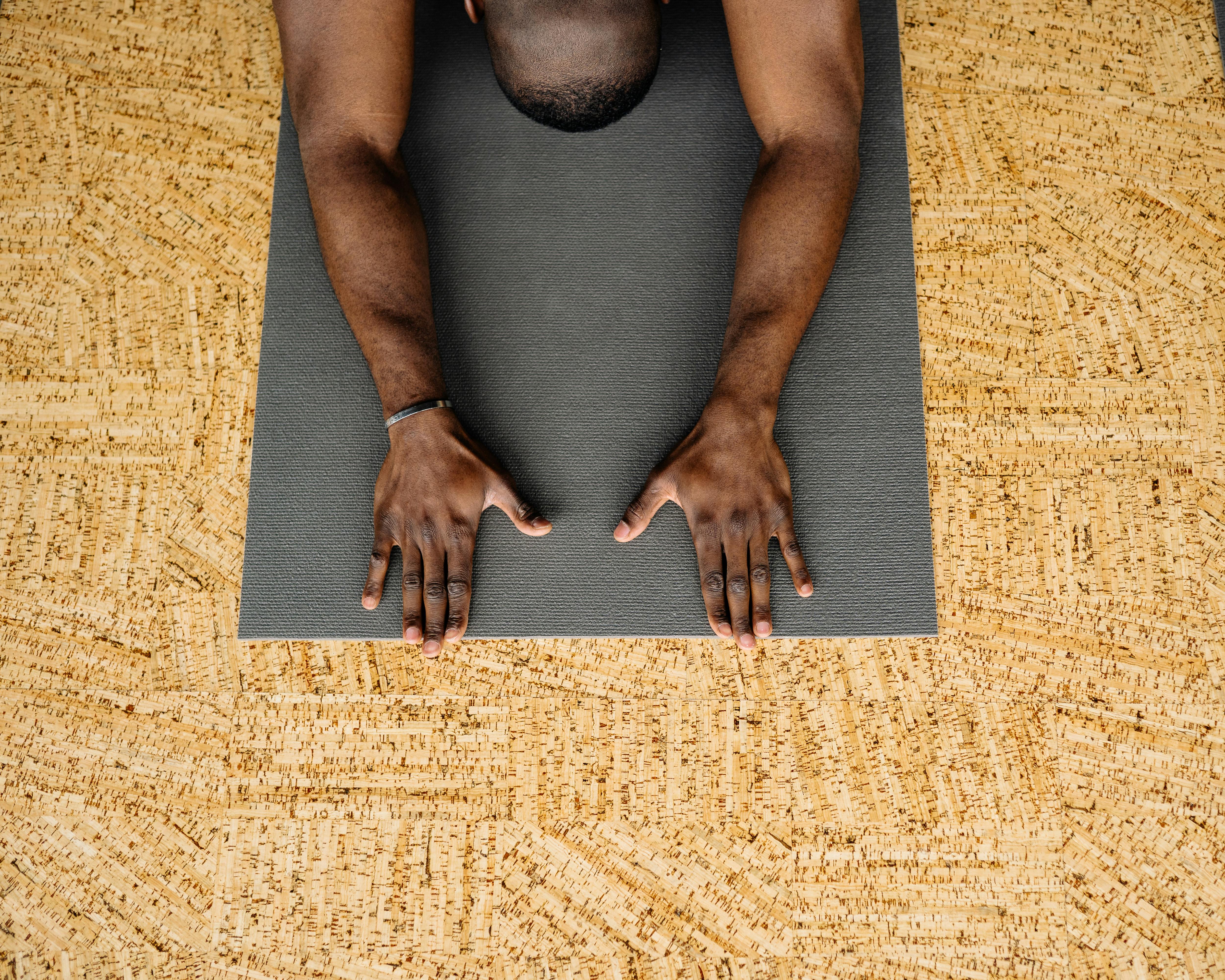
3. Balance and agility training: staying steady and confident
Parkinson’s often affects the body’s automatic balance responses, making it harder to recover from small stumbles. Targeted balance and agility training can teach your body to react more effectively and help reduce fall risk.
- Standing on different surfaces (firm floor vs. foam pad) while holding a support
- Tandem walking (heel-to-toe) along a hallway or beam, with a spotter
- Side-stepping, backward stepping, and directional changes
- Obstacle courses with cones or taped lines
Clinical programs often integrate these drills into “Parkinson’s-specific” physical therapy. Research shows that regular balance practice can improve postural stability and reduce fear of falling.
At-home balance routine (with supervision at first)
- Stand at a countertop with a sturdy chair behind you.
- Practice shifting your weight side to side and forward/back 10–15 times.
- Walk along the counter, lightly touching it, lifting your knees a bit higher than usual.
- Add gentle turns, stepping around a small obstacle if safe.
4. Flexibility and posture work: stretching away stiffness
Stiffness and a forward-flexed posture are common in Parkinson’s. Gentle stretching and posture exercises can:
- Reduce discomfort in the neck, shoulders, hips, and back
- Improve arm swing and stride length when walking
- Make breathing and swallowing a bit easier by opening the chest
Many Parkinson’s programs incorporate daily stretching routines, sometimes adapted from yoga or physical therapy protocols. While these may not dramatically change motor scores alone, they often improve comfort and ease of movement.
Daily flexibility “check-in” (5–10 minutes)
- Seated chest opener: interlace fingers behind your back (or hold a towel) and gently lift.
- Neck rotations: slowly turn head left and right within a comfortable range.
- Hip and calf stretches: while holding a counter, step one leg back and gently press the heel down.
- Wall posture: stand with your back to the wall, gently bringing the back of your head and shoulders toward the wall.

5. Skill-based activities: boxing, dance, tai chi and yoga
Some of the most exciting Parkinson’s exercise research focuses on skill-based and group activities that challenge the body and brain together. These include:
- Non-contact boxing programs designed for Parkinson’s
- Dance for PD and other adapted dance classes
- Tai chi for slow, controlled movements and balance
- Yoga for flexibility, strength, and breath work
Studies have found that tai chi, for example, can reduce falls and improve balance, while dance and boxing programs often show gains in gait, coordination, and quality of life. Participants also frequently report feeling more energized and socially connected.
“I never thought I’d be a boxer in my 70s, but the Parkinson’s boxing class gave me my stride back — and a group of friends who actually get what I’m going through.”
— Maria, living with Parkinson’s for 8 years
Choosing a class that’s right for you
- Look for programs specifically labeled “Parkinson’s” or “neuro” where instructors have extra training.
- Ask how they adapt movements for freezing, tremor, or limited mobility.
- Start with a trial class and see how you feel the next day — you should feel challenged but not wiped out.
- Consider online classes if transportation or energy are barriers.
6. Dual-task and cognitive-motor training: moving and thinking together
Many people with Parkinson’s notice that walking while talking, counting, or carrying items feels harder than doing each task alone. This “dual-task” difficulty increases fall risk in everyday life.
Research-backed programs now intentionally train movement and cognition together — for example, stepping in patterns while reciting words, or walking while responding to simple mental tasks. Over time, this can improve gait and dual-task performance.
Simple dual-task drills (with supervision)
- Walk at your comfortable pace down a hallway while naming fruits or cities.
- Practice marching in place while counting backward from 50 by ones.
- Step over small obstacles while answering easy “yes/no” questions from a partner.
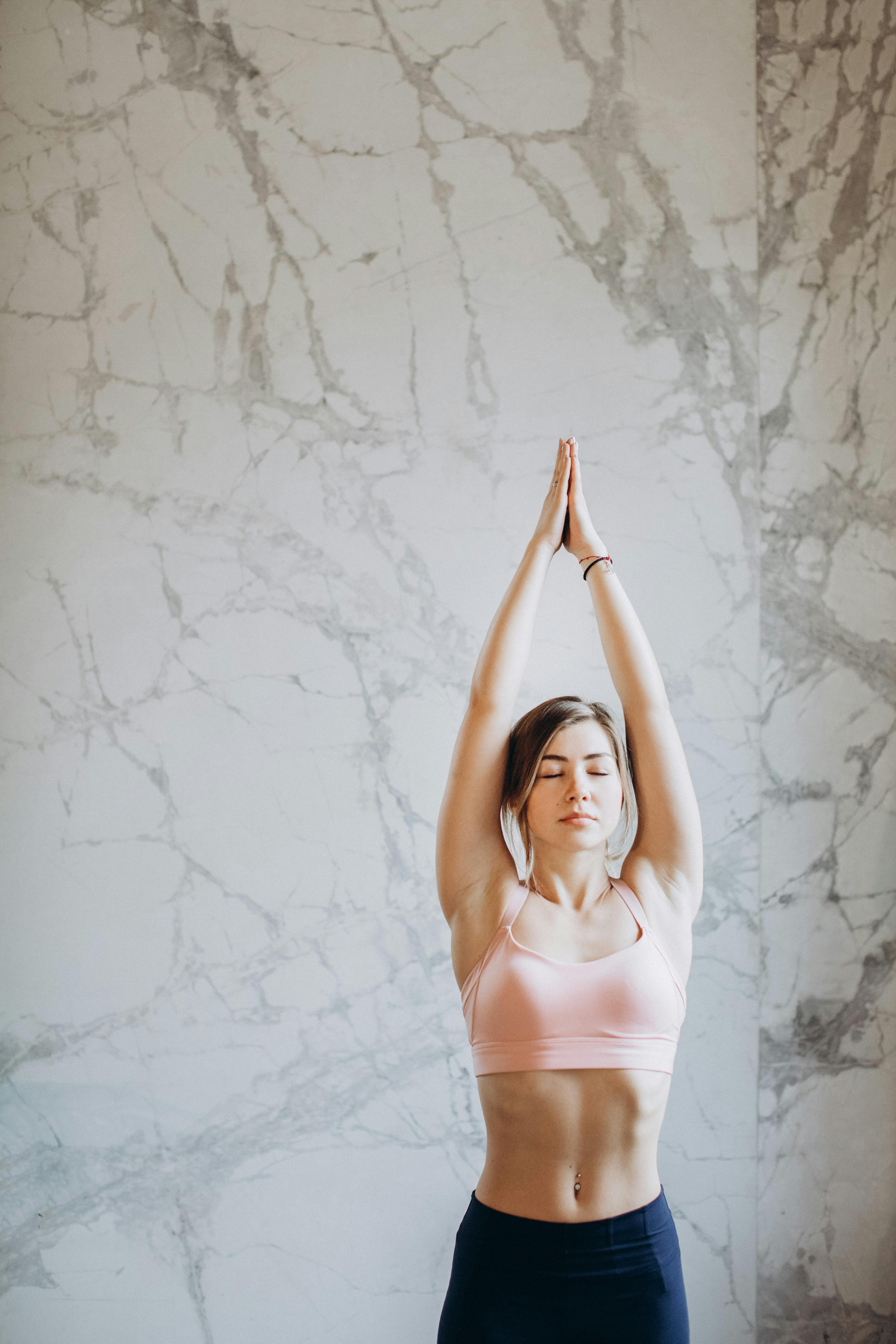
Putting it together: a sample weekly Parkinson’s exercise plan
Everyone’s situation is unique, so consider this a starting framework to discuss with your care team — not a one-size-fits-all prescription.
Example week (moderate mobility level)
- Monday: 30 minutes brisk walking or cycling + 10 minutes stretching
- Tuesday: 30 minutes Parkinson’s boxing or dance class
- Wednesday: Strength training (20–30 minutes) + short balance drills
- Thursday: Rest or gentle yoga / tai chi (20–30 minutes)
- Friday: 30–40 minutes aerobic exercise (bike, walk, or swim)
- Saturday: Dual-task practice during a 20-minute walk
- Sunday: Rest, stretching, and light household activity
If this sounds overwhelming, start smaller. Even 10 minutes of purposeful movement, done twice a day, can be a meaningful first step.
Common obstacles — and practical ways to handle them
It’s completely normal to struggle with consistency. Here are some of the most common barriers people with Parkinson’s report, along with realistic strategies to work around them.
1. “I’m too tired to exercise.”
- Try shorter bouts (5–10 minutes) spread through the day.
- Focus on low-impact options like seated cycling or gentle tai chi.
- Review sleep quality, anemia, and medication timing with your clinician.
2. “I’m afraid of falling.”
- Start with supervised sessions: physical therapy, group classes, or at home with a caregiver.
- Use stable supports (countertops, railings, walkers) without shame — they are tools, not failures.
- Avoid multitasking (like texting) while walking, especially outdoors.
3. “I lose motivation quickly.”
- Schedule exercise like a medical appointment — it is treatment.
- Pair movement with something you enjoy (music, a favorite podcast, or a friend).
- Track small wins: number of steps, minutes moved, or classes attended.
“On bad days, I tell myself I only have to start. If I still feel awful after 5 minutes on the bike, I can stop. Most days, once I’m moving, I keep going.”
— David, diagnosed with Parkinson’s at 62
What experts and guidelines recommend
Major Parkinson’s organizations and neurology societies increasingly emphasize exercise as a core component of care. While specific recommendations evolve as new studies appear, general themes include:
- Engage in at least 150 minutes per week of moderate-intensity aerobic activity, if safely possible.
- Include strength training 2–3 times per week.
- Add balance, flexibility, and functional training several days per week.
- Start early in the disease course and maintain exercise across all stages, with adaptations.
Clinicians now often write “exercise prescriptions,” specifying type, frequency and intensity, just like medications. If your current care team hasn’t discussed this with you yet, it’s reasonable to ask directly: “What kind of Parkinson’s-specific exercise program do you recommend for me?”
Medication vs. movement: working together, not against each other
It’s tempting to compare medications and exercise as if you have to choose one. In reality, they target different pieces of the Parkinson’s puzzle and often work best together.
| Medication | Exercise |
|---|---|
| Acts directly on brain chemistry (especially dopamine) | Influences brain networks, muscles, joints, heart, and mood |
| Often provides relatively fast symptom relief | Builds benefits gradually over weeks to months |
| Can cause side effects (nausea, dyskinesias, blood pressure changes) | Side effects usually limited to soreness or fatigue when done appropriately |
| Dosing and timing controlled by your prescriber | Dosing and timing can be shaped around your life and “on/off” cycles |
Instead of thinking “pills or push-ups,” many experts now talk about a “Parkinson’s toolkit” that includes both medical and movement therapies, tailored to your changing needs.
Taking your next step — literally and figuratively
Parkinson’s can understandably make the future feel uncertain. While exercise can’t erase that uncertainty, it can give you something tangible to work with — a way to influence how you move, think, and feel today and in the years ahead.
You don’t need a perfect plan, fancy equipment, or a gym membership to begin. You just need a starting point that feels realistic for you.
A gentle, three-step call to action
- Pick one small action you can do in the next 48 hours — a 10-minute walk, a phone call to a physical therapist, or trying three stretches from this article.
- Tell someone you trust — a partner, friend, or support group — what you plan to do, and ask them to check in with you.
- Notice how you feel afterward, even if it’s subtle: slightly looser, a bit more awake, or just proud that you tried.
Over time, those small, repeatable steps can add up to meaningful changes in how you live with Parkinson’s. Movement won’t take this journey away from you, but it can make the road a little steadier — and you don’t have to walk it alone.
