
5 Morning Moves That Rebuild Strength After 55 Faster Than Most Gym Machines
One of the most common things I hear from clients over 55 is, “I didn’t realize how much strength I’d lost until I tried to get off the floor without holding onto something.” Losing strength with age rarely hits all at once—it sneaks up in everyday moments: carrying groceries, going downstairs, standing up from the couch.
The good news is you don’t need a room full of gym machines to turn this around. With just five carefully chosen morning exercises, you can start restoring full-body strength, improving balance, and waking up your joints in a way that feels gentle, not punishing.
These movements are inspired by Pilates and functional training—designed to support how you actually move in daily life. They focus on:
- Core strength that protects your back
- Hip and leg power for walking, stairs, and balance
- Upper-body strength for lifting, pushing, and pulling
- Joint-friendly mobility so you feel less “stiff” in the morning
“For adults over 55, consistent bodyweight and Pilates-style exercises often build more usable, everyday strength than sitting on machines. You train balance, coordination, and stabilizing muscles that machines simply don’t reach.”
— Board-Certified Physical Therapist, Healthy Aging Specialist
Why Morning Strength Exercise Matters After 55
After about age 50, most adults lose 1–2% of muscle per year if they aren’t doing regular resistance training. This age-related muscle loss (sarcopenia) affects more than how you look—it impacts how easily you can:
- Get in and out of chairs or cars
- Climb stairs without feeling wiped out
- Catch yourself if you trip or lose balance
- Carry laundry, groceries, or grandkids
Morning is a powerful time to train because:
- It sets your posture and movement pattern for the entire day.
- You’re less likely to skip it compared with evenings when you’re tired.
- Gentle movement in the morning can reduce stiffness and joint achiness.
Your 5-Move Morning Strength Routine (No Machines, No Equipment)
This routine takes about 10–15 minutes. You can do it on a yoga mat, carpet, or firm bed (for some moves) if getting to the floor is difficult at first.
The five morning exercises:
- Modified Squat to Chair
- Wall or Counter Push-Up
- Bird Dog
- Standing Hip Hinge (“Good Morning”)
- Modified Side Plank (Wall or Floor)
1. Modified Squat to Chair: Rebuild Leg & Hip Strength
This move trains the exact pattern you use to stand up and sit down. It works your thighs, hips, and glutes while also improving balance.
How to do it
- Sit near the front edge of a sturdy chair, feet flat, hip-width apart.
- Lean your chest slightly forward, keeping your back long, not rounded.
- Press through your heels and stand up, squeezing your glutes at the top.
- Slowly lower back down with control; lightly touch the chair, then stand again.
Aim for 8–12 repetitions. Rest if your knees feel achy or unstable.
Make it easier
- Use your hands lightly on your thighs to help push up.
- Place a cushion on the chair to reduce the distance you stand.
- Stand only halfway if a full stand causes pain.
Make it harder
- Cross your arms over your chest instead of using your hands.
- Pause for 2–3 seconds just before you fully sit to increase muscle control.
- Eventually remove the chair and do shallow squats in open space.
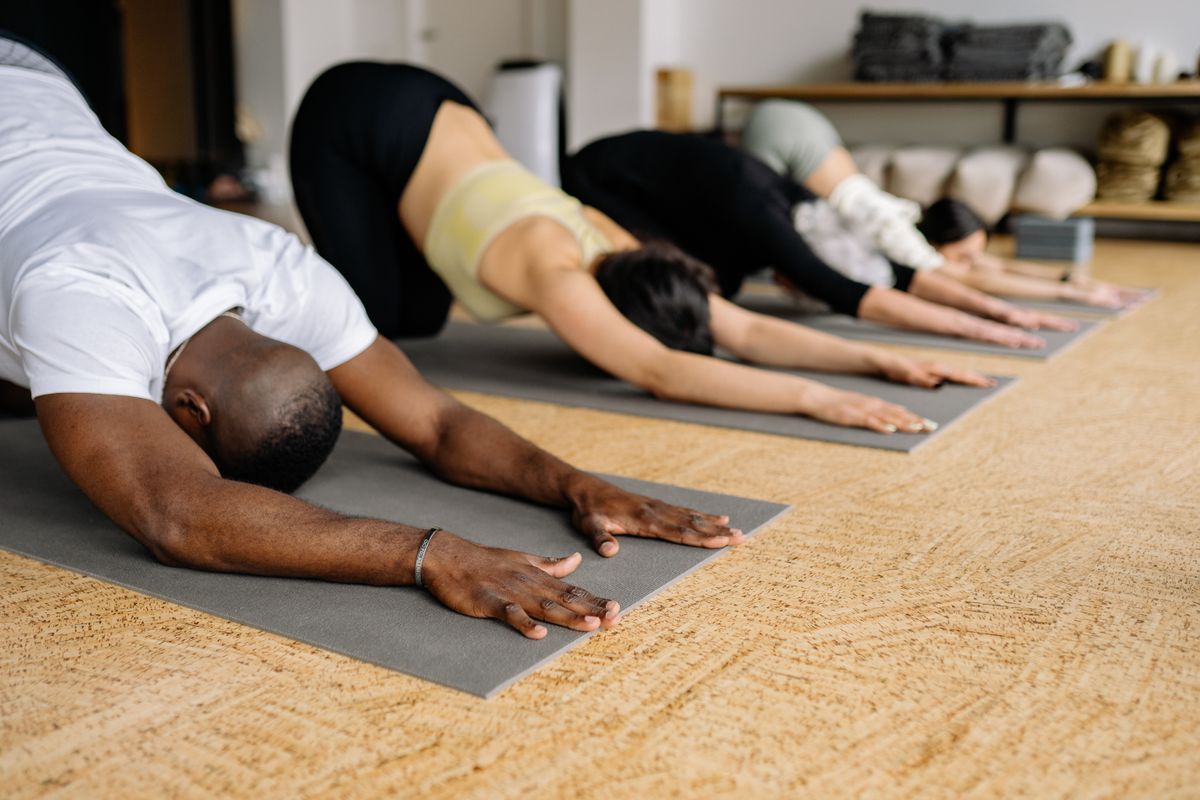
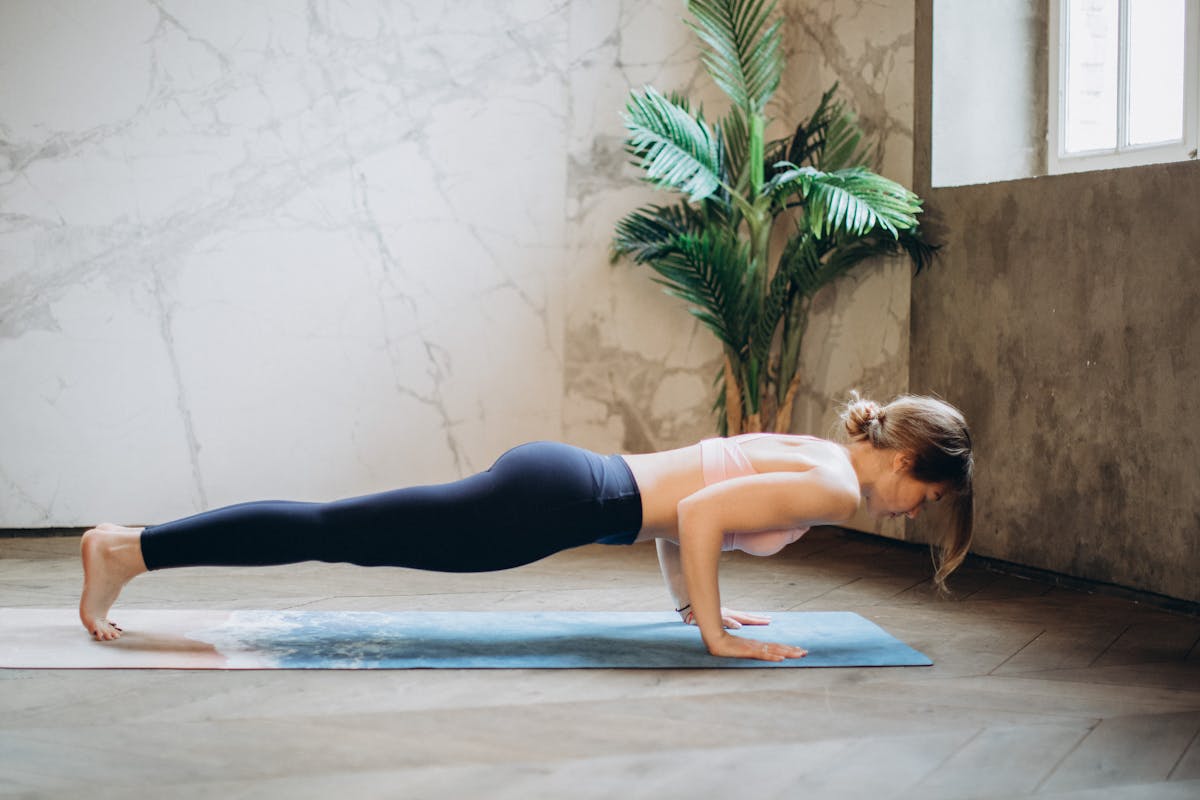
2. Wall or Counter Push-Up: Upper-Body Strength Without Strain
Push-ups on a wall or kitchen counter are one of the most joint-friendly ways to strengthen your chest, shoulders, arms, and core—especially if getting to the floor is uncomfortable.
How to do it
- Stand facing a wall or counter, arms’ length away, hands slightly wider than shoulder-width.
- Step your feet back so your body forms a straight line from head to heels.
- Inhale as you bend your elbows and bring your chest toward the wall/counter.
- Exhale as you press back to the starting position, keeping your core gently braced.
Start with 6–10 repetitions, focusing on smooth, controlled movement.
Make it easier
- Stand closer to the wall (more upright body position).
- Place hands a bit higher on the wall to reduce shoulder angle.
Make it harder
- Step your feet farther back to increase the angle.
- Use a sturdy counter instead of a wall for a deeper push-up.
- Pause for 1–2 seconds at the bottom before pushing back.
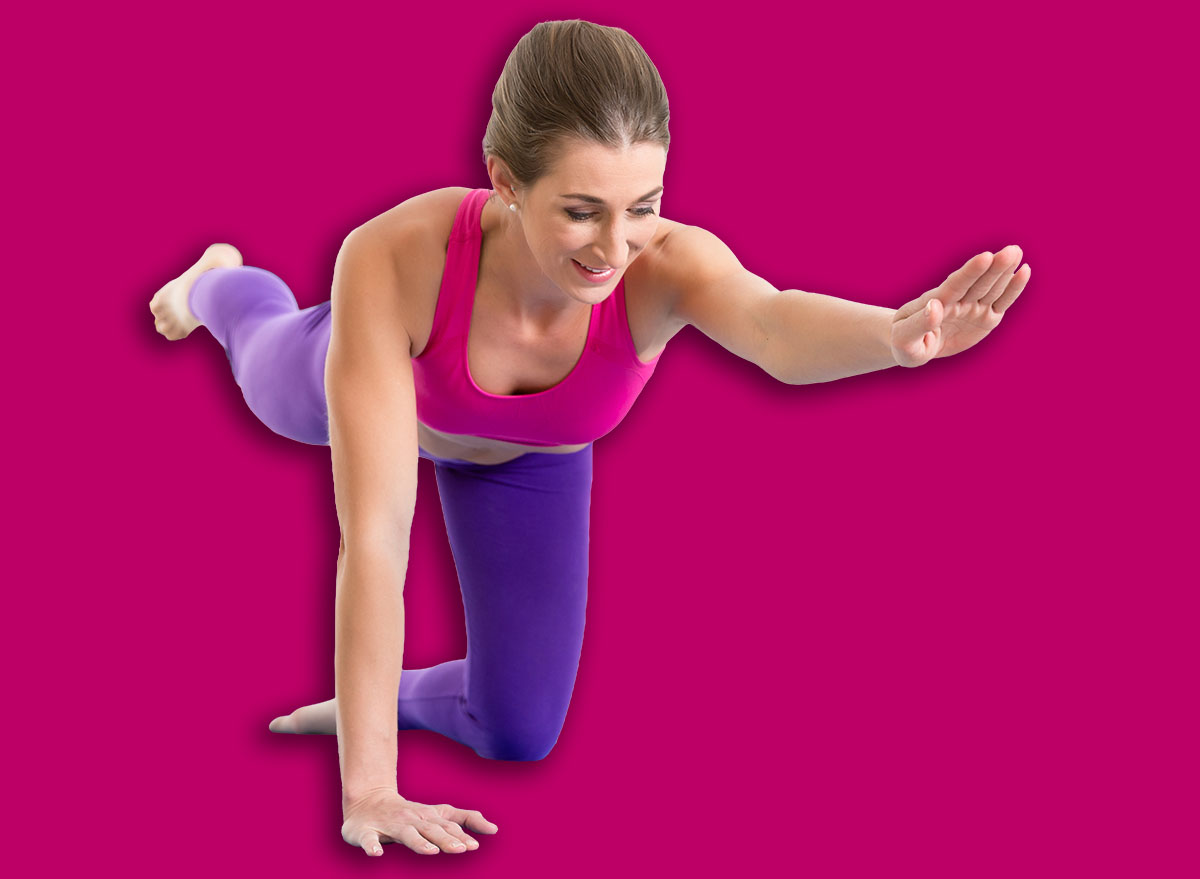
3. Bird Dog: Core & Back Strength With Balance Training
Bird dog is a classic Pilates-approved move that strengthens your core, lower back, and glutes while gently challenging your balance and coordination. It’s often safer and more effective for older adults than traditional crunches.
How to do it
- Start on hands and knees, wrists under shoulders, knees under hips. Cushion your knees if needed.
- Brace your core gently as if zipping up snug pants.
- Extend your right leg straight back and your left arm forward, keeping hips level.
- Hold for 3–5 seconds, breathing steadily.
- Return to start and switch sides.
Do 5–8 slow repetitions per side.
Make it easier
- Lift just your leg or just your arm, not both together at first.
- Keep your toes of the extended leg on the floor for extra support.
- Do a “tabletop slide”: slide your hand and opposite foot along the floor instead of lifting.
Make it harder
- Hold each position for 8–10 seconds.
- Draw tiny circles with your hand and foot while keeping your trunk completely still.
- Place a folded towel on your lower back and try not to let it fall.
4. Standing Hip Hinge (“Good Morning”): Protect Your Back When You Bend
The hip hinge trains your body to bend from the hips instead of the lower back—a vital pattern for picking things up safely. It strengthens your hamstrings, glutes, and spinal stabilizers.
How to do it
- Stand tall, feet hip-width apart, knees softly bent.
- Place your hands on your hip bones.
- Keeping your back neutral, push your hips back as if closing a car door with your backside.
- Lean your torso forward until you feel a gentle stretch in the back of your legs, not pain.
- Press through your heels and squeeze your glutes to return to standing.
Repeat 8–12 times with slow, controlled motion.
Make it easier
- Stand facing a wall and lightly touch it with your fingertips for balance.
- Do a smaller range of motion (keep your torso more upright).
Make it harder
- Hold light hand weights or a filled water bottle at your chest.
- Pause for 2 seconds at the bottom of the hinge.
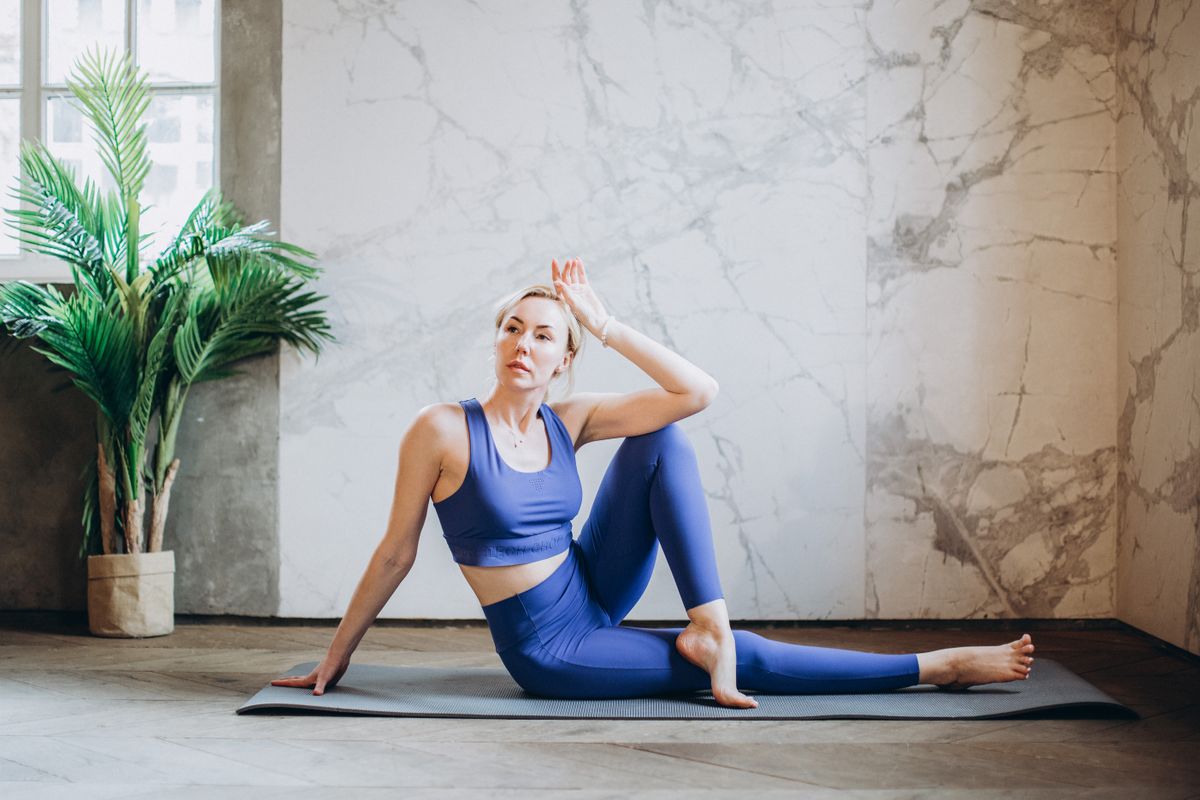
5. Modified Side Plank: Lateral Strength & Balance Support
Most machines don’t effectively train the muscles along the sides of your core (obliques) that stabilize you when you walk, turn, or catch yourself from a fall. Side plank variations target these crucial stabilizers.

Option A: Wall Side Plank (Best for Beginners)
- Stand sideways to a wall, about one arm’s length away.
- Place your forearm on the wall, elbow under shoulder.
- Step your feet slightly away from the wall so your body leans into your arm.
- Press your forearm into the wall and gently lift the side of your ribcage away from the floor.
- Hold for 10–20 seconds, breathing steadily, then switch sides.
Option B: Bent-Knee Side Plank on Floor
- Lie on your side, forearm on the floor, elbow under shoulder, knees bent at 90 degrees.
- Stack your knees and hips; align your shoulders, hips, and knees.
- Press your lower knee and forearm into the floor and lift your hips.
- Hold for 10–20 seconds, then slowly lower and switch sides.
Adjust the challenge
- Easier: Shorter holds (5–8 seconds) with longer rests.
- Harder: Extend your top leg straight while keeping the bottom knee bent.
- Advanced: Straight-leg side plank (only if your shoulders and back are healthy).
Why These 5 Exercises Can Beat Gym Machines After 55
Gym machines absolutely have their place, especially for safely adding heavy resistance. But for many adults over 55, bodyweight and Pilates-inspired movements build more “real-world strength.”
| Machines | Morning 5-Move Routine |
|---|---|
| Often isolate one muscle group at a time. | Train multiple muscles together in functional patterns. |
| Provide stability for you, so stabilizer muscles may stay weak. | Challenge your stabilizers, coordination, and balance. |
| Require travel to a gym and adjusting equipment. | Can be done at home in pajamas, right after waking up. |
| May not mimic real-life movements (e.g., leg extension machine). | Closely mirror how you move in daily life (sit-to-stand, reaching, bending). |
“When we replaced machine workouts with simple functional exercises for one of my clients in her early 60s, she noticed something interesting: her ability to carry groceries upstairs improved more than when she was leg-pressing twice as much weight at the gym.”
— Certified Pilates Instructor
How to Turn These Exercises Into a Sustainable Morning Habit
The routine only works if you can stick with it. Here are realistic ways to build it into your life, even if motivation is low.
1. Start smaller than you think you need
For the first week, aim for just 1 set of each exercise. Tell yourself, “I’m only committing to 8–10 minutes.” It’s better to be consistent with something small than ambitious for three days and then quit.
2. Attach it to an existing habit
- Do the routine right after brushing your teeth.
- Or after your first glass of water or cup of coffee.
- Or while listening to the news or your favorite morning podcast.
3. Track “effort,” not perfection
On a calendar, simply mark any day you do at least one round of the routine. Even if it’s not perfect, you’re building the identity of “someone who moves every morning.”
Safety Guidelines for Exercising After 55
Your goal is to feel stronger and more capable, not exhausted or injured. Keep these evidence-based safety tips in mind:
- Pain is a signal. Mild muscle fatigue or “working” sensation is normal; sharp, stabbing, or joint pain is a signal to stop.
- Move gradually. Increase repetitions, sets, or hold times by about 10–20% per week, not all at once.
- Breathe. Exhale on effort (standing up, pushing away, lifting hips) to avoid straining and spikes in blood pressure.
- Check your environment. Use a non-slip surface, clear clutter, and, if needed, keep a chair or wall nearby for balance.
Putting It All Together: Your Stronger-Morning Action Plan
You don’t need to “out-work” aging in the gym. You need a realistic, repeatable plan that trains your body the way you actually use it every day.
These five morning exercises—modified squats, wall push-ups, bird dog, hip hinges, and side planks—target the muscle groups and movement patterns most likely to keep you independent:
- Standing up and sitting down with ease
- Reaching, lifting, and carrying safely
- Walking with confidence and better balance
- Bending and turning without fear of “tweaking” your back
You might not notice dramatic changes overnight—but within a few weeks of consistent practice, many people report feeling:
- Less stiff getting out of bed
- More stable on stairs and uneven ground
- More confident in their ability to move and stay active
Your next step: choose one morning in the next 24 hours and schedule your first 10-minute session. Lay out a mat or towel tonight so it’s waiting for you.
Progress doesn’t require perfection—just gentle, steady commitment. Your future self will be grateful every time you stand up, walk, or play without thinking twice about your strength.
