
11 Brain-Boosting Foods Experts Love For Sharper Thinking And Dementia Defense
11 Foods Experts Say Can Boost Your Brain Health And Help Ward Off Dementia
Updated April 19, 2026
Most people know which foods to avoid for a healthy heart, but far fewer think about how daily meals affect memory, focus and the risk of dementia later in life. Researchers now agree that what we put on our plates can influence how clearly we think today and how well our brains age over time.
In this guide, you’ll learn about 11 foods brain-health experts often recommend, how they may help protect your brain, and realistic ways to use them even when you’re busy, tired or not sure where to start.
“Proper nutrition is the foundation upon which our mental acuity and vitality rest.”
Why Brain Food Matters More Than Ever
Dementia rates are rising worldwide as populations age. According to recent research from organizations like the World Health Organization, lifestyle factors—including diet—may influence dementia risk alongside genetics, education, physical activity and cardiovascular health.
Patterns such as the Mediterranean diet and the MIND diet (a hybrid of Mediterranean and DASH diets) have been linked with:
- Slower cognitive decline in older adults
- Reduced risk of Alzheimer’s disease in some observational studies
- Better heart health, which indirectly supports the brain
These diets don’t rely on exotic superfoods. Instead, they emphasize everyday foods—whole grains, vegetables, fruits, nuts, beans and fish—that collectively nourish the brain over years, not days.
The 11 Brain-Boosting Foods Experts Highlight
The foods below draw on evidence commonly summarized in brain-health articles like the HuffPost piece, as well as diet patterns such as MIND and Mediterranean. Different experts may group them slightly differently, but the core idea is the same: eat more plants, healthy fats and minimally processed foods.
- Fatty fish rich in omega-3s
- Leafy green vegetables
- Berries (especially dark-colored)
- Nuts and seeds
- Olive oil and other unsaturated fats
- Whole grains
- Beans and lentils
- Cruciferous and colorful vegetables
- Fermented foods for gut–brain support
- Coffee and tea (in moderation)
- Dark chocolate and cacao (mindfully)
Let’s look at each food group, the science behind it, and simple ways to add it to your day.
1. Fatty Fish: Omega-3 Fuel For Your Neurons

Cold-water fish such as salmon, sardines, mackerel and trout are rich in omega-3 fatty acids, especially DHA, a key structural component of brain cell membranes.
Studies have linked regular fish intake with:
- Lower rates of cognitive decline in older adults
- Reduced risk of Alzheimer’s disease in some populations
- Better cardiovascular health, which benefits brain blood flow
How to use it in real life
- Add canned salmon or sardines to whole-grain crackers with a squeeze of lemon.
- Swap one red-meat dinner per week for baked salmon with roasted vegetables.
- Use smoked trout as a topping for salads or omelets.
2. Leafy Greens: Everyday Brain Insurance
Spinach, kale, collard greens, Swiss chard and similar veggies are packed with folate, vitamin K, lutein and beta-carotene. In the MIND diet, leafy greens are one of the strongest predictors of slower cognitive decline.
“In our longitudinal studies, people who ate a serving of leafy greens most days had brains that functioned as if they were several years younger.”
Simple ways to add leafy greens
- Toss a handful of spinach into scrambled eggs or tofu.
- Use mixed greens as a base for grain bowls instead of plain rice.
- Blend baby kale into smoothies with berries and yogurt.
3. Berries: Antioxidant Protection For Memory
Blueberries, strawberries, blackberries and raspberries are rich in flavonoids, plant compounds that have antioxidant and anti-inflammatory effects. Large cohort studies, including data published in journals such as Annals of Neurology, have linked higher berry intake with slower cognitive aging.
Practical ideas
- Keep frozen mixed berries on hand for quick smoothies or yogurt bowls.
- Top oatmeal with a handful of berries and chopped nuts.
- Use berries as your default dessert a few nights a week.
4. Nuts and Seeds: Small Bites, Big Benefits
Walnuts, almonds, hazelnuts, pumpkin seeds, chia and flaxseeds offer a mix of healthy fats, plant protein, vitamin E and minerals like magnesium and zinc. Walnuts, in particular, contain ALA, a plant-based omega-3.
Higher nut consumption has been associated with better cognitive performance in several population studies, though amounts and nut types vary.
How to use them
- Keep a small jar of mixed nuts at your desk for afternoon slumps.
- Sprinkle ground flax or chia on cereal or yogurt.
- Use pumpkin seeds as a crunchy salad topping.
5. Olive Oil & Healthy Fats: Protecting Blood Vessels And Brains
Extra-virgin olive oil provides monounsaturated fats and polyphenols that support cardiovascular health and may reduce inflammation. Since the brain relies on a steady blood supply, what’s good for your blood vessels is usually good for your brain.
Easy swaps
- Use olive oil instead of butter for sautéing vegetables.
- Make simple vinaigrettes with olive oil, lemon juice and herbs.
- Drizzle a teaspoon of olive oil over hummus or cooked grains.
6. Whole Grains: Steady Energy For Focus
Brown rice, quinoa, oats, barley, farro and 100% whole-wheat bread digest more slowly than refined grains, providing a gradual release of glucose, the brain’s primary fuel.
Stable blood sugar can help reduce energy crashes and may support better concentration and mood throughout the day.
Practical swaps
- Choose oatmeal over sugary breakfast cereal most days.
- Pick whole-grain bread or tortillas when you can.
- Batch-cook a pot of brown rice or quinoa for quick lunches.
7. Beans and Lentils: Budget-Friendly Brain Food
Beans, lentils and chickpeas provide fiber, plant protein, B vitamins and minerals that support both heart and brain health. They’re also affordable and shelf-stable, which makes brain-friendly eating more accessible.
How to fit them in
- Add canned beans (rinsed) to salads, soups or tacos.
- Use lentils as a base for veggie stews or bolognese-style sauces.
- Snack on hummus with carrots, cucumbers or whole-grain crackers.
8. Cruciferous & Colorful Vegetables: Anti-Inflammatory Allies
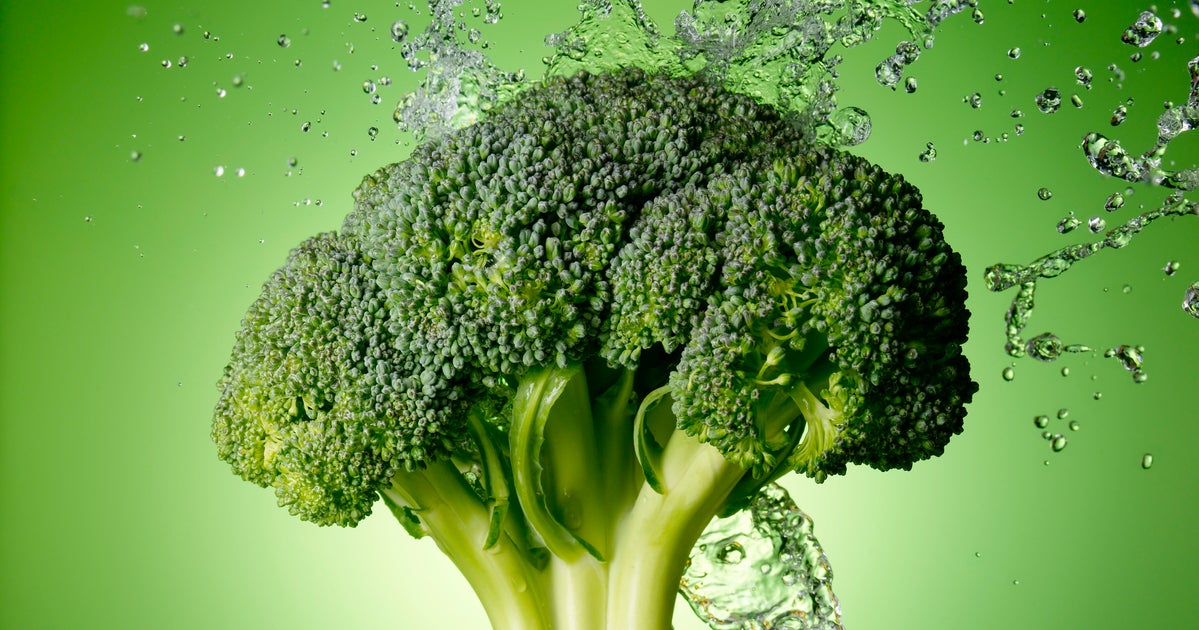
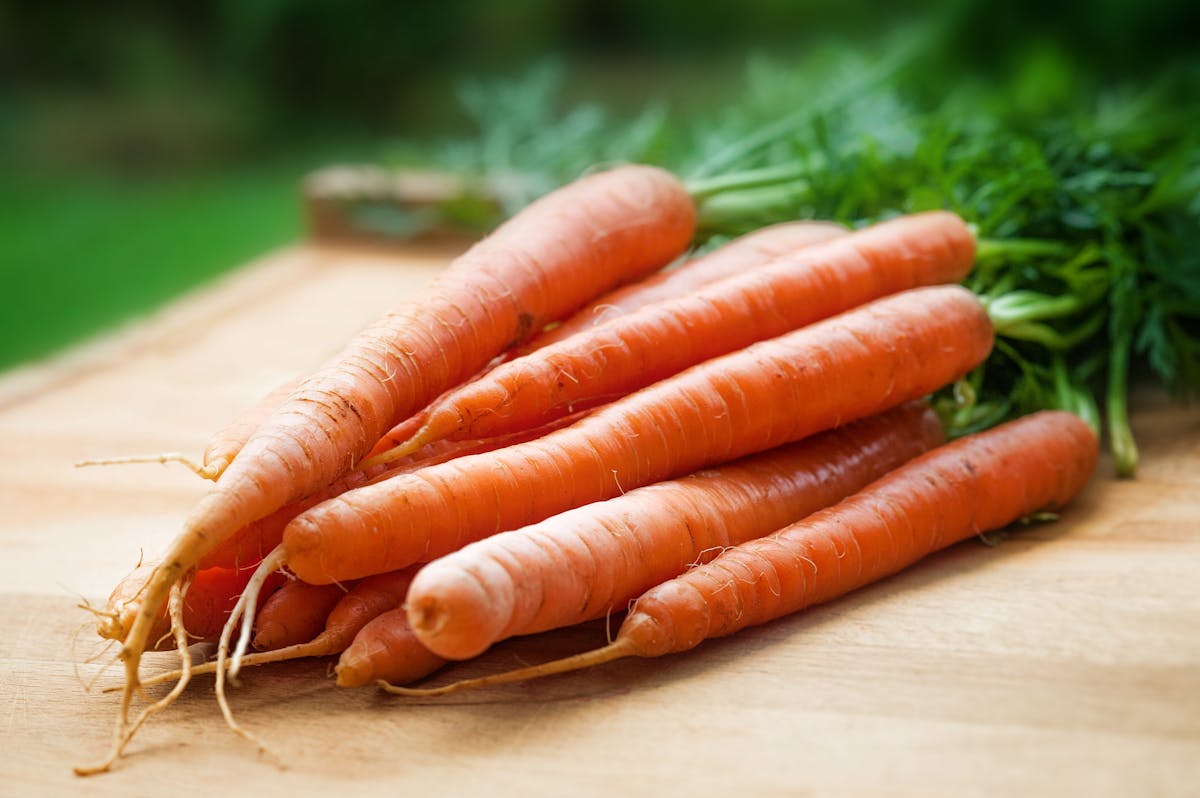
Broccoli, Brussels sprouts, cauliflower, red cabbage, peppers and carrots are rich in antioxidants and phytochemicals. Chronic low-grade inflammation and oxidative stress are believed to contribute to cognitive decline; colorful plants help counter these processes.
Quick ideas
- Roast a tray of mixed vegetables on Sunday for easy reheating.
- Keep pre-cut veggies in the fridge for grab-and-go snacks.
- Stir frozen mixed vegetables into soups or stir-fries.
9. Fermented Foods: Supporting The Gut–Brain Axis
Yogurt with live cultures, kefir, kimchi, sauerkraut and similar foods contain beneficial bacteria that interact with the gut–brain axis. A growing body of research suggests that gut microbes may impact mood, inflammation and possibly some aspects of cognition.
Simple ways to include them
- Have plain yogurt with fruit and nuts for breakfast.
- Add a spoonful of sauerkraut or kimchi to grain bowls or sandwiches.
- Use kefir in smoothies instead of milk.
10. Coffee & Tea: Focus, Alertness And Antioxidants
Moderate coffee and tea intake has been associated in some studies with reduced risk of neurodegenerative diseases and better cognitive performance. Caffeine can temporarily improve alertness and reaction time, while polyphenols in coffee and tea act as antioxidants.
Brain-friendly habits
- Keep coffee or tea intake moderate (often up to 3–4 cups per day for healthy adults, depending on sensitivity).
- Avoid large doses of caffeine late in the day to protect sleep, which is crucial for brain health.
- Go easy on added sugars and syrups; your brain doesn’t need the blood-sugar roller coaster.
11. Dark Chocolate & Cacao: A Mindful Brain Treat
Dark chocolate (ideally 70% cocoa or higher) and natural cacao powder contain flavanols that may support blood flow to the brain. Small, regular amounts have been linked in some trials to modest improvements in certain cognitive tasks.
How to enjoy it wisely
- Have a small square or two of dark chocolate after meals.
- Stir unsweetened cacao into oatmeal or smoothies for a chocolate flavor.
- Choose minimally processed products with limited added sugar.
Common Obstacles (And How Real People Work Around Them)
Even when we know what to eat, life gets in the way—busy schedules, tight budgets, picky eaters and health conditions. Here are a few common challenges and realistic workarounds.
“Healthy food is too expensive.”
- Prioritize frozen vegetables and berries, dried beans and canned fish—often cheaper than fresh.
- Buy store brands when possible; nutrition is usually comparable.
- Focus on a few key staples (like oats, beans, carrots, frozen greens) instead of an Instagram-perfect pantry.
“I don’t have time to cook.”
- Use 15-minute meals: canned beans + frozen veg + olive oil + spices + microwaveable brown rice.
- Pre-cut vegetables or salad kits can still be a step up from takeout.
- Cook once, eat twice: double recipes and freeze individual portions.
“My family won’t eat this stuff.”
- Change dishes gradually: mix white and brown rice, or add finely chopped greens to sauces.
- Let kids choose which vegetable to have, even if it’s the same one for a while.
- Serve familiar favorites (like pasta) with a side of something new (like roasted Brussels sprouts).
Putting It Together: A Sample Brain-Healthy Day
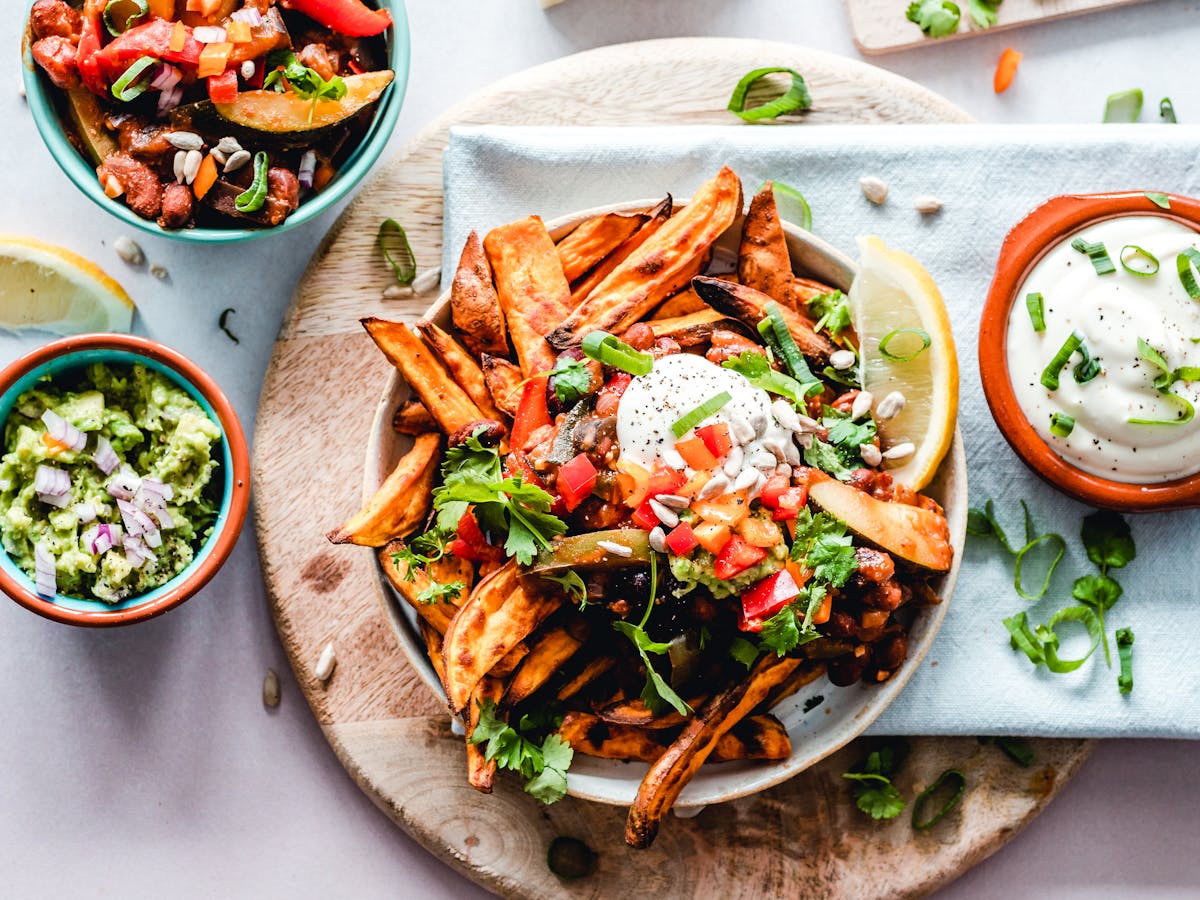
You don’t need a perfect diet to support brain health. Here’s how these foods might look in a single, realistic day:
- Breakfast: Oatmeal cooked with milk or fortified plant milk, topped with blueberries, walnuts and a sprinkle of ground flax; coffee or tea.
- Lunch: Big salad with leafy greens, chickpeas or lentils, colorful vegetables, olive oil–lemon dressing and a side of whole-grain bread.
- Snack: Plain yogurt with a spoonful of berries or a small handful of nuts.
- Dinner: Baked salmon or tofu, roasted broccoli and carrots, and a serving of quinoa or brown rice.
- Treat: A square or two of dark chocolate and herbal tea in the evening.
What The Science Can (And Can’t) Promise
Many articles, including the HuffPost feature, highlight promising findings—but it’s important to keep expectations grounded:
- Most research is long-term and population-based, not quick experiments.
- Diet is one piece of a larger puzzle that includes genetics, education, sleep, movement, social connection and medical care.
- Benefits are often about risk reduction and slower decline, not full prevention or cure.
Still, the overlap between heart-healthy and brain-healthy foods means that eating this way offers multiple potential benefits, from better energy and mood now to a lower chance of cardiovascular disease and possibly dementia later on.
For more in-depth reading, you can explore:
Moving Forward: Small Steps For A Stronger Brain
You don’t have to overhaul your entire diet to start supporting your brain. The most meaningful changes are often the ones you can stick with when life is busy, stressful or simply ordinary.
Try this approach:
- Pick one or two of the foods above that feel easiest for you.
- Decide exactly when you’ll include them (for example, “berries with breakfast” or “beans twice a week”).
- Give yourself a couple of weeks, then add another small change.
Over months and years, those small shifts can add up to a dietary pattern that supports clearer thinking, steadier energy and, potentially, a lower risk of dementia. It’s not about perfection—it’s about giving your brain a little extra care, one meal at a time.
