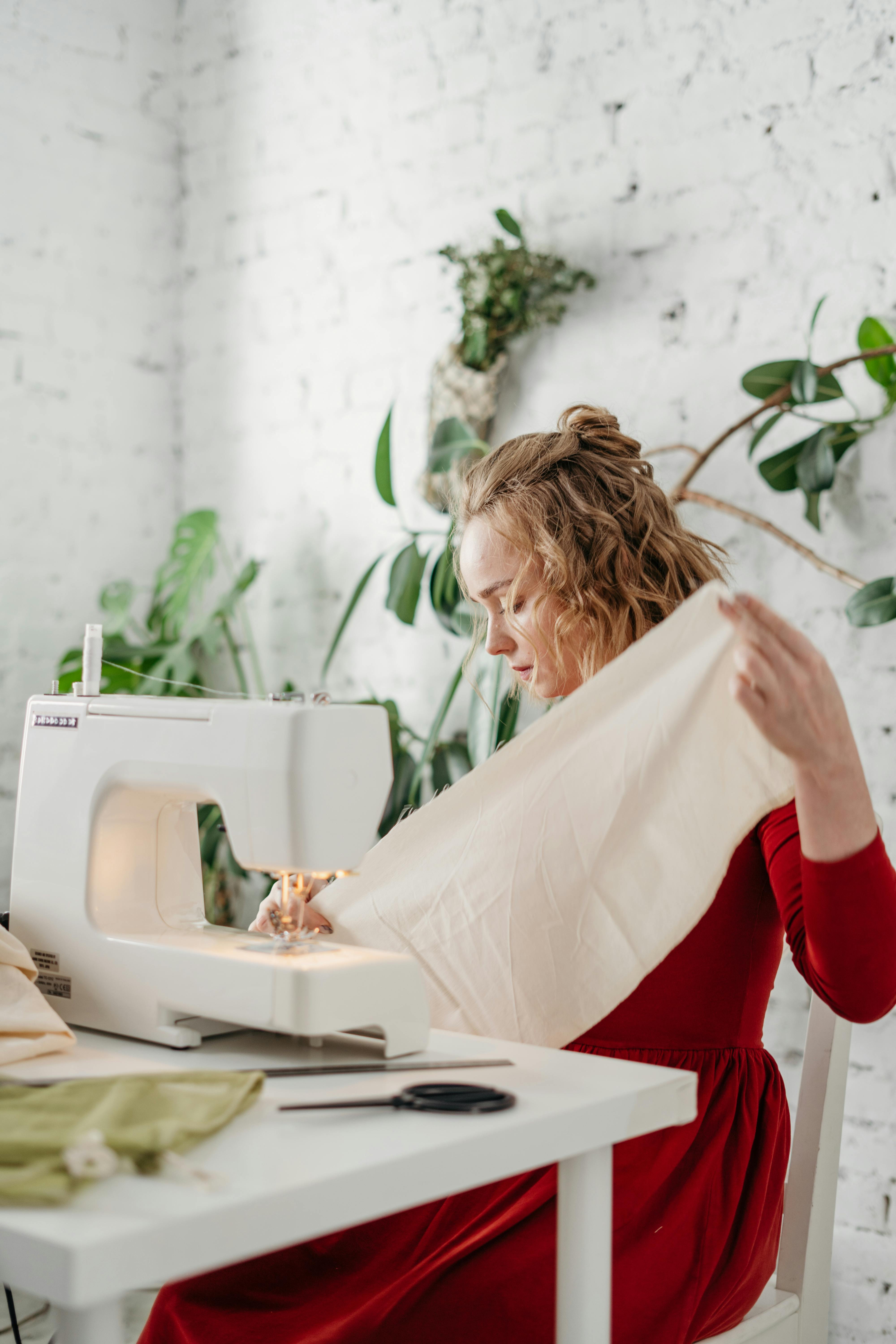
Your Body, Your Blueprint: The Joyfully Tailored Guide to Menswear and Plus-Size Style
Once upon a dressing room, you pulled on a pair of trousers labeled with your size, did the awkward wiggle dance, and discovered they fit everywhere except the waist, the thighs, the rise, and your will to live. Welcome to the modern plot twist: the problem is not your body; it’s the pattern.
Today’s biggest menswear and plus-size trend isn’t a color, a collar, or the return of some tragic skinny jean. It’s body-positive tailoring—the happily rebellious idea that clothes should adapt to you, not the other way around. From TikTok “before and after tailoring” videos to long-form YouTube deep dives about fit and body image, creators are rewriting the style rulebook with three magic words: edit your clothes.
Consider this your witty, practical field guide to tailoring for real bodies—big guys, broad shoulders, thick thighs, plus-size curves, and anyone who has ever thought, “I’d love this if it just fit here.” We’ll talk fit, comfort, sustainable hacks, and how to build a wardrobe that feels like it was made for you… because with a little tailoring, it basically is.
What Is Body-Positive Tailoring (and Why Is TikTok Obsessed)?
Body-positive tailoring is the styling and fit approach that says: “My body is not the problem; this seam is.” It prioritizes comfort, mobility, and self-expression over squeezing yourself into rigid, traditional standards—especially in menswear and plus-size fashion.
On TikTok and YouTube, creators showcase “before and after tailoring” videos—same garment, same person, but after a few subtle tweaks, it suddenly looks intentionally expensive. We’re talking:
- Tapering and hemming jeans and chinos so they fall cleanly instead of puddling sadly around your shoes.
- Adding waist darts or side panels to shirts and blazers so they accommodate broader chests, bellies, and backs without pulling.
- Shortening sleeves and hems so your frame isn’t swallowed whole by fabric.
The message is loud, clear, and delightfully freeing: don’t shrink yourself for clothes; tailor clothes for yourself. That’s why search interest in phrases like “tailoring for big guys,” “plus size suit styling,” and “how a suit should fit men” keeps rising. The world is finally catching on that “off the rack” is a suggestion, not a sentence.
It’s Not You, It’s the Pattern: Why Off-the-Rack Rarely Fits
Most brands draft patterns around a narrow “standard” body that only exists in spreadsheets and fashion fantasies. Real humans, meanwhile, come in a glorious buffet of proportions: big thighs, smaller waists; broad chests, shorter arms; plus-size curves with varying bust-to-hip ratios.
If you’ve ever thought, “I’m between sizes,” what you really are is “outside their spreadsheet.”
That’s where tailoring walks in like the chill friend who says, “Let’s fix this.” Think of buying clothes like buying a sofa: you pick the general size and style you like, then arrange it in your living room (aka your body) so it actually works. Tailoring is interior design for your wardrobe.
The goal isn’t to chase some mythical “perfect” body. It’s to make the clothes align with your shape, so you feel comfortable, mobile, and—yes—ridiculously confident.
Tailoring for Menswear: From “Just Okay” to “Wait, You Got That Where?”
In men’s fashion, ultra-skinny fits are quietly slipping out the back door while relaxed and straight cuts take center stage. The vibe: “I lift things and also like to breathe.” Tailoring helps you take advantage of this shift without looking sloppy.
1. Jeans and chinos
- Hem, don’t cuff forever: If your jeans pool at the ankle, a simple hem—often under $20—instantly sharpens the look.
- Taper from the knee down: Keep room in the thighs for comfort, then slightly narrow below the knee so you avoid the dreaded “denim bell-bottom accidentally.”
- Embrace higher rises: A slightly higher rise anchors on the waist, not your hip bones, giving better proportions for bellies, bigger thighs, and fuller glutes.
2. Dress shirts and casual button-ups
- Shorten the sleeves: Sleeves that end mid-knuckle make you look like you borrowed your older brother’s shirt; target the wrist bone instead.
- Add darts or ease: Tailors can add subtle shaping at the back (darts) or extra room panels for broader backs and chests, preventing button gaping.
- Check shoulder fit first: If the shoulder seam sits where your shoulder ends, most other issues are fixable. If it’s way off, skip it.
3. Suits, blazers, and outerwear
- Structured shoulders, relaxed torso: A bit of structure up top with more ease in the midsection can give a strong silhouette without feeling like shapewear.
- Slightly cropped jackets: For shorter or broader bodies, a gently shorter jacket length can make legs look longer and proportions more balanced.
- Side panels or gussets: Adding panels for mobility lets you reach forward, hug people, or high-five your former self for avoiding stiff, boxy jackets.
None of these changes require a fairy godmother, just a good tailor and a willingness to say, “No, I will not suffer for a blazer.”
Plus-Size Power Moves: Tailoring as a Style Superpower
In plus-size fashion, tailoring is the key that opens doors to entire aesthetics that used to be gatekept by limited sizing: sharp suiting, Y2K denim, luxury-inspired pieces, and more. Instead of settling for “this almost works,” you can ask, “How can we make this mine?”
1. Trousers and jeans that actually respect your hips
- Take in the waist, keep the hips: Buy for the fullest part (hips, thighs, or seat), then have the waist taken in so you’re not stuck with gaping back bands or digging waistlines.
- Balance leg width: A straight or lightly flared leg can visually balance fuller hips and thighs without clinging or tenting.
- Use rise to your advantage: Mid-to-high rises support bellies comfortably and create smooth lines under tops and blazers.
2. Blazers, shirts, and structured pieces
- Gussets and stretch panels: Adding these under the arms or at the side seams creates more mobility and ease, especially for fuller busts, backs, and upper arms.
- Shorten hems and sleeves: Oversized doesn’t have to mean drowning; cropping to just below the hip or at the wrist makes things look intentional.
- Single-breasted wins: For many plus-size bodies, single-breasted blazers are easier to tailor cleanly and avoid extra bulk at the front.
3. Thrift, then tailor
Thrift-fashion creators are thriving on this formula: buy quality oversized pieces secondhand, then tailor them down. You get better fabrics, unique styles, and less waste—all usually for less than a fast-fashion haul.
Tip: focus on items where the most important fit point is already good (shoulders on blazers, hips on trousers). Everything else—waist, length, taper—can usually be adjusted.
The 10-Second Fit Check: Proportions That Love You Back
Before you even call a tailor, use these quick checks to decide if a piece is worth the investment:
- Shoulders: Seams should hit where your shoulder ends, not halfway to your bicep or your neck.
- Seat: Sit down. If you fear for the structural integrity of your pants, size up in the hips and plan a waist alteration.
- Movement: Raise your arms, squat, twist. If you feel like the Hulk in mid-rage transformation, the garment needs more room or a different cut.
- Length: Sleeves brushing the thumb knuckle and pants puddling in folds are both signs you’re due for a hem.
Proportion-wise, think of your outfit as a simple equation:
- Relaxed top + slimmer bottom (for balance and definition)
- Structured jacket + easy trousers (for polish without restriction)
- Cropped layers + higher rise (to highlight your center and lengthen legs)
These combos work across sizes and genders, because they’re based on visual balance, not arbitrary rules about who “can” wear what.
Sustainable, Ethical, and Seriously Smart
Tailoring isn’t just a confidence hack; it’s a quiet sustainability win. Altering clothes you already own or thrifted means:
- Less waste: You keep garments in circulation longer instead of tossing them after a season of mediocre fit.
- Better cost per wear: A $60 blazer plus $30 in alterations that you wear weekly is a better investment than three $40 blazers you hate.
- Support for small makers: Many tailors and independent brands offering extended sizing have more transparent labor practices than mega-chains.
Ethical-fashion conversations increasingly highlight made-to-measure and extended-size specialists. It’s perfectly okay to mix: a thrifted pair of jeans, a locally made shirt, and a mass-market jacket tailored to perfection all on the same body. Style has range; so do you.
Accessorizing a Tailored Life: Small Things, Big Energy
Once the fit is right, accessories become the fun part instead of damage control. A few ideas:
- Belts that actually fit: After tailoring your waist, punch new holes or invest in belts in your true size so they sit flat and supportive, not like a reluctant tourniquet.
- Shoes that match the vibe: Relaxed cuts love chunkier sneakers or boots; sharper tailoring pairs beautifully with sleeker footwear.
- Layer thoughtfully: A well-fitting overshirt, cardigan, or bomber adds depth without bulk, especially if sleeves and lengths are dialed in.
Think of accessories as the punchline to the joke that tailoring started. The fit sets up the story; your shoes, belt, and layers deliver the mic drop.
How to Talk to a Tailor (Even If You’re Shy About Your Body)
Walking into a tailor’s shop can feel intimidating if you’ve spent years hearing that your body is “difficult to fit.” Here’s the truth: you are not a problem to solve. You’re a client. The clothes are the problem. The tailor is the solution.
Use simple phrases like:
- “I like the shoulders, but I need more room in the chest and belly.”
- “These fit my thighs; can you take in the waist?”
- “I want this to feel relaxed but not sloppy. Can we taper slightly below the knee?”
- “I reach forward a lot—can you add room under the arms?”
A good tailor will pin, tweak, and ask follow-up questions. Move around in the pinned garment: sit, bend, reach. If it feels good in motion, you’re golden.
Your Body Is the Blueprint, Not the Obstacle
Body-positive tailoring is more than a trend; it’s a mindset shift. TikTok, podcasts, and YouTube are full of people saying out loud what many of us needed to hear years ago:
- You don’t have to get smaller before you “deserve” great clothes.
- Clothes that hurt, pinch, or constantly need adjusting are not badges of honor.
- Style is not reserved for one body type; it’s a language anyone can speak, in any size.
When you let the tape measure serve the clothes instead of your self-worth, getting dressed becomes a lot more fun. Your wardrobe stops being a daily negotiation and starts feeling like a supportive friend.
So go ahead: tailor those jeans, adjust that blazer, and crop that shirt. You are not “making do” with what’s available; you’re making it yours. And that, more than any trend, is what real style looks like.
Suggested Images (Strictly Relevant)
Below are carefully selected, royalty-free image suggestions that directly support key concepts from this article. Each image reinforces a specific section and visually explains the tailoring ideas discussed.
Image 1: Before-and-after trouser tailoring
Placement location: After the list under “Jeans and chinos” in the section “Tailoring for Menswear: From ‘Just Okay’ to ‘Wait, You Got That Where?’”
Supports sentence: “Tapering and hemming jeans and chinos so they fall cleanly instead of puddling sadly around your shoes.”
Image description: A realistic side-by-side photo of the lower half of a person wearing the same pair of chinos in two states: on the left, the trousers are too long and pool around the shoes; on the right, the trousers have been hemmed and slightly tapered, ending neatly at the top of clean casual shoes. The background is a simple, neutral studio floor and wall so the focus is on the trousers and their fit. No face is visible; the frame is from waist down only.
SEO-optimized alt text: “Before and after photo of men’s chinos showing how hemming and tapering improve trouser fit at the ankle.”
Example royalty-free image URL: https://images.pexels.com/photos/7671166/pexels-photo-7671166.jpeg
Image 2: Tailor adding side panel to blazer
Placement location: After the bulleted list under “Blazers, shirts, and structured pieces” in the section “Plus-Size Power Moves: Tailoring as a Style Superpower.”
Supports sentence: “Plus-size creators demonstrate how tailoring can transform items that are either too boxy or too tight in specific areas… Adding gussets or panels for better range of motion in blazers and shirts.”
Image description: A close-up, realistic photo of a tailor’s hands pinning or sewing a fabric panel into the side seam of a blazer or structured jacket laid flat on a worktable. Visible elements include the jacket, a measuring tape, pins, and sewing tools. The focus is on the seam where extra fabric is being added to increase room, clearly showing the construction process. No faces or unrelated background clutter.
SEO-optimized alt text: “Close-up of tailor inserting a side panel into a blazer to create more room and better mobility.”
Example royalty-free image URL: https://images.pexels.com/photos/3994808/pexels-photo-3994808.jpeg

Image 3: Tailor pinning plus-size trousers at the waist
Placement location: After the list under “Trousers and jeans that actually respect your hips” in the section “Plus-Size Power Moves: Tailoring as a Style Superpower.”
Supports sentence: “Buy for the fullest part (hips, thighs, or seat), then have the waist taken in so you’re not stuck with gaping back bands or digging waistlines.”
Image description: A realistic photo showing the midsection of a plus-size person standing while a tailor pins the waistband of their trousers from the back to take it in. The image clearly shows extra fabric at the waist being pinned, with a tape measure draped nearby. The focus is the waist adjustment; the person’s face is not visible, keeping attention on the tailoring process rather than identity.
SEO-optimized alt text: “Tailor pinning the waistband of plus-size trousers to take in the waist while keeping room in the hips.”
Example royalty-free image URL: https://images.pexels.com/photos/3738087/pexels-photo-3738087.jpeg