
Why ‘Secret Lives of Mormon Wives’ Is Facing a Taylor Frankie Paul Reckoning
‘The Secret Lives of Mormon Wives’: Inside the Taylor Frankie Paul Fallout
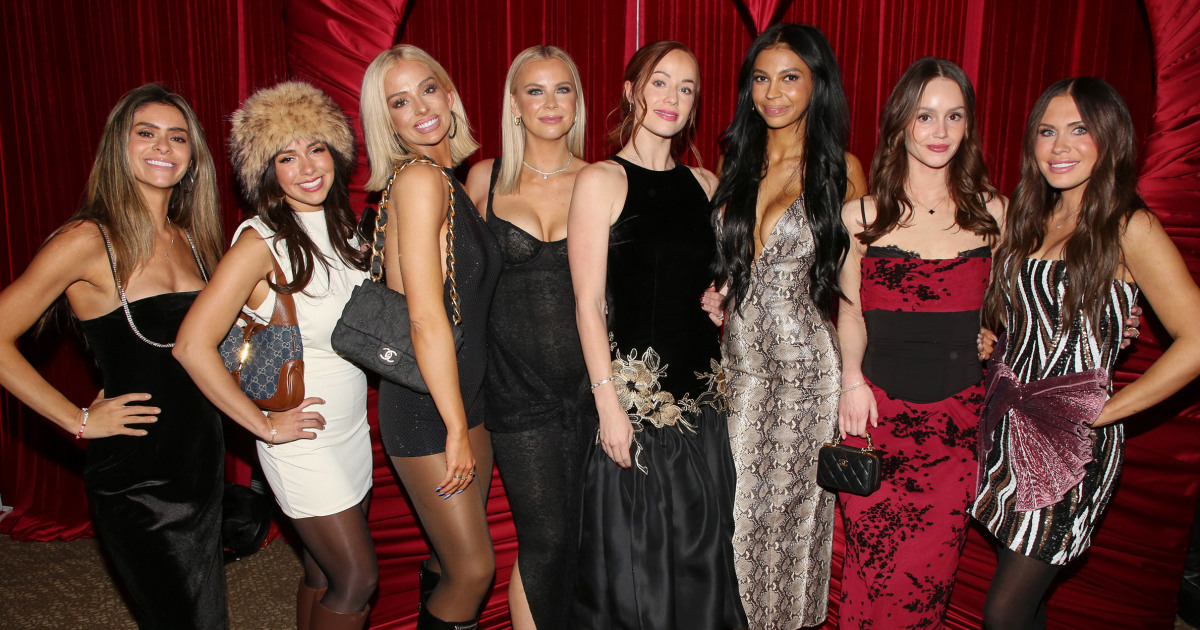
Hulu’s reality series The Secret Lives of Mormon Wives was sold as a glossy peek behind Utah’s “MomTok” curtain—equal parts aspirational lifestyle and messily modern Mormon drama. Now, according to an NBC News report, the show’s cast recently met with ABC executives and raised concerns about staying on the series if influencer Taylor Frankie Paul remained attached. That off‑camera tension doesn’t just threaten one reality show; it spotlights how precarious influencer‑driven TV becomes when real‑world behavior collides with network brand safety.
How We Got Here: From MomTok Stardom to Hulu Reality TV
The series sits at the crossroads of two powerful forces: TikTok influencer culture and the enduring fascination with Mormon domestic life that’s fueled everything from Big Love to Bravo‑style “Real Housewives” franchises. Taylor Frankie Paul, a prominent “MomTok” creator, has long been a central figure in that world, drawing millions of views with family‑centric content, choreographed dances, and highly curated motherhood aesthetics.
When Hulu, via Disney’s ABC parent company, brought The Secret Lives of Mormon Wives to streaming, it effectively turned MomTok into must‑stream TV: same friend groups, same Utah backdrop, but with production value and confessionals. The bet was simple—if people binge TikToks of these lives in 30‑second bursts, they might binge 40‑minute episodes, too.
The Meeting with ABC: Cast Concerns Go Direct to the Top
According to NBC News’ reporting, multiple cast members met with ABC executives earlier this month to discuss the future of The Secret Lives of Mormon Wives. The key issue: whether they felt comfortable continuing on the show if Taylor Frankie Paul stayed involved in any significant capacity.
While the full details of the private meeting haven’t been made public, the framing is clear: this wasn’t just a scheduling or salary chat. It was a conversation about safety, trust, and the emotional labor of appearing on a show where a castmate’s off‑screen controversies can define the entire narrative.
“Cast members from Hulu’s ‘The Secret Lives of Mormon Wives’ told ABC executives at a meeting earlier this month they had concerns about continuing the show if ‘MomTok’ founder Taylor Frankie Paul remained involved,” NBC News reported.
In reality TV, cast members typically have limited leverage once cameras roll, so a unified pushback—especially routed through ABC rather than just the show’s production company—signals how tense things may have become.
Taylor Frankie Paul: From MomTok Face to Franchise Flashpoint
Taylor Frankie Paul isn’t just “another cast member.” She’s a recognizable brand unto herself, part of the early wave of MomTok creators who transformed domestic life into a monetizable, algorithm‑friendly aesthetic. Her presence in the show lends instant recognition and built‑in social media promotion, which makes networks understandably reluctant to part ways.
But that same visibility magnifies any controversy. When a personality becomes larger than the ensemble, their off‑screen life can eclipse the series’ intended themes—especially in a show already trading on the frictions between public image and private reality.

Why Mormon Reality TV Hits Different
Mormon‑adjacent reality and docu‑series have been gaining traction for over a decade, from TLC’s Sister Wives to Peacock’s Real Housewives of Salt Lake City. The appeal rests on a familiar formula: glamorous women, complicated marriages, and the tension between strict religious norms and very modern lifestyles.
The Secret Lives of Mormon Wives adds another layer by bridging TikTok and television. The women aren’t just subjects; they’re already content strategists. They know how virality works, and they understand that “Mormon wife with a secret” is as much a hook as any Real Housewife tagline.

The Taylor Frankie Paul situation lands right in that cultural tension: when a community already negotiating its public image gets represented through its most clickable, controversial figures, the stakes—for both the community and the cast—go way up.
Cast Safety vs. Ratings: The Ethics of Keeping a Controversial Star
Networks have long flirted with “love to hate” characters, but influencer‑era controversies rarely stay neatly in‑universe. They can involve legal issues, mental health struggles, and real‑world harm that other cast members don’t want to be complicit in—or associated with.
- For the cast: It’s about emotional safety, reputational risk, and whether the show respects their boundaries.
- For ABC/Hulu: It’s about balancing brand image, viewer interest, and contractual realities.
- For audiences: It’s about how much real‑world fallout they’re willing to accept for the sake of drama.
When cast members voice concerns at the executive level, they are effectively saying: this isn’t just a storyline, it’s our lives. In the post‑Vanderpump Rules era—where off‑screen scandals reshaped entire franchises—networks know that how they respond can become the story.
Reality TV isn’t “reality” in any pure sense—it’s a collaboration between cast, producers, and networks. When one party feels the collaboration has become unsafe, the social contract of the genre starts to break.
What This Means for Hulu and ABC: Options on the Table
With cast concerns now documented, ABC and Hulu face a few broad strategic paths for The Secret Lives of Mormon Wives going forward:
- Keep Taylor Frankie Paul, but reframe the show: Lean into the conflict, make her limited appearances a storyline, and hope the drama drives viewership without alienating the core cast.
- Quietly reduce or phase out her role: A soft exit—fewer scenes, no central arcs—while the show pivots to other wives and subplots.
- Recast or reset the ensemble: The nuclear option: announce a major creative reboot or shift locations and cast, essentially launching a 2.0 version.
Whatever path they take, the decision will signal how Disney’s streaming ecosystem wants to handle influencer‑ linked controversies across its brands. Hulu might be the edgier sibling to Disney+, but it still shares a corporate roof with Marvel, Pixar, and family‑friendly IP.

The Bigger Picture: Influencers, Parasocial Bonds, and Network Responsibility
Influencer‑centered shows have a built‑in advantage: fans arrive already invested. But those parasocial relationships cut both ways. When a star’s life goes off the rails, some viewers feel compelled to defend them aggressively; others bail, exhausted by the drama. Both reactions create pressure for the rest of the cast and the production team.
The Secret Lives of Mormon Wives situation is part of a larger recalibration. Networks are slowly realizing that “messy but marketable” only works up to the point where cast members feel exploited or unsafe. What once passed as edgy now reads, for many viewers, as negligent.
Where to Watch and What to Expect Next
The Secret Lives of Mormon Wives streams on Hulu in the United States, with episode guides and cast details available on IMDb. Hulu and ABC have not publicly detailed how, or if, the Taylor Frankie Paul concerns will affect upcoming episodes, but the NBC News report suggests that negotiations and internal discussions are very much ongoing.
For viewers, that means the next batch of episodes may feel noticeably different—whether in casting, narrative focus, or how openly the show addresses off‑camera issues. Increasingly, audiences expect some level of transparency when a franchise hits a crisis point.
Verdict: Can ‘Secret Lives of Mormon Wives’ Survive Its Own Premise?
The Secret Lives of Mormon Wives has always been built on contradiction: polished faith meets messy, modern reality. The reported cast pushback over Taylor Frankie Paul simply forces the show to confront what it’s really selling. Is it a nuanced portrait of women navigating religion, family, and fame—or just another vehicle for viral scandal?
If Hulu and ABC can genuinely prioritize cast safety and perspective while still delivering sharp, self‑aware storytelling, the series could evolve into something more grounded and interesting than its early marketing suggested. If not, it risks becoming exactly what its critics fear: a franchise that confuses controversy with character and algorithmic attention with authentic connection.
Staff Entertainment Analyst
