
Why Seattle Is Ramping Up Measles Testing Before the World Cup and Summer Tourism Surge
As Seattle gets ready for a wave of visitors for the World Cup and the busy summer tourism season, local health systems are quietly doing a lot of heavy lifting behind the scenes. One of the most important moves right now: UW Medicine is ramping up measles testing in response to a growing nationwide outbreak and the increased risk that comes with large crowds and international travel.
If you’re planning to visit Seattle, live in the Puget Sound region, or work around tourists, it’s completely normal to feel a bit uneasy hearing “measles” and “outbreak” in the same sentence. This page breaks down what’s happening, why UW Medicine’s stepped-up testing matters, and what practical steps you can take to stay protected—without panic and without misinformation.
Why Measles Testing Is Ramping Up in Seattle Right Now
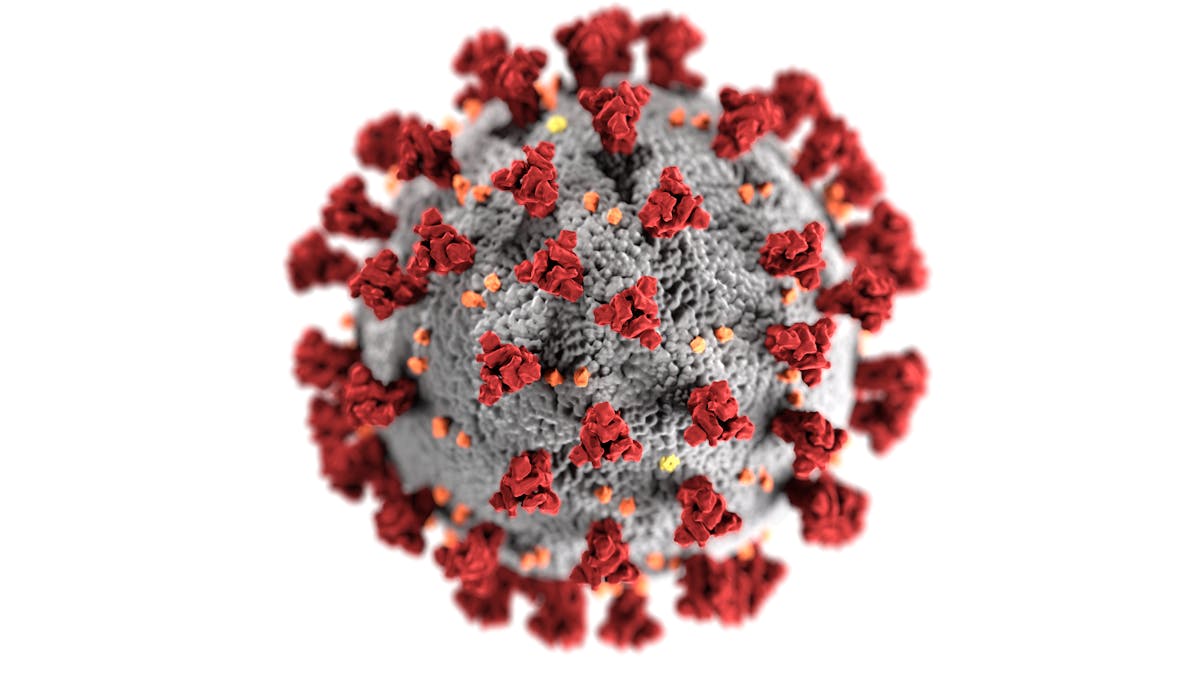
Measles is one of the most contagious viruses known. A single person with measles can infect up to 9 out of 10 unvaccinated people who are close contacts. With a nationwide outbreak unfolding and major international events on the horizon, public health experts expect more cases to be “imported” through travel—and potentially to spread in communities with lower vaccination coverage.
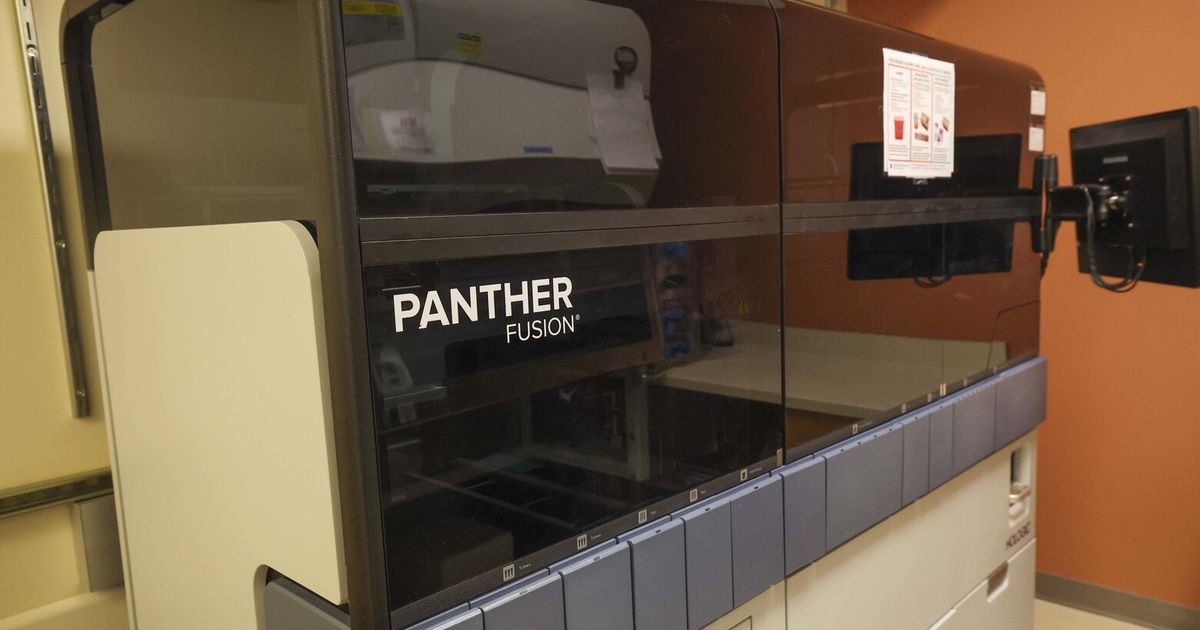
UW Medicine’s decision to increase measles testing capacity is about speed and precision:
- Finding cases early so patients get supportive care quickly.
- Rapidly confirming who actually has measles versus another illness.
- Helping public health teams notify and protect exposed people, especially those who are medically vulnerable.
- Reducing the risk that one case turns into a multi‑site outbreak across schools, clinics, airports, and stadiums.
“Testing is one of our sharpest tools in preventing measles from spreading. The faster we can confirm a case, the faster we can contain it—especially when you have large international events bringing people together.”
A Quick Refresher: What Is Measles and Why Is It So Contagious?
Measles is a viral respiratory infection that spreads through the air when an infected person breathes, coughs, or sneezes. Tiny droplets can linger in the air for up to two hours, which means you can catch measles even after the sick person has left the room.
According to the U.S. Centers for Disease Control and Prevention (CDC), measles was declared eliminated in the United States in 2000, but outbreaks have returned in recent years due to:
- Lower vaccination coverage in some communities.
- Increased international travel from areas where measles is still common.
- Pockets of misinformation leading to delayed or skipped childhood vaccines.
The good news is that measles is highly preventable with the MMR (measles, mumps, rubella) vaccine, which is about 97% effective after two doses. The challenge is closing the gaps before major events like the World Cup create ideal conditions for the virus to spread.
Why the World Cup and Summer Tourism Raise Measles Risk
Major sporting events concentrate people from all over the world into stadiums, public transit, bars, restaurants, and hotels. This is exciting for the city—and challenging for infection control. Some visitors may be coming from countries experiencing active measles outbreaks or where routine childhood vaccination has been disrupted.

Public health planners in the Puget Sound region are looking at several overlapping risks:
- Increased international arrivals through Sea‑Tac Airport and regional travel hubs.
- Large indoor and outdoor gatherings where distancing and masking are uncommon.
- Movement between counties and states as fans tour the Pacific Northwest.
- Visitors staying with friends or relatives, which can expose infants and immunocompromised family members.
By ramping up measles testing now, UW Medicine and regional partners are aiming to:
- Catch early cases among both residents and visitors.
- Track how and where the virus is spreading.
- Guide targeted vaccination clinics or alerts if clusters appear.
How UW Medicine’s Expanded Measles Testing Works
Measles testing usually involves:
- Clinical evaluation — A healthcare provider reviews symptoms, vaccination history, and possible exposures.
- Lab samples — Often a swab from the nose or throat and/or a blood test to check for measles virus or antibodies.
- Public health coordination — Positive results are reported to local health departments for contact tracing and guidance.
UW Medicine’s ramp‑up typically includes:
- Extending lab hours to process more tests each day.
- Ensuring rapid turnaround for high‑priority cases.
- Training clinicians to recognize early measles signs, especially in partially vaccinated or adult patients where the picture can be less classic.
- Streamlining how suspected cases are isolated in clinics and emergency departments to reduce exposure risk.
A Real‑World Scenario: What Rapid Testing Can Prevent
A few summers ago, during another surge of international travel, a Seattle clinic saw an adult patient with high fever, cough, and a faint rash. At first glance, it could have been a bad cold or COVID‑19. Because the clinician had recently completed an infectious disease refresher—very similar to the trainings UW Medicine is emphasizing now—they asked one extra question: “Have you traveled recently, or been around anyone visiting from overseas?”
The patient had just returned from a country with an ongoing measles outbreak. The clinic immediately:
- Masked and isolated the patient.
- Arranged urgent measles testing through a regional lab.
- Alerted public health officials while awaiting confirmation.
The test came back positive. Because the lab was able to confirm measles quickly, the health department contacted dozens of potentially exposed people within hours. Several were found to be under‑vaccinated and were given post‑exposure guidance. No secondary cases were detected.
This is the ripple effect UW Medicine is trying to amplify ahead of the World Cup and summer travel: one well‑handled case that never becomes an outbreak.
Practical Steps for Visitors Coming to Seattle
You don’t need to cancel your trip to enjoy Seattle, the World Cup, or summer festivals. You do need to take measles—and vaccine‑preventable diseases generally—seriously. Here are evidence‑based steps that make travel safer for you and the people around you.
1. Check your MMR vaccination status early
- Adults born after 1956 should have at least one dose of MMR; many will have had two in childhood.
- College students, healthcare workers, and international travelers should have two documented doses or proof of immunity.
- If you’re unsure, talk with your healthcare provider; in many cases, it’s safe to repeat the MMR series.
2. Protect infants and high‑risk family members
Infants under 12 months, pregnant people without evidence of immunity, and those with weakened immune systems are at higher risk of serious complications.
- Ask your pediatrician about early MMR for infants 6–11 months who will be traveling internationally.
- Try to avoid crowded indoor spaces with poor ventilation for those who cannot be vaccinated.
- Ensure close contacts (parents, siblings, caregivers) are up to date on MMR to create a “cocoon” of protection.
3. Know when to seek care—and how
If you develop fever and a rash during or after your trip:
- Stay home or in your accommodation; avoid public spaces.
- Call a telehealth service, urgent care, or local clinic first rather than walking in.
- Tell them about recent travel, vaccination status, and any known exposures.
What Seattle‑Area Residents Can Do Right Now
If you live in the Puget Sound region, you’re not just a bystander—you’re part of the public health “home team.” UW Medicine’s lab work is one piece; community action is the other.
- Review your family’s immunization records. Ask your clinic or check your state’s immunization registry if available.
- Keep a low threshold for calling your provider if you or your child develop fever and rash, especially with known exposures.
- Support accurate information sharing—point friends and family to credible sources like UW Medicine, Public Health – Seattle & King County, and the CDC.
- Advocate for vaccination access in schools, workplaces, and community organizations.
Testing vs. Vaccination: How They Work Together
It’s easy to think of testing and vaccination as separate strategies, but they’re most powerful when they work together. Vaccination prevents cases; testing helps us find and contain the cases that still occur.

| Goal | Vaccination (MMR) | Testing |
|---|---|---|
| Primary purpose | Prevent infection or severe disease | Detect and confirm infection |
| When it’s used | Before exposure (routine immunization, travel prep) | After symptoms or known exposure |
| Impact on outbreaks | Reduces the number of people who can get or spread measles | Speeds up isolation, contact tracing, and targeted vaccination |
Common Concerns and How to Navigate Them
Many people want to do the right thing but run into real‑world barriers. It’s important to acknowledge these honestly and offer workable solutions.
“I’m not sure I can afford a doctor visit or lab test.”
Costs vary depending on your insurance and where you seek care. However:
- Public health clinics sometimes provide low‑ or no‑cost vaccines and evaluation.
- Telehealth can help you triage whether in‑person testing is needed.
- In suspected measles cases, clinicians will often coordinate with public health agencies, which may have additional support options.
“I’m worried about vaccine side effects.”
Decades of data and multiple large studies show that the MMR vaccine has a strong safety record. Common side effects are usually mild—such as soreness at the injection site or low‑grade fever—and serious reactions are rare. Measles infection itself carries a far higher risk of hospitalization and long‑term complications than the vaccine does.
“I thought measles was gone in the U.S.—is this really necessary?”
Measles was declared eliminated as a continuously circulating disease, but not eradicated worldwide. That means imported cases can still spark outbreaks when they land in under‑vaccinated communities. With a nationwide measles surge and a global event like the World Cup, stepped‑up testing and vaccination are proportionate, science‑based responses—not overreactions.
What the Evidence Says About Measles Control
Research and historical experience point to a consistent pattern: communities with high MMR coverage and rapid access to testing see fewer cases, smaller outbreaks, and fewer severe complications.
- Studies published in journals such as The Lancet and JAMA have repeatedly confirmed MMR’s effectiveness—around 93% after one dose and 97% after two.
- Analyses of past U.S. outbreaks show that delays in recognizing cases and confirming measles through lab testing are associated with larger clusters.
- Countries that invested in both high vaccination rates and robust lab networks have seen dramatic reductions in measles‑related hospitalizations and deaths.
“Rapid diagnostics, strong vaccination programs, and clear public messaging form the three pillars of effective measles control. Weakening any one of these puts the others under strain.”
Before and After: The Impact of Preparedness
To understand why UW Medicine is acting now—before cases surge locally—it helps to picture two different versions of the coming months.

- Without proactive testing and vaccination: A traveler with measles attends multiple events before anyone suspects the diagnosis. Testing is delayed, exposure notices go out late, and several secondary cases appear in schools and clinics.
- With UW Medicine’s ramped‑up testing and higher community awareness: The same traveler is recognized as a possible measles case at the first clinic visit. Tests are run quickly, results are shared promptly with public health, and exposed individuals are notified and managed before they become contagious.
The difference between those two stories isn’t luck—it’s preparedness.
How You Can Support a Safer World Cup and Summer Season
You don’t need a medical degree or a lab coat to play a real role in measles prevention during this busy travel season. The most effective actions are often the simplest and most personal.
- Check your vaccination records and schedule an MMR if you’re not fully protected.
- Talk to your children’s pediatrician about staying on schedule with routine vaccines.
- Share accurate information from sources like UW Medicine, King County, and the CDC instead of rumors or social media “hot takes.”
- Plan ahead if you’re traveling—build in time before your trip to update vaccines.
- Stay home and call ahead if you develop concerning symptoms, rather than “toughing it out” in public spaces.
Outbreaks can feel overwhelming, but they are not inevitable. Every vaccinated person, every timely test, and every honest conversation about risk adds up. As UW Medicine ramps up measles testing to protect residents and visitors alike, your choices—quiet, everyday, and grounded in evidence—help make Seattle a safer place to live, work, and celebrate.
If you’re uncertain about your measles immunity or have upcoming travel plans, consider making a quick call to your healthcare provider this week. A 10‑minute conversation now can prevent weeks of worry later.
