
Why Right‑to‑Repair Laws Will Completely Change Your Next Phone and Laptop
Right‑to‑repair has moved from a niche activist cause to the center of global tech policy. The European Union and the United States are rapidly rolling out regulations that require phones, laptops, household appliances, and even tractors and medical equipment to be more repairable and longer‑lived. These laws are forcing major brands to rethink industrial design, supply chains, and software lifecycles—and they are redefining the relationship between consumers and the devices they buy.
At the same time, tech reviewers, environmental groups, and open‑source communities are scrutinizing how these rules play out in practice: Are companies genuinely making products more repairable, or are they adding new technical barriers like parts pairing, proprietary screws, and software locks? Understanding this moment is essential for anyone making hardware, buying devices, or thinking about the sustainability of consumer tech.
Mission Overview: What Right‑to‑Repair Is Trying to Achieve
Right‑to‑repair (R2R) is fundamentally about three things: sustainability, consumer rights, and competition. It is not a single law but a set of principles that different jurisdictions are implementing in their own ways.
- Sustainability: Reduce electronic waste (e‑waste) by making devices last longer and be easier to refurbish or recycle.
- Consumer Autonomy: Ensure that when you buy a product, you can repair it yourself, have it repaired by an independent shop, or choose an authorized provider—without being locked into a single option.
- Market Competition: Prevent manufacturers from using technical or legal barriers to monopolize the repair market and inflate costs.
“The right to repair is about making sure the stuff you own can be fixed by you, or the shop of your choice—not just the company that sold it to you.”
In practice, R2R intersects with broader device regulation: energy efficiency labels, durability standards, mandatory update policies, and labeling requirements that inform consumers about a product’s repairability and expected lifespan.
Global Regulatory Landscape: EU vs. US (as of 2026)
As of early 2026, the EU is leading on comprehensive hardware and software regulation, while the US is advancing through a mix of federal guidance and state‑level laws.
European Union: From Eco‑Design to Software Longevity
The EU’s approach combines environmental policy, consumer protection, and digital regulation. It builds on a long history of Eco‑design rules and the WEEE Directive (Waste Electrical and Electronic Equipment).
- Repairability Requirements: Several product groups—including washing machines, dishwashers, displays, and refrigerators—already have EU‑level repairability obligations. New regulations are extending similar principles to smartphones, tablets, and laptops, including easier battery replacement and standardized fasteners.
- Spare Parts & Documentation: Manufacturers must provide spare parts and repair information for a minimum period (often 7–10 years) to professional repairers and, increasingly, to consumers.
- Software Support Commitments: Under newer measures linked to the Digital Product Passport initiative and related regulations, vendors are being pushed toward transparent minimum security and feature‑update timelines.
United States: Federal Guidance and State‑Level Laws
In the US, the movement has been more fragmented but gained significant momentum from 2021 onward.
- FTC and Presidential Support: Following a 2021 Executive Order, the Federal Trade Commission began challenging “anti‑competitive repair restrictions,” warning manufacturers against voiding warranties for independent repairs.
- State Right‑to‑Repair Acts: States including New York, Minnesota, Colorado, Massachusetts, and California have passed varying flavors of R2R laws covering consumer electronics, wheelchairs, agricultural equipment, and more, with ongoing implementation and amendments through 2025–2026.
- Sector‑Specific Rules: Medical device and automotive sectors have their own evolving frameworks, sometimes negotiated via industry agreements rather than broad statutes.
“There is scant evidence to support manufacturers’ justifications for repair restrictions, and significant evidence that these restrictions hurt consumers.”
How Regulations Are Reshaping Device Design
New rules are colliding directly with the industrial design trends of the last decade: ultra‑thin, sealed devices with glued‑in batteries, custom fasteners, and labyrinthine component layouts. Manufacturers now have to reconcile aesthetics and robustness with accessibility and modularity.
Removable and Replaceable Batteries
The EU’s battery regulation is one of the most consequential changes for smartphones and laptops. It effectively requires batteries to be replaceable using commonly available tools, without damaging the device or compromising safety, after a transitional period.
- Reduced reliance on strong adhesives that make battery swaps risky.
- Designs that allow removal through screws, pull tabs, or modular packs.
- Re‑evaluation of water‑resistance strategies that previously relied on fully sealed shells.
Some manufacturers are already demonstrating how this can be done without sacrificing modern design. For instance, modular phones like the Fairphone 5 and laptops such as the Framework Laptop show that user‑replaceable batteries, ports, and storage can coexist with premium build quality.
Standardized Fasteners and Component Accessibility
Regulators and repair advocates increasingly criticize proprietary screws and inaccessible layouts. While not all laws explicitly ban unusual fasteners, repairability indexes and public pressure are pushing manufacturers towards:
- Using standard screw types (e.g., Phillips or Torx) instead of bespoke pentalobe or tri‑wing variants.
- Reducing the number of steps required to access frequently failing parts (batteries, ports, fans, and storage).
- Labeling components and connectors more clearly to support safe DIY and professional repairs.
“Designing for repair isn’t an afterthought; it’s an engineering discipline. Accessibility, modularity, and documentation are as important as performance and aesthetics.”
The Software Dimension: Updates, Locks, and Parts Pairing
Hardware can be physically repairable yet effectively “bricked” by software. That is why regulators and advocates are increasingly focusing on the software layer.
Locked Bootloaders and Repair Controls
Many devices ship with locked bootloaders and cryptographic checks that prevent modified firmware or unofficial operating systems from running. While justified as security measures, these controls can:
- Block installation of community‑maintained OSes that could extend device life.
- Prevent aftermarket parts from being recognized as “genuine.”
- Enable remote kill‑switches that de‑activate devices outside official repair channels.
Regulators are increasingly asking companies to justify the proportionality of such controls. The core policy question: Are these measures reasonably necessary for safety and data protection, or do they primarily serve to control the repair market?
Parts Pairing and Serialization
“Parts pairing” refers to the practice of cryptographically binding specific components—like screens, cameras, or batteries—to a device’s motherboard or secure element. Swapping a part without manufacturer authorization can lead to warnings, disabled features, or outright failure.
Ongoing EU and US discussions are considering whether and how to limit parts pairing. Some emerging principles include:
- Allowing pairing only where clearly necessary for security (e.g., biometric sensors).
- Requiring manufacturers to provide calibration tools or procedures to independent repairers.
- Mandating transparency so consumers know in advance which parts are paired and what the consequences are.
Extended Software Support Lifecycles
Software obsolescence is increasingly treated as a sustainability issue. When devices stop receiving security patches or compatibility updates, consumers are pressured to replace hardware that still works perfectly well.
- Minimum Security Support Windows: EU regulators are moving toward explicit minimum years of security updates for categories like smartphones and tablets.
- Transparency Requirements: Vendors may need to state, at purchase time, how long devices will receive updates.
- Open‑Source Pathways: Advocates argue that when vendors exit support, unlocking bootloaders and releasing more documentation can enable community‑maintained firmware to extend device life.
“A device is not truly repairable if the software that runs it can be remotely revoked, locked down, or left vulnerable by design.”
Mission Overview of the New Regulations
Looking across jurisdictions, the “mission profile” of right‑to‑repair and device regulation can be summarized as follows:
- Increase Device Lifespan: Encourage designs that prioritize durability, repairability, and upgradability.
- Reduce Environmental Impact: Cut e‑waste volumes and resource extraction through longer use cycles and better recycling.
- Protect Consumers: Ensure access to fair, reasonably priced repair options and transparent information.
- Foster Innovation: Allow independent repairers, refurbishers, and aftermarket innovators to compete.
- Safeguard Security and Safety: Balance openness with legitimate concerns about data protection, health, and safety.
This mission is now influencing procurement standards for governments and large organizations, which increasingly use repairability and lifecycle commitments as criteria when buying fleets of devices.
Technology Under the Hood: Enabling Repairable and Long‑Lived Devices
Meeting right‑to‑repair obligations is not just a matter of policy compliance; it requires deliberate engineering choices at the hardware and software level.
Modular Hardware Architectures
Modular designs break devices into replaceable “blocks” or sub‑assemblies. Even when modules are not user‑swappable, serviceability greatly improves if major components can be replaced independently.
- Smartphones: Separate modules for the display, camera array, USB‑C port, and battery.
- Laptops: Socketed memory and storage, modular ports, replaceable keyboards, and trackpads.
- Appliances: Standardized pumps, motors, and control boards across multiple models.
Diagnostics and Firmware Tools
High‑quality repair often depends on access to diagnostics and calibration utilities. New regulations are pushing companies to:
- Publish service manuals and troubleshooting flows.
- Provide or license access to diagnostic software for independent shops.
- Document firmware flashing and pairing processes where needed.
Some firms now host public knowledge bases and repair programs; others gate access behind training or certification. The regulatory trend, however, is toward broader and more equitable access.
Open‑Source and Community‑Maintained Software
Open‑source operating systems and firmware, from Linux‑based Android forks to router firmware like OpenWrt, play a critical role in extending device lifespans. When an OEM stops shipping updates, communities can sometimes step in—with the manufacturer’s cooperation or despite its hostility.
As discussions evolve, some policymakers and technologists are advocating for:
- Clearer legal protections for third‑party firmware development.
- Obligations to unlock bootloaders when a vendor ends official support.
- Standardized, open documentation for critical hardware interfaces.
Scientific and Environmental Significance
Right‑to‑repair is not just a consumer policy; it’s a lever for achieving climate and resource‑efficiency goals. The bulk of a smartphone’s or laptop’s carbon footprint is typically embedded in its manufacturing, not in its day‑to‑day energy use.
- Lifecycle Assessments (LCAs): Studies by organizations like the European Environment Agency show that extending device lifetimes by just 1–2 years can significantly reduce total emissions per user.
- Critical Materials: Many electronics depend on rare earths and critical minerals. Improved repair and refurbishment reduce the demand for new extraction, which is often environmentally and geopolitically fraught.
- Circular Economy: R2R supports reuse, refurbishing, and remanufacturing, key pillars of circular‑economy strategies championed by the EU and international bodies like the OECD and UNEP.
“The greenest device is the one you already own—keeping hardware in use for longer is among the most impactful digital climate actions.”
On the research side, engineers and materials scientists are investigating more durable components, adhesive formulations that can be reversibly softened for disassembly, and labeling technologies that make end‑of‑life sorting and recycling more efficient.
Key Milestones on the Road to Right‑to‑Repair
The path from fringe advocacy to mainstream policy has been marked by several turning points.
- Early Automotive and Farm Equipment Battles: Right‑to‑repair roots trace back to independent auto repair and later high‑profile conflicts between farmers and equipment makers over locked‑down tractors.
- Rise of Repair Communities: Platforms like iFixit and local repair cafés turned repair into a social, educational practice, popularizing teardown culture and repairability scores.
- EU Eco‑Design and Repairability Index: France’s repairability index (and similar efforts) began scoring devices on how easy they are to fix, pushing manufacturers to improve or risk reputational damage.
- US Policy Shift (2021–2023): The U.S. FTC “Nixing the Fix” report, presidential backing, and multiple state‑level laws signaled a clear federal and local appetite for reform.
- Major OEM Self‑Service Repair Programs: Leading smartphone and PC vendors launched self‑service repair portals, offering genuine parts, tools, and guides—partly in anticipation of regulatory pressure.
Each of these milestones shifted expectations, making repairability a feature that regulators, media, and consumers now actively track.
Challenges, Tensions, and Unintended Consequences
Despite broad public support, right‑to‑repair is not without trade‑offs and implementation challenges.
Security and Privacy Concerns
Manufacturers argue that some restrictions exist to protect users:
- Biometric sensors (e.g., fingerprint readers and Face ID cameras) must be tightly bound to secure enclaves to prevent spoofing.
- Unvetted repairers could inadvertently (or maliciously) compromise data privacy or device integrity.
- Counterfeit batteries or chargers might pose safety risks.
Regulators are responding by differentiating between legitimate safety measures and anti‑competitive practices—an area where technical nuance and strong standards are essential.
Design Constraints and Cost Pressures
Building highly modular, repairable hardware can sometimes:
- Increase bill‑of‑materials costs (connectors, brackets, and more complex chassis designs).
- Reduce available internal volume for batteries or components in ultra‑thin devices.
- Complicate thermal management and structural rigidity.
The counter‑argument, supported by some lifecycle analyses, is that higher upfront costs are offset by longer usable lifetimes, lower warranty expenses, and stronger brand reputation.
Implementation Gaps and Loopholes
Even when laws are passed, real‑world impact depends on enforcement and technical details:
- Parts might be technically available but priced so high that repair is uneconomical.
- Documentation may be incomplete, overly generic, or hidden behind unnecessarily complex approval processes.
- Software locks may remain, with little transparency about when they will be relaxed.
“We cannot declare victory just because a law is passed. What matters is whether people can actually repair their devices in practice, at a fair price.”
What This Means for Consumers and Buyers
For everyday users, the effects of right‑to‑repair will roll out over several product generations, but some shifts are already visible.
- Repairability Scores and Reviews: Major tech media increasingly include repairability ratings and update policies in reviews, alongside performance and camera quality.
- Longer Ownership Cycles: As batteries, ports, and screens become easier to replace, many users will keep devices for 4–6 years instead of the typical 2–3 year cycle.
- Stronger Resale Markets: Better repair and refurbishment practices support more robust second‑hand markets, lowering total cost of ownership.
- DIY Options: Enthusiasts gain access to official parts, tools, and guides, lowering barriers to self‑repair.
When buying a new device, it’s increasingly wise to consider:
- How many years of OS and security updates are promised?
- Can the battery, storage, and ports be replaced or upgraded?
- Are repair manuals and parts available outside the official network?
- What is the device’s repairability index or score from trusted sources?
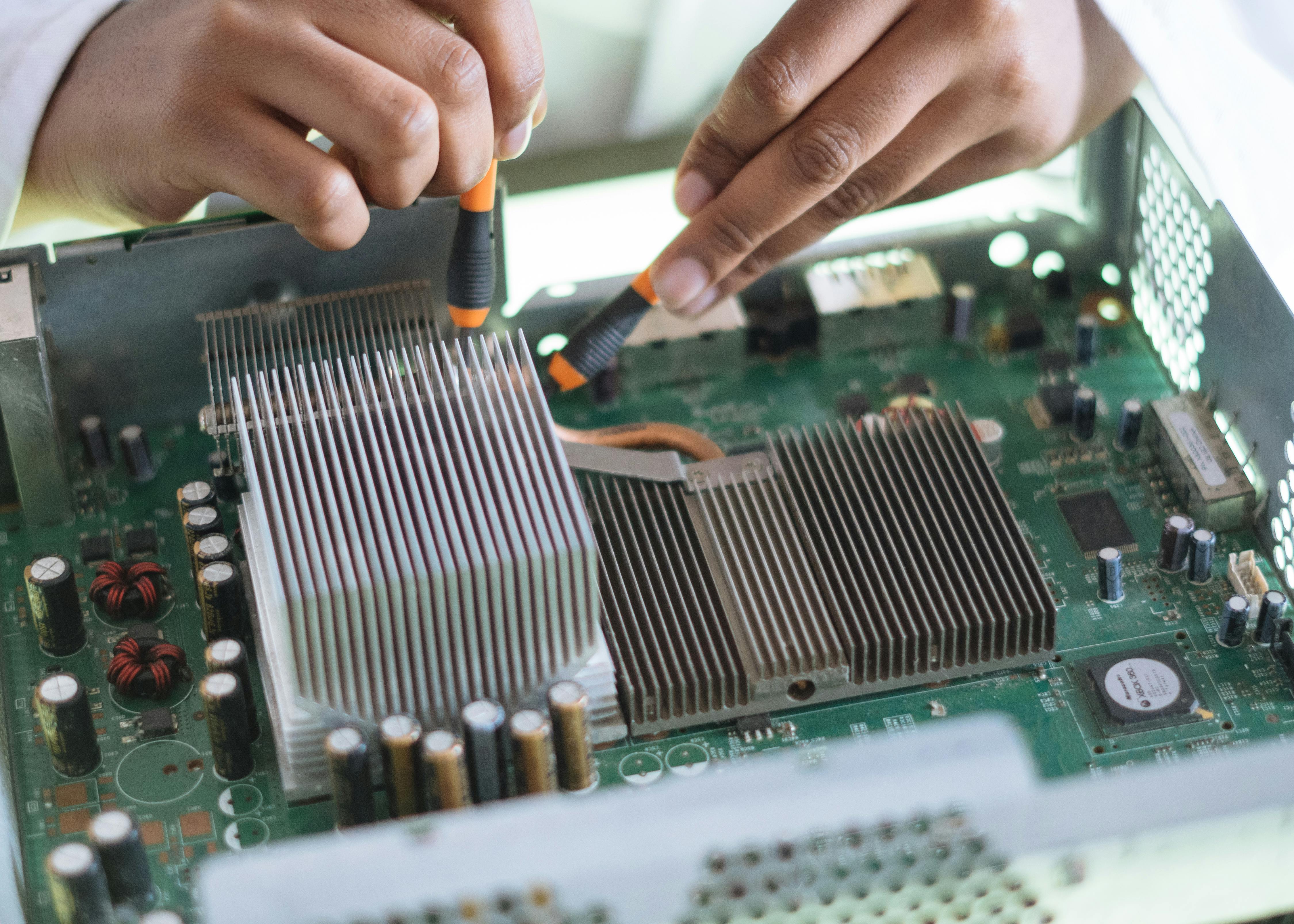
Visualizing the Future of Repairable Tech



Tools, Guides, and Helpful Resources for Repair‑Minded Users
For consumers who want to benefit from right‑to‑repair in practice, a few accessible tools and resources go a long way.
Practical Toolkits
A good precision toolkit makes basic repairs—like swapping batteries, SSDs, or fans—much safer and more straightforward. Widely recommended kits in the US include:
- iFixit Pro Tech Toolkit – A comprehensive set of precision drivers, spudgers, tweezers, and opening tools used by many professional repairers.
- Wera Kraftform Micro Screwdriver Set – High‑quality precision drivers popular among electronics technicians.
Guides and Learning Platforms
- iFixit – Community‑driven repair guides, parts, and tools for thousands of devices.
- The Repair Association – Policy advocacy resources and updates on US legislation.
- European Right to Repair Campaign – EU regulatory tracking, reports, and citizen tools.
- YouTube channels like Louis Rossmann and DIY Perks show advanced repair, diagnostics, and creative hardware reuse.
For beginners, starting with low‑risk repairs—like swapping a laptop’s RAM or SSD in a model that clearly supports it—is a safe way to build skills and confidence.
Conclusion: The Future of Consumer Tech in a Right‑to‑Repair World
Right‑to‑repair and emerging device regulations are steadily transforming the consumer tech landscape. Within a few product generations, it is likely that:
- Most mainstream smartphones and laptops sold in the EU will have user‑replaceable or easily serviceable batteries.
- Minimum update commitments will become a competitive differentiator alongside camera quality and performance.
- Repairability scores and sustainability metrics will strongly influence purchasing decisions—especially for enterprise and public‑sector buyers.
- Independent repair shops and refurbishers will play a larger role in the device ecosystem, supported by more open documentation and fairer access to parts.
For manufacturers, this is both a challenge and an opportunity. Firms that invest early in elegant, repairable designs, transparent software policies, and strong support ecosystems may not only comply with regulation but also earn deeper customer trust and loyalty.
For consumers, the message is clear: devices are moving from disposable to durable, from sealed to serviceable. Understanding and using your right‑to‑repair will help ensure that this shift delivers on its promise—lower costs, less waste, and technology that truly belongs to the people who buy it.
Additional Insights: How to Evaluate Repairability Before You Buy
To get the most from this regulatory shift, it helps to bake repairability into your purchasing decisions. Before buying your next device, consider following this quick checklist:
- Check whether the manufacturer publishes official repair guides or partners with platforms that do.
- Look for clear statements about how long security and OS updates will be provided.
- Search for community reports on battery replacement difficulty and parts availability.
- Consult independent repairability scores or teardown reviews.
- Verify that common failure points—chargers, ports, fans, and batteries—are replaceable without specialized equipment.
Over time, consumer demand for repairable products can reinforce and even outpace regulatory requirements, accelerating the shift toward a more sustainable, user‑centric tech ecosystem.
References / Sources
- U.S. Federal Trade Commission – “Nixing the Fix” Report
- European Commission – Waste Electrical and Electronic Equipment (WEEE)
- European Commission – Digital Product Passport Initiative
- European Right to Repair Campaign
- The Repair Association (US)
- iFixit – About the Right to Repair
- Electronic Frontier Foundation – Right to Repair
- International Energy Agency – Digitalisation and Energy
