
Why Right‑to‑Repair Is Redefining Modern Gadgets—and How It Can Save Your Next Device

Caption: A repair technician disassembling a smartphone, illustrating the growing independent repair ecosystem. Source: Pexels.
Mission Overview: From Disposable Tech to Repairable Tools
Right‑to‑repair refers to the legal, technical, and cultural push to ensure that consumers and independent repair shops can fix devices without being blocked by manufacturers. This includes access to spare parts, repair documentation, diagnostic software, and the ability to replace components without artificial software lockouts.
Over the past few years, the movement has accelerated due to several converging forces:
- New and proposed legislation in the U.S., EU, and other regions mandating parts and documentation access.
- Viral teardowns from groups like iFixit that score devices on repairability.
- Growing awareness of e‑waste and the environmental cost of disposable hardware.
- Consumer frustration with sealed batteries, soldered storage, and parts pairing that make simple fixes difficult or impossible.
“If you can’t fix it, you don’t own it.” — Kyle Wiens, CEO and co‑founder of iFixit
Background: How We Ended Up With Unrepairable Devices
Early personal computers, game consoles, and even mobile phones were often built with screws, sockets, and modular parts. Enthusiasts could add RAM, replace hard drives, or swap batteries with basic tools. Over time, industrial design, miniaturization, and cost pressures pushed manufacturers toward:
- Ultra‑thin designs that favor glued components and tightly integrated layouts.
- Soldered storage and memory that simplify manufacturing but prevent upgrades.
- Proprietary screws and adhesives that deter casual disassembly.
- Software locks and parts pairing that require component serial numbers to match a central database or firmware whitelist.
While some of these changes improve durability, water resistance, and performance, they also reduce repairability. When a battery is glued in place and software rejects third‑party replacements, a $20 part failure can shorten the life of a $1,000 device.
Tech media outlets like Ars Technica, The Verge, and Wired have chronicled this shift, turning product teardown results and repair scores into mainstream consumer information.
Policy Landscape: Legislative Wins and Ongoing Battles
As of 2024–2025, right‑to‑repair has moved from advocacy into law in several jurisdictions. While specific details evolve, the trend is clear: regulators are increasingly siding with consumers and independent repairers.
Key Legislative Developments
- European Union: The EU has adopted and proposed rules requiring manufacturers to provide spare parts and documentation for categories such as household appliances, TVs, and increasingly ICT devices like smartphones and tablets. Upcoming initiatives under the EU Right to Repair framework aim to extend this to laptops and push for minimum software support periods.
- United States (State Level): States including New York, Minnesota, and California have passed digital right‑to‑repair or electronics repair bills that cover consumer electronics, although carve‑outs and implementation details vary significantly.
- United States (Federal Level): The Federal Trade Commission’s 2021 report, “Nixing the Fix,” criticized manufacturer restrictions as often unfounded. Executive orders have pushed agencies to scrutinize anti‑competitive repair restrictions, and related antitrust discussions continue.
- Global Momentum: Countries like Australia and Canada are actively consulting on right‑to‑repair frameworks, with consumer watchdogs examining how repairability affects competition and sustainability.
“There is scant evidence to support manufacturers’ justifications for repair restrictions.” — U.S. Federal Trade Commission, Nixing the Fix report to Congress
Despite progress, laws often include exceptions (for example, for medical or certain enterprise equipment) and delays before requirements take effect. Enforcement and the fine print—like how long parts must remain available—will determine how transformative these statutes become.
Technology: Design Choices That Shape Repairability
Repairability is not accidental; it is the result of deliberate engineering and product strategy. A device’s lifespan is shaped by both its physical architecture and its digital ecosystem.
Hardware Design Factors
- Fasteners vs. Adhesives: Screws and clips make disassembly predictable and reversible. Excessive glue increases the risk of damage during repair and complicates recycling.
- Modularity: Separating display, battery, ports, and cameras into independent modules allows single‑component replacements rather than full assemblies.
- Soldered vs. Socketed Components: Soldering RAM and storage saves space but eliminates upgrade paths, while socketed memory and removable SSDs extend useful life for power users.
- Standardized Screws and Connectors: Common standards (e.g., Phillips, Torx, USB‑C, M.2) make parts and tools widely available and easier to handle.
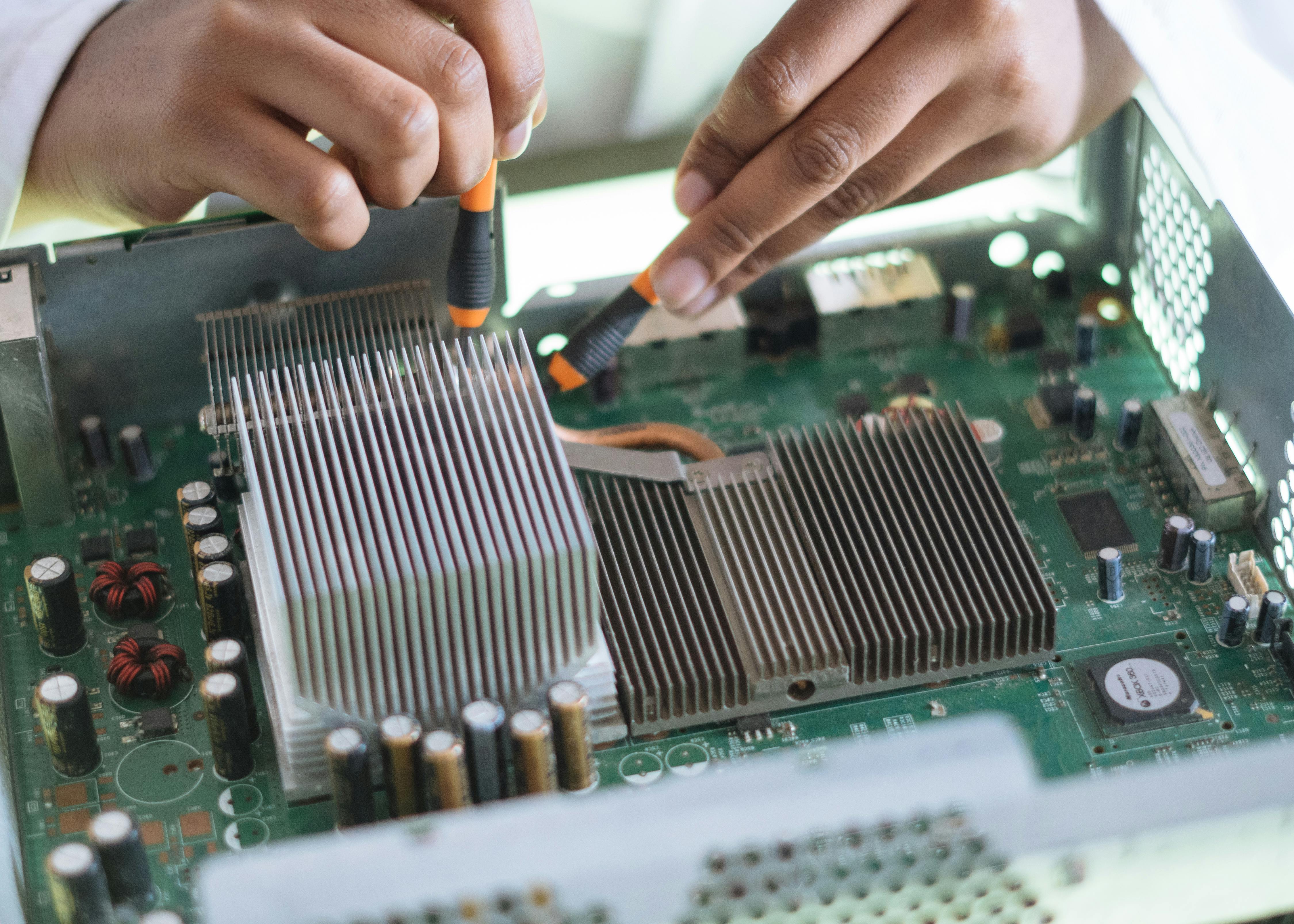
Caption: An opened laptop revealing storage, battery, and cooling components that can be designed as replaceable modules. Source: Pexels.
Software, Firmware, and Parts Pairing
Modern hardware is inseparable from its software stack. Manufacturers increasingly use firmware checks and cloud validation to control which parts are accepted by a device:
- Parts Pairing: Components like screens, batteries, and cameras may be cryptographically tied to a device’s logic board. Replacing them with non‑authorized parts can disable features or show persistent warnings.
- Diagnostic Tools: Many advanced repairs require manufacturer‑only software to calibrate sensors or verify component authenticity.
- Bootloader and Firmware Locks: Locked bootloaders and signed firmware can prevent the installation of alternative operating systems, limiting software‑based life‑extension for otherwise functional hardware.
Right‑to‑repair legislation increasingly addresses these issues by requiring access to necessary software tools and preventing manufacturers from using purely artificial lockouts to block legitimate repairs.
Teardowns and Repair Scores: Public Accountability for Design
Independent organizations and creators have turned teardowns into a form of public oversight. Detailed disassemblies show how repair‑friendly (or hostile) each new product really is.
How Teardowns Work
- Devices are carefully disassembled while documenting each step, tool, and obstacle.
- Repairers note adhesive use, cable routing, modularity, and availability of standard parts.
- A repairability score is assigned—often on a 1–10 scale—for consumers and policymakers.
iFixit’s repairability scores, for instance, are frequently cited by outlets like The Verge and Engadget, turning once‑obscure metrics into mainstream buying criteria.
“We’re holding hardware companies accountable by showing the world exactly how fixable—or unfixable—their latest gadgets are.” — iFixit editorial stance
The visibility of these teardowns incentivizes manufacturers to improve: a poor repairability score is now a PR liability, while a high score can be a selling point for sustainability‑minded buyers.
Scientific Significance: E‑Waste, Resource Use, and Carbon Footprint
From an environmental science perspective, device longevity is a powerful lever for reducing resource use and greenhouse‑gas emissions. The bulk of a smartphone’s lifetime emissions often comes from manufacturing, not day‑to‑day charging.
E‑Waste and Materials
- Resource Extraction: Smartphones and laptops require rare earth elements, copper, lithium, cobalt, and gold. Mining and refining these materials has social and environmental costs.
- E‑Waste Volume: The Global E‑waste Monitor (United Nations) reports tens of millions of metric tons of e‑waste annually, much of it improperly recycled or exported.
- Recycling Limitations: Complex, glued, or miniaturized assemblies make material recovery inefficient, so extending product life often has greater impact than marginal recycling improvements.

Caption: Electronic waste from discarded computers and peripherals, underscoring the environmental cost of disposable tech. Source: Pexels.
Life‑Cycle Impact of Longer‑Lasting Devices
Studies from organizations like the European Environment Agency and the European Commission’s Joint Research Centre consistently show that extending the service life of electronics by even 1–2 years can:
- Reduce associated CO₂ emissions by double‑digit percentages over a product category.
- Slow demand for raw materials, easing pressure on mining and supply chains.
- Lower household and enterprise expenditure on frequent device replacement.
Extending the lifetime of smartphones by just one year across the EU would save emissions equivalent to taking millions of cars off the road for a year, according to life‑cycle analyses summarized by European agencies.
Milestones: Industry Responses and Emerging Repair Ecosystems
Public pressure and impending regulation have pushed major manufacturers to experiment with new repair models—some promising, some partial.
Manufacturer Repair Programs
- Official Self‑Repair Initiatives: Several high‑profile smartphone and laptop makers now sell select parts and tools directly to consumers and independent shops, sometimes in partnership with third‑party platforms like iFixit.
- Authorized Networks: Expanded authorized repair networks provide more local options, though they may still be bound by strict parts policies and pricing.
- Design Shifts: Some companies have publicly highlighted easier‑to‑replace batteries, modular ports, or removable SSDs in newer product generations.
Third‑Party and Community Repair
Alongside official programs, community‑driven repair ecosystems continue to grow:
- Local independent repair shops that specialize in board‑level electronics repair and microsoldering.
- Online communities—such as subreddits, Hacker News threads, and dedicated forums—sharing repair guides, schematics, and firmware workarounds.
- Repair cafés and makerspaces where volunteers help neighbors fix devices, promoting repair literacy.
For enthusiasts who want to build or maintain more repairable systems, modular and open‑standard hardware remains attractive. For example, using a user‑replaceable NVMe SSD like the Crucial P3 Plus 500GB in a laptop or desktop allows easy storage upgrades without discarding the entire machine.
Practical Tools: How Consumers Can Choose and Maintain Longer‑Lasting Devices
As right‑to‑repair gains momentum, consumers can already make more informed choices to avoid disposable tech and extend device life.
Before You Buy: Evaluating Repairability
- Check repair scores: Look up iFixit repairability ratings or similar assessments before purchasing phones, laptops, and tablets.
- Look for modularity: Favor products that advertise replaceable batteries, storage, and memory.
- Investigate software support: Long‑term OS and security update policies are as important as hardware longevity.
- Consider standards: Devices using USB‑C, industry‑standard RAM, and standard SSDs generally offer easier and cheaper repair and upgrade paths.
After You Buy: Maintaining and Repairing
A few habits and basic tools can significantly extend the life of your devices:
- Keep batteries healthy by avoiding constant 100% charge and high‑heat environments.
- Use protective cases and high‑quality surge protection to prevent physical and electrical damage.
- Clean fans and vents periodically on laptops and desktops to reduce thermal stress.
- Replace worn batteries and failing storage early instead of running devices to catastrophic failure.
For safe DIY work, a good toolkit is essential. A widely used option is the iFixit Pro Tech Toolkit, which includes precision drivers, spudgers, tweezers, and opening picks designed for modern electronics.
Challenges: Security, Safety, and Economic Tensions
Manufacturers frequently argue that opening up repair will compromise security, safety, and intellectual property. Right‑to‑repair advocates counter that these concerns can be addressed with targeted standards rather than broad restrictions.
Security and Safety Concerns
- Counterfeiting and Malicious Mods: Companies worry that unrestricted parts markets could increase counterfeit components or malicious hardware modifications.
- Data Security: Poorly handled repairs might expose user data if technicians lack proper training or tools.
- Safety‑Critical Systems: Devices such as medical equipment, EV batteries, and industrial control systems have legitimate safety constraints.
Advocates propose approaches such as technician certification standards, tamper logs, and secure‑element design that preserve user control while mitigating genuine risks.
Business Model Friction
There is also an economic dimension:
- Shorter device lifecycles can boost sales and revenue in saturated markets.
- Exclusive repair networks generate high‑margin service income.
- Subscription models and “hardware as a service” offerings complicate notions of ownership and repair rights.
Many economists note that shifting from a throughput model (sell more units) to a durability model (support longer use) requires rethinking incentives, from design all the way to after‑sales service.
Culture and Community: Enthusiasts Push Back Against Disposable Tech
Online communities such as Hacker News, Reddit’s r/RightToRepair, and various hardware enthusiast forums have become hubs for:
- Sharing repair guides, schematics, and troubleshooting tips.
- Documenting software workarounds for overly restrictive firmware.
- Nostalgic comparisons between older, more repairable hardware and tightly sealed modern devices.
Influential voices, including repair advocates, security researchers, and sustainability experts, use platforms like Twitter/X, YouTube, and LinkedIn to discuss case studies and policy updates. For example, YouTube channels such as Louis Rossmann and Linus Tech Tips have highlighted how repair restrictions affect both consumers and small businesses.
These conversations are steadily reframing gadgets as long‑term tools rather than short‑term fashion accessories, reinforcing the idea that maintaining and upgrading devices is both technically feasible and culturally valued.
Advanced Tools and Methods: When Repairs Go Beyond Basics
Not all repairs stop at swapping batteries or screens. Board‑level work and firmware recovery are increasingly common in independent shops, especially for high‑value laptops and phones.
Microsoldering and Board‑Level Repair
Skilled technicians use hot‑air stations, microscopes, and fine‑tip soldering irons to:
- Replace charging ports and power‑management ICs.
- Reflow or reball BGA chips such as GPUs and CPUs.
- Repair corroded traces caused by liquid damage.
While this is beyond what most consumers will attempt, its existence proves that many “unfixable” devices can, in fact, be revived if the right know‑how and parts are available.
Firmware Tools and Data Recovery
Advanced repair labs also work with:
- Specialized programmers to reflash firmware chips.
- Data‑recovery techniques for failing SSDs and flash storage.
- Diagnostic boards and test fixtures originally designed for factory use.
The right‑to‑repair debate increasingly revolves around whether independent professionals should be granted legitimate access to such tools and documentation rather than relying on gray‑market sources.
Extra Value: Simple Strategies to Extend Device Life Today
Even before laws fully catch up, there are practical steps you can take right now to stretch your hardware budget and lower your environmental footprint:
- Choose devices with proven longevity (business‑class laptops, repair‑friendly phones, modular desktops).
- Buy slightly higher‑end configurations and keep them longer instead of frequent low‑end upgrades.
- Use high‑quality chargers and cables that meet official standards to reduce wear and risk.
- When upgrading, pass on functional older devices to family members, schools, or certified refurbishers instead of discarding them.
A modest investment in backup storage and maintenance tools can pay for itself by preventing data loss and enabling safe part replacements. For example, combining an external backup drive with a reliable screwdriver kit gives you both data safety and repair flexibility.
Conclusion: Designing a Repairable Future
Right‑to‑repair is no longer a fringe idea—it is reshaping laws, product roadmaps, and consumer expectations worldwide. As repairability scores become part of reviews, and as regulators demand access to parts and documentation, manufacturers are being pushed toward more sustainable, user‑centric designs.
The long‑term vision is clear: devices that are modular, maintainable, and supported with durable software; an ecosystem where independent shops thrive alongside official channels; and a culture that values fixing over discarding. Whether you are a casual user, IT decision‑maker, or policy analyst, the choices you make—and the pressure you apply—will help determine how quickly we move from disposable tech to truly repairable tools.
Staying informed through reputable tech journalism, paying attention to repairability at purchase time, and supporting organizations working on right‑to‑repair are all concrete steps toward that future.
References / Sources
Explore these resources for deeper dives into right‑to‑repair, e‑waste, and sustainable hardware design:
- iFixit – Right to Repair overview
- U.S. FTC – “Nixing the Fix” Report to Congress
- European Commission – Right to Repair initiative
- The Verge – Right to Repair coverage
- Wired – Right to Repair archive
- Ars Technica – Gadgets & right‑to‑repair reporting
- Global E‑waste Monitor – United Nations‑supported reports
- Louis Rossmann – Right‑to‑repair advocacy and repair case studies
- YouTube – Example policy discussion on right‑to‑repair
