
Why Right-to-Repair Is Redefining Tech: Device Longevity, Sealed Gadgets, and the End of Disposable Electronics
Right-to-repair has become one of the most consequential debates in modern consumer technology. What started as a campaign by tinkerers, farmers, and independent repair shops has evolved, by 2025–2026, into a global policy issue shaping how phones, laptops, appliances, and even medical devices are designed, serviced, and discarded. The core question is deceptively simple: when you buy a device, do you truly own it—hardware, software, and all—or are you merely licensing a sealed, time-limited service?
Across the United States, European Union, and other regions, legislators now require manufacturers to provide spare parts, repair documentation, and in some cases software tools for a minimum number of years. At the same time, high-profile companies such as Apple, Samsung, Microsoft, and major appliance brands are introducing self-service repair programs, often under regulatory and public pressure. Review outlets like Ars Technica, Wired, The Verge, and TechRadar now factor repairability into product scores, while teardown platforms like iFixit have turned the inside of a device into a public accountability report.
“If you can’t fix it, you don’t really own it.”
Visualizing the Right‑to‑Repair Landscape
The right‑to‑repair movement spans lawmakers, engineers, hobbyists, environmentalists, and large tech firms responding to regulatory and social pressure.

Mission Overview: What Right‑to‑Repair Seeks to Achieve
At its core, right‑to‑repair is about aligning device design and corporate policy with three overarching goals:
- Practical device longevity – ensuring that batteries, screens, ports, and other wear components can be replaced at reasonable cost for many years.
- True ownership and autonomy – enabling owners and independent technicians to repair, refurbish, and repurpose hardware without legal or technical lock‑outs.
- Environmental sustainability – reducing e‑waste and embodied carbon by extending the useful life of hardware instead of encouraging frequent replacement.
The movement intersects with consumer rights, antitrust concerns, and climate policy. Farmers pushed back against locked‑down tractors, hospitals objected to opaque service contracts on critical equipment, and everyday consumers questioned why a battery swap could cost half the price of a new phone.
“Restricting independent repair raises prices, reduces choice, and increases waste. These are exactly the types of harms competition law is meant to prevent.”
Policy Landscape: New Laws and Regulatory Pressure
Between 2022 and 2025, the regulatory environment around repair changed dramatically, especially in the EU and several U.S. states. While exact details vary, recurring themes include mandatory parts availability, repair documentation, and minimum support windows.
European Union: Sustainability and E‑Waste at Center Stage
The EU’s broader Green Deal, Circular Economy Action Plan, and ecodesign regulations have steadily expanded repair‑related requirements:
- Spare parts availability for many classes of electronics and appliances for 5–10 years after sale.
- Access to repair information for professional and, increasingly, independent repairers and consumers.
- Software support expectations and attempts to curb premature obsolescence caused by missing security updates.
- Product labels and proposed “repairability scores” akin to energy labels, helping consumers compare longevity.
Media outlets like Ars Technica and Wired closely track how these rules translate into practice: which devices actually get parts catalogs, how pricing works, and whether independent shops can realistically compete with authorized service centers.
United States: State‑Level Laws and Federal Scrutiny
In the U.S., progress has come mostly via state legislation and federal guidance:
- States such as New York, Minnesota, and California have passed digital right‑to‑repair laws covering a broad range of consumer electronics.
- The Federal Trade Commission has signaled willingness to challenge anti‑repair practices under competition and consumer‑protection law.
- Agreements between manufacturers and state attorneys general continue to shape how self‑service parts, manuals, and tools are rolled out.
Coverage on The Verge and TechCrunch often highlights how quickly—and how selectively—big tech companies respond once a new law takes effect.
Technology and Design: Why Modern Gadgets Became So Hard to Fix
Many of the same engineering choices that gave us ultra‑thin phones, waterproof laptops, and ultra‑compact wearables also made them harder—or sometimes nearly impossible—to repair. Right‑to‑repair advocacy has forced a re‑examination of those trade‑offs.
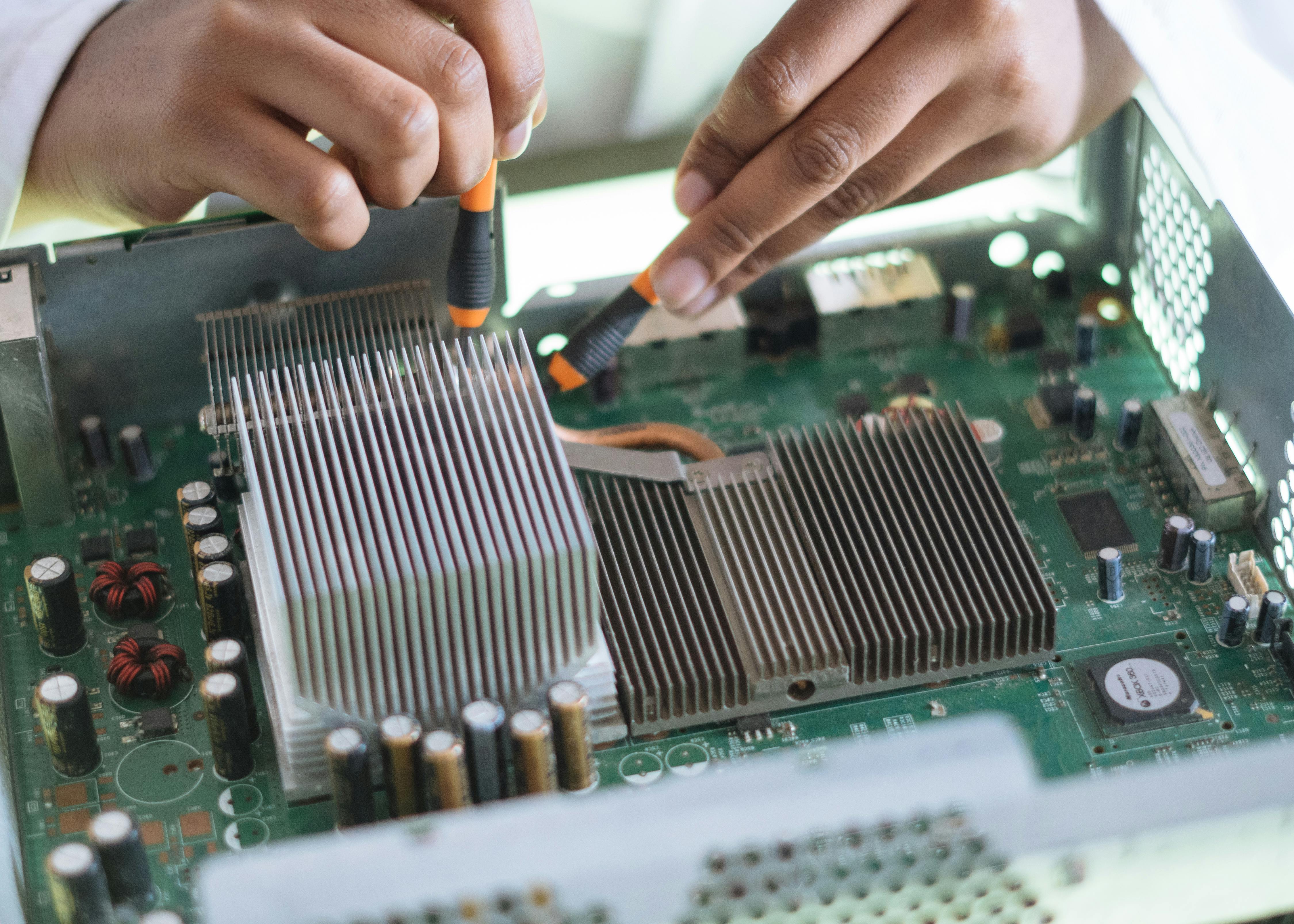
Thinness vs. Modularity
Space is at a premium in compact devices. To win design and portability points, engineers often:
- Glue batteries into irregular cavities instead of using screw‑mounted modules.
- Solder RAM and sometimes SSDs to the mainboard, preventing future upgrades.
- Use fragile flex cables and stacked boards that complicate disassembly.
Teardown experts like iFixit expose these choices through detailed breakdowns and repairability scores, which are frequently cited by TechRadar and Engadget.
Water Resistance vs. Reopenability
Sealed designs with adhesives, gaskets, and non‑removable backs improve water resistance but often require:
- Heat and specialized tools to open safely.
- Replacing gaskets and resealing adhesives after every repair.
- Potential loss of official water‑resistance rating post‑repair.
Engineers are now experimenting with designs that combine re‑sealable gaskets, standardized screws, and accessible modules without sacrificing durability.
Security, Firmware, and Serialized Parts
Security features and anti‑theft measures can unintentionally—or intentionally—block repair:
- Parts pairing (serialization) – components like screens or batteries are cryptographically linked to the device’s logic board, limiting third‑party replacement.
- Diagnostic software locks – post‑repair calibration tools are restricted to authorized service centers.
- Firmware checks – unsigned or non‑OEM parts may trigger warnings or disabled features.
“The challenge is distinguishing legitimate security needs from business models that rely on locking out competition.”
Device Longevity as a Feature: Reviews, Software Support, and Buying Decisions
Repairability has moved from an obscure spec into a visible selling point. Major review sites now treat longevity as a core attribute, not a footnote.
Repairability in Reviews and Teardowns
Publications like TechRadar, Engadget, and The Verge increasingly:
- Reference iFixit repairability scores in their verdicts.
- Highlight whether batteries are glued or screwed in.
- Mention how many years of OS updates the vendor promises.
On social platforms like YouTube and TikTok, repair channels show that many failures—broken ports, cracked screens, degraded batteries—are technically simple to fix if parts and documentation are accessible.
Software Support Windows and “True Cost” of Devices
Longevity is not just about hardware. Software updates determine:
- Security lifespan – how long a device remains safe to use online.
- App compatibility – whether developers still support the OS version.
- Performance and features – new capabilities or performance optimizations.
Companies now market 5–7 years of security updates as a premium feature, especially on flagships. Consumers on forums and sites like Hacker News increasingly weigh “total cost of ownership” over sticker price—factoring in repairability, expected support windows, and resale value.
DIY Repair and Tools: Empowering Users and Independent Shops
Alongside policy changes, an ecosystem of tools, guides, and modular devices has emerged to make repair more approachable.

Self‑Service Repair Programs from Major Manufacturers
Apple, Samsung, Microsoft, and others now offer self‑service repair portals with:
- Official spare parts (often at premium prices).
- Rental or purchase of proprietary tools.
- Access to service manuals and step‑by‑step instructions.
Advocates argue that while these are steps in the right direction, high costs, limited device coverage, and continued parts pairing can make them more about regulatory compliance than genuine empowerment.
Independent Tools and Kits (Including Amazon Options)
For many common phone, laptop, and game console repairs, a good precision toolkit and some guidance are enough. Enthusiasts often recommend:
- A comprehensive precision screwdriver kit such as the iFixit Minnow Precision Bit Set , which covers most small electronics.
- Magnetized drivers, spudgers, tweezers, and suction cups for safely opening devices without damaging cables or glass.
- An ESD‑safe work surface and wrist strap for handling sensitive components.
Combined with reputable step‑by‑step guides and video tutorials, these tools can extend the life of laptops, phones, and game consoles by years, while saving substantial money and reducing waste.
Scientific and Environmental Significance: E‑Waste, Lifecycle Analysis, and Carbon
E‑waste is one of the fastest‑growing waste streams globally. Modern electronics contain complex mixtures of plastics, precious metals, rare earth elements, and hazardous substances. From a scientific and environmental perspective, extending device lifespans through repair offers substantial benefits.
Lifecycle and Embodied Carbon
Research into lifecycle assessment (LCA) consistently shows that a large portion of a device’s total carbon footprint comes from manufacturing, not daily use. Key insights include:
- Producing a smartphone can emit tens of kilograms of CO₂‑equivalent before it is ever turned on.
- Laptops, monitors, and TVs often have even higher embodied carbon due to larger screens and more materials.
- Extending a device’s life by 2–3 years can significantly reduce its annualized climate impact.
Environmental agencies and NGOs therefore increasingly frame right‑to‑repair as a climate policy lever: keep working hardware in service longer and slow the replacement cycle.
Material Recovery and Resource Scarcity
Even with advanced recycling, recovering high‑purity metals and rare earth elements from e‑waste is chemically and energetically expensive. Repair and reuse:
- Reduce demand for virgin materials and mining impacts.
- Delay the need for energy‑intensive recycling processes.
- Support a more circular economy where value is preserved longer.
“The greenest device is the one you already own—especially if you can repair it.”
Key Milestones and Case Studies
The shift toward repairability is marked by visible milestones across hardware, legislation, and public discourse.
Notable Milestones in the Right‑to‑Repair Movement
- Legislative breakthroughs – EU ecodesign regulations, and U.S. state‑level right‑to‑repair laws covering consumer electronics and agricultural equipment.
- High‑profile corporate programs – Apple Self Service Repair, Samsung’s repair partnerships, Microsoft’s increased support for Surface device parts.
- Repairability ratings – iFixit scores and EU “repair index” proposals turning internal design decisions into consumer‑visible metrics.
- Media normalization – mainstream coverage in outlets like Wired’s right‑to‑repair reporting making the issue familiar to non‑technical audiences.
Modular and Repair‑First Devices
Some companies have gone further by designing products with repair at the center. Well‑known examples include modular laptops and phones that:
- Use standardized screws and labelled internals.
- Offer easily replaceable ports, keyboards, and batteries.
- Provide open documentation, schematics, and community‑driven repair guides.
These designs demonstrate that competitive performance and repairability are not mutually exclusive—though they often challenge conventional thin‑and‑sealed aesthetics.
Challenges: Trade‑Offs, Loopholes, and Remaining Barriers
Despite momentum, right‑to‑repair faces real technical, economic, and political obstacles.
Engineering and Safety Trade‑Offs
Some design choices that hinder repair also address legitimate goals:
- Battery safety – tightly integrated battery designs can reduce movement and puncture risk but complicate replacement.
- Structural rigidity – unibody chassis and glued layers can improve durability while making access difficult.
- Medical and industrial equipment – incorrect repairs can pose life‑safety or regulatory risks.
Thoughtful standards are needed to balance repairability with safety and reliability, rather than treating them as opposing goals.
Economic Incentives and Business Models
Many companies rely on:
- Profits from authorized repair services and extended warranties.
- Rapid upgrade cycles to sustain revenue and investor expectations.
- Lock‑in effects from proprietary parts and tooling.
Shifting toward repair‑friendly models may involve new revenue streams—such as certified parts marketplaces, refurbishment programs, or long‑term support subscriptions.
Legal and Technical Lock‑Outs
Even where laws exist, enforcement and loopholes matter. Common friction points include:
- Ambiguous definitions of which devices and components are covered.
- High pricing for OEM parts and tools that makes repair uneconomical.
- Continued use of parts pairing and remote server validations that undermine practical repair options.
“Paper compliance is not enough; the test is whether an ordinary user can realistically afford to keep a device running.”
Practical Guidance: How to Buy and Maintain Longer‑Lived Devices
For consumers and professionals who want to support repairability and device longevity, choices at purchase time and during use matter.
What to Look for When Buying
- Repairability information – iFixit scores, EU repair indexes, or clear statements about spare parts availability.
- Software support commitments – explicit promises on years of security and OS updates.
- Modular components – user‑replaceable batteries, accessible SSDs and RAM in laptops, standard screws.
- Strong third‑party ecosystem – availability of independent repair shops and parts suppliers.
Maintaining and Repairing Your Devices
You can extend device life by:
- Using protective cases and screen protectors to reduce physical damage.
- Storing batteries away from extreme heat, avoiding full charge/discharge stress.
- Addressing small issues early (e.g., loose ports, noisy fans) before they cause cascading damage.
- Following high‑quality guides such as those from iFixit or trusted YouTube technicians.
When repairs exceed your skill level, independent repair shops—with access to parts and diagnostics—can often provide cost‑effective fixes compared with full replacement.
Social and Cultural Dimensions: From Hacker News to TikTok
Right‑to‑repair resonates widely because it connects personal frustrations with broader systemic issues: cracked screens and dead batteries on one hand, corporate control and e‑waste on the other.
On communities like Hacker News, long discussions dissect trade‑offs between thinness and modularity, water‑resistance and openness, convenience and long‑term costs. Developers share reverse‑engineered tools and firmware insights, while hardware enthusiasts demonstrate recelling battery packs or reviving “dead” laptops with simple component swaps.
Meanwhile, on YouTube and TikTok, creators post satisfying repair videos that demystify the inside of gadgets. Channels focused on console repair, phone board‑level fixes, and laptop refurbishment show viewers that many “unfixable” devices simply suffer from a few failed components.
This blend of policy, engineering, economics, and internet culture keeps right‑to‑repair at the intersection of hardware design, corporate power, and environmental sustainability—fueling ongoing coverage in tech media and beyond.
Conclusion: From Disposable Gadgets to Durable Infrastructure
The backlash against sealed, non‑repairable gadgets marks a deeper shift in how society views technology. Phones, laptops, and appliances are no longer seen as disposable toys—they are critical infrastructure for work, communication, healthcare, and education. As such, they must be durable, maintainable, and secure over long lifespans.
Right‑to‑repair laws, evolving manufacturer policies, and a vibrant culture of teardowns and DIY fixes are collectively pushing the industry toward more sustainable, user‑respecting designs. The path ahead involves difficult trade‑offs and ongoing negotiation among engineers, policymakers, companies, and users—but the direction of travel is clear: devices that live longer, waste less, and give their owners meaningful control.
For individuals, the most impactful steps are to:
- Buy with longevity and repairability in mind.
- Maintain and repair rather than replace whenever feasible.
- Support policies and companies that treat repair as a right, not a privilege.
Additional Resources and Further Reading
To dive deeper into the technical, legal, and environmental aspects of right‑to‑repair and device longevity, consider exploring:
- iFixit’s Right‑to‑Repair hub for repair guides, policy updates, and teardown analyses.
- The European Right to Repair Campaign for EU‑focused advocacy and research.
- YouTube right‑to‑repair playlists featuring teardowns, tutorials, and policy explainers.
- Long‑form reporting and op‑eds on Ars Technica’s hardware section and Wired’s right‑to‑repair coverage.
References / Sources
Selected sources for further verification and context:
