
Why RFK Jr.’s Offal Advice Misses the Point About Food, Health, and Power
When Offal Becomes a Political Football
Food, politics, and health are never really separate. From supermarket prices to taco trucks, from food stamps to viral wellness clips, what we eat is shaped as much by policy and power as by personal preference. RFK Jr.’s recent advice to eat more offal—organ meats like liver and heart—sits right in the middle of this swirl: part nutrition trend, part culture war signal, part distraction from much bigger food system problems.
If you’ve ever felt whiplash from conflicting food advice—eat meat, avoid meat, go organic, go local, eat nose-to-tail, avoid processed foods—you’re not alone. Most people are just trying to feed themselves and their families decently on limited time and money. In that reality, it can be hard to know what actually matters for your health versus what’s mostly political theater.
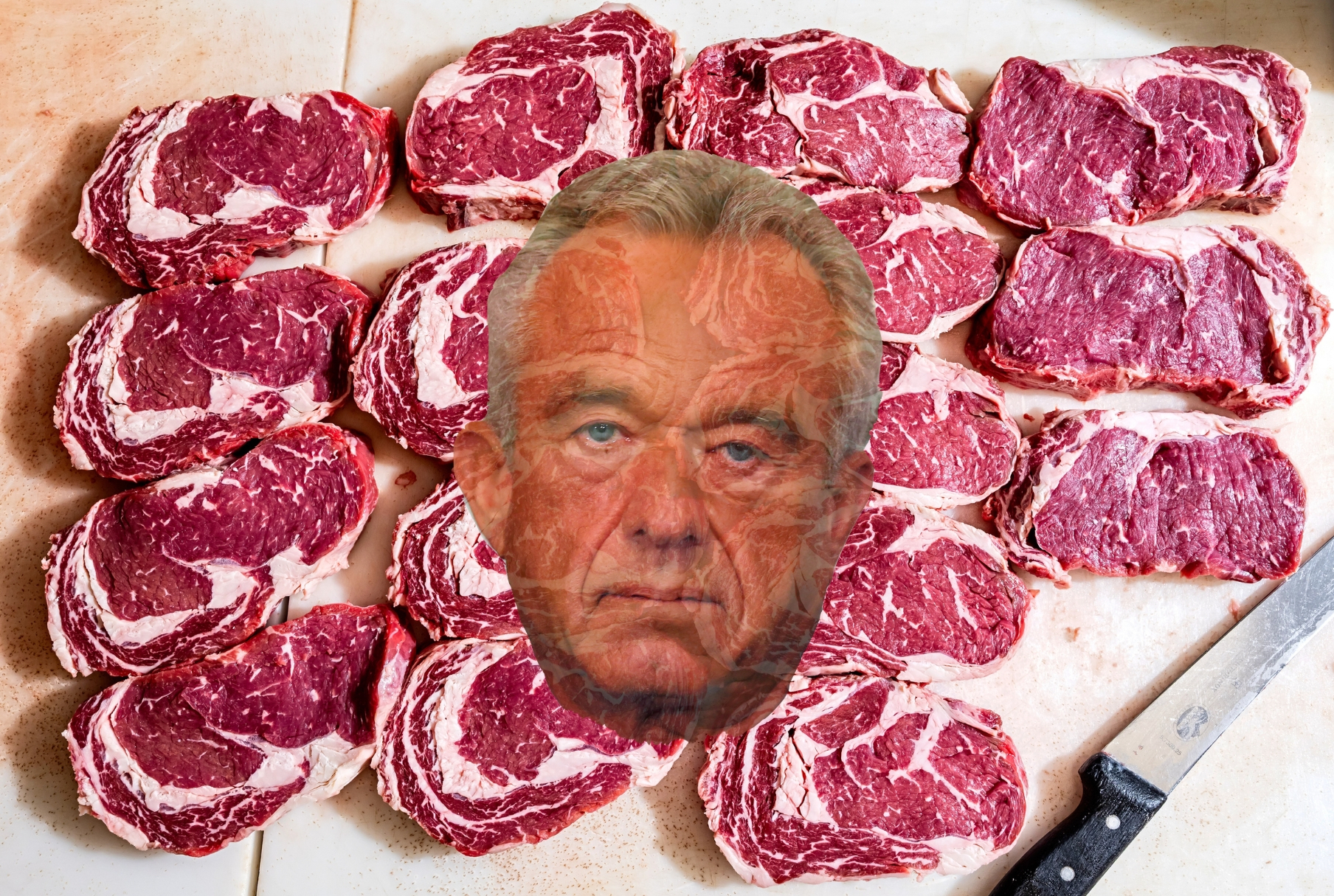
In this article, we’ll unpack what offal actually offers nutritionally, how it’s being used symbolically in our politics, and how you can make grounded, sustainable food choices without getting pulled into extremes—whether you’re curious about liver or would rather never see a kidney on your plate.
The Real Issue: Nutrition Advice in a Rigged Food System
RFK Jr.’s offal advice lands in a food system where:
- Ultra-processed foods are often cheaper and more available than fresh produce.
- Workers who grow, process, and serve food face harsh and sometimes dangerous conditions.
- Government programs like SNAP (food stamps) are regularly pulled into ideological fights.
- Viral wellness trends spotlight “superfoods” instead of systemic fixes like better wages or safer workplaces.
In that context, telling people to eat more liver can feel oddly narrow. It treats health as strictly an individual choice—if you just ate like our ancestors—while sidestepping questions like: Who can afford what? Who has time to cook? Who works in the slaughterhouses and packing plants that make this meat possible?
“Most of the biggest drivers of diet-related disease are structural: income, environment, and policy. Personal responsibility still matters—but it’s like asking someone to swim upstream in a very strong current.”
— Adapted from public health research summaries, 2020–2025
That doesn’t mean your individual food choices don’t matter. They do. But they matter inside a system that often makes the healthiest choices the hardest ones. Any honest conversation about offal—or any other nutrition trend—has to hold both truths at once.
What Is Offal, Really? Nutritional Upsides and Downsides
“Offal” refers to the internal organs and sometimes other parts of animals that aren’t skeletal muscle—things like liver, heart, kidneys, tongue, tripe (stomach), and more. In many cultures, these are prized foods, not fringe items. Think:
- Mexican tacos de lengua (tongue) or tripas (tripe)
- French pâté and foie gras
- West African and Caribbean stews with liver or kidney
- Scottish haggis (lamb organs with oats and spices)

Evidence-Based Benefits
Research up through the mid‑2020s shows that many organ meats are:
- Nutrient dense: rich in iron, B vitamins (especially B12), vitamin A (in liver), zinc, and high-quality protein.
- Cost-effective: often cheaper per gram of protein and micronutrients than steak or chicken breast.
- Supportive of reduced waste: “nose-to-tail” eating can reduce food waste by using more of each animal.
Real Risks and Limitations
At the same time, offal is not a magic bullet—and it isn’t ideal for everyone.
- Very high in vitamin A (liver): Regularly eating large amounts of liver can lead to vitamin A toxicity, especially in pregnancy.
- High in cholesterol and purines: This can be an issue for people with certain heart or metabolic conditions, gout, or kidney problems.
- Taste and texture barriers: Many people find offal challenging to prepare or eat, especially without cultural familiarity.
Why Offal Became a Political Symbol
Organ meats have quietly existed in traditional cuisines for centuries. So why are they suddenly politically charged? In the last few years, eating liver and other offal has become a kind of cultural shorthand on social media and in some political circles:
- As a stand‑in for “real” or “ancestral” masculinity.
- As a rejection of plant‑based or climate‑conscious eating campaigns.
- As a way to signal independence from “elite” nutrition advice.
When RFK Jr. or any other political figure promotes offal, they’re rarely talking only about nutrients. They’re talking about identity: who you are, what tribe you’re in, and what you think about government and experts. This can blur the line between useful dietary ideas and polarizing symbolism.

For people just trying to stay healthy, this is exhausting. You shouldn’t have to declare a political allegiance every time you decide whether to order tacos de lengua or bean burritos. A more grounded approach is to separate:
- What the science says about the food itself.
- Who can realistically access and cook it.
- How it’s being used rhetorically online or on the campaign trail.
You can appreciate nutrient density and culinary tradition without buying into culture‑war framing or dismissing people who prefer not to eat organs at all.
Curious About Offal? How to Try It Safely and Sanely
If you’re offal‑curious—but wary of extreme claims—there are grounded ways to experiment. You don’t need to choke down raw liver or buy expensive supplements to see whether organ meats have a place in your diet.
Step‑by‑Step: A Gentle Introduction
- Start with familiar dishes.
Order a traditional dish at a trusted restaurant—like tacos de lengua or a well‑made pâté—so you can taste offal prepared by someone who knows what they’re doing. - Begin with small portions.
Think of organ meats as a garnish or side, not the whole plate. A couple of bites mixed into ground meat can be more approachable than a whole slab of liver. - Blend, don’t spotlight.
You can finely chop a small amount of liver or heart and mix it into meatballs, burgers, or chili. Many people don’t notice the difference in taste but still get some nutritional boost. - Pay attention to your body.
Notice how you feel a few hours and a day after eating offal. Digestive discomfort, headaches, or other symptoms may be a sign to pull back and talk with a clinician. - Skip the “raw organ” stunts.
From a food safety standpoint, raw organs can carry pathogens. Most public health agencies recommend thorough cooking of organ meats to reduce risk.

Beyond Liver: Building a Realistic, Healthy Plate
Even if organ meats do become a small part of your diet, they’re just that: a part. For long‑term health, large reviews of nutrition research through the 2010s and 2020s keep circling back to a few themes that matter far more than any single “superfood”:
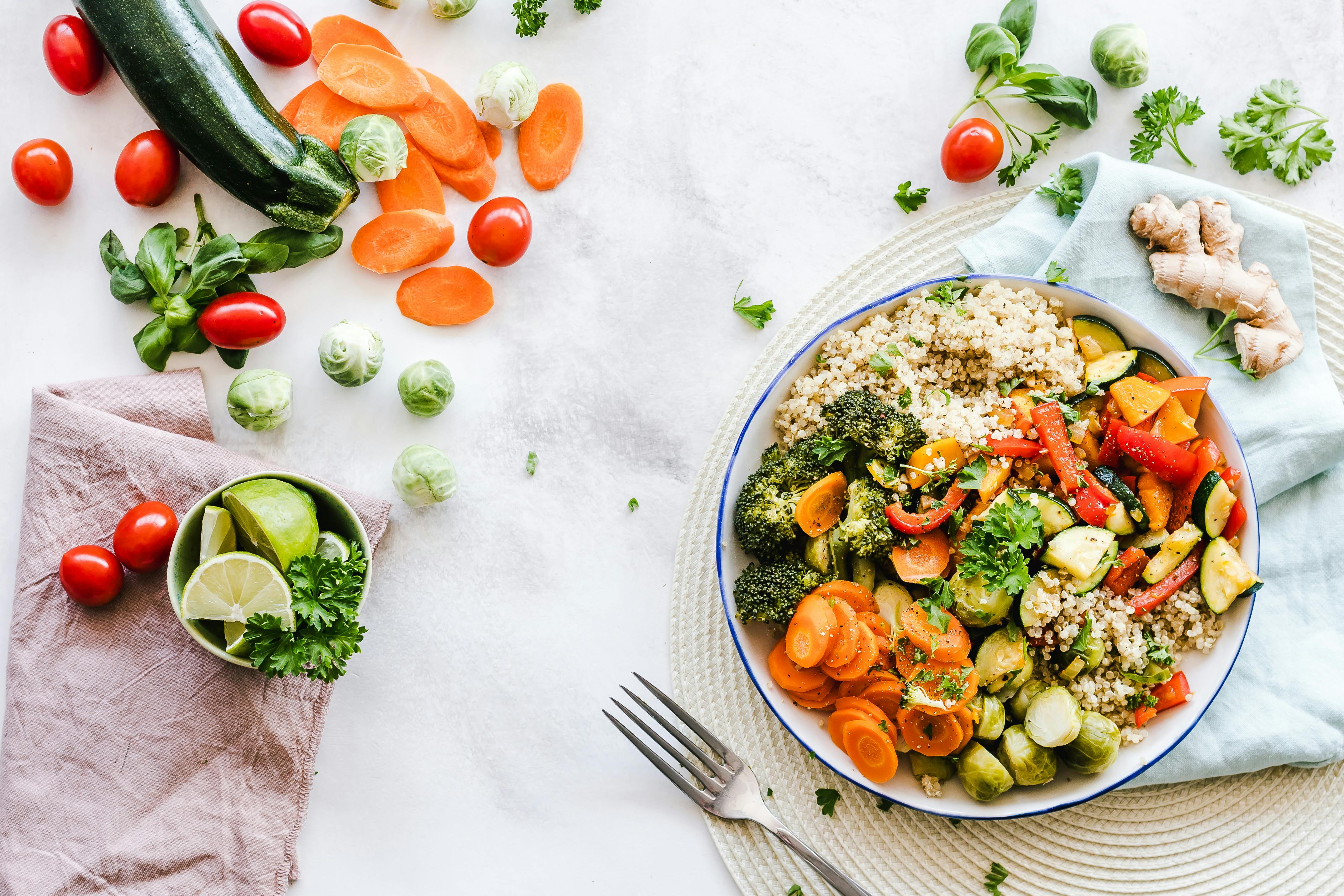
- Plenty of plants: vegetables, fruits, legumes, whole grains, nuts, and seeds.
- Minimizing ultra‑processed foods high in added sugars, refined starches, and industrial fats.
- Reasonable portions of protein—from animals, plants, or both—based on your values and health status.
- Patterns over perfection: what you eat most of the time matters more than any one meal.
A Simple Framework You Can Actually Use
Instead of chasing every new food directive, try this three‑part check for your meals:
- Can I add one plant?
A handful of frozen vegetables, a piece of fruit, or some beans in your rice bowl already nudges your diet in a positive direction. - Can I swap one ultra‑processed item?
Maybe that’s cooking oats instead of sugary cereal, or drinking water instead of soda once a day. - Can I include some filling protein?
That might be eggs, lentils, chicken, tofu, fish—or, occasionally, a small amount of offal if you like it and it fits your health situation.
Common Obstacles—and How Real People Navigate Them
It’s one thing to talk about offal and “better choices” in the abstract. It’s another to make them work in cramped kitchens, long workdays, and tight budgets. Here are some of the most common obstacles, and grounded ways people work around them.
1. “I’m on SNAP or a tight budget.”
For many households, food stamps or unpredictable paychecks mean every dollar counts.
- Organ meats can sometimes be a budget‑friendly source of protein—but prices vary by region and store.
- Pantry staples like beans, rice, frozen vegetables, and eggs often beat everything else for cost‑per‑nutrient.
- Some communities have co‑ops, mutual aid fridges, or church pantries that offer produce and staples; these can matter more for health than access to offal itself.
2. “I don’t have time to cook organs—or anything complicated.”
Offal can be finicky to prepare, and long, demanding workdays don’t leave much room for elaborate recipes.
- Slow cookers and pressure cookers can tenderize tougher cuts, including heart or tongue, with minimal hands‑on time.
- If you’re curious but slammed, it can be more realistic to try offal at a restaurant once in a while rather than forcing it into your weekly routine.
- For many people, simply learning two or three quick, basic recipes with beans, eggs, and frozen vegetables gives more day‑to‑day payoff than mastering liver prep.
3. “It grosses me out.”
That reaction is valid. You don’t need to force yourself into foods that deeply repel you just because a politician or influencer recommends them.
- You can get iron, B vitamins, and protein from many other sources, both animal and plant‑based.
- If you still want the benefits but not the experience, a registered dietitian can help design a plan that fits your comfort zone.
A case example: One client I worked with—let’s call her M.—was a single parent on a tight budget who kept seeing organ meat trends online. Instead of overhauling her diet overnight, we focused on: one extra fruit or vegetable a day, swapping fast‑food breakfasts for eggs and toast three mornings a week, and adding beans to two dinners. Over six months, her energy and lab markers improved notably—without ever touching liver. The “boring” basics mattered most.
What the Research and Experts Actually Say
While RFK Jr. and other public figures may frame offal as a cure‑all or a political badge, nutrition and public health research offers a more measured picture:
- Diet quality patterns matter more than specific foods.
Large cohort studies continue to show that overall patterns—like Mediterranean‑style or plant‑forward diets—are what most strongly predict long‑term outcomes such as heart disease and diabetes risk. - Moderate organ meat intake can fit into many healthy diets.
In most dietary guidelines, organ meats are treated as optional extras—nutrient‑dense but not essential, and to be eaten in moderation due to vitamin A and cholesterol. - Social determinants of health are decisive.
Income, housing stability, education, neighborhood food access, and labor conditions all shape what people eat and how their bodies respond to it.
For deeper reading on these themes, see:
- World Health Organization – Healthy Diet Fact Sheet
- U.S. Department of Agriculture & HHS – Dietary Guidelines for Americans
- Centers for Disease Control and Prevention – Nutrition and Chronic Disease
Choosing Sanity Over Hype in the Offal Debate
RFK Jr.’s offal advice taps into real frustrations: people feel misled by changing guidelines, priced out of “healthy” food, and suspicious of institutions. But turning organ meats into a litmus test—of politics, purity, or masculinity—doesn’t solve those problems. It just moves the spotlight.
You don’t have to pick a team in the liver wars. You can:
- Respect traditional dishes that make smart use of the whole animal.
- Experiment with small amounts of offal if you’re curious and medically safe to do so.
- Ignore it entirely and focus on the broader, better‑supported pillars of healthy eating.
- Support policies and movements that make nourishing food—and safe food‑work—more accessible to everyone.

As you scroll past the next viral clip about miracle foods or dangerous ingredients, pause and ask: Is this helping me take one realistic step toward eating better in my real life? If not, you’re allowed to let it go.
Your next step today can be simple: add one plant to your plate, cook one more meal at home this week, or explore one traditional recipe—offal or not—that connects you to your own culture or curiosity. That’s how meaningful change starts: one doable choice at a time.
