
Why One Ugandan Health Worker Kept Going When HIV Aid Was Cut
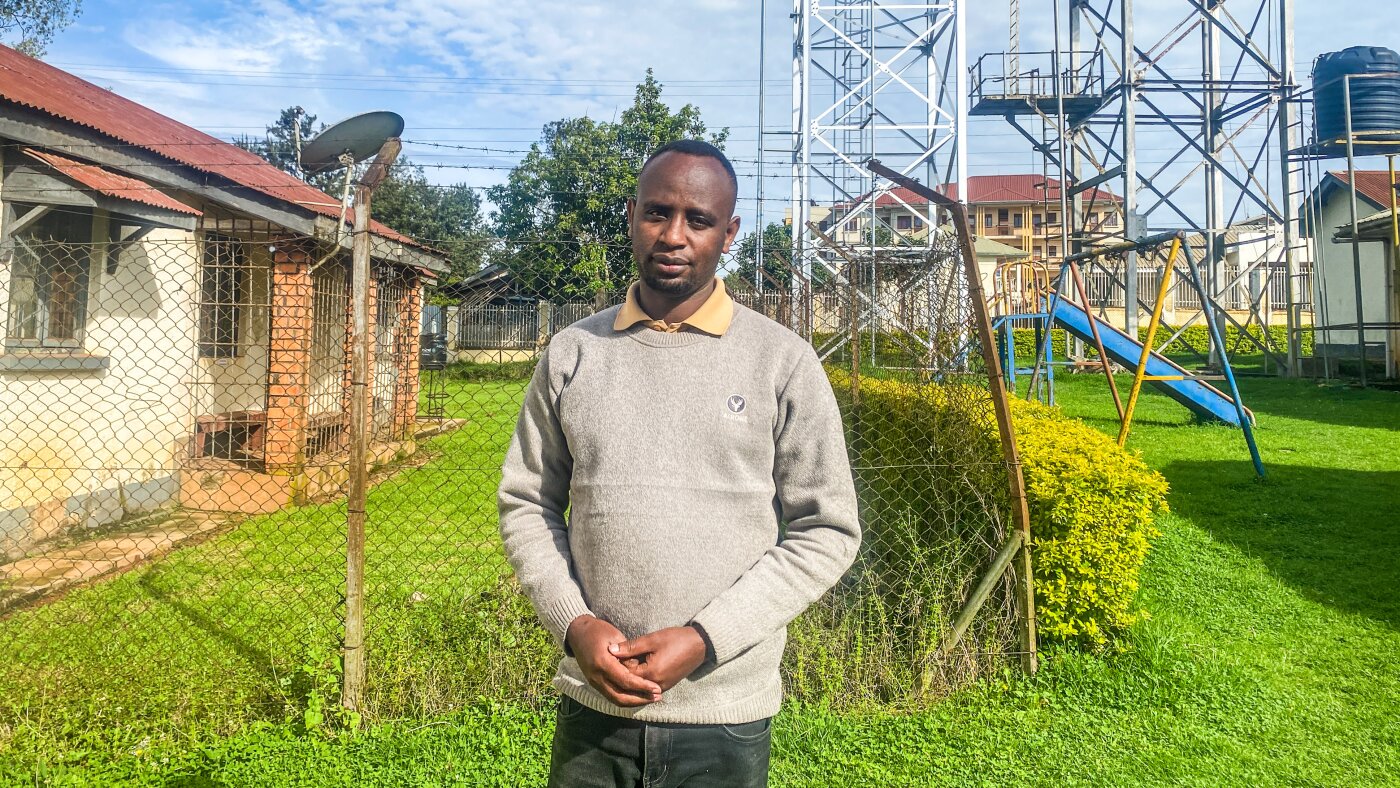
When foreign aid was abruptly cut and programs froze across Uganda, many feared the worst: children missing HIV medication, clinics shuttered, and years of progress reversed in a matter of months. Yet in the middle of this uncertainty, one community health worker, Harerimana Ismail, kept walking from home to home, checking on children with HIV—even after his salary disappeared.
His story, highlighted by NPR, offers a grounded but hopeful glimpse into how community networks, patient resilience, and smart planning helped soften the blow of HIV aid cuts that experts once predicted would be catastrophic.
In this article, we’ll unpack:
- What actually happened when U.S. aid for HIV was paused and cut.
- Why outcomes were not as dire as many feared—thanks in part to people like Ismail.
- What his experience teaches us about resilient HIV care systems.
- Practical lessons for strengthening community health in the face of future funding shocks.
When HIV Aid is Paused: What Was Supposed to Happen vs. What Did
At the start of the Trump administration, the U.S. government paused some foreign aid and issued “stop work” orders affecting multiple programs, including HIV services funded through major initiatives like PEPFAR (the U.S. President’s Emergency Plan for AIDS Relief). Analysts feared:
- Disrupted access to antiretroviral therapy (ART) for people living with HIV.
- Higher rates of treatment interruption, leading to drug resistance and poorer health outcomes.
- Increased HIV transmission, especially among children and adolescents.
- Collapse of community-based support programs when salaries and operating budgets dried up.
Uganda, with its significant HIV burden and strong reliance on external funding, was considered especially vulnerable. That’s the context in which NPR chronicled the work of Harerimana Ismail, a community health worker who supported children and families living with HIV.
“On paper, you could look at the funding lines and predict disaster. On the ground, we saw community workers, families, and clinics doing everything possible to keep treatment going—even when paychecks stopped.”
— Infectious disease specialist working with HIV programs in East Africa
The Story of Harerimana Ismail: Showing Up Without a Paycheck
According to NPR’s reporting, Harerimana Ismail is a community health worker in Uganda whose job was to:
- Visit children with HIV at home.
- Check whether they were taking their medications correctly.
- Watch for side effects or warning signs of illness.
- Help families navigate local clinics and follow-up appointments.
When aid was cut and implementing partners received “stop work” orders, Ismail’s salary vanished at the beginning of the year. The rational decision would have been to find other work immediately. Instead, he kept going.
Ismail continued to walk his usual routes, visit households, and check on kids’ medication adherence. For families, he was often the only consistent, trusted connection to the health system during a confusing period.
“If I stop coming, some of these children will stop taking their drugs. I can’t allow that.”
— Paraphrased from community health worker accounts in Uganda
Why HIV Outcomes Were Not as Dire as Predicted
Early modeling studies suggested that large-scale interruptions in HIV treatment could cause tens of thousands of additional deaths in high-burden countries. While any disruption is serious, follow-up assessments showed that the worst-case scenarios did not fully materialize in many areas.
Several key factors—illustrated by Ismail’s experience—help explain why:
- Resilient community health workers
People like Ismail continued providing:- Medication reminders.
- Psychosocial support to families.
- Early detection of problems before they became emergencies.
- Existing stockpiles and supply planning
Many programs had built-in buffer stocks of antiretroviral medications, so short-term financial shocks did not immediately translate into empty pharmacy shelves. - Rapid program adaptations
Clinics in Uganda and elsewhere shifted to:- Multi-month medication refills where possible.
- Less frequent in-person visits for stable patients.
- Closer partnership with community groups to maintain contact with patients.
- Strong patient and family commitment
Years of education and counseling meant many families understood the importance of sticking with ART, even when services were slowed or confusing.

What Ismail’s Story Reveals About Strong HIV Care Systems
While Ismail’s dedication is remarkable, relying on individual heroism is not a sustainable health strategy. His experience points to the underlying system features that make HIV programs more shock-resistant.
Key lessons include:
- Community health workers are essential, not optional.
They connect clinics and households, especially in rural or under-resourced areas. - Program flexibility saves lives.
The ability to adjust appointment schedules, refill policies, and outreach strategies quickly is crucial during funding or political shocks. - Local ownership matters.
When communities understand and value HIV treatment, they are more willing to keep programs going—even under strain. - Ethical funding practices are critical.
Sudden policy decisions far from patients’ homes can directly impact whether children receive daily medications.
“The backbone of HIV treatment in many African countries is the quiet work of community cadres—people like Ismail—who are too often invisible in high-level funding decisions.”
— Public health policy researcher, global HIV programs
Turning Lessons into Action: How Programs Can Prepare for Future Shocks
For policymakers, NGOs, clinic leaders, and advocates, Ismail’s story is not just inspiring—it’s instructive. Below are practical, evidence-informed steps health systems can take to protect people living with HIV when funding or political conditions shift.
1. Invest in and protect community health workers
- Ensure fair, reliable compensation with contingency plans for funding gaps.
- Provide regular training on adherence counseling, mental health first aid, and stigma reduction.
- Offer emotional support and supervision to reduce burnout.
2. Build buffer stocks and flexible supply chains
- Maintain multi-month reserves of antiretroviral drugs where storage allows.
- Plan logistics to prioritize uninterrupted supply for children and vulnerable groups.
- Coordinate regionally so facilities can support each other during shortages.
3. Empower patients and families
- Provide clear education about why uninterrupted ART is vital.
- Encourage treatment literacy so patients know what to do if systems falter.
- Support peer groups, especially for adolescents living with HIV.

4. Advocate for stable, evidence-based funding
- Share patient and community health worker stories with decision-makers.
- Promote non-partisan, long-term commitments to HIV funding.
- Support transparency about the human impact of aid cuts and pauses.
Real-World Obstacles: What Nearly Went Wrong
Even though outcomes for many patients were better than feared, the period of aid cuts and pauses exposed serious vulnerabilities.
- Financial strain on health workers: People like Ismail absorbed the shock personally, working without pay or with delayed salaries.
- Increased anxiety among patients and families: Not knowing if medication supplies or clinic services would continue can be profoundly stressful.
- Program uncertainty: Clinics and NGOs struggled to plan, hire, or retain staff amid shifting guidance and stop-work orders.
“We were constantly asking, ‘Will we still be here next month?’ That’s not a question patients should have to wonder about when their lives depend on daily medication.”
— Program manager, HIV clinic in East Africa
These challenges are not hypothetical—they’re early warning signs. The fact that worst-case scenarios were avoided doesn’t mean the system is robust; it may mean individuals are overcompensating for systemic fragility.
How This Fits with Broader HIV Research and Global Health Trends
The resilience shown in Uganda during aid cuts aligns with a broader evidence base in global health:
- Studies on differentiated service delivery—tailoring HIV services to patient needs—have shown that multi-month dispensing and community-based refills can maintain or even improve treatment adherence.
- Evaluations of community health worker programs in sub-Saharan Africa consistently associate their involvement with better linkage to care, improved medication adherence, and more timely follow-up for children with HIV.
- Analyses of funding volatility highlight that sudden changes in donor policy can destabilize health systems, making long-term, predictable funding critical to sustaining progress against HIV.
NPR’s reporting on Ismail essentially provides a human face for these findings: a single, dedicated worker embodying a model that global health researchers have been advocating for years.
Moving Forward: Honoring Quiet Heroes and Building Better Systems
The story of Harerimana Ismail is not a feel-good exception—it’s a reminder that behind global health statistics are individuals making hard choices to protect their neighbors. His decision to keep working without pay helped ensure that HIV outcomes in his community were not as dire as many experts once feared.
At the same time, it would be unfair to build a global HIV response that depends on unpaid heroism. If there’s a message to carry forward from NPR’s coverage, it’s this:
- We must design HIV programs that assume funding shocks will happen—and are prepared for them.
- We must treat community health workers as indispensable professionals, not temporary add-ons.
- We must keep the voices of patients and frontline workers at the center of global funding decisions.
Whether you’re a policymaker, health worker, advocate, or someone simply trying to understand global health, you have a role to play in this:
- Share stories like Ismail’s so that the human impact of policy decisions is harder to ignore.
- Support organizations that provide stable, transparent funding for HIV care.
- Advocate for health systems that are people-centered, resilient, and grounded in evidence.
The next time a funding crisis looms, the goal is not just to avoid catastrophe—it’s to ensure that no child’s access to lifesaving HIV treatment depends on whether someone like Ismail can afford to keep walking their route.
