
Why a Leading Autism Researcher Says It’s Time to Rethink the “Spectrum” Label
Many families and autistic adults rely on the idea of an “autism spectrum” to understand their experiences, but pioneering researcher Dame Uta Frith is now calling for a rethink of how we categorize autism and how much we rely on subjective self-reports. This article unpacks what she means, why it matters, and what it could mean for diagnosis, research, and everyday life.
If you or someone you love is autistic, you’ve probably heard phrases like “on the spectrum,” “high-functioning,” or “mild autism.” They can feel useful, but they can also be confusing, stigmatizing, or simply inaccurate. Frith, one of the most influential autism researchers of the last 40 years, is now openly questioning whether the “spectrum” idea is doing the job we hope it does.
In this piece, we’ll walk through Frith’s perspective in clear language, explore the science behind autism diagnosis, and talk about what this shift could mean for autistic people, families, clinicians, and advocates. The goal isn’t to take words away from anyone, but to offer a clearer, more compassionate framework grounded in what current research actually shows.
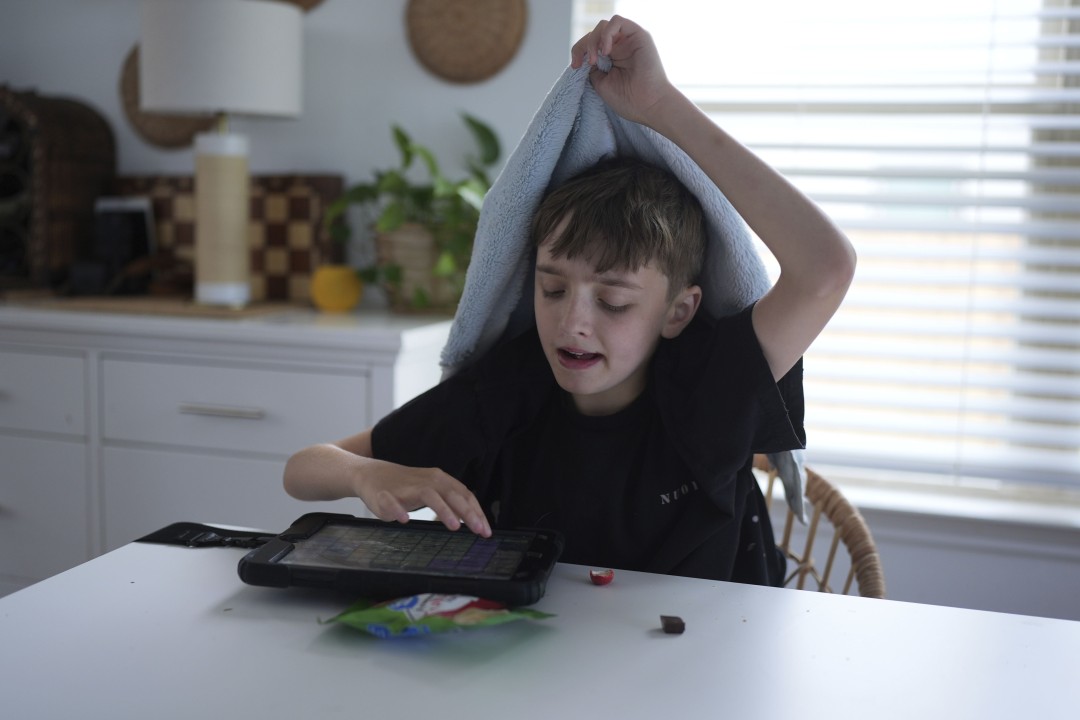
“Autism is a lifelong neurodevelopmental disorder marked by restricted and repetitive behaviors and distinct problems in social communication and interaction.”
— Dame Uta Frith, cognitive neuroscientist
Why Dame Uta Frith Is Challenging the “Autism Spectrum” Idea
Dame Uta Frith has been central to how we understand autism today. Her work on “theory of mind” in autism, for instance, helped explain why social communication can feel so effortful or confusing for many autistic people. So when she publicly questions the term “spectrum,” people understandably pay attention.
Based on recent interviews and commentary reported up to early 2026, Frith’s concerns fall into a few key areas:
- Over-broad categories: The “spectrum” often lumps together very different presentations—ranging from people needing round-the-clock support to those who live independently but struggle socially.
- Heavy reliance on self-report: Many current diagnostic trends emphasize personal narratives and self-identification, which are valuable but can be subjective and influenced by online culture and awareness.
- Risk of diluting the diagnosis: If autism is stretched to cover almost any social difficulty or sensory quirk, it may become harder to target support and research funding to those who need it most.
- Scientific clarity: From a research standpoint, overly wide categories can blur the underlying biology and development patterns scientists are trying to understand.
Frith is not questioning whether autism exists or whether autistic people’s struggles and strengths are real. Instead, she’s asking whether our current labels—and the spectrum metaphor in particular—are the best tools for helping people and advancing science.
What Does “Autism Spectrum” Actually Mean?
The phrase “autism spectrum” became mainstream with diagnostic manuals like the DSM-5 (2013), which grouped several older labels—such as Asperger’s syndrome, classic autism, and PDD-NOS—into a single category: Autism Spectrum Disorder (ASD).
The “spectrum” metaphor aimed to emphasize that:
- People can meet autism criteria in different ways (e.g., more social-communication challenges vs. more repetitive behaviors).
- Levels of support needs vary—from minimal adaptations to intensive, lifelong care.
Over time, however, “on the spectrum” has sometimes been used casually, even jokingly, to describe anyone who’s socially awkward, introverted, or focused on details. This cultural drift is part of what Frith worries about: when the label stretches too far, it can both stigmatize ordinary differences and obscure the reality of significant disability for others.

Autism as a Neurodevelopmental Disorder: What the Science Shows
Frith defines autism as a lifelong neurodevelopmental disorder. That wording can sound harsh, especially to autistic adults who embrace autism as an integral part of their identity. It helps to unpack what scientists mean here.
“Neurodevelopmental disorder” is a technical phrase used in psychiatry and neurology. It typically means:
- The differences arise early in brain development, often before birth or in the first years of life.
- These differences shape how a person processes social cues, language, movement, or sensory information.
- The traits tend to be long-lasting, though people can learn strategies and skills over time.
Large twin and genetic studies over the past decade consistently support autism as highly heritable, with many genes each contributing a small effect. Brain-imaging research, while still evolving, points to differences in how neural networks that handle social information, prediction, and sensory input are organized and communicate.
At the same time, researchers increasingly acknowledge:
- There isn’t one “autism brain.” There are likely multiple pathways that can lead to an autistic presentation.
- Co-occurring conditions (ADHD, anxiety, learning differences, epilepsy) are common and can shape daily life as much as core autism traits.
- Environment, stress, and support make a huge difference in outcomes—even when the underlying neurodevelopmental profile doesn’t change.
The Role—and Limits—of Self-Report in Autism Diagnosis
One of Frith’s strongest critiques is about the growing reliance on self-report and questionnaires in diagnosing autism, especially in adults. This doesn’t mean personal experience isn’t crucial; rather, it means we should be honest about what self-report can and can’t do.
Self-report is powerful because:
- Only you know your internal sensory world—how loud a café feels, how exhausting eye contact is, or how much you rely on scripts in conversations.
- Many adults missed in childhood have used self-report tools to advocate for a reassessment that finally explains lifelong challenges.
But self-report also has limits:
- Questionnaires can be “primed” by internet culture—people may answer based on what they think autism looks like, not necessarily their baseline functioning.
- Memory is imperfect; adults may reinterpret childhood experiences through a new lens.
- High rates of anxiety, trauma, ADHD, or depression can mimic or amplify some autism-like traits.
“Self-report is invaluable for understanding lived experience, but it’s not a substitute for careful, developmental assessment. We need both narrative and evidence.”
— Clinical psychologist specializing in adult autism assessments
Frith’s call is for a more balanced approach: centering lived experience and grounding diagnoses in developmental history, observed behavior, and, where available, objective measures—not either/or.
Rethinking Categories: Beyond One Big “Spectrum”
If the “spectrum” is too broad, what might replace it? Frith and many contemporary researchers don’t have a finished answer, but several directions are emerging.
Instead of a single spectrum line, scientists are exploring:
- Dimensional models: Measuring traits like social motivation, language profile, sensory responsiveness, and cognitive flexibility on separate scales.
- Subtypes or “autisms”: Identifying clusters of people who share similar patterns—e.g., early language delay vs. no language delay; strong pattern recognition vs. global learning difficulties.
- Support-needs frameworks: Emphasizing day-to-day practical needs (Level 1–3 support in DSM-5) rather than only the presence or absence of traits.
For families and autistic adults, this can actually be empowering. Instead of a vague “on the spectrum,” you might hear or use more precise descriptions, such as:
- “Autistic, high sensory sensitivity, strong verbal skills, needs support with executive function.”
- “Autistic with intellectual disability and high support needs for daily living.”

Balancing Scientific Models with Lived Experience
Any discussion of autism categories now happens alongside the rise of the neurodiversity movement, which highlights that brain differences are part of natural human variation—and that autistic people deserve respect, accommodations, and self-determination.
Some autistic advocates worry that language like “disorder” undermines this progress. Others find it validating, because it can unlock access to services, workplace accommodations, and legal protections.
In practice, a balanced approach might look like this:
- Acknowledging autism as a neurodevelopmental condition that can create real disability in an unaccommodating world.
- Respecting autism as part of a person’s identity, not something to “cure” or erase.
- Using clinical terms when needed for services and research, and identity-first or person-first language according to individual preference.
“My diagnosis helped me make sense of decades of burnout and social confusion. I don’t love the word ‘disorder,’ but I also don’t want my challenges minimized. Both truths live side by side for me.”
— Case example from a late-diagnosed autistic adult
Practical Implications: What This Means for You Right Now
Frith’s call to rethink autism categories is mainly about the future of research and diagnosis, but it has real-world implications today. Here’s how to navigate this evolving landscape in a grounded, practical way.
If you’re an autistic adult or considering assessment
- Focus on your support needs, not just the label. Ask: What makes daily life hard? What helps? Diagnosis can be a tool to access those supports, not an identity test you must “pass.”
- Seek comprehensive assessments. When possible, look for clinicians who combine interviews, developmental history, observation, and standardized tools—not just a single questionnaire.
- Hold the spectrum metaphor lightly. If “on the spectrum” feels helpful, keep using it. Just remember it’s a simplification, not a precise scientific map.
If you’re a parent or caregiver
- Ask detailed questions. Don’t stop at “ASD Level 1/2/3.” Ask professionals to explain your child’s specific strengths, challenges, and learning profile.
- Prioritize function over labels. Whether or not your child is “mild” or “severe” matters less than whether they’re getting the right support for communication, sensory regulation, and daily living.
- Stay updated—but pace yourself. Research and terminology will keep evolving. You don’t need to track every debate, but it can help to revisit your child’s plan every few years with fresh eyes.

Common Concerns and How to Navigate Them
When a respected figure like Frith questions a familiar term, it can stir up anxiety. Here are some common concerns people have—and ways to think them through.
“Will my diagnosis be taken away?”
Changes in how researchers talk about autism do not automatically erase existing diagnoses. Diagnostic manuals (like DSM and ICD) evolve slowly, with long transition periods. Even if categories shift in the future, the reality of your experiences and needs does not disappear.
“Does this mean some people are ‘really’ autistic and others aren’t?”
Frith’s critique is aimed at scientific clarity, not gatekeeping identity. It’s reasonable, however, for clinicians to distinguish between autism and other conditions that can look similar. That’s not about invalidating people; it’s about making sure each person gets the most appropriate explanation and support.
“Is it wrong to say ‘on the spectrum’ now?”
Language norms are shaped by communities. Many autistic people still find “on the spectrum” acceptable or even comforting; others prefer “autistic” without qualifiers. From an evidence standpoint, you might simply recognize that this phrase is broad and informal—and be open to more precise descriptions when they’re helpful.
Where Autism Research Is Headed Next
Up through early 2026, several trends in autism research intersect with Frith’s call to rethink categories.
- Big-data cohort studies: Multi-country projects are tracking tens of thousands of children over time to map different developmental pathways into autism-like profiles.
- Transdiagnostic frameworks: Models like RDoC (Research Domain Criteria) look at dimensions—such as social processes or cognitive control—across conditions, not just within “ASD.”
- Objective markers (still in early stages): Researchers are testing eye-tracking, EEG patterns, and digital behavior measures as potential supports for diagnosis, though nothing replaces clinical assessment yet.
- Co-production with autistic people: More projects now involve autistic adults in designing studies, shaping outcome measures, and interpreting results.

Moving Forward: Holding Labels Lightly, Centering People Deeply
Dame Uta Frith’s skepticism about the “spectrum” label isn’t an attack on autistic people; it’s a challenge to scientists, clinicians, and systems to do better. Her message can be uncomfortable, but it opens a space for more precise, compassionate ways of describing very real differences in how people develop, think, and connect.
For now, the most constructive stance is a both–and:
- Use the language that helps you make sense of your life—whether that’s “autistic,” “on the spectrum,” “neurodivergent,” or something else.
- When you’re in medical, educational, or research settings, ask for clarity: What exactly do these categories mean here? How do they guide support?
- Stay open to the idea that our understanding of autism will keep evolving—and that this evolution can ultimately lead to better services, less stigma, and more individualized care.
If you feel unsettled by these debates, you’re not alone. It’s completely reasonable to need time to process shifts in language and models. In the meantime, the core realities remain: your experiences are valid, your needs deserve to be met, and you are more than any label—spectrum or otherwise.
Call to action:
- If you’re autistic or suspect you might be, consider journaling your daily challenges and strengths and bringing them to your next appointment.
- If you’re a parent or caregiver, schedule a review with your child’s care team to ensure current supports match their actual profile and needs.
- If you’re a professional, reflect on how you’re using terms like “spectrum” and “self-report”—and where a more nuanced approach might better serve the people you work with.
Labels can change. What doesn’t change is the importance of listening carefully, staying curious, and treating every autistic person—and every person exploring that possibility—with respect and care.
