
Why Explosive Off-the-Bike Workouts After 40 Can Turn Back Your Body’s Clock
You might have noticed it on a steep climb or when you stand up from the sofa: the power that used to feel effortless now takes a little more grit. After 40, “just riding more” often stops being enough to stay strong and pain‑free.
A growing body of research suggests that explosive, off‑the‑bike exercise is one of the most powerful tools we have to slow physical ageing, protect joints and keep riding – and living – with confidence. That doesn’t mean risky box jumps or gym‑bro heroics; it means smart, progressive power training tailored to a changing body.
In this guide, we’ll unpack why explosive training matters after 40, how it affects your muscles, joints and long‑term health, and walk through five practical workouts you can start using this week – even if you’ve never lifted a weight before.

“From your 30s onward, you lose power roughly twice as fast as you lose endurance. Targeted, explosive training is one of the few interventions that consistently slows that decline.”
— Dr. M. DeBeliso, Professor of Exercise Science (summary of findings from masters athlete research)
The Real Problem After 40: Loss of Power, Not Just Fitness
Most riders over 40 try to fix slowing speeds with more miles or harder intervals. The issue is that age‑related decline happens fastest in muscle power – the ability to produce force quickly – not just in your aerobic engine.
- Fast‑twitch muscle fibres shrink and switch off with age if you don’t regularly ask them to fire explosively.
- Nervous system “wiring” becomes less efficient at recruiting muscles quickly.
- Tendons and connective tissue lose stiffness, reducing your ability to transfer force to the pedals.
The result? You feel “slow to react” when sprinting out of corners, your jump on climbs fades, and everyday tasks – like catching yourself during a slip or lifting a heavy bag – start to feel surprisingly hard.
Why Explosive Off-the-Bike Exercise Slows Ageing
Off‑the‑bike power work does something regular riding rarely achieves: it trains your muscles, brain and connective tissue to work together at high speed. That has broad benefits beyond performance.
- Preserves fast‑twitch muscle fibres
Short, explosive movements (like jumps or fast step‑ups) selectively recruit fast‑twitch fibres. Research in older adults shows that power training can increase or preserve the size and function of these fibres better than slow, heavy lifting alone. - Improves neuromuscular efficiency
Quick, crisp reps teach your nervous system to “switch on” muscle units in the right order, which supports balance, reaction time and coordination – crucial for preventing falls and bike crashes. - Enhances metabolic and cardiovascular health
Power sessions are usually short but intense, creating a strong stimulus for insulin sensitivity, mitochondrial function and VO2max support, especially when combined with traditional endurance riding. - Protects joints and posture
Well‑designed explosive work strengthens the muscles around hips, knees and spine. Over time this can reduce common overuse pains from cycling, like lower‑back niggles or knee discomfort, by sharing the load more evenly.
“For adults over 40, power training – when done safely – is at least as important as traditional strength training for maintaining independence and preventing falls.”
— Position reflected in multiple reviews, including work by the American College of Sports Medicine
A Real-World Example: The 52-Year-Old Climber Who Got His “Snap” Back
Mark, a 52‑year‑old recreational cyclist, came into the clinic complaining that he “couldn’t get on top of the gear” in short climbs anymore. His weekly volume hadn’t changed, but he felt flat and his knees ached after hard rides.
We added two 20‑minute off‑the‑bike power sessions per week for 12 weeks:
- Bodyweight squats progressing to jump squats
- Fast step‑ups mimicking his climbing posture
- Low‑resistance standing sprints on the trainer
Mark’s FTP barely changed, but his 15‑second power improved by ~9%, his knee pain reduced, and he described feeling “springy” again. This is typical: power training often improves how strong you feel on the bike more than the numbers suggest.
Safety First: Can Explosive Exercise Be Safe After 40?
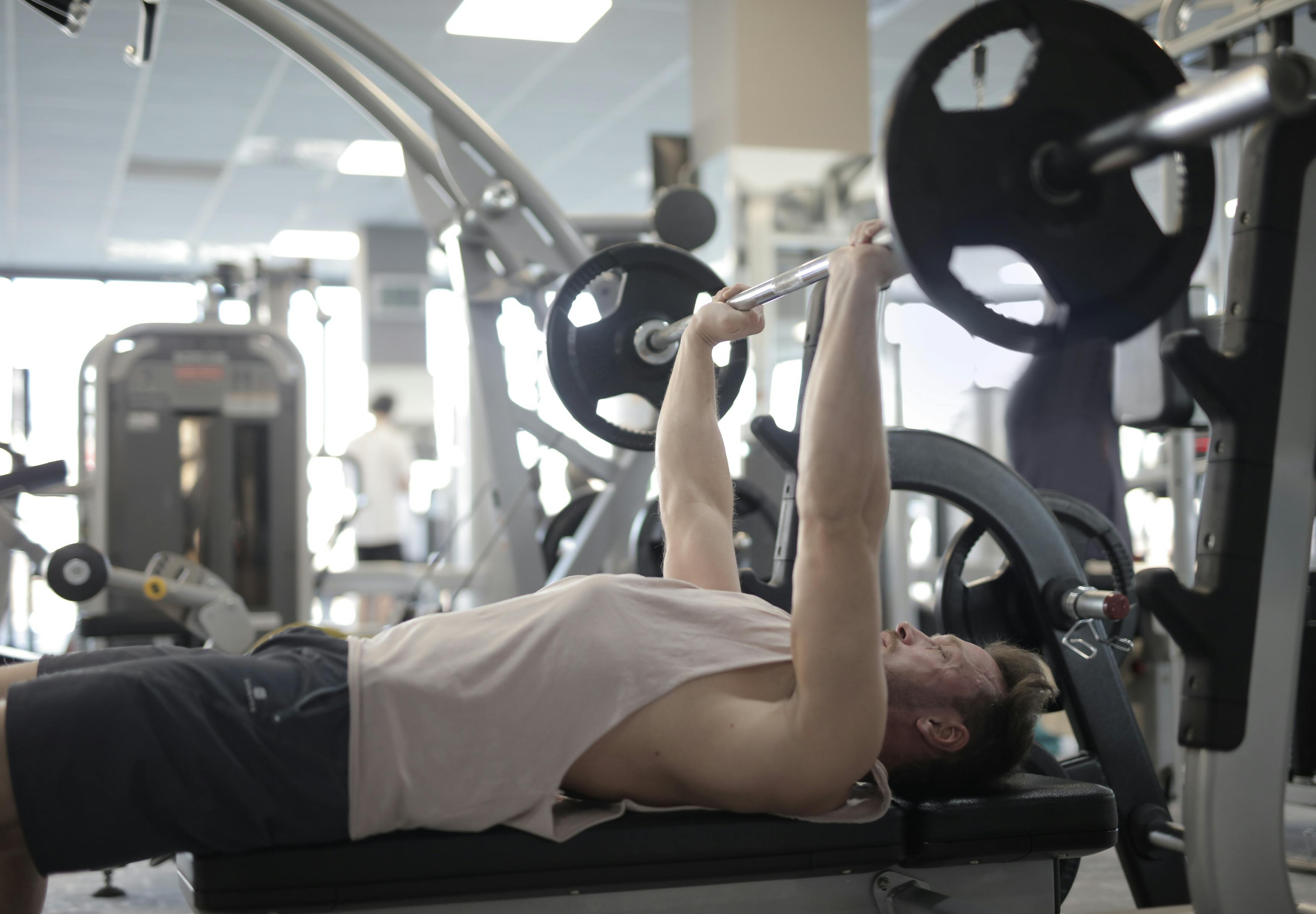
With the right build‑up, explosive exercise can be safe – and highly beneficial – well into your 60s and 70s. The key is progression, not bravado.
- Get cleared if needed: If you have heart disease, uncontrolled blood pressure, recent surgery or significant joint pain, talk to your doctor or a qualified physio before starting.
- Master control before speed: You should be able to squat, hinge and step without pain or wobbling before adding any “jump” component.
- Start sub‑maximal: “Explosive” doesn’t mean 100% effort from day one; it means moving faster than usual with crisp technique.
- Use soft surfaces: Carpets, rubber gym floors and low plyo boxes reduce impact stress on joints.
Core Principles of Explosive Training for Cyclists Over 40
Before we jump into the workouts, a few ground rules will keep you progressing steadily instead of flirting with injury.
- Quality over quantity
Do fewer reps, but make each one sharp and technically sound. Stop each set when speed or form noticeably drop. - Plenty of rest between sets
Power needs freshness. Rest 60–120 seconds between sets so your nervous system can recharge. - Two focused sessions per week is enough
Most riders see clear benefits from 2 sessions of 20–30 minutes, especially when combined with regular riding. - Train movements, not muscles
Prioritise squats, hinges, lunges, pushes, pulls and rotation – these patterns transfer far better to riding and daily life than isolated machine work. - Respect recovery
Schedule power work away from your hardest rides (or do it first if you combine in one day) and protect at least one low‑stress day per week.
The 5 Key Workouts to Build a Stronger, More Explosive Body
The following sessions are designed for riders over 40 who want to maintain power, reduce pain and feel more capable off the bike. You don’t need a full gym – just a small space, a step or box and optionally a pair of dumbbells or kettlebells.
Workout 1: Foundation Strength & Control (No Impact)
Use this 2–3 times per week for 4–6 weeks if you’re new to strength work or returning from a layoff. The goal is to build joint control before we add explosive intent.
- Warm‑up (5–8 minutes)
- Marching in place or easy spin on a trainer – 3 minutes
- Hip circles, arm swings, bodyweight squats – 10 reps each
- Main set (2–3 rounds)
- Bodyweight squat or supported squat to chair – 8–12 reps
- Hip hinge (Romanian deadlift pattern) with light weights or no load – 8–10 reps
- Static lunge or split squat (use a wall or chair for balance) – 6–8 reps per leg
- Incline push‑ups (hands on bench or wall) – 8–10 reps
- Dead bug or bird‑dog for core – 8 reps per side
Rest ~45–60 seconds between exercises. When you can complete 3 rounds comfortably with clean form, you’re likely ready to layer in power.
Workout 2: Low-Impact Power for Beginners
Once you feel solid with foundation strength, add this low‑impact power session 1–2 times per week. Focus on moving faster, not higher.
- Warm‑up (8–10 minutes)
- 5 minutes of brisk walking or easy spin
- 10 bodyweight squats + 10 alternating reverse lunges
- 10 light calf raises + 10 arm swings
- Main set (3 rounds)
- Fast chair squats – 6–8 reps
Sit back to a chair then stand up as quickly as you can while staying in control. Don’t leave the ground. - Dynamic step‑ups – 6 reps per leg
Step onto a low step or box and drive up quickly, coming down under control. - Band rows or light dumbbell rows – 8–10 reps (moderate speed)
- Standing power march (high‑knee drive) – 15–20 seconds
- Fast chair squats – 6–8 reps
Rest 60–90 seconds between exercises. If any movement causes joint pain (not just muscular effort), scale the speed or range of motion, or remove it.

Workout 3: Explosive Leg Session for Climbers and Sprinters
This workout is for riders who have at least 2–3 months of consistent strength training and no major lower‑body injuries. Do it once per week, ideally on a day when you’re otherwise riding easy.
- Warm‑up (10 minutes)
- 5 minutes easy spin or brisk walking
- 2 sets of 10 bodyweight squats + 10 hip hinges
- 2 x 10‑second fast marches or light pogo hops
- Main set (3–4 rounds)
- Jump squats – 4–6 reps
Start with a small, soft jump; focus on quiet landings and knees tracking over toes. If jumping feels too aggressive, stick with fast squats. - Explosive step‑ups – 5 reps per leg
Drive up powerfully, briefly leaving the step with your trailing foot before placing it back down. - Hip hinge (deadlift pattern) with moderate load – 5 reps, performed with intent to move the weight quickly (but safely) on the way up.
- Calf “pop” raises – 8–10 quick but controlled reps
- Jump squats – 4–6 reps
Rest 90–120 seconds between exercises and 2–3 minutes between rounds. You should finish feeling pleasantly worked, not wrecked.
Workout 4: Off-the-Bike Sprint Power Session
This session bridges gym and bike. It uses short, hard efforts to train your nervous system for powerful accelerations without piling on huge training stress.
- Warm‑up (10–15 minutes on trainer or road)
- 8–10 minutes easy spin
- 3 x 10‑second high‑cadence efforts (100–120 rpm) with full recovery
- Main set (6–8 accelerations)
- From ~60–70 rpm, accelerate out of the saddle for 8–12 seconds at low–moderate resistance.
- Focus on smooth, powerful pedal strokes and full‑body tension.
- Recover with 2–3 minutes of very easy spinning between efforts.
You should finish each sprint feeling like you could have gone a little harder – that’s how you know you’re training power, not just exhausting yourself.
Workout 5: Whole-Body Power Circuit for Everyday Strength
This 25–30‑minute circuit helps you move more athletically in daily life: lifting, carrying, turning and catching yourself when you trip.
- Warm‑up (8–10 minutes)
- Light cardio – 3–5 minutes
- World’s greatest stretch, arm circles, hip openers – 5 reps each
- Main circuit (3 rounds)
- Alternating reverse lunge to knee drive – 6 reps per leg (move briskly)
- Standing cable or band row – 8–10 reps (fast pull, controlled return)
- Medicine‑ball or band chest press – 6–8 brisk reps
- Rotational band chop – 6 reps per side
- Farmer’s carry with dumbbells or shopping bags – 20–30 seconds walk
Rest 60–90 seconds between exercises. Emphasise posture: tall spine, relaxed shoulders and stable hips.

Common Obstacles – And How to Work Around Them
Integrating new training in mid‑life isn’t just a physical challenge; it’s a logistical and psychological one too. Here are some of the issues riders raise most often.
- “I don’t have time for more training.”
Replace one medium‑hard ride with a 25‑minute power session and a 30‑minute easy spin. You’ll often recover better and gain more from the week overall. - “Explosive training sounds risky.”
Risk rises when people skip foundations, use ego‑driven loads or poor surfaces. If you progress gradually, focus on soft landings and stop before fatigue ruins form, risk remains relatively low. - “My knees/hips already hurt.”
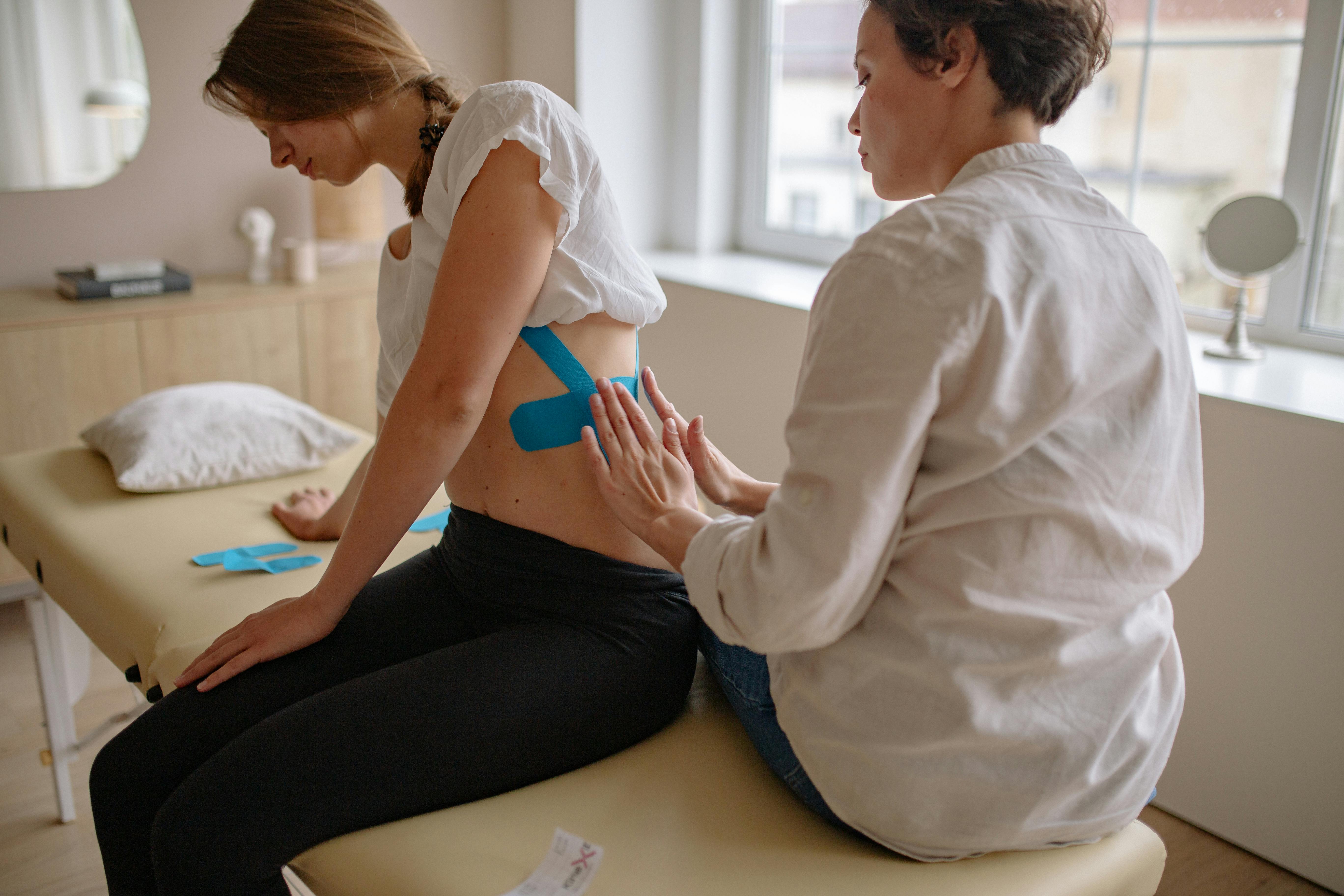
Stick with low‑impact options like fast chair squats, short‑range step‑ups and band work. Pair them with mobility and, if possible, an assessment from a physio. - “I feel too uncoordinated.”
That’s exactly why this work helps. Start with slow, simple patterns in a pain‑free range; as coordination improves, increase speed slightly.
What the Science Says About Power Training and Ageing
Over the past decade, several systematic reviews and clinical trials have explored how power‑focused training affects older adults:
- Compared with slow, heavy strength work, power training often produces equal or greater improvements in functional tasks like stair climbing, chair stands and walking speed.
- In masters athletes, those who include regular high‑velocity resistance training tend to preserve more muscle mass and power than those who train slowly or only do endurance work.
- Short, high‑intensity efforts have been associated with improved insulin sensitivity, blood‑pressure control and VO2max in older populations, though results vary and programmes must be individualised.
You can explore position stands and reviews from organisations such as the American College of Sports Medicine and research indexed on PubMed for deeper reading. Evidence is still evolving, but overall trends strongly support including some form of power training as we age.
Before & After: How Your Body Can Change in 12 Weeks
Everyone responds differently, and genetics, sleep, nutrition and total training load all matter. Still, a realistic 10–12‑week outcome for many riders over 40 who add 2 power sessions per week might look like this:
| Before | After 10–12 Weeks |
|---|---|
| Struggling to accelerate out of corners or respond to surges | Noticeably sharper jump and quicker reactions |
| General stiffness, occasional back or knee niggles | Improved joint control and often reduced “niggle” frequency |
| Feeling “fragile” off the bike (e.g. on stairs, lifting) | More confidence in everyday movements and better balance |
These changes reflect typical patterns seen in practice and in research, but they are not guaranteed. Think of power training as an investment that tilts the odds toward staying strong, rather than a promise of specific numbers.
Putting It All Together: A Sample Weekly Plan
Here’s how you might blend these workouts into a realistic cycling week without burning out:
- Monday: Rest or light mobility / walk
- Tuesday: Workout 2 (Low‑Impact Power) + optional easy 30‑minute spin
- Wednesday: Steady endurance ride (60–90 minutes)
- Thursday: Workout 3 (Explosive Leg Session) or Workout 5 (Whole‑Body Power Circuit)
- Friday: Easy recovery ride or rest
- Saturday: Long ride or group ride (focus on enjoyment)
- Sunday: Workout 4 (Off‑the‑Bike Sprint Power) or optional skills/technique ride
Adjust volume and intensity based on your schedule, training history and recovery. If life gets busy, keep the power work and trim non‑essential “grey zone” rides.
Ageing Stronger: Your Next Steps
Slowing down with age is normal; losing your edge faster than you need to is not inevitable. By adding short, targeted explosive sessions off the bike, you can preserve muscle, protect your joints and keep that feeling of “snap” in your legs and confidence in your body.
You don’t need a gym membership, special genes or perfect consistency. You just need a plan, patience and a willingness to move a little differently.
If you’re ready to start:
- This week, complete Workout 1 twice to lay your foundation.
- Next week, add Workout 2 once and notice how “moving faster” feels.
- After 4–6 weeks, progress toward Workout 3 or 5 depending on your goals.
Treat these workouts as a long‑term partnership with your future self. The effort you put in now is the strength, mobility and independence you’ll be grateful for a decade from today.
