
When “Healthy” Habits Hurt: How My Wellness Obsession Spiked My Stress Instead of Lowering It
When “Healthy” Becomes Harmful: What Happens When Your Wellness Routine Raises Your Stress
By a health writer who took “optimizing” too far
Updated for 2026 • Evidence-informed • Compassion-first
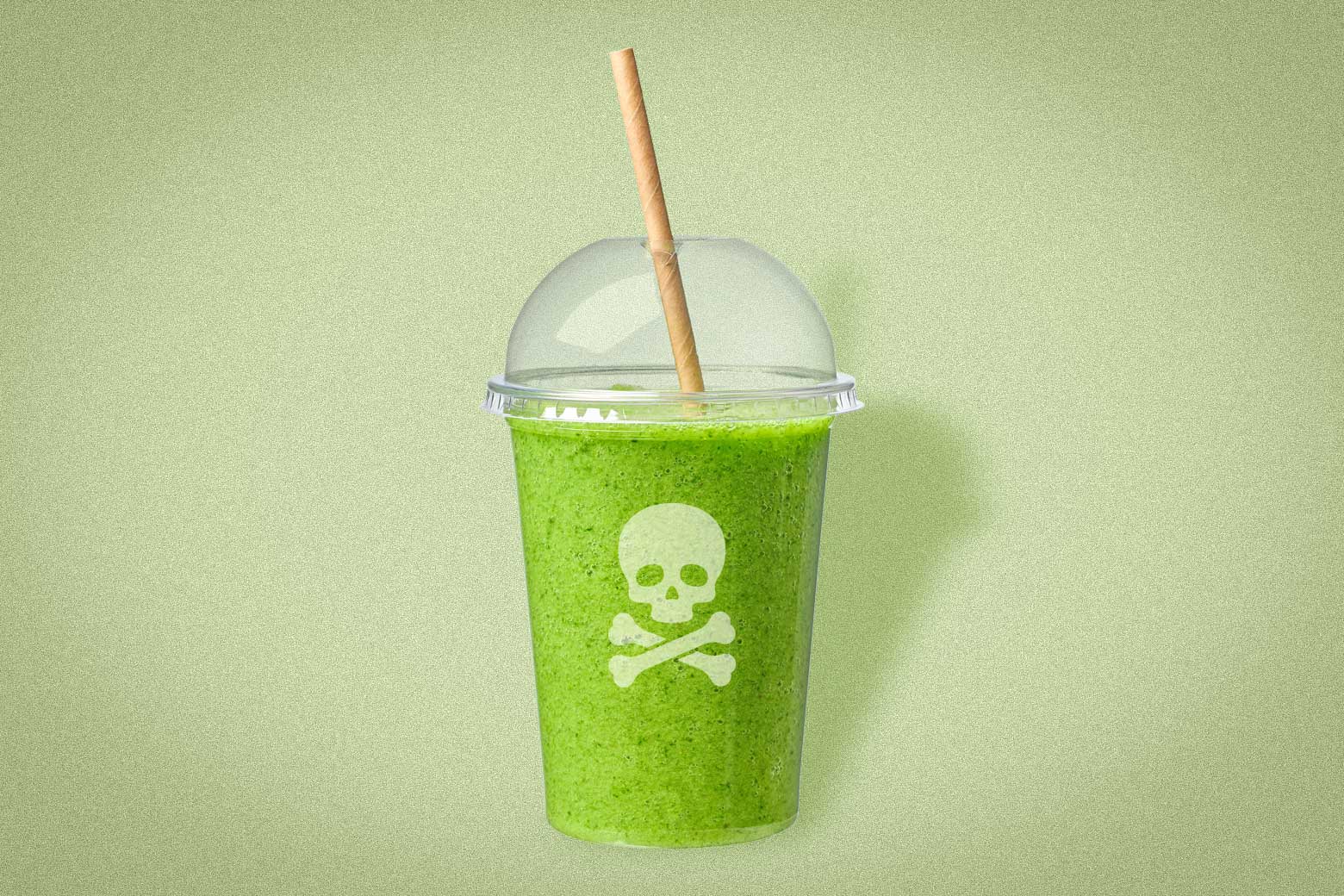
I used to start my day with a bright-green smoothie I didn’t even like. On paper, everything in my routine was “healthy”: the 6 a.m. workout, the supplements, the perfectly portioned meals. Friends told me I was an inspiration. My social feeds were full of posts promising less stress, glowing skin, better sleep—if I just stuck with it.
But quietly, something very different was happening. My shoulders were permanently tense. I felt guilty if I missed a workout, anxious if I ate anything “off plan,” and oddly disconnected from my own body. The more I chased health, the less healthy I felt.
If you’ve ever followed all the advice that was supposed to lower your stress and improve your health—and ended up more exhausted, tense, or unwell—you’re not alone. This article unpacks how health obsession can backfire, what the science says about stress and wellness, and how to rebuild a calmer, kinder relationship with your body.
The Wellness Promise vs. What Actually Happened
The modern wellness world loves certainty: “Cut this food and your anxiety will disappear,” “Buy this gadget and you’ll sleep perfectly,” “Track every step, macro, and heartbeat and you’ll finally feel in control.”
I believed it. I followed it. And still, my:
- Stress levels were higher than ever.
- Sleep got worse, not better.
- Social life shrank because my “plan” always came first.
- Self-worth hinged on how “good” I had been with food and exercise.
“Health behaviors can become harmful when they are driven by anxiety, rigid rules, or a sense of moral worth. Flexibility is a key component of psychological well-being.”
— American Psychological Association summary on health-related anxiety
What I didn’t realize then is that the way we pursue health matters as much as the habits themselves. A behavior that’s beneficial in moderation can become stressful—and sometimes damaging—when it turns rigid, fear-based, or all-consuming.
When “Healthy” Habits Quietly Turn into Health Anxiety
There’s a growing recognition of something researchers sometimes call maladaptive healthy behavior—habits that look virtuous but are driven by fear and actually worsen well-being.
Common signs your health routine may be crossing that line:
- Rigid rules: You feel panicked or ashamed if you miss a workout or eat outside your plan.
- Constant body-checking: Weighing yourself multiple times a day, obsessively checking your smartwatch, or scrutinizing every physical sensation.
- Endless research loops: Spending hours reading conflicting advice and feeling more confused and scared.
- Social withdrawal: Skipping gatherings because the food or timing doesn’t fit your routine.
- Guilt and shame: Talking to yourself harshly for “slipping” or not being “disciplined enough.”
The tricky part? At first, this all looks like dedication. You might even get praise for it. But underneath, your nervous system may be stuck in a near-constant state of threat—the opposite of the relaxation response that supports healing and resilience.
Why Chronic Stress Can Cancel Out Your Best Health Efforts
Your body doesn’t just care what you do; it cares how you feel while you’re doing it. A perfectly composed salad eaten in anxiety and self-criticism lands differently in your body than a simple meal eaten with ease and connection.
Here’s a simplified look at what happens when your health routine is soaked in stress:
- Nervous system: You stay stuck in “fight, flight, or freeze,” which can disrupt digestion, sleep, and mood.
- Hormones: Chronic stress can keep cortisol elevated or dysregulated, affecting blood sugar, weight regulation, and inflammation over time.
- Immune function: Long-term high stress is linked to altered immune responses, making it harder for your body to repair and respond to challenges.
- Behavioral fallout: Exhaustion and all-or-nothing thinking can lead to burn-out, binge-restrict cycles, or dropping healthy habits altogether.
“Stress that is prolonged or chronic can contribute to long-term problems for heart and blood vessels, and affect behaviors and factors that increase heart disease risk.”
— U.S. Centers for Disease Control and Prevention (CDC)
This doesn’t mean that one anxious week ruins your health. But a long-term pattern of fear-driven wellness can chip away at the very benefits you’re chasing.
A Real-Life Example: When “Doing Everything Right” Still Feels Wrong
A coaching client I’ll call Maria came to me in her late 30s. On paper, she had the dream routine:
- Daily 5:30 a.m. workouts
- Perfectly prepped macro-counted meals
- 7 different supplements
- An 8 p.m. bedtime strict enough to skip most social events
Yet she described:
- Constant worry about “undoing” her progress
- Headaches and digestive issues
- Feeling like a failure if she missed a single workout
- A growing sense of isolation from friends and family
We didn’t tear down her habits. Instead, we gently explored why she held them so tightly. Underneath was a deep fear of getting sick like a relative had and a belief that her worth depended on being “disciplined.”
Over months, we:
- Reframed movement from punishment to stress relief.
- Added flexibility: one fully unstructured meal each week, then more.
- Practiced self-compassion when plans changed.
- Disconnected her identity from her routine.
Her biomarkers didn’t transform overnight—and that mattered less than something more immediate: she felt lighter, calmer, and more present. That’s a valid health outcome, too.
At a Glance: Healthy Care vs. Health Obsession
Think of your wellness habits on a spectrum. This simple comparison can help you notice where you might be drifting toward stress and rigidity.

Balanced Health Care
- Flexible routines that can adapt to real life.
- Habits motivated by curiosity, values, and self-respect.
- Room for pleasure, rest, and connection.
- Setbacks seen as normal, not moral failures.
Health Obsession
- Rigid rules and fear of breaking them.
- Motivated by anxiety, shame, or comparison.
- Social life and joy squeezed out.
- Constant self-monitoring and self-criticism.
How to Reset Your Health Routine So It Lowers Stress (Not Raises It)
You don’t have to abandon your goals to feel better. Instead, aim to make your habits more flexible, compassionate, and sustainable. Here’s a step-by-step way to start.
1. Do a gentle “stress audit” of your habits
For one week, notice which parts of your routine leave you feeling:
- Calmer, more energized, more present.
- Or, alternatively, tense, ashamed, or fearful.
You might find that how you approach a habit matters more than the habit itself. For example, a 20-minute walk might soothe you, while a high-pressure, metrics-obsessed run might spike your anxiety.
2. Loosen one rigid rule at a time
Pick one rule that feels heavy—like “I must work out every day or I’ve failed”—and experiment with a more flexible version:
- Old rule: “I must work out hard 7 days a week.”
- New guideline: “I’ll move my body most days in a way that’s available and kind—sometimes that’s a workout, sometimes it’s stretching or walking.”
3. Add, don’t just subtract
Instead of focusing only on what to cut (sugar! screens! carbs!), ask: What can I add that genuinely nourishes me?
- Five extra minutes to eat without scrolling.
- One weekly meal with a friend or loved one.
- Ten minutes of light stretching before bed.
- A hobby that has nothing to do with health metrics.
4. Build in “off-duty” time from health tracking
Devices can be useful, but constant tracking can feed anxiety. Consider:
- One “no data day” each week.
- Turning off non-essential health notifications.
- Checking stats at set times instead of constantly.
5. Practice self-talk that supports your nervous system
The voice in your head is part of your health environment. Instead of:
- “I blew it, I have no discipline.”
Try:
- “One choice doesn’t erase my progress.”
- “I’m learning what works for me, and that includes flexibility.”
Before & After: What Actually Changed When I Softened My Approach
I didn’t wake up one day magically balanced. The shift was gradual and far from perfect. But over time, my life looked and felt different.

Before
- Multiple alarms for workouts, meals, and supplements.
- Fear of missing a day or eating “off-plan.”
- Constant comparison to wellness influencers.
- Body treated like a project to fix.
After
- Core routines, but with built-in flexibility.
- Movement and meals chosen for how they make me feel, not just look.
- More dinners with friends, fewer nights agonizing over details.
- Body treated like a partner to care for.
My stress didn’t disappear—no routine can promise that—but it stopped being amplified by the very habits that were supposed to help.
What Research Says About Stress, Health, and “Doing Enough”
In the last few years, research has increasingly emphasized that:
- Moderate, consistent habits matter more than extremes. Large cohort studies continue to show that basics—like not smoking, moving regularly, eating plenty of plants, and sleeping enough—have a bigger long-term impact than obsessing over details.
- Perceived stress is a health factor. How stressed you feel is associated with outcomes like cardiovascular risk and sleep quality, even after accounting for some behaviors.
- Social connection protects health. Loneliness is increasingly recognized as a significant risk factor for both mental and physical health, which means a routine that isolates you may be counterproductive.
“For most people, consistent engagement in a few key health behaviors yields substantial benefits, and the marginal gains from further optimization may be small compared with the psychological costs of perfectionism.”
— Summary interpretation of findings from large lifestyle and longevity studies (e.g., Nurses’ Health Study, EPIC)
Put simply: you probably don’t need a perfect routine to meaningfully support your health. You need good-enough habits you can live with—without constantly living in fear.
Common Obstacles (and How to Gently Work Through Them)
Letting go of health obsession is emotionally complex. Here are a few sticking points people often face, with ways to navigate them.
“If I relax, I’ll lose all my progress.”
Fear of backsliding is powerful. Instead of swinging from strict to “why bother,” experiment with small doses of flexibility. Keep a few anchor habits (like daily movement and regular meals) while loosening less critical rules first.
“People admire my discipline—who am I without that?”
Being “the healthy one” can become part of your identity. It may help to explore other roles you value—friend, parent, creative, professional—and invest time and energy there, too.
“All the advice online makes me more anxious.”
Information overload is real. Try:
- Choosing 1–2 trusted, science-informed sources.
- Setting time limits for health content consumption.
- Unfollowing accounts that trigger shame or comparison.

“I’m not sure what’s reasonable for my body.”
Genetics, medical history, disability, mental health, and life circumstances all shape what’s realistic. If you can, consider working with:
- A primary care clinician who understands your context.
- A registered dietitian (ideally weight-inclusive or non-diet informed, if that resonates).
- A therapist—especially if anxiety or perfectionism feel central.
A Simple, Calmer Wellness Plan You Can Start This Week
Here’s a realistic, stress-aware template you can adapt. It’s not prescriptive—just a framework to spark ideas.
- Choose 3–4 anchor habits you can reasonably keep most weeks, such as:
- Walking or gentle movement most days.
- Including a fruit or vegetable with most meals.
- Going to bed at a roughly consistent time.
- Taking prescribed medications as directed.
- Set minimums, not maximums.
Example: “At least 10 minutes of movement” rather than “exactly 60 minutes of intense exercise.” - Schedule weekly joy and connection.
One coffee with a friend, a hobby night, or a family walk counts. - Build one tiny pause into your day.
That could be:- Three slow breaths before meals.
- One minute of stretching after closing your laptop.
- Writing down one thing you’re grateful your body allowed you to do today.

When It’s Time to Ask for More Support
It’s courageous—not weak—to get help when your wellness efforts feel overwhelming. Please consider reaching out to a professional if:
- You feel driven by intense fear around food, exercise, or health.
- Your thoughts about your body or health are hard to turn off.
- You’re restricting food groups in a way that’s affecting your energy, mood, or social life.
- Friends or family have expressed concern.
- You’ve noticed symptoms of depression, severe anxiety, or self-harm thoughts.
A therapist, physician, or dietitian can help you separate evidence-based health behaviors from anxiety-driven rules and design a plan that supports both your physical and mental health.
Your Health Isn’t a Project—It’s a Relationship
You were never meant to manage your body like a full-time job. If your health routine leaves you more stressed, isolated, or ashamed, it’s not a personal failure—it’s a sign the approach needs adjusting, not that you do.
Real, sustainable wellness tends to look less like a flawless checklist and more like an ongoing conversation with yourself: What do I need today? What’s realistic right now? How can I care for myself without punishing myself?
If you recognize yourself in this story, here’s a gentle invitation for the coming week:
- Choose one health rule to soften.
- Add one small, genuine pleasure to your routine.
- Speak to yourself as you would to a close friend who’s trying their best.
Your body has carried you through every version of your life so far. It deserves care that soothes your nervous system, not just care that looks impressive from the outside.
Start where you are, with what you have, as kindly as you can. That, too, is valid, meaningful health work.
Further Reading & Evidence-Informed Resources
For more on stress, health behaviors, and balanced wellness, explore:
- American Psychological Association – Stress: How it affects us
- U.S. Centers for Disease Control and Prevention – Stress and Coping
- World Health Organization – Healthy diet: Key facts
- National Institute of Mental Health – Anxiety Disorders Overview
When in doubt, prioritize approaches that are evidence-based, flexible, and compassionate. Your stress levels are part of your health story—and they deserve just as much attention as your steps, smoothies, or supplements.
