
What We Know Right Now About the New ‘Cicada’ COVID Variant BA.3.2
What we know about the new “cicada” COVID-19 variant (BA.3.2)
A new COVID-19 offshoot nicknamed the “cicada” variant, officially BA.3.2, has resurfaced in the U.S. after first showing up in 2024, raising familiar questions: How worried should we be? Do vaccines still help? And what can you realistically do to lower your risk without turning your life upside down?
The nickname comes from its pattern: like cicadas that emerge, disappear, and return, BA.3.2 appeared, went quiet in the data, and then re‑emerged in late 2025. Public health agencies and independent labs are now tracking it alongside other Omicron descendants.
Below is an evidence‑based, practical guide to what we know so far, what remains uncertain, and how to think about this variant in the context of your everyday choices.
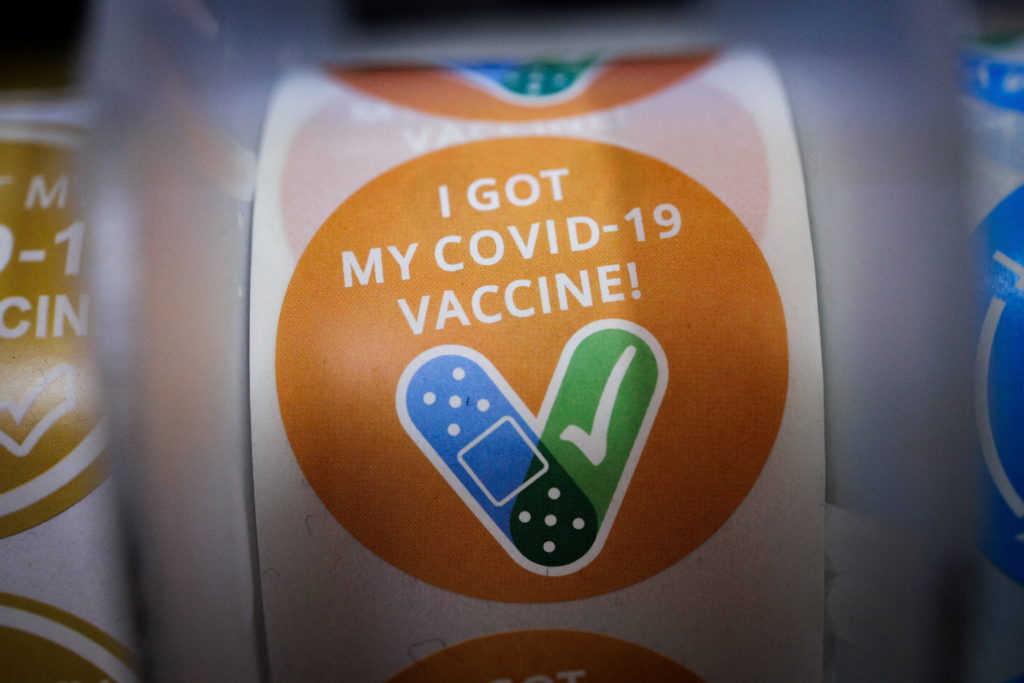
What is the “cicada” COVID variant (BA.3.2)?
BA.3.2 is an Omicron‑lineage subvariant. Its unofficial nickname, “cicada,” reflects how it:
- First appeared in global sequencing data in 2024
- Circulated at low levels, then largely faded from attention
- Re‑emerged in the U.S. and some other regions in late 2025
Genetically, BA.3.2 carries a familiar Omicron “backbone” with additional mutations in the spike protein and other regions of the virus. These mutations can influence how easily it spreads, how well it dodges existing immunity, and how well tests and treatments work.
At the time of the PBS/PolitiFact report, BA.3.2 was one of several variants being watched, not the dominant strain everywhere. That status can change, which is why agencies like the CDC and WHO update their dashboards regularly.

“Variants like BA.3.2 aren’t completely new viruses; they’re branches on the same Omicron family tree. Most changes affect how well the virus spreads or dodges immunity, not whether it becomes a brand‑new disease.” — Infectious disease researcher quoted in recent variant tracking reports
How contagious is BA.3.2 compared with other variants?
Early data suggest that BA.3.2 is:
- At least as contagious as recent Omicron subvariants
- Capable of spreading in communities with substantial prior infections and vaccinations
- Not clearly “game‑changing” in transmissibility compared with the most recent dominant strains
This pattern is consistent with the last few years: new variants often have a modest advantage in how efficiently they infect people, which lets them edge out older strains over time.
Importantly, “more contagious” does not automatically mean “more severe.” Public health decisions weigh both.
Does the cicada variant cause more severe COVID-19?
As of late March 2026, the available evidence does not show that BA.3.2 is clearly more severe than other circulating Omicron‑family variants. Most reported cases follow the now‑familiar pattern:
- Mild to moderate symptoms for most vaccinated and otherwise healthy people
- Higher risk of hospitalization and death for older adults and people with underlying conditions
- Ongoing concern about post‑COVID complications (long COVID), even after “mild” illness
Hospitalization data so far show incremental, not dramatic, shifts when BA.3.2 is present—consistent with what we’ve seen for many other recent subvariants.
“The biggest driver of severe outcomes remains who is infected—age, immune status, and underlying conditions—not which Omicron subvariant is dominant at a given moment.”
That said, even if an individual’s risk per infection is similar, a highly transmissible variant can still raise the total number of hospitalizations simply by infecting more people. That’s why surveillance continues even when changes in severity appear small.
How well do vaccines and prior infection protect against BA.3.2?
Lab studies and real‑world data for similar Omicron subvariants give us a reasonable picture, even while BA.3.2–specific numbers are still being refined:
- Protection against infection: Antibodies from vaccines or past infection may be less efficient at completely blocking infection with BA.3.2, especially as time passes from your last dose or illness. Breakthrough infections are expected.
- Protection against severe disease: Protection against hospitalization and death remains significantly better than against infection itself, particularly if you are:
- Up‑to‑date with the latest recommended COVID-19 vaccine
- Recently boosted, if you’re in a high‑risk group
- Hybrid immunity: People who are both vaccinated and have recovered from a prior Omicron infection often show broader immune responses, though this does not make them “invincible.”
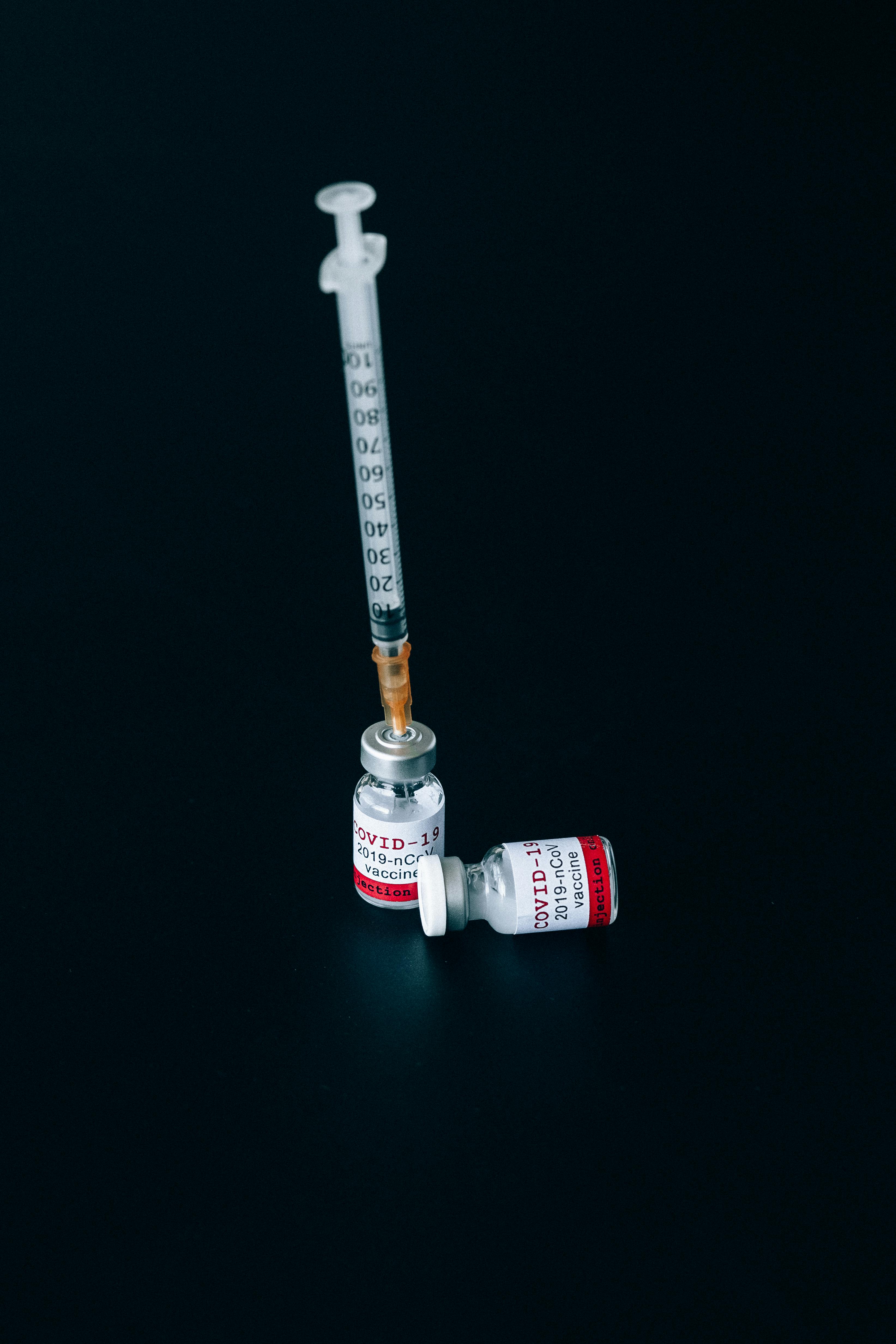
Do current tests and treatments still work for BA.3.2?
Based on how similar BA.3.2 is to other recent Omicron variants, most of the core tools remain useful:
- Diagnostic tests: PCR tests target multiple parts of the virus and are expected to continue detecting BA.3.2 reliably. Rapid antigen tests may vary slightly in sensitivity, but widespread failure is unlikely; using them correctly and repeating tests over a couple of days is more important than the specific variant.
- Antiviral medications: Drugs such as nirmatrelvir–ritonavir (Paxlovid) have, so far, retained activity across Omicron subvariants. Ongoing surveillance checks for resistance mutations, but no major loss of efficacy has been confirmed specifically for BA.3.2 as of March 2026.
- Monoclonal antibodies: Many earlier monoclonal treatments lost effectiveness against Omicron strains and are no longer widely used. Newer or updated antibody therapies, where available, are selected partly for their ability to target current variants.
If you test positive and are at higher risk for severe COVID-19, contact a healthcare provider promptly—antivirals work best when started early, usually within 5–7 days of symptom onset.
Practical steps to protect yourself and others from the cicada variant
Living with COVID-19 now is about layering reasonable protections, not eliminating all risk. For BA.3.2, the same tools that worked for earlier Omicron waves still matter:
- Stay up‑to‑date on vaccines.
Schedule recommended COVID-19 doses, especially if:- You’re 60+ or have chronic conditions
- You work in healthcare or crowded indoor settings
- You live with someone who is medically vulnerable
- Improve indoor air quality.
Use:- Open windows or mechanical ventilation when possible
- HEPA air purifiers in frequently used rooms
- DIY box‑fan filters if commercial units are not accessible
- Use high‑quality masks strategically.
Consider a well‑fitting respirator (like an N95, KN95, or FFP2) when:- Traveling on public transport or airplanes
- Visiting healthcare settings
- You or someone close to you is at higher risk
- Test when sick—or after higher‑risk exposures.
If you have symptoms that could be COVID‑19:- Use rapid tests more than once over 48 hours if the first is negative
- Isolate while symptomatic, especially around vulnerable people
- Seek PCR testing or medical advice if symptoms are severe or persistent
- Plan ahead if you’re high‑risk.
Talk with your clinician now about:- Eligibility for antivirals if you test positive
- Any medication interactions or kidney/liver issues
- How to access treatment quickly (telehealth, local clinics, etc.)

Common misconceptions about the cicada variant
New variant names tend to generate rumors. Here are a few myths to watch for:
- “It’s a totally new virus.”
No. BA.3.2 is part of the existing SARS‑CoV‑2 Omicron family, not a brand‑new pathogen. - “Vaccines don’t work at all against it.”
Evidence to date shows that vaccines still meaningfully reduce the risk of severe disease, even if they’re less effective at blocking every infection. - “Prior infection guarantees I’m safe.”
Reinfections happen, especially as immunity wanes and variants evolve. Prior infection may lower risk of severe illness but does not eliminate it. - “If it’s not on the front page, it’s not a big deal.”
Surveillance often continues quietly after headlines fade. It’s normal for public attention and media coverage to ebb and flow even while scientists and health systems keep watch.
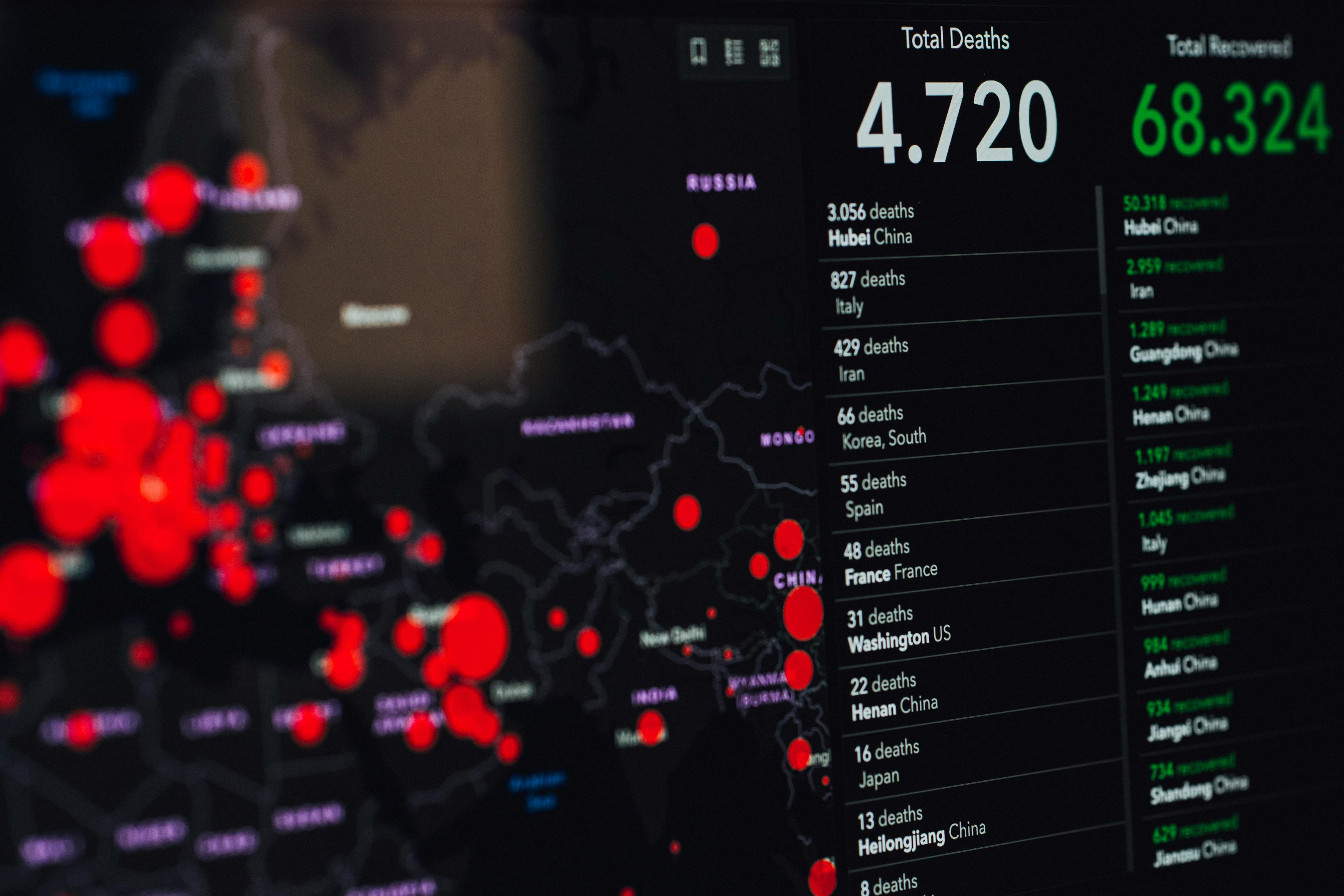
BA.3.2 in context: How it compares with earlier phases of the pandemic
It can help to mentally place BA.3.2 on a timeline:
- 2020–early 2021: No vaccines initially; higher overall severity; major pressure on hospitals.
- Delta wave (2021): More severe variant plus many unvaccinated individuals led to large surges.
- Early Omicron (late 2021–2022): Much more transmissible but somewhat less severe per infection, with rapidly rising immunity from vaccination and prior infection.
- Later Omicron subvariants (2023–2026): Repeated cycles of subvariants like XBB, JN, KP, and now BA.3.2. Most people have some immunity; health systems are more experienced with treatments and mitigation.
Against that backdrop, BA.3.2 is another incremental turn of the dial, not a reset to early‑pandemic conditions. It still deserves respect, especially for higher‑risk individuals, but it does not mean we are “back to square one.”
What scientists are watching next
As BA.3.2 circulates, researchers and public health agencies are tracking:
- Its share of sequenced cases locally and globally
- Hospitalization and ICU trends in regions where BA.3.2 becomes common
- Lab data on immune escape, including antibody neutralization
- Any changes in test performance or antiviral resistance
- Signals related to long‑term outcomes like long COVID
Much of this information appears first in preprints and technical reports before it filters into mainstream coverage. Numbers can shift as more data accumulate, which is why early findings are usually described with cautious language.
Moving forward with informed, balanced caution
The emergence of the cicada variant BA.3.2 is another reminder that COVID-19 continues to evolve, but it does not mean we are powerless or doomed to repeat the most difficult phases of the pandemic.
Your best path forward is a middle one: neither ignoring the virus nor living in constant fear. Updating your vaccines, improving indoor air where you can, masking strategically, and having a plan for testing and treatment if you get sick are all realistic, impactful steps.
If you’re unsure what these recommendations mean for your specific situation—your age, health conditions, job, or family—consider a brief check‑in with a trusted healthcare professional. A personalized plan often brings more peace of mind than scrolling through headlines ever will.
Call to action:
- Verify when you last received a COVID-19 vaccine and whether you’re due for an updated dose.
- Pick one practical air or masking improvement (for example, a HEPA filter in your living room or an N95 for medical visits).
- Decide in advance where you’ll seek testing and care if you develop symptoms during a local surge.
Small, thoughtful actions taken now can substantially reduce the impact of BA.3.2 and future variants on you, your household, and your community.
