
What a 20-Year Cardiologist Really Eats in a Day for a Healthy Heart
If you’ve ever wondered what a heart doctor really eats when no one’s looking, you’re not alone. Many of my patients ask some version of, “Okay, but what do you eat in a normal day?” In this guide, we’ll walk through how a seasoned cardiologist approaches daily meals for heart health—using real-world, flexible habits you can adapt to your own life.
Why What Cardiologists Eat Matters (and What It Doesn’t)
A cardiologist’s daily eating pattern won’t be perfect, but it’s usually shaped by decades of seeing what helps—and harms—the heart. Learning from that experience can give you a practical roadmap, without strict rules or fad diets. Think of this not as “eat exactly like a doctor” but as “borrow what works, adapt it to your life.”
“There is no single ‘heart diet.’ But there are patterns that consistently show up in people who keep their hearts healthier for longer: more plants, fewer ultra-processed foods, and a lifestyle you can actually live with.”
— Clinical insight based on contemporary cardiology practice
The Real Problem: Confusing Nutrition Advice and Busy Lives
Nutrition headlines change weekly, workdays are hectic, and many heart-healthy plans feel unrealistic. By the time you factor in family, budget, and stress, it’s easy to fall back on takeout or skipped meals.
Cardiologists face the same time pressures as everyone else—long days, limited breaks, and emotional stress. The difference is that they’ve watched, over thousands of patients, which everyday choices tend to move blood pressure, cholesterol, and weight in the right direction.
- They need meals that are fast and repeatable, not gourmet.
- They favor foods that support blood pressure, cholesterol, and blood sugar.
- They plan for imperfection: travel days, on-call nights, and social events.
The Big Picture: A Mediterranean-Style, Plant-Forward Pattern
Many cardiologists quietly gravitate toward a Mediterranean-style diet: lots of vegetables, fruits, beans, whole grains, nuts, olive oil, and modest portions of fish and lean protein. This isn’t a trend—it’s one of the most studied eating patterns for heart health.
- More of: Vegetables, fruits, legumes, whole grains, nuts, seeds, olive oil, herbs, spices.
- Often: Fish and seafood; fermented dairy like yogurt; eggs in moderation.
- Less of: Processed meats, refined carbs (white bread, pastries), sugar-sweetened drinks, deep-fried foods.
- Flexible: Occasional desserts or red meat, especially around social events.
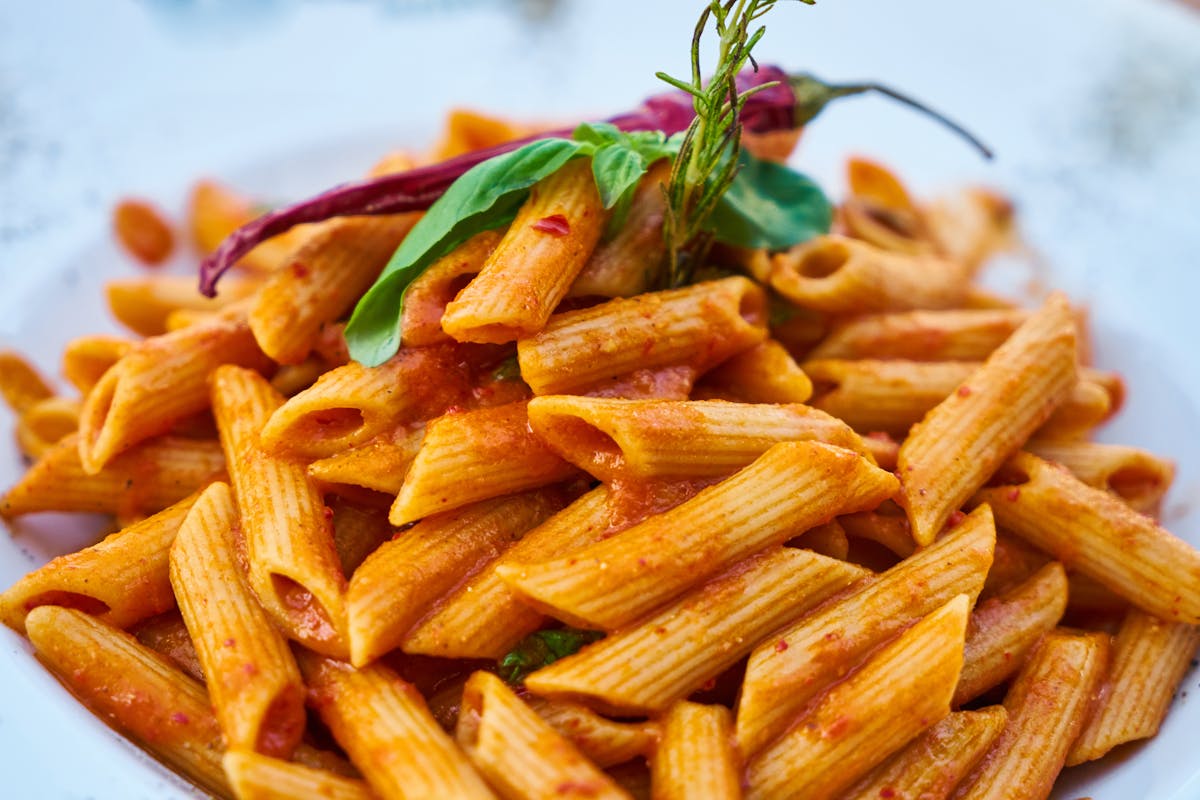
How a 20-Year Cardiologist Structures a Typical Day of Eating
Below is a realistic, composite example modeled on what experienced cardiologists often describe. It’s not a prescription, but a template you can borrow and bend to your preferences and culture.
Breakfast: Stable Energy, Not a Sugar Spike
Breakfast choices usually focus on fiber, healthy fats, and some protein to keep blood sugar steady and reduce mid-morning cravings.
- Option 1: Oatmeal made with rolled oats, topped with berries, a spoonful of nuts or seeds, and cinnamon.
- Option 2: Plain Greek yogurt with fruit, a handful of walnuts or almonds, and a drizzle of honey if needed.
- Drinks: Black coffee or tea, or with a small amount of milk; water alongside.
Many cardiologists avoid breakfast pastries or sugary cereals on most days because they cause quick spikes in blood sugar and leave you hungry soon after.
Lunch: Plants First, Protein Second
Lunch often has to be quick between patients or meetings. A common strategy is to build meals around vegetables and whole grains, then add a modest portion of lean protein.
- Large salad with mixed greens, tomatoes, cucumbers, beans or lentils, a sprinkle of feta, olive oil, and vinegar; plus a slice of whole-grain bread.
- Grain bowl with quinoa or brown rice, roasted vegetables, chickpeas, and tahini or olive oil–based dressing.
- Leftover baked salmon or grilled chicken from dinner over greens or vegetables.
When pressed for time, cardiologists often rely on “assembly meals”—pre-washed salad greens, canned beans (rinsed to lower sodium), microwavable whole grains, and pre-cut vegetables.
Snacks: Small, Purposeful, and Portable
On busy days, having planned snacks can prevent the vending machine spiral. Snacks are usually simple, with 2–3 ingredients.
- A small handful of unsalted nuts plus a piece of fruit.
- Carrot sticks or snap peas with hummus.
- Plain yogurt or a small portion of cottage cheese.
Dinner: Simple, Repeated “House Specials”
Most cardiologists don’t have time for elaborate dinners on weeknights. Instead, they rotate a few reliable “house specials” built on the same heart-healthy structure:
- Half the plate: Vegetables (roasted, sautéed in olive oil, or a big salad).
- One quarter: Lean protein (fish, beans, lentils, tofu, or modest portions of poultry).
- One quarter: Whole grains or starchy vegetables (brown rice, quinoa, whole-grain pasta, potatoes with skins).
Fish—especially salmon, sardines, trout, or mackerel—often appears 1–3 times per week due to omega-3 fatty acids, which are associated with lower cardiovascular risk in many studies.

Dessert & Treats: Enjoyed, Not Mindless
Many cardiologists include intentional treats a few times a week: a small square of dark chocolate, a shared dessert out, or a favorite cultural sweet. The key is portion and frequency, not total avoidance.
Alcohol, if used at all, is usually moderate: often less than one drink per day on average, and many choose to skip it regularly, especially if they have high blood pressure, atrial fibrillation, or sleep problems. Recent guidelines increasingly emphasize that less is better for long-term health.
A Realistic Case Study: From “All or Nothing” to Consistent Habits
Consider a 55-year-old patient with high blood pressure, high LDL (“bad”) cholesterol, and a family history of heart disease. She worked long hours, skipped breakfast, grabbed takeout for lunch, and often ate late dinners.
With a cardiologist’s guidance, she didn’t go on a strict diet. Instead, she made three changes:
- Added a simple, fiber-rich breakfast (oats or yogurt with fruit and nuts) most mornings.
- Swapped fast-food lunches for salad or grain bowls 4 days per week.
- Cut sugar-sweetened drinks and reduced restaurant dinners from 5 nights to 2 nights per week.
Over 6–12 months—alongside medication and walking 20–30 minutes most days—her blood pressure and cholesterol improved enough that her cardiologist could lower one medication dose. Not everyone will see the same results, but many patients experience meaningful changes from consistent, modest shifts—not radical overhauls.
“What changed wasn’t just the food—it was her routine. Once breakfast and lunch became automatic, she had more mental space to make better choices at dinner too.”
— Composite cardiology clinic experience
Common Obstacles—and How Cardiologists Work Around Them
You might be thinking, “That’s nice in theory, but my life is chaos.” Cardiologists hear that every day and often face similar barriers themselves.
1. “I Don’t Have Time to Cook”
- Batch basics: Cook a pot of whole grains and roast a tray of vegetables once or twice weekly.
- Smart shortcuts: Use pre-washed salads, frozen vegetables, canned beans, and rotisserie chicken (skin removed).
- 5-minute plates: Whole-grain toast + hummus + sliced tomato; or canned tuna + olive oil + lemon + salad greens.
2. “I Crave Salt, Sugar, and Fried Foods”
Cravings are normal. Cardiologists rarely ask patients to give up all comfort foods. Instead, they:
- Encourage adding healthy foods before subtracting others, so you’re not constantly hungry.
- Suggest controlled portions of favorite foods once or twice a week.
- Use herbs, spices, citrus, and vinegar to boost flavor without excess salt.
3. “Social Events Derail Me”
- Eat a small, healthy snack beforehand so you’re not starving.
- Fill half your plate with vegetables or salads first, then add richer foods in smaller portions.
- Decide in advance: “I’ll have one dessert or drink, and I’ll truly enjoy it.”

What the Science Says About Heart-Healthy Eating
Over the past two decades, research has shifted from single nutrients (like “low fat” or “low carb”) to overall dietary patterns. Several patterns consistently appear beneficial:
- Mediterranean-style diet: Linked to lower rates of heart attacks, strokes, and cardiovascular death in randomized trials and large observational studies.
- DASH diet (Dietary Approaches to Stop Hypertension): Emphasizes fruits, vegetables, low-fat dairy, and reduced sodium; repeatedly shown to lower blood pressure.
- Plant-forward patterns: Diets rich in whole plant foods and low in processed meats and refined grains are associated with lower cardiovascular risk.
There’s no one perfect pattern for everyone. Cultural preferences, medical conditions, and personal values matter. A good litmus test: it should improve your labs and blood pressure over time, and feel sustainable longer than a few weeks.

How to Apply a Cardiologist’s Eating Strategy to Your Own Life
You don’t need to copy anyone’s exact menu. Instead, focus on adopting the habits behind the menu.
- Start with one meal. Choose breakfast or lunch and upgrade it to include more fiber (whole grains, fruit, beans) and some healthy fat (nuts, seeds, olive oil).
- Build a short “go-to” list. Create 3–5 default meals you can assemble when you’re tired or busy.
- Shop with a heart-health list. Focus your cart on vegetables, fruits, beans, whole grains, nuts, and minimally processed proteins.
- Watch your drinks. Gradually replace sugary drinks with water, sparkling water, or unsweetened tea.
- Check in with your numbers. Track blood pressure, cholesterol, weight, and how you feel over time. Share changes with your clinician.
Bringing It All Together: Think Like a Cardiologist, Eat Like Yourself
A cardiologist with 20 years of experience doesn’t rely on willpower or trendy rules; they rely on simple, repeatable patterns that stack the odds in favor of a healthier heart. More plants, fewer ultra-processed foods, healthy fats, reasonable portions, and routines that survive real life—that’s the core.
You don’t need perfection to protect your heart. You need a direction, plus small steps you can keep taking.
Your next step today:
- Pick one meal this week to upgrade using ideas from this article.
- Schedule a conversation with your clinician about which eating pattern fits your health conditions and preferences.
- Write down two heart-healthy foods you’re willing to keep on hand at all times—then add them to your grocery list.
Over time, these small, steady moves can make your daily plate look a lot more like what seasoned heart doctors choose for themselves—while still feeling like your food, your culture, and your life.
